




Fleet Safety Tip: Tire Maintenance
Goodyear provides some tire maintenance tips you can pass along to fleet drivers as a friendly reminder.
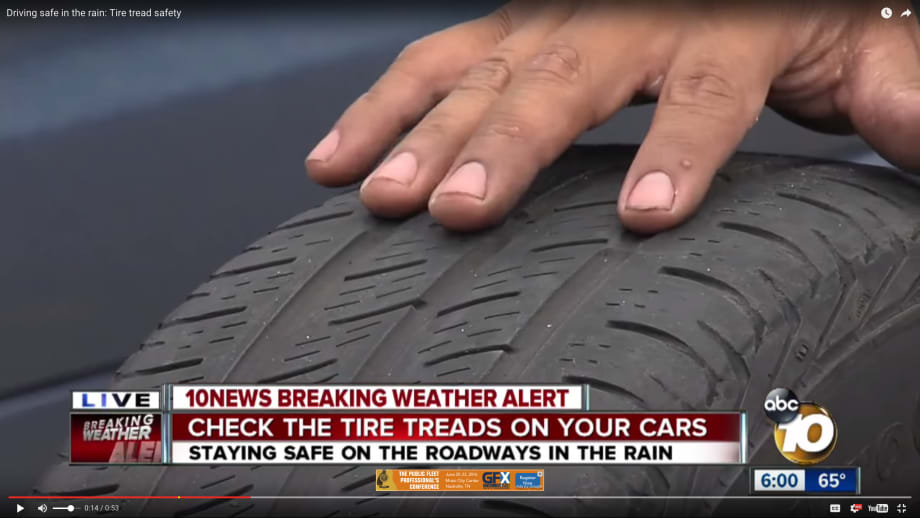
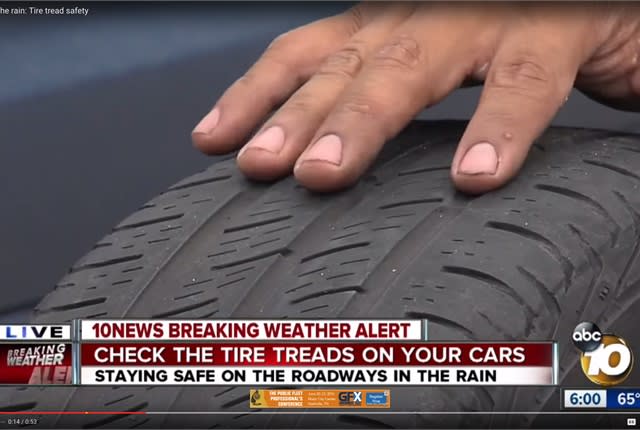
Through May 9, Baltimore had seen 13 straight days of rain. This week, in fact, showers are forecast for much of the country, meaning there will be plenty of slick roads out there.
Many rainy-day crashes result from skidding on bald or nearly bald tires. Now is a good time to remind fleet drivers of the importance of regular tire maintenance.
(To view a brief video offering tips on checking tire tread, click on the photo or link below the headline.)
Here are some tire maintenance tips provided by Goodyear:
Maintain inflation pressure at the recommended level. This level is shown on the vehicle placard or in your vehicle owner’s manual. Remember, maintaining proper inflation is the single most important thing a driver can do to promote tire durability and prolong tread life. Under-inflation is the leading cause of tire failure and may result in severe cracking, component separation, or “blowout.”
Avoid excessive tire spinning when your vehicle is stuck in snow, ice, mud, or sand. The centrifugal forces generated by a free-spinning tire/wheel assembly may cause sudden tire explosion.
Check your tires for wear regularly. For cars, always remove tires from service when they reach 2/32-inch (.16 cm) remaining tread depth. All new tires have tread-wear indicators, which appear as smooth banks in the tread grooves when they wear to the 2/32-inch level.
Frequently check your tires for damage. Look for impacts, penetrations, cracks, knots, bulges, or air loss. Never perform a temporary repair. Only qualified people should repair tires.
Don’t overload your vehicle. Check your vehicle owner’s manual to determine the load limits. Overloading places stress on your tires and other critical vehicle components.
Make sure tires are rotated to the vehicle manufacturer’s recommendations or at maximum intervals of 6,000 miles.
Never just ignore the tire pressure monitoring system alert. Address the problem as soon as possible.
For tips more specifically suited for work trucks, click here.
Originally posted on Automotive Fleet
More Safety & Compliance

GeoFencing Adds to Your Truck Security Arsenal
Geofencing is a familiar fleet tool today, but its early adoption marked a major shift in vehicle tracking, route monitoring, and the debate over employee privacy.
Read More →
Recalls You Need to Know About in October 2026
In October 2026, what recalls might impact your fleet? Work Truck has the answers in this comprehensive overview of recent NHTSA recalls.
Read More →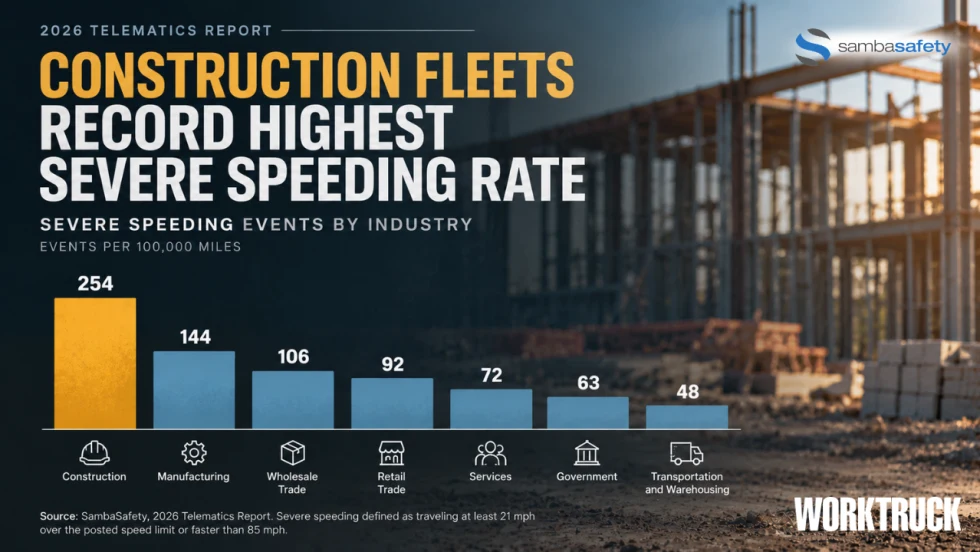
Construction Fleets Show Telematics Adoption Alone May Not Reduce Driving Risk
SambaSafety found construction fleets monitor roughly 92% of their vehicles but recorded the highest severe speeding rate among industries studied.
Read More →From Our Partners




Lytx Launches 360 Hub Kit for Expanded Fleet Camera Visibility
Lytx’s new AI-ready gateway and HD auxiliary camera ecosystem, the Lytx 360 Hub Kit, extends visibility across side, rear, cargo, and blind-zone views to help fleets see more and respond faster.
Read More →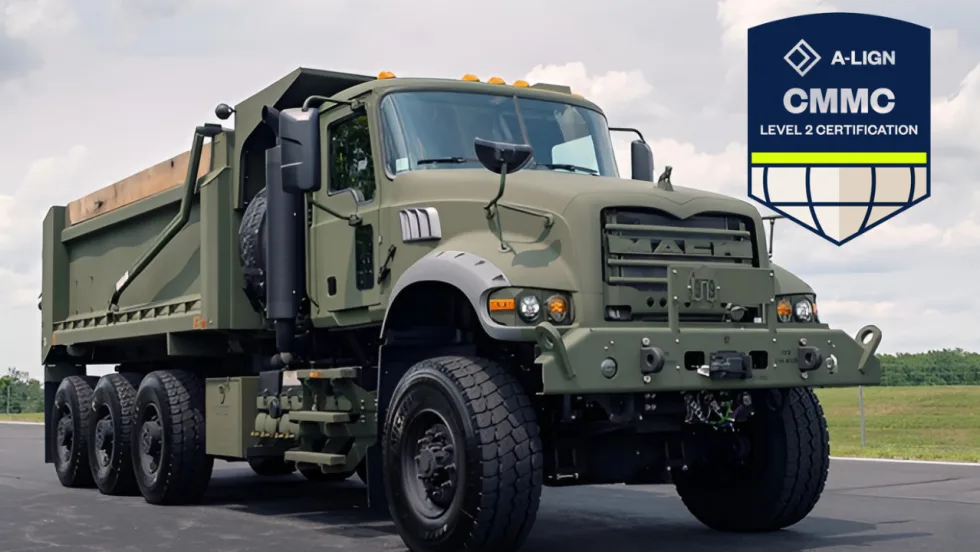
Mack Defense Achieves Cybersecurity Maturity Model Certification Level 2
After an assessment conducted by an authorized Certified Third-Party Assessment Organization (C3PAO), Mack Defense has achieved Cybersecurity Maturity Model Certification (CMMC) Level 2.
Read More →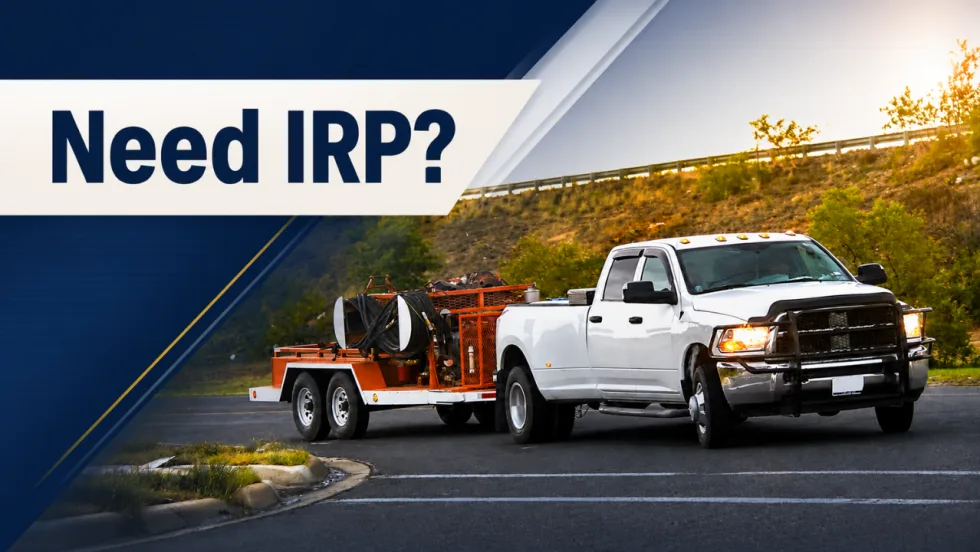
When Work Trucks Under 26,001 Pounds Need IRP Registration
Think trucks under 26,001 pounds are automatically in the clear when it comes to IRP? Not always. Learn where lighter vehicles can still run into trip permit, apportioned registration, and IFTA compliance requirements when crossing state or provincial lines.
Read More →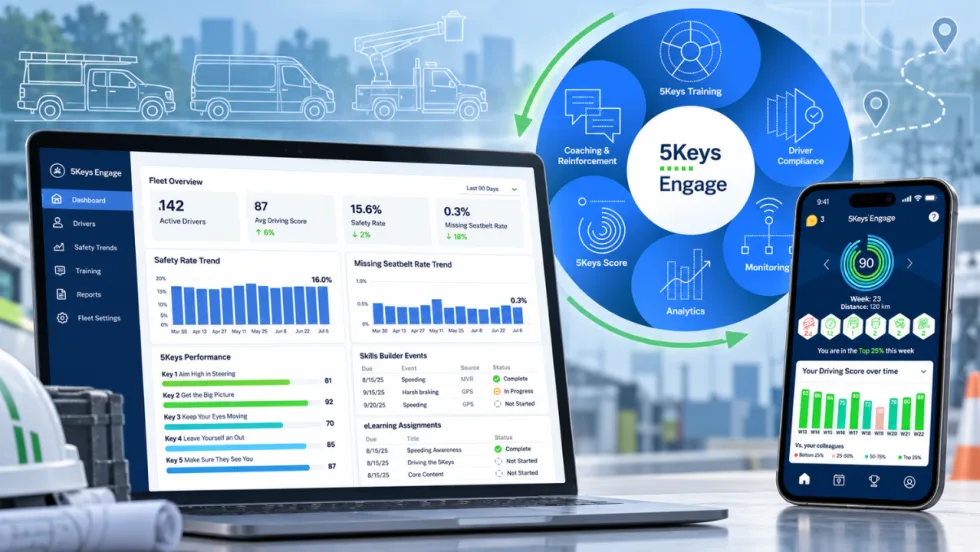
Smith System Wants Work Truck Fleets to Look Beyond the Driver Alert
Smith System’s new Driver Risk Management program is built to help mixed work truck fleets turn telematics alerts and observations into specific behaviors, coaching actions, and measurable follow-up.
Read More →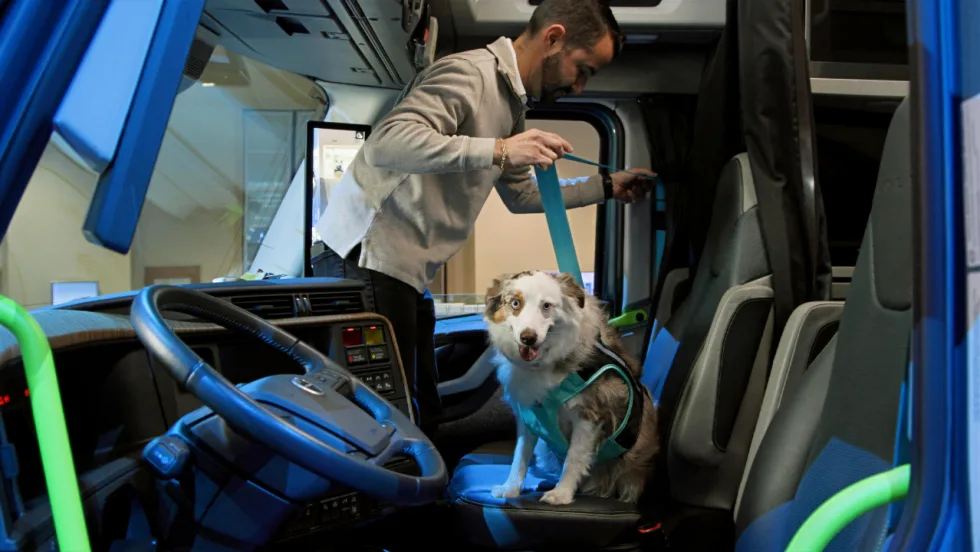
Volvo Trucks Releases New Safety Recommendations for Traveling with Pets
One of the most important recommendations for professional drivers traveling with pets is to ensure pets are properly restrained while the truck is moving. Other tips are available in the new guide from Volvo Trucks North America and Center for Pet Safety.
Read More →
Are Work Truck Drivers Warming Up to Dash Cams and GPS Tracking?
A new survey finds field-service drivers may be more comfortable with dash cams and GPS tracking than fleet managers think, especially when the technology helps protect them after a crash.
Read More →
Recalls You Need to Know About in September 2026
If you have Altec, Chrysler, Ford, Heil, General Motors, International, Mack Trucks, Paccar, Rivian, Royal Truck, Toyota, US Truck Body, or Volvo Trucks vehicles in your fleet, you should check these important recalls issued by the National Highway Safety Administration.
Read More →