




FedEx Report Shows 15.1% Fleet Fuel Economy Improvement as of 2010
MEMPHIS, TN – FedEx released its 2010 Global Citizenship update, which had insight into how the company is improving its fleet’s fuel economy, the alternative-fuel vehicles it’s using and the company’s routing technologies.
MEMPHIS, TN – FedEx released its 2010 Global Citizenship update, which provided insight into how the company is improving its fleet’s fuel economy, the alternative-fuel vehicles it’s using and related CO2 emissions reductions, and the benefits the company's routing system offers.
The company’s report shows it was able to reduce the amount of fuel consumed by 276,000 gallons with its fleet of 408 electric-vehicle and hybrid-electric vehicles. This also reduced CO2 emissions by nearly 2,800 metric tons. In terms of overall fleet fuel efficiency, the company was able to improve its fuel economy by a total of 15.1 percent in 2010 since it started focusing on this effort in fiscal-year 2006. The company's goal is to have improved fleet fuel efficiency by 20 percent by 2020.
The company also recently announced that it is rolling out 4,000 new trucks for its FedEx Express division (primarily BlueTEC clean diesel Sprinter vans), which is part its efforts to meet its fuel-efficiency goals.
One of the more interesting items mentioned in the report is the company’s routing technology, which it calls Route Optimization and Decision Support (ROADS). The company said this helps it streamline everything in its FedEx Express operations, from sorting and loading packages to delivering them. The computer-assisted planning provided by ROADS helps FedEx Express station managers change vehicle routes daily regardless of the volume of incoming packages. The system also creates “what-if” scenarios to help managers alter their delivery zone boundaries. The system is also used to help train new employees by helping them make better routing decisions. The company said it uses the ROADS system when a region experiences weather that disrupts normal routes to redraw territory boundaries, for example in areas hit by flooding, tornadoes, snowstorms, or other types of inclement weather.
The report also discussed its Eco-Driving program that it began in Japan. FedEx collaborated with Isuzu to create the program. The program identified 20 actions that can decrease fuel use and emissions, including gentle acceleration, flat speed, early-off acceleration, careful use of air-conditioning, and idle-time reduction. The report said FedEx is using stickers in the vehicles to help reinforce program principles. FedEx said it plans to roll out this program globally but will first use it in the near future in Asia.
Originally posted on Automotive Fleet
More Fuel

The Smart Way to Build a Mixed-Energy Fleet Isn’t About Picking a Side
Mixed-energy fleets aren’t about picking a winning fuel. Sarah Booth of WEX explains how vehicle data, duty cycles, charging strategy, and real-world costs can help fleets choose the right energy source for each job.
Read More →
Ignoring This Dashboard Warning Could Cost Your Fleet Thousands in Fuel
New research suggests neglected diesel aftertreatment systems could waste up to $30 in fuel per vehicle each day. Here's why vocational fleets should pay attention.
Read More →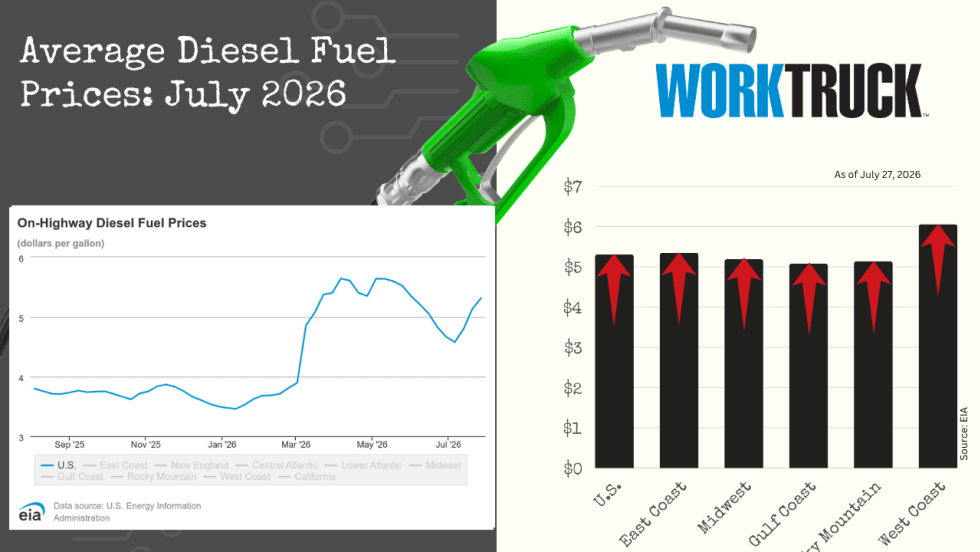
July Diesel Trends Update
The average price of a gallon of diesel increased again this week, and the EIA reported a new national average of $5.31 at the start of the week.
Read More →
WEX Brings Standard Fleet's Connected Vehicle Platform to Fleet Customers
This week’s product launch with Standard Fleet’s connected vehicle platform reflects WEX Venture Capital's strategy of turning startup innovation into customer solutions. Standard Fleet is now available to WEX fleet customers.
Read More →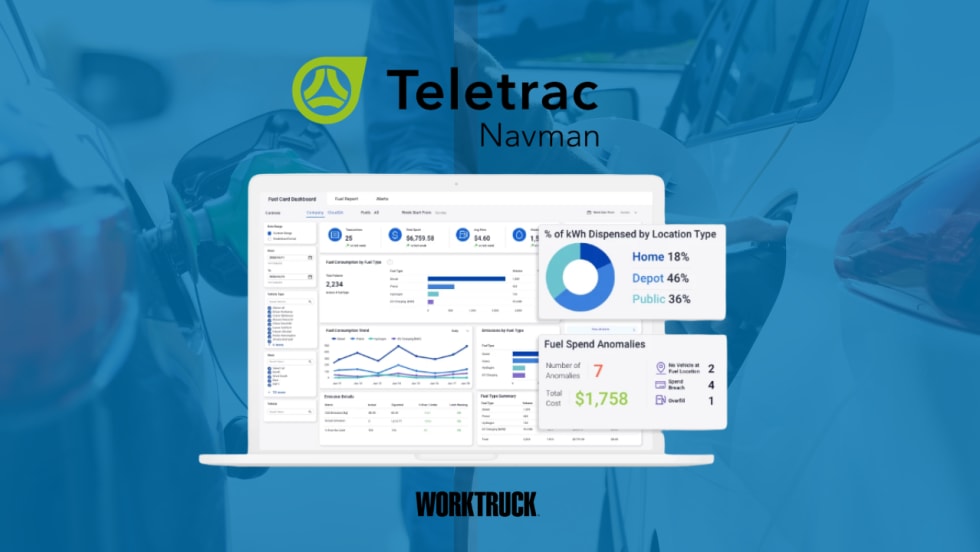
Teletrac Navman Adds Mixed-Energy Fleet Tools to TN360
The new Energy Hub combines fuel transactions, EV charging data, vehicle range, and energy costs in one dashboard for fleets operating multiple vehicle and energy types.
Read More →
WEX DriverDash adds CITGO, Expands Nationwide Access for Fleets
The DriverDash mobile payment app, by WEX, has been integrated into the CITGO merchant network, which means WEX has expanded its U.S. station footprint with the addition of approximately 4,000 CITGO locations.
Read More →
Mixed Energy Fleet Tips for Balancing EVs, Gas and Diesel Vehicles
Mixed energy fleets are becoming the new normal. Learn how fleet managers are balancing EVs, gas and diesel vehicles while controlling costs and planning for the future.
Read More →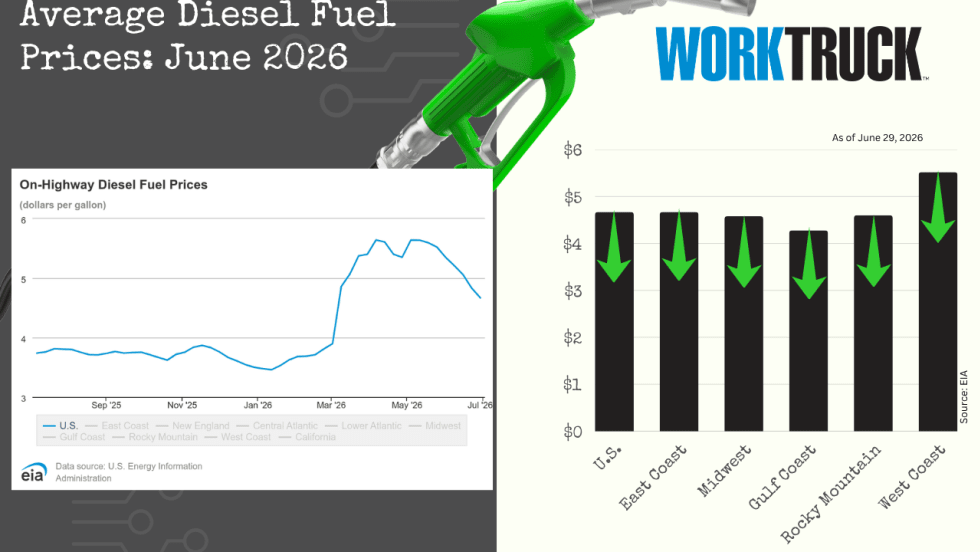
June Diesel Trends Update
The national average price of a gallon of diesel has dropped again, this week by more than 16 cents. All five regions reported lower average prices, ranging from almost 13 cents to more than 28 cents cheaper than a week ago.
Read More →
RoadFlex Launches RoadFlex Direct Open API Platform
RoadFlex Direct connects fuel cards, controls, and data to the telematics and fleet management systems fleets already run, from Geotab and Samsara to Fleetio and RTA, with no separate dashboard or double data entry.
Read More →
The Key to Fuel Efficiency Sits in the Cab
Learn how driver behavior, telematics, coaching, and fuel data can help fleets improve fuel efficiency, lower costs, and reduce emissions.
Read More →