




FedEx Drivers Are Employees Not Contractors, Court Rules
The U.S. Ninth Circuit Court of Appeals on Wednesday ruled two classes of individuals working for FedEx Ground in California and Oregon were misclassified as independent contractors instead of employees.


The U.S. Ninth Circuit Court of Appeals on Wednesday ruled two classes of individuals working for FedEx Ground in California and Oregon were misclassified as independent contractors instead of employees.
The decision by a three-judge panel in Portland reversed an earlier decision. It allows the groups to move forward with their litigation and pursue claims under federal and state laws.
The ruling stems from lawsuits originally filed in California involving about 2,300 full-time delivery drivers between 2000 and 2007, and two suits filed in Oregon involving more than 360 people who were full-time delivery drivers between 1999 and 2009.
FedEx may owe its workforce of drivers millions of dollars for shifting to these drivers the costs of such things as the FedEx branded trucks, FedEx branded uniforms, and FedEx scanners, as well as missed meal and rest period pay, overtime compensation, and penalties.
FedEx said it would appeal the decision.
"We fundamentally disagree with these rulings, which run counter to more than 100 state and federal findings, including the U.S. Court of Appeals for the D.C. Circuit, upholding our contractual relationships with thousands of independent businesses," FedEx Ground Senior Vice President and General Counsel Cary Blancett said in a statement.
The court’s finding in this latest ruling that drivers in California are covered by California’s workplace protection statutes not only impacts one of FedEx Ground’s largest workforces, but also could influence the outcome in over two dozen cases nationwide in which FedEx Ground drivers are challenging the legality of their independent contractor classification, according a release from the law firm Leonard Carder, which represented the California plaintiffs.
“FedEx Ground built its business on the backs of individuals it labeled as independent contractors, promising them the entrepreneurial American dream,” said Leonard Carder Attorney Beth A. Ross.
According to the law firm, FedEx now requires its independent contractors in California to hire a secondary workforce of FedEx drivers, who do the same work as the plaintiffs under the same contract. The decision calls into question FedEx’s strategy of making plaintiffs the middle men between the secondary workforce of drivers and FedEx.
“We have heard of many instances where the secondary drivers are earning such low wages that they have to rely on public assistance to make ends meet,” said Ross.
Originally posted on Automotive Fleet
More Operations
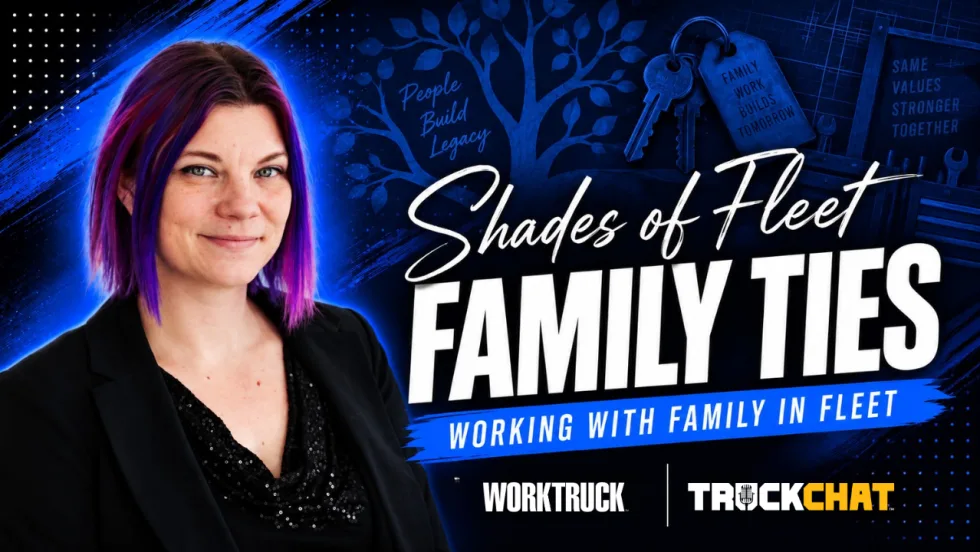
Family Ties Inside the Fleet Families Building Careers Across Generations
Three fleet families share what it really takes to work together, learn across generations, and keep business from following them home.
Read More →
Shades of Fleet Call for Voices: Fleet's Hidden Heroes
Fleet’s hidden heroes are often the ones keeping everything moving behind the scenes. September’s Shades of Fleet is looking for dispatchers, coordinators, parts specialists, and other support pros to share their stories.
Read More →
Truck Centers, Inc. Celebrates National Truck Driver Appreciation Week with $1,000 Fuel Card Giveaways
During National Truck Driver Appreciation Week, Truck Centers, Inc. is offering customers a chance to fuel up for free. Customers at all Truck Centers locations can enter to win one of four $1,000 fuel cards from Sept. 14 - 18.
Read More →
Fleet Guides, AI Time-Savers, Truck Tariffs & Fuel Strategy Lead the News
This week’s Truck Chat Cheat Sheet covers new fleet vehicle guides, practical AI use cases, U.S.-Canada truck production, mixed-energy strategy, and more.
Read More →
What Fleet Employers Are Missing When Hiring Veterans
What if some of the strongest candidates for fleet are already out there, but their experience is written in a language our industry does not always recognize?
Read More →
Automotive Fleet Opens 2026 Personal Use Survey for Commercial Fleet Managers
Less than two weeks left! Commercial and corporate fleet managers are invited to share how their organizations handle company vehicle personal-use policies, charges, and driver eligibility.
Read More →
What Resilient Fleets Do Differently When Conditions Change
Fleet resilience is about more than reacting to disruption. Lauren Fletcher talks with AP Fleet’s Alex Coveney about flexibility, planning, scaling, and what helps fleets adapt when business conditions shift.
Read More →
If We Want the Next Generation in Automotive, We Have to Give Them a Reason to Care
The automotive industry talks constantly about its workforce shortage. But before we can recruit the next generation, we may need to do a better job giving kids a reason to care about automotive in the first place.
Read More →
Ram ProMaster City Under $40K, Truck Tariffs, and AI Maintenance Lead the News
A sub-$40K commercial van, tariff questions, AI-powered maintenance, and a new EV production strategy headline this week’s Truck Chat Cheat Sheet.
Read More →
Bob Adamsky Shares the Fleet Lessons You Usually Learn the Hard Way
After more than 30 years in fleet, Arrow International’s Bob Adamsky has learned that the job is about far more than vehicles. He shares the lessons he wishes every fleet manager could learn a little earlier.
Read More →