




FCCC Receives Esteemed Daimler Environmental Leadership Award
GAFFNEY, SC - A leader in sustainability efforts in the trucking industry, Freightliner Custom Chassis Corporation (FCCC) recently received the Environmental Leadership Award from Daimler AG.
GAFFNEY, SC - A leader in sustainability efforts in the trucking industry, Freightliner Custom Chassis Corporation (FCCC) recently received the Environmental Leadership Award from Daimler AG.
The award recognizes initiatives within the vast Daimler organization that enhance environmental protection and sustainability. FCCC took top honors in the "Extraordinary Efforts for the Environment" category and was one of three Daimler Trucks North America (DTNA) projects, and one of just ten projects worldwide, to be recognized during a ceremony recently in Stuttgart, Germany.
FCCC's application, "The Evolution of Environmental Responsibility at FCCC," focused upon its Zero Waste to Landfill efforts at its headquarters and manufacturing facility in Gaffney, S.C.
In October 2009, FCCC became the first chassis manufacturer and first company within the trucking industry to reach Zero Waste to Landfill status in the United States, achieving its goal three months ahead of schedule.
"We're honored that Daimler AG recognized FCCC's commitment to reducing our carbon footprint within our manufacturing facility and company headquarters," Bob Harbin, president of FCCC said. "It is our goal to continue to lessen our environmental impact, while remaining focused on engineering and designing new alternative-fuel chassis that will help our customers reduce their carbon footprint as well. As evidence of our sustainability efforts, FCCC will persist in its efforts to look for ways to improve our environment both at the plant and with our energy-saving products."
[PAGEBREAK]
FCCC's Zero Waste to Landfill program and comprehensive recycling efforts resulted in elimination of solid waste disposal throughout its entire facility. Joining an elite group of solid waste-free manufacturing facilities in the United States, FCCC went from disposing 250,000 pounds per month of solid waste in January 2007 to disposing zero pounds by October 2009.
The FCCC facility recycles materials such as plastic, paper, aluminum, cardboard, metals, wood and nylon. The company's commitment to clean air technologies is in line with Daimler AG's global initiative called "Shaping Future Transportation." Launched in November 2007 in Stuttgart, Germany, the initiative is focused on reducing category emissions pollutants, carbon dioxide and fuel consumption.
"The FCCC Green Team led by Bill Harris, with support from DTNA, channeled extraordinary energy into the Zero Waste to Landfill effort, allowing the company to achieve that status three months earlier than our original target," Harbin said. "All of our employees at FCCC stepped up to the plate to make this achievement possible."
Earlier in March 2010, the South Carolina Department of Environmental Health and Control honored FCCC with a special recognition award for the company's environmental efforts.
The FCCC manufacturing facility also was recognized by the EPA's WasteWise Program in March 2008 for its waste reduction achievement and was accepted as a WasteWise partner. WasteWise engages government, businesses and nonprofit organizations to educate others about the benefits of reducing solid waste.
In February 2009, FCCC was accepted into the South Carolina Environmental Excellence Program (SCEEP) for its Zero Waste to Landfill efforts. SCEEP is a voluntary initiative designed to recognize and reward South Carolina facilities that have demonstrated environmental performance through pollution prevention, energy and resource conservation, and the use of an environmental management system.
More Green Fleet

Fleet Forward Conference Introduces One-Day Passes for 2026
New one-day registration gives fleet professionals the flexibility to attend Tuesday, Wednesday, or Thursday, with passes available for $199 through Sept. 18.
Read More →
CALSTART Rebrands as Catalyst Mobility, Will Combine with Forth in 2027
CALSTART has rebranded as Catalyst Mobility and will combine with Forth at the start of 2027. The new organization said it is poised to become one of the world's largest, strongest, and most impactful clean transportation nonprofits.
Read More →
Electric Truck and Charging Programs to Boost Sustainability at NY & NJ Ports
Together, the Port Authority of New York and New Jersey and CALSTART will electrify drayage and terminal operations serving the East Coast’s busiest container port. A pair of incentive programs totaling $45 million has launched to accelerate adoption of zero-emission drayage trucks and terminal tractors.
Read More →

The Smart Way to Build a Mixed-Energy Fleet Isn’t About Picking a Side
Mixed-energy fleets aren’t about picking a winning fuel. Sarah Booth of WEX explains how vehicle data, duty cycles, charging strategy, and real-world costs can help fleets choose the right energy source for each job.
Read More →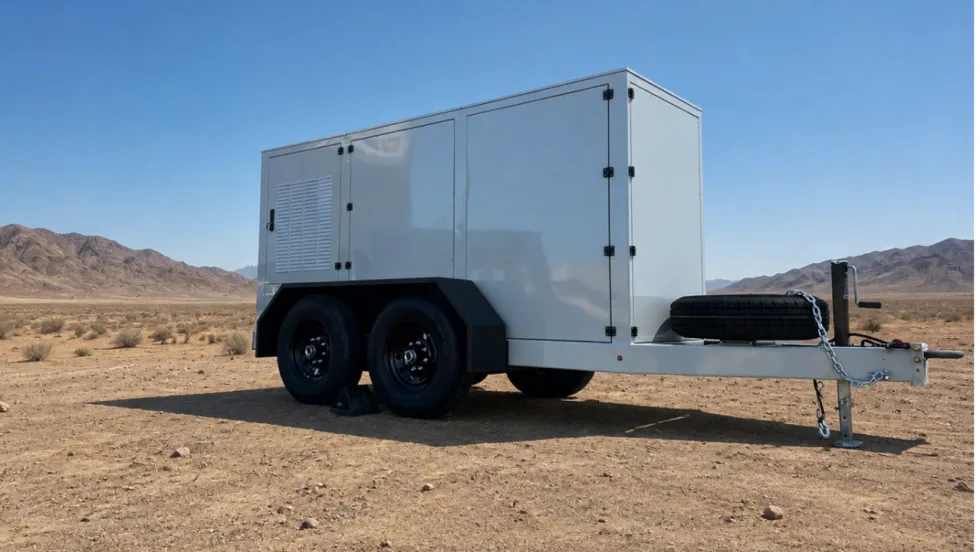
Xos Hub Surpasses One Gigawatt-Hour of Energy Delivered in the Field
A single Xos Hub has surpassed one gigawatt-hour of energy across more than 33,600 charging sessions in the field, demonstrating performance that supports Xos' expansion across new products and markets.
Read More →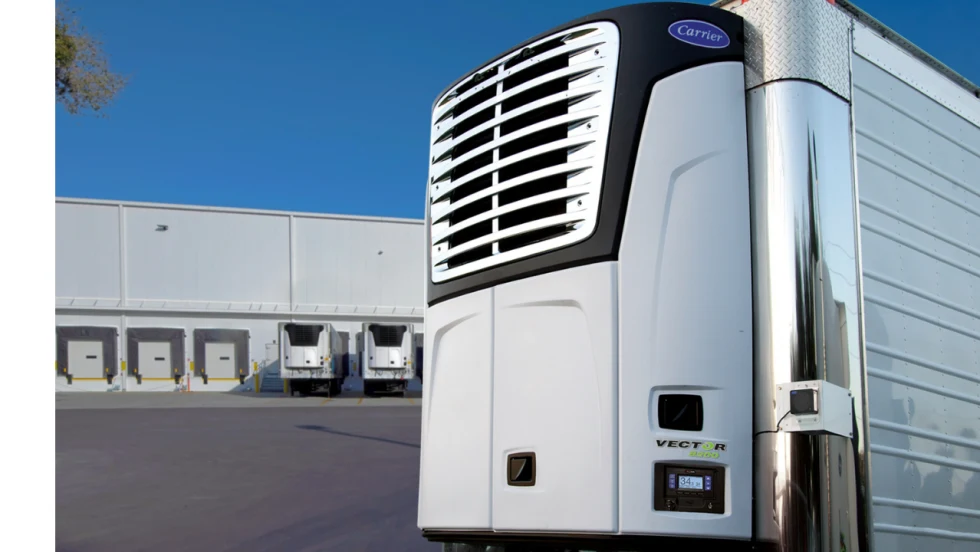
Carrier Transicold Launches All-Electric Vector 8200 TRU for Diesel-Free On-Site Cold Storage
Carrier Transicold’s first engineless multi-temperature TRU helps fresh- and frozen-food fleets add supplemental cold storage capacity during seasonal peaks.
Read More →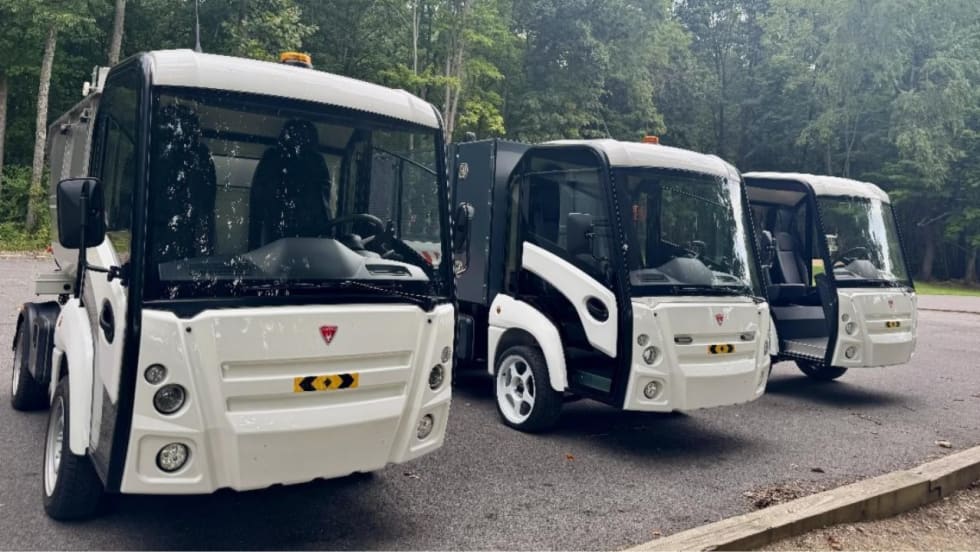
Narro Trucks Introduces Electric Utility Vehicle
Narro Trucks officially launched its operations on Aug. 20 and hosted a ride and drive to showcase its electric truck, which will be produced in Virginia.
Read More →
Samsung SDI Takes Full Control of GM Battery JV as Indiana Plant Pivots to Energy Storage
Samsung SDI is taking full control of its Indiana battery plant with GM, marking a major shift from the EV-focused joint venture Charged Fleet first covered in 2023.
Read More →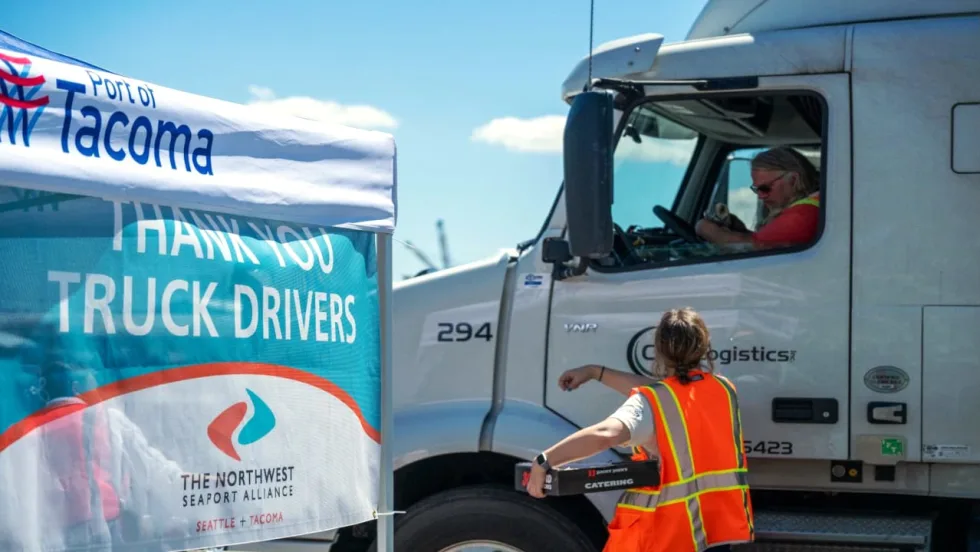
NWSA Taps CALSTART to Administer Zero-Emission Drayage Assistance Program
CALSTART will provide free technical assistance services to drayage fleets serving the Ports of Seattle and Tacoma and looking to transition to cleaner technologies and help decarbonize freight hubs.
Read More →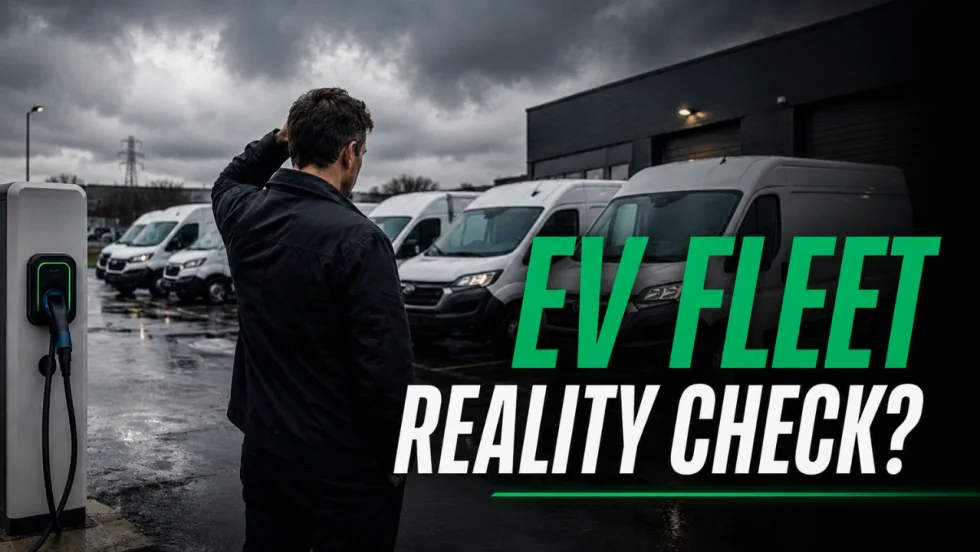
EV Fleet Reality Check: What Operators Wish They Knew Before Electrifying Their Work Vans
Electric work truck upfits bring new compatibility questions. Learn how parts availability, OEM guidance, power demands, and route planning can affect fleet performance.
Read More →