




EPA Accuses FCA of Excess Diesel Emissions
The U.S. EPA has accused Fiat Chrysler of failing to disclose engine management software that increased air pollution in 104,000 diesel-powered Ram 1500 trucks and Jeep Grand Cherokee SUVs in the 2014 to 2016 model years.
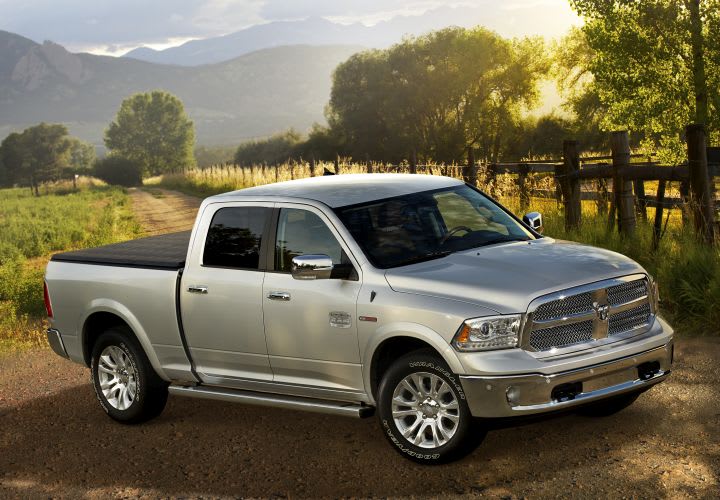
Photo of Ram 1500 EcoDiesel courtesy of FCA.
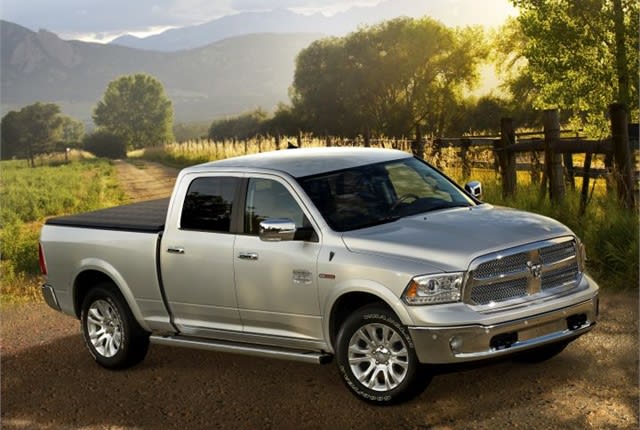
Photo of Ram 1500 EcoDiesel courtesy of FCA.
The U.S. Environmental Protection Agency has accused Fiat Chrysler Automobiles of failing to disclose engine management software that increased air pollution in 104,000 diesel-powered Ram 1500 trucks and Jeep Grand Cherokee SUVs in the 2014 to 2016 model years.
The engine used in the vehicles emitted increased levels of nitrogen oxides, the EPA has determined. The 3.0L 24-valve, dual-overhead-cam (DOHC) EcoDiesel is a turbocharged 60-degree V-6 that's supplied by VM Motori, which is based in Cento, Italy.
In a statement, FCA said it was disappointed that the EPA sent the company a notice of violation regarding its 3.0L diesel engines.
"FCA US intends to work with the incoming administration to present its case and resolve this matter fairly and equitably and to assure the EPA and FCA US customers that the company’s diesel-powered vehicles meet all applicable regulatory requirements," according to a company statement.
Photo of 3.0L V-6 EcoDiesel
The increased emissions would violate the federal Clean Air Act, the agency charged.
“Failing to disclose software that affects emissions in a vehicle’s engine is a serious violation of the law, which can result in harmful pollution in the air we breathe,” said Cynthia Giles, assistant administrator for EPA's Office of Enforcement and Compliance Assurance. “We continue to investigate the nature and impact of these devices. All automakers must play by the same rules, and we will continue to hold companies accountable that gain an unfair and illegal competitive advantage.”
In a news conference following the EPA announcement, Fiat Chrysler CEO Sergio Marchionne said drawing comparisons between Fiat Chrysler’s software and the Volkswagen software that purposely deceives testing equipment is "absolute nonsense," reports the Detroit News.
"There is nothing in common between the VW reality and what we are describing here," he told reporters during a conference call shortly after the EPA’s announcement. "The dispute that is going on now between the EPA and the FCA is whether the calibration that was filed (during testing to certify emission requirements) was a calibration that met all regulations."
The California Air Resources Board also issued a notice of violation to FCA.
“Once again, a major automaker made the business decision to skirt the rules and got caught," said CARB Chair Mary D. Nichols. “CARB and U.S. EPA made a commitment to enhanced testing as the Volkswagen case developed, and this is a result of that collaboration.”
FCA believes "that its emission control systems meet the applicable requirements" and has been communicating with the EPA on the topic.
"FCA US has spent months providing voluminous information in response to requests from EPA and other governmental authorities and has sought to explain its emissions control technology to EPA representatives," the company said. "FCA US has proposed a number of actions to address EPA's concerns, including developing extensive software changes to our emissions control strategies that could be implemented in these vehicles immediately to further improve emissions performance."
Whether the violations are as serious as those leveled against Volkswagen remains to be seen, because the EPA said the agency must still determine whether FCA installed an illegal "defeat device," which can help a higher emissions vehicle evade detection during testing.
“We need to be careful not to jump to the conclusion that the Fiat Chrysler diesel situation is the same as the Volkswagen one,” said Michelle Krebs, senior analyst for Autotrader. “It is clear that the Volkswagen diesel debacle prompted regulators to more closely scrutinize all diesels and obviously they noticed some issues with Fiat Chrysler.”
On Jan. 11, Volkswagen agreed to pay $4.3 billion in criminal and civil penalties, as well as plead guilty to three felonies relating to its diesel scandal.
Cummins issued a statement following the FCA announcement, clarifying that it did not supply the engines mentioned in the EPA's notice of violation. Cummins provides a 6.7L inline-6 for the Ram 2500 and Ram 3500.
"Cummins does not use defeat devices and is committed to meeting emissions standards," according to the statement. "Cummins has a long history of working transparently and collaboratively with regulators to develop and meet emissions requirements."
Originally posted on Automotive Fleet
More Green Fleet

Fleet Forward Conference Introduces One-Day Passes for 2026
New one-day registration gives fleet professionals the flexibility to attend Tuesday, Wednesday, or Thursday, with passes available for $199 through Sept. 18.
Read More →
CALSTART Rebrands as Catalyst Mobility, Will Combine with Forth in 2027
CALSTART has rebranded as Catalyst Mobility and will combine with Forth at the start of 2027. The new organization said it is poised to become one of the world's largest, strongest, and most impactful clean transportation nonprofits.
Read More →
Electric Truck and Charging Programs to Boost Sustainability at NY & NJ Ports
Together, the Port Authority of New York and New Jersey and CALSTART will electrify drayage and terminal operations serving the East Coast’s busiest container port. A pair of incentive programs totaling $45 million has launched to accelerate adoption of zero-emission drayage trucks and terminal tractors.
Read More →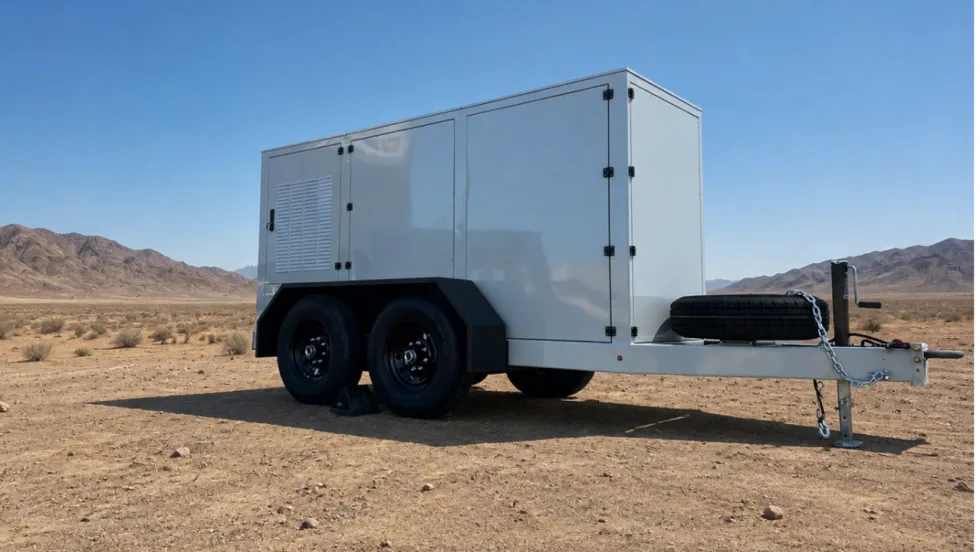
Xos Hub Surpasses One Gigawatt-Hour of Energy Delivered in the Field
A single Xos Hub has surpassed one gigawatt-hour of energy across more than 33,600 charging sessions in the field, demonstrating performance that supports Xos' expansion across new products and markets.
Read More →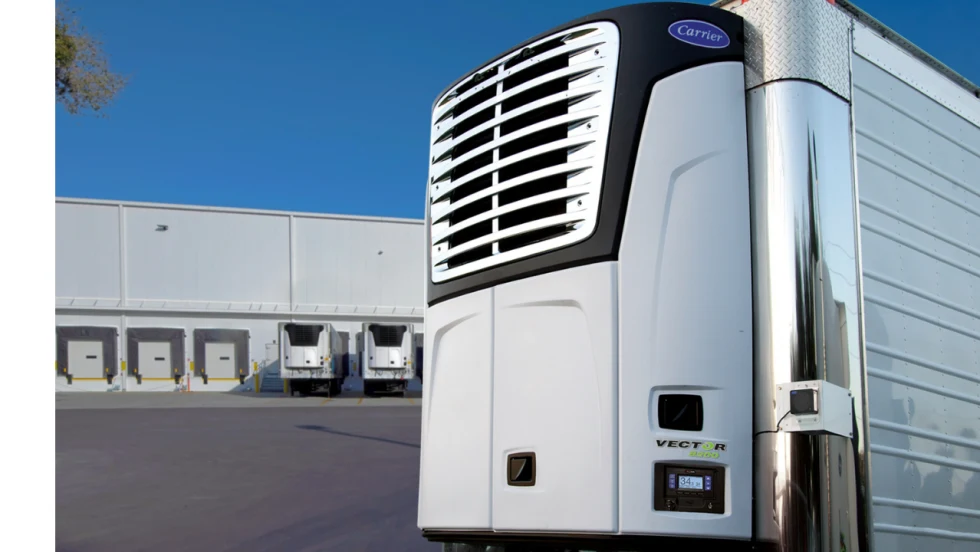
Carrier Transicold Launches All-Electric Vector 8200 TRU for Diesel-Free On-Site Cold Storage
Carrier Transicold’s first engineless multi-temperature TRU helps fresh- and frozen-food fleets add supplemental cold storage capacity during seasonal peaks.
Read More →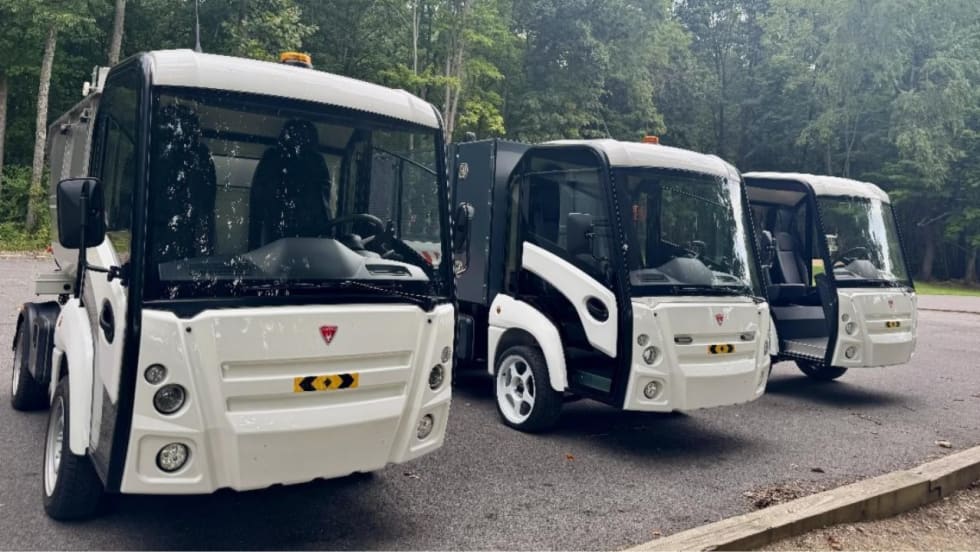
Narro Trucks Introduces Electric Utility Vehicle
Narro Trucks officially launched its operations on Aug. 20 and hosted a ride and drive to showcase its electric truck, which will be produced in Virginia.
Read More →
Samsung SDI Takes Full Control of GM Battery JV as Indiana Plant Pivots to Energy Storage
Samsung SDI is taking full control of its Indiana battery plant with GM, marking a major shift from the EV-focused joint venture Charged Fleet first covered in 2023.
Read More →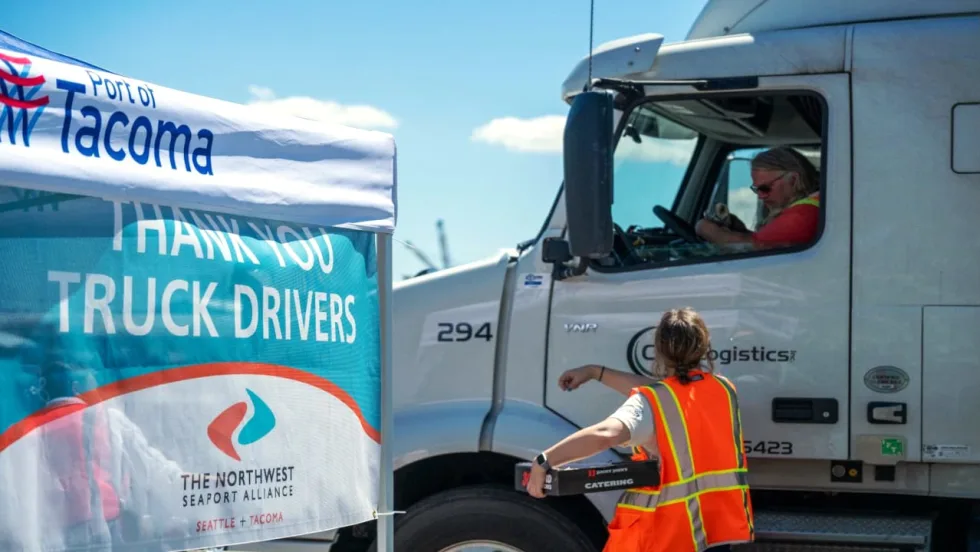
NWSA Taps CALSTART to Administer Zero-Emission Drayage Assistance Program
CALSTART will provide free technical assistance services to drayage fleets serving the Ports of Seattle and Tacoma and looking to transition to cleaner technologies and help decarbonize freight hubs.
Read More →
EV Fleet Reality Check: What Operators Wish They Knew Before Electrifying Their Work Vans
Electric work truck upfits bring new compatibility questions. Learn how parts availability, OEM guidance, power demands, and route planning can affect fleet performance.
Read More →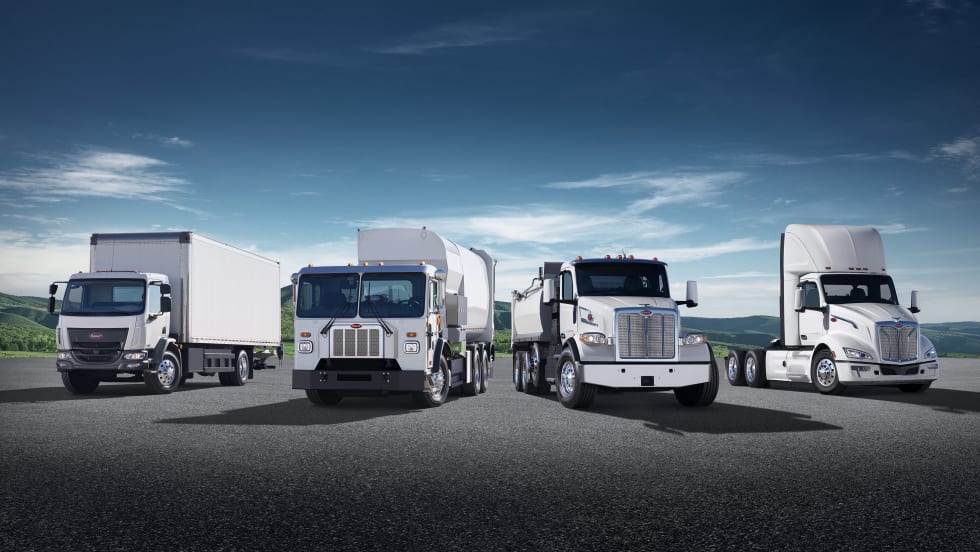
Peterbilt Expands Sourcewell Partnership with Electric Vehicle Lineup
Peterbilt Motors Company’s cooperative purchasing agreement with Sourcewell and its Canadian partner, Canoe Procurement Group, now includes including Peterbilt's battery-electric vehicle lineup.
Read More →