




Employers With Mixed-Class Fleets Could Lose the Motor Carrier OT Exemption
ROCHESTER, NY– The decision by a federal district court in New York applies to employees otherwise exempt from overtime under the Motor Carrier Act who drive vehicles that weigh less than 10,000 lbs. during a normal workweek.
ROCHESTER, NY - A decision by a federal district court in New York now requires employers to pay overtime for specific employees. The decision applies to those who were otherwise exempt from overtime under the Motor Carrier Act who drive vehicles that weigh less than 10,000 lbs. during a normal workweek. (You can view a PDF of the court document here.)
In the case Hernandez v. Alpine Logistics, LLC, 2011, (U.S. Dist. LEXIS 96708), the plaintiffs were employed as delivery drivers and were responsible for picking up and delivering packages in and around Rochester, New York. They filed a class action lawsuit against their employer for not paying overtime based on the Fair Labor Standards Act (FLSA) and the State of New York’s labor law.
Alpine Logistics had a fleet of 26 vehicles, two of which weighed more than 10,000 lbs. The rest of the vehicles in the fleet weighed 10,000 lbs. or less. According to the court document, any of Alpine’s employees could be required to drive any of the vehicles in the fleet.
Alpine Logistics argued that the employees weren’t eligible for overtime compensation under the Motor Carrier Act. However, the plaintiffs argued that due to an amendment to the FLSA that went into effect on June 7, 2008, they were entitled to overtime compensation.
The judge found in late August, 2011 that the plaintiffs were entitled to overtime compensation for the overtime hours worked in which they qualified as “covered employees” under the FLSA.
A “covered employee” is defined as an individual whose work, in whole or in part, is defined as “that of a driver, driver's helper, loader, or mechanic”... “as affecting the safety of operation of motor vehicles weighing 10,000 pounds or less in transportation on public highways in interstate or foreign commerce” ... “who performs duties on motor vehicles weighing 10,000 pounds or less.”
The only exceptions to this rule are vehicles designed or used to transport more than 8 passengers (including the driver) for compensation; those designed or used to transport more than 15 passengers (including the driver) and not used to transport passengers for compensation; or those used in transporting material deemed hazardous by the Secretary of Transportation, and transported in a quantity requiring placarding (under regulations prescribed by the Secretary).
According to a post by Michael Gregg on the employment law firm Littler Mendelson’s website (Michael Gregg is a Shareholder in Littler Mendelson's Orange County office), this ruling could create additional financial burdens and exposure for companies with mixed fleets.
Also, the decision in this case may create added regulatory and recordkeeping obligations for companies with mixed vehicle fleets by subjecting employees to the dual jurisdiction of the U.S. Department of Transportation and the Department of Labor.
By Greg Basich
Originally posted on Automotive Fleet
More Operations
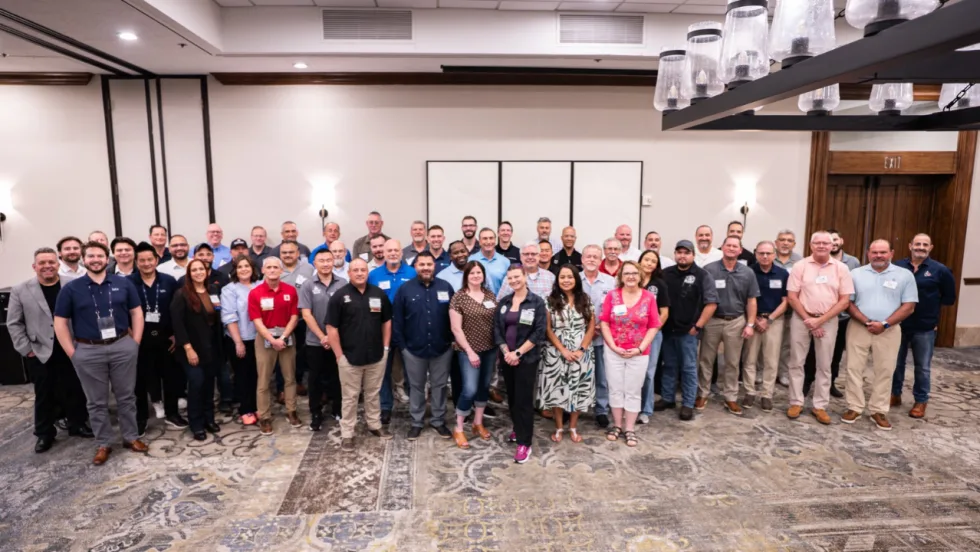
Fleet Conversations and Connections at Work Truck Exchange 2026
Fleet connections, friendly competition, and a few flying axes. See the people and moments that brought Work Truck Exchange 2026 to life.
Read More →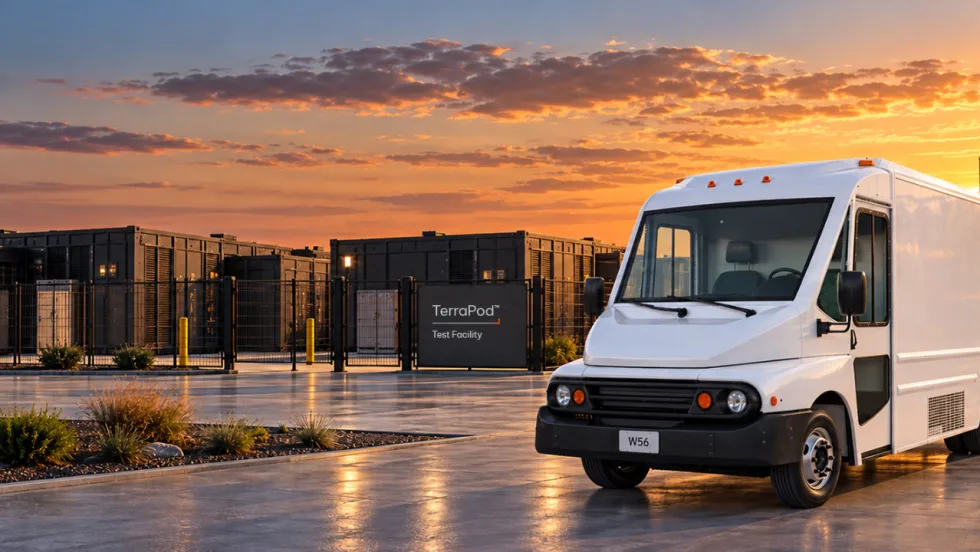
Workhorse Enters Modular AI Infrastructure Market Through TerraPod Partnership with RHAELM
Workhorse’s initial agreement with RHAELM is to develop a full-scale TerraPod manufacturing spec unit, then a non-binding letter of intent covers further expanding the partnership, including a supply agreement and a contemplated contingent initial order for 150 TerraPod systems.
Read More →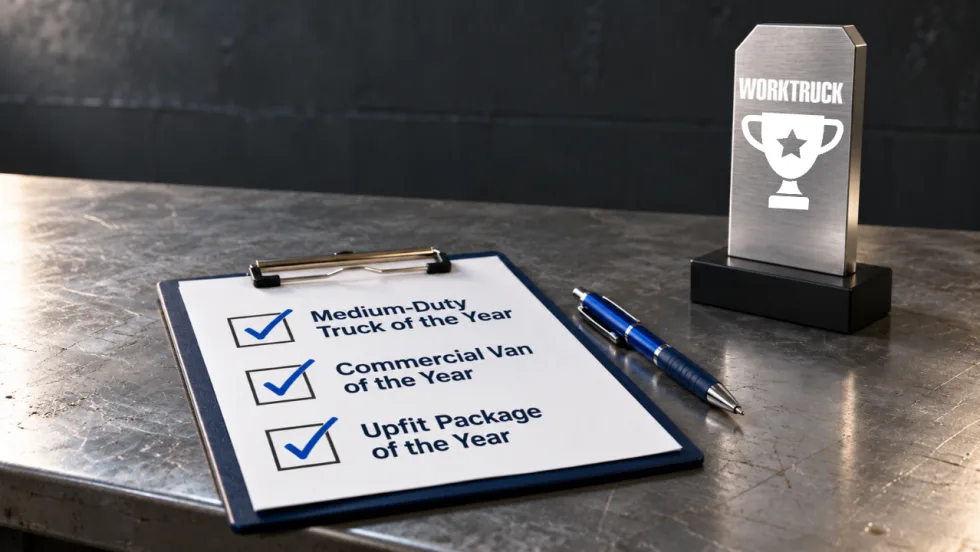
Your Fleet Experience Deserves a Vote
You know what happens after the vehicle leaves the dealership. Work Truck’s fleet awards give that experience a place in the industry conversation, and a reason to make your voice heard.
Read More →From Our Partners
Basic Tracking vs Next Generation Fleet Technology
Sponsored by AT&T Business

5 Facts Every Fleet Manager Should Know About Embedded Telematics
Sponsored by Stellantis/Mobilisights

How AI Video Telematics Boosts Driver Safety and Helps to Avoid Unnecessary Costs
Sponsored by Verizon Connect

Charting the 8 Bottom-Line Benefits of Workforce Optimization
Sponsored by Verizon Connect


Work Truck Seeks Fleet and Industry Insights on 2026 Trends and 2027 Forecasts
Work Truck is seeking insights from fleet leaders and industry partners on the trends that shaped 2026 and what commercial fleets should prepare for in 2027. Participate today!
Read More →
30 Years in Fleet and Still Learning: Lessons Beyond Trucks
After more than three decades in fleet, Bob Adamsky has learned that knowing trucks is only part of the job. The bigger lessons come down to communication, understanding, and never assuming you know it all.
Read More →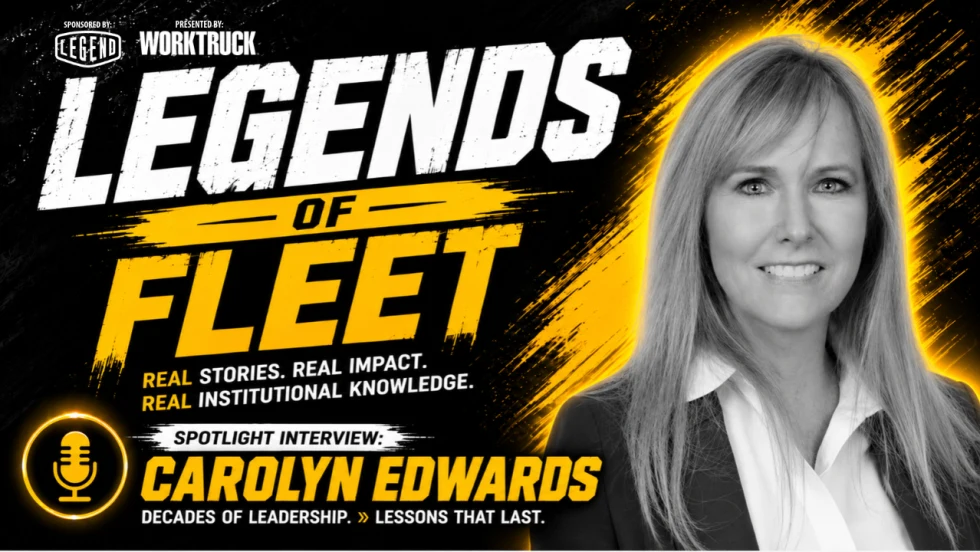
What Every New Fleet Manager Should Know
Carolyn Edwards shares lessons on finding mentors, showing fleet’s value, and leading teams in this episode of Legends of Fleet.
Read More →
Les Schwab Tires Launches Foundation With $100,000 for Community Recovery
Les Schwab Tires launches a foundation with $100,000 to support recovery for Silver Rail Elementary and the Bend community following a school shooting.
Read More →
Bring Some Fleet to Your Halloween with Our Pumpkin Carving Templates
Download Work Truck’s truck-themed pumpkin patterns, explore more automotive designs, and give your shop or front porch a seasonal upgrade.
Read More →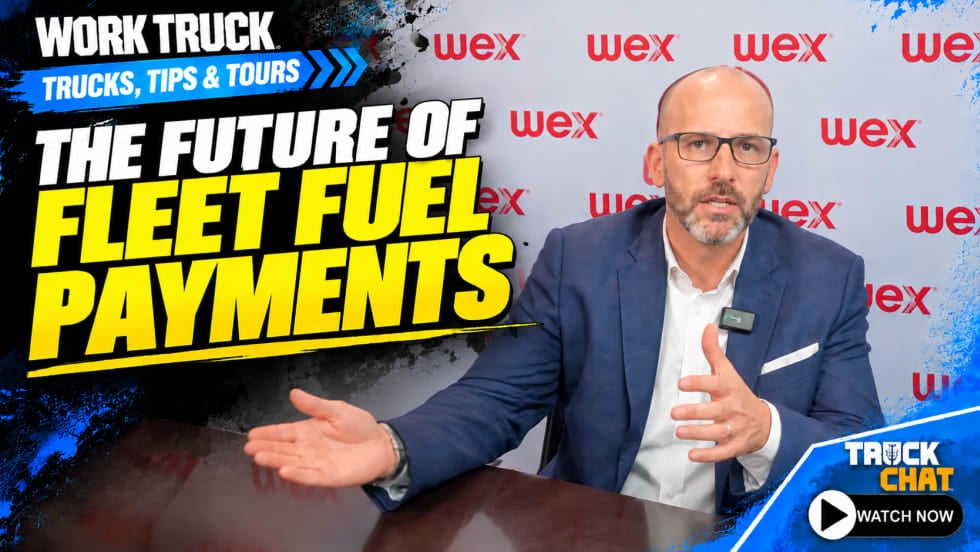
How Cardless Fuel Payments Benefit Commercial Fleets
Is it time for fleets to move beyond plastic fuel cards? David Abraham of WEX explains how cardless fuel payments can help reduce fraud, simplify driver transactions, and improve efficiency by allowing drivers to pay for fuel using their smartphones.
Read More →
Good Fleet Leadership Starts With the People You Already Have
From developing future leaders to listening to employees, discover how better leadership can help work truck fleets retain talent and build stronger teams.
Read More →