




EcoBoost Contributes 125 New U.S. Patents
DEARBORN, MI - Ford's new high-performance, fuel-saving EcoBoost technology is making waves in the engineering community, with the 3.5L version of the engine contributing 125 new patents and patent applications.
DEARBORN, MI - Ford's new high-performance, fuel-saving EcoBoost technology is making waves in the engineering community, with the 3.5L version of the engine contributing 125 new patents and patent applications. The additions build on Ford Motor Company's current roster of 4,618 active U.S. patents, with thousands more patent applications pending.
EcoBoost powertrain management innovations make up the bulk of the technology's patents and patent applications. But only those advancements that contribute to cutting-edge engineering make the leap from implementation to invention.
"We focus on getting high-quality patents that have the best breakthrough potential for the company," says Bill Coughlin, president and CEO of Ford Global Technologies, a wholly owned Ford subsidiary responsible for managing Ford's intellectual property worldwide.
The strategy is paying off: A 2008 study by the world's leading patent analyst, The Patent Board, found Ford outperformed all other automakers in the quality and significance of its technology patents.
"Ford's patented technologies are closer to the cutting edge than its competitors," says Christine Wren, director of business development for The Patent Board, which tracks and analyzes patents across 17 industries globally.
The recently introduced 2010 Ford Fusion and Fusion Hybrid, which is America's most fuel-efficient midsize sedan, have 119 patents to date and more are pending.
Patenting is a global activity at Ford, with experts in the United States, Europe, India and China sharing common processes and reporting through Ford Global Technologies.
EcoBoost, which uses turbocharging and direct gasoline injection to boost engine output and reduce emissions without sacrificing fuel economy, marks a major milestone in the Ford strategy to deliver technologically advanced, high-output, smaller-displacement powertrains.
The Ford powertrain management strategy uses hundreds of thousands of lines of computer code and related parameters that are adjusted to optimize the engine and transmission operation. It's these processes that largely make up the EcoBoost patent contribution and make Ford's use of direct injection and turbocharging of its engines like no other automaker in the world.
"The secret to Ford's EcoBoost system isn't just the hardware - the key is in the Ford control system," said Brett Hinds, Ford Advanced Engine Design and Development manager. "Our engineers have the right 'recipes' to integrate the various systems like engine, transmission and fuel management, resulting in a seamless, exhilarating driving experience."
To extract the level of power and efficiency achieved in an engine like the EcoBoost V-6, a remarkable level of precision is required. One example is the amount of control engineers maintain over the fuel injection system:
The powertrain management strategy uses 10,066 adjustable parameters
At idle, each injector releases 10.4 milligrams of fuel per injection; put in household terms, that's 1/25,000 the volume of a can of soda, or 0.2 drops of fuel
Fuel injection pressure is continuously controlled to between 220 psi and 2150 psi
Injection timing is adjusted up to 300 times a second
Originally posted on Automotive Fleet
More Operations

Family Ties Inside the Fleet Families Building Careers Across Generations
Three fleet families share what it really takes to work together, learn across generations, and keep business from following them home.
Read More →
Shades of Fleet Call for Voices: Fleet's Hidden Heroes
Fleet’s hidden heroes are often the ones keeping everything moving behind the scenes. September’s Shades of Fleet is looking for dispatchers, coordinators, parts specialists, and other support pros to share their stories.
Read More →
Truck Centers, Inc. Celebrates National Truck Driver Appreciation Week with $1,000 Fuel Card Giveaways
During National Truck Driver Appreciation Week, Truck Centers, Inc. is offering customers a chance to fuel up for free. Customers at all Truck Centers locations can enter to win one of four $1,000 fuel cards from Sept. 14 - 18.
Read More →
Fleet Guides, AI Time-Savers, Truck Tariffs & Fuel Strategy Lead the News
This week’s Truck Chat Cheat Sheet covers new fleet vehicle guides, practical AI use cases, U.S.-Canada truck production, mixed-energy strategy, and more.
Read More →
What Fleet Employers Are Missing When Hiring Veterans
What if some of the strongest candidates for fleet are already out there, but their experience is written in a language our industry does not always recognize?
Read More →
Automotive Fleet Opens 2026 Personal Use Survey for Commercial Fleet Managers
Less than two weeks left! Commercial and corporate fleet managers are invited to share how their organizations handle company vehicle personal-use policies, charges, and driver eligibility.
Read More →
What Resilient Fleets Do Differently When Conditions Change
Fleet resilience is about more than reacting to disruption. Lauren Fletcher talks with AP Fleet’s Alex Coveney about flexibility, planning, scaling, and what helps fleets adapt when business conditions shift.
Read More →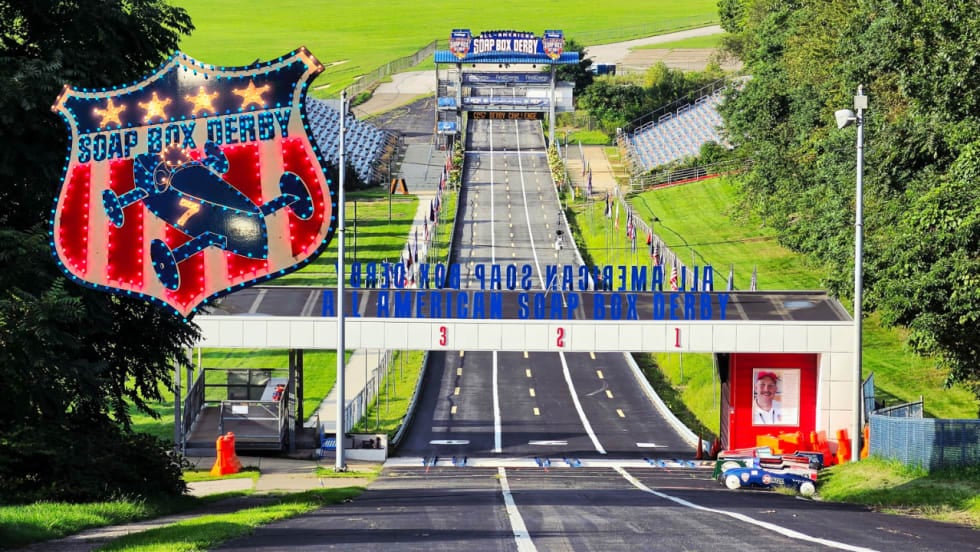
If We Want the Next Generation in Automotive, We Have to Give Them a Reason to Care
The automotive industry talks constantly about its workforce shortage. But before we can recruit the next generation, we may need to do a better job giving kids a reason to care about automotive in the first place.
Read More →
Ram ProMaster City Under $40K, Truck Tariffs, and AI Maintenance Lead the News
A sub-$40K commercial van, tariff questions, AI-powered maintenance, and a new EV production strategy headline this week’s Truck Chat Cheat Sheet.
Read More →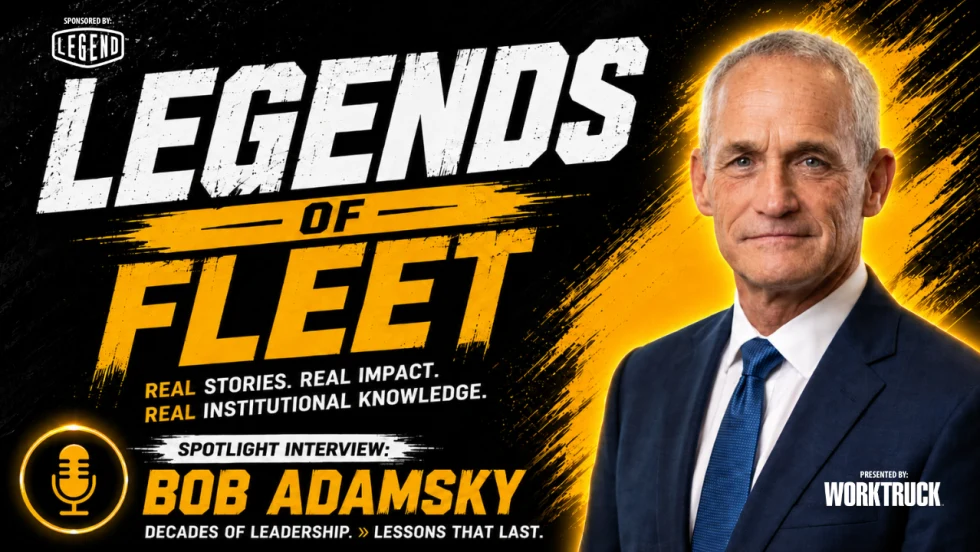
Bob Adamsky Shares the Fleet Lessons You Usually Learn the Hard Way
After more than 30 years in fleet, Arrow International’s Bob Adamsky has learned that the job is about far more than vehicles. He shares the lessons he wishes every fleet manager could learn a little earlier.
Read More →