





Related: 43% of Commercial Trucks Now Using Cleaner Diesel Tech
Diesel's Impact on Thanksgiving
Diesel technology helps us realize our agricultural bounty while the latest generation of diesel technology helps us deliver this bounty with minimal impact to our environment.
November 25, 2019

U.S. agriculture is among the most productive and economically valuable in the world; producing more yield in less time with fewer inputs, thanks in part to the advancements in tractors and machines and the power of the diesel engine.
Source: Diesel Technology Forum
3 min to read
According to the American Farm Bureau Federation, the average cost of feeding 10 people at Thanksgiving this past year was down for the third straight year to $48.90, or less than $5 per person. Many farmers had a slow start to harvest this season. With freezing temperatures, heavy snowfall, and high winds, many were forced to wait on the sidelines to get into the fields.
But with advancements in diesel powertrains, next generation farm equipment is more productive and can achieve greater yields, using less fuel, with near-zero emissions helping the farmers get back on track to have that turkey and all the sides on your dinner table for Thanksgiving.
Wherever the crop is, there is no cost-effective substitute for diesel engines to power the harvest to efficiently feed the world, according to the Diesel Technology Forum. Diesel-powered equipment is a major part of the supply chain that moves food from the farm to the dinner table. Diesel engines power more than two-thirds of all farm equipment, move 90% of its product, and pump one-fifth of its water in the United States.
U.S. agriculture is among the most productive and economically valuable in the world; producing more yield in less time with fewer inputs, thanks in part to the advancements in tractors and machines and the power of the diesel engine. Innovations in farming and food production, as well as increased systems efficiency, are also part of the solution.
Like in other sectors, an emphasis on data, connectivity and automation enables smart farming systems and biotechnologies. These machines are often sporting next-generation tech like GPS guidance, autonomous technology and wireless connectivity to maximize equipment and fuel use while minimizing soil compaction and crop damage. Diesel technology helps us realize our agricultural bounty while the latest generation of diesel technology helps us deliver this bounty with minimal impact to our environment.
Farmers have been investing in new tractors and harvesters that are using the most fuel efficient, productive and cleanest technology available. Getting more of the latest generation engines into service delivers immediate benefits to farming communities, as well as the farmers who use them. Replacing older generations of equipment with the latest generation Tier 4 diesel models reduces emissions of oxides of nitrogen (NOx) and fine particles by more than 90%.
Consider one of the most used and most sold pieces of agricultural equipment - the iconic row crop tractor. Replacing an older generation 375 hp row crop tractor manufactured before emissions standards were required beginning in 1995, eliminates NOx and fine particles by more than 95%, according to U.S. EPA’s Diesel Emission Quantifier tool. That works out to the same NOx eliminated as removing 826 cars from the road for a year and the same fine particle emissions as removing 506 cars. These are substantial benefits that accrue from just one replacement project.
Whether 1,000 commercial acres of grain or a 20-acre hobby farm, farmers need reliable, durable, and efficient machines and equipment with adequate power, performance and reliability. This combination of features, along with continuous improvement, is why diesel remains the technology of choice for large and small farms alike.
More Fuel

The Smart Way to Build a Mixed-Energy Fleet Isn’t About Picking a Side
Mixed-energy fleets aren’t about picking a winning fuel. Sarah Booth of WEX explains how vehicle data, duty cycles, charging strategy, and real-world costs can help fleets choose the right energy source for each job.
Read More →
Ignoring This Dashboard Warning Could Cost Your Fleet Thousands in Fuel
New research suggests neglected diesel aftertreatment systems could waste up to $30 in fuel per vehicle each day. Here's why vocational fleets should pay attention.
Read More →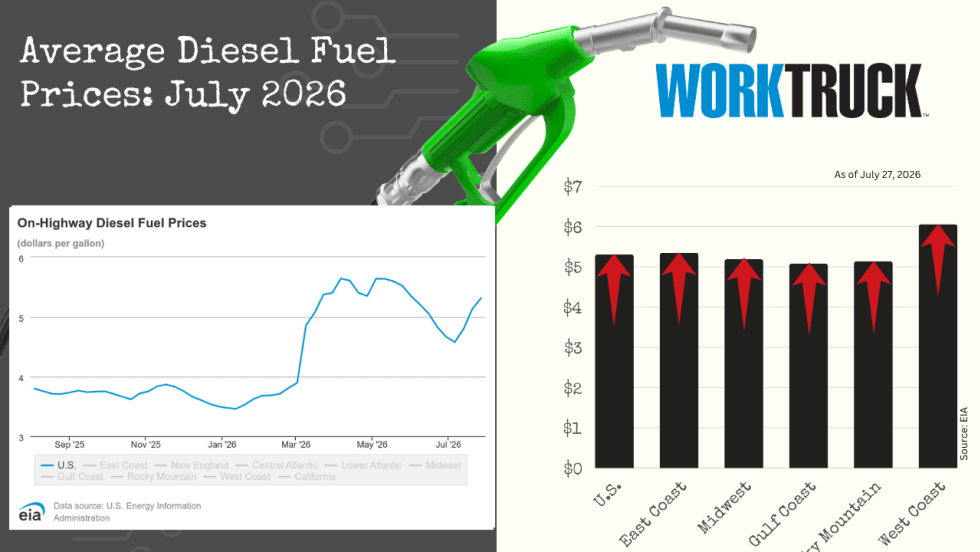
July Diesel Trends Update
The average price of a gallon of diesel increased again this week, and the EIA reported a new national average of $5.31 at the start of the week.
Read More →
WEX Brings Standard Fleet's Connected Vehicle Platform to Fleet Customers
This week’s product launch with Standard Fleet’s connected vehicle platform reflects WEX Venture Capital's strategy of turning startup innovation into customer solutions. Standard Fleet is now available to WEX fleet customers.
Read More →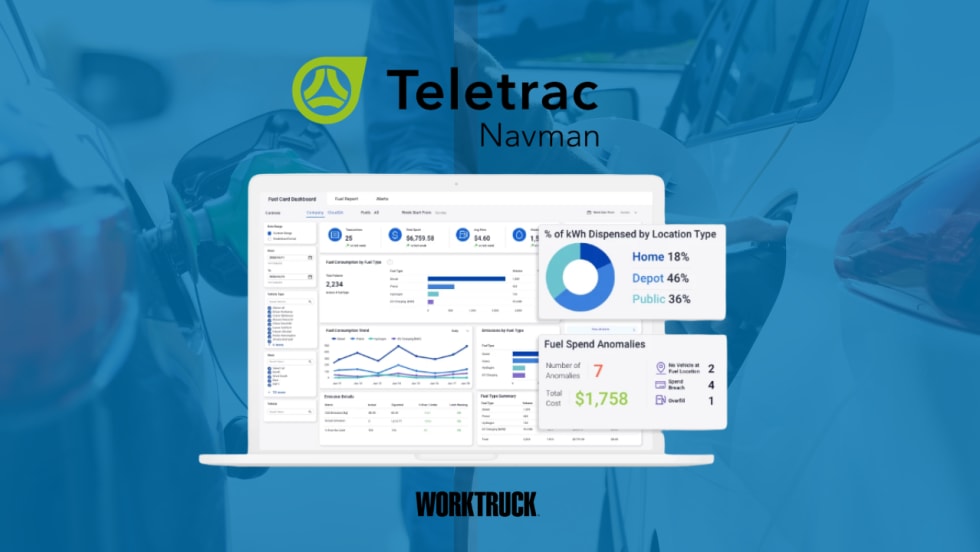
Teletrac Navman Adds Mixed-Energy Fleet Tools to TN360
The new Energy Hub combines fuel transactions, EV charging data, vehicle range, and energy costs in one dashboard for fleets operating multiple vehicle and energy types.
Read More →
WEX DriverDash adds CITGO, Expands Nationwide Access for Fleets
The DriverDash mobile payment app, by WEX, has been integrated into the CITGO merchant network, which means WEX has expanded its U.S. station footprint with the addition of approximately 4,000 CITGO locations.
Read More →
Mixed Energy Fleet Tips for Balancing EVs, Gas and Diesel Vehicles
Mixed energy fleets are becoming the new normal. Learn how fleet managers are balancing EVs, gas and diesel vehicles while controlling costs and planning for the future.
Read More →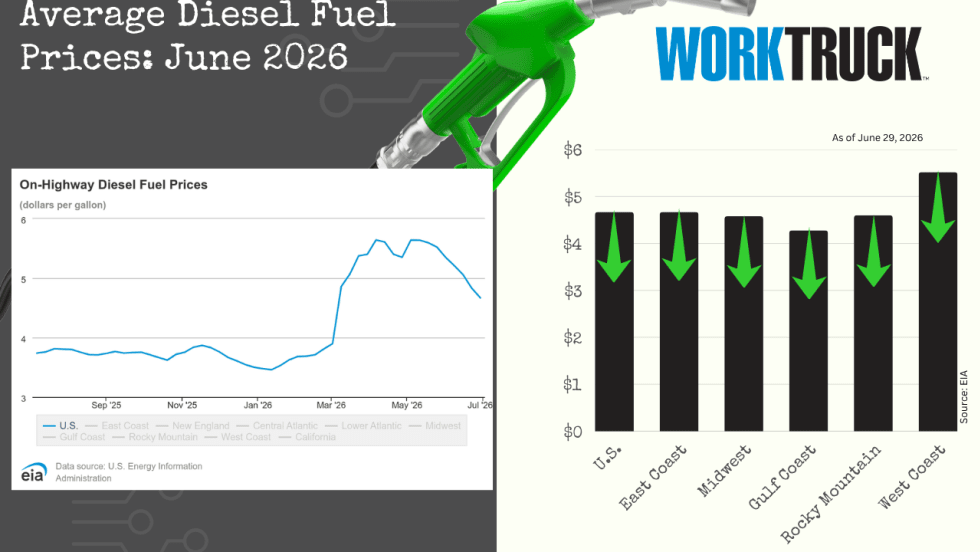
June Diesel Trends Update
The national average price of a gallon of diesel has dropped again, this week by more than 16 cents. All five regions reported lower average prices, ranging from almost 13 cents to more than 28 cents cheaper than a week ago.
Read More →
RoadFlex Launches RoadFlex Direct Open API Platform
RoadFlex Direct connects fuel cards, controls, and data to the telematics and fleet management systems fleets already run, from Geotab and Samsara to Fleetio and RTA, with no separate dashboard or double data entry.
Read More →
The Key to Fuel Efficiency Sits in the Cab
Learn how driver behavior, telematics, coaching, and fuel data can help fleets improve fuel efficiency, lower costs, and reduce emissions.
Read More →