





Related: Impact of Full ELD Enforcement: ‘A Firehose of Violations’
Despite Full ELD Enforcement, Truck Capacity Increased
It's hard to deny that electronic logging devices have had an effect on the trucking industry in the short time since they were mandated, but it might not be in the ways you'd expect.
April 19, 2018
2 min to read
A reduction in truck capacity was a concern for the trucking industry when the electronic logging device mandate soft enforcement period ended April 1, yet capacity has increased 11% on the spot market since then, according to DAT Solutions.
But it doesn’t mean that ELDs aren't having an impact on the industry. DAT recently surveyed its carrier customers about ELDs and detention, the majority of which were owner-operators, and found the ELDs were negatively affecting profitability.
Owner-operators are the hardest hit by the ELD regulation, having to personally take on the cost of buying and installing a solution as well as dealing with potential reduced productivity, according to DAT.
Most survey respondents were currently running ELDs; nearly 60% of those carriers had implemented electronic logs in the past three months. Of the carriers running ELDs, more than 70% reported that they were earning less money than they were prior to implementation.
A majority were also driving fewer miles now than before installing ELDs, and 71% said they were making less money. DAT asked respondents if the ELD mandate had changed how they prioritize loads, and 87% said yes.
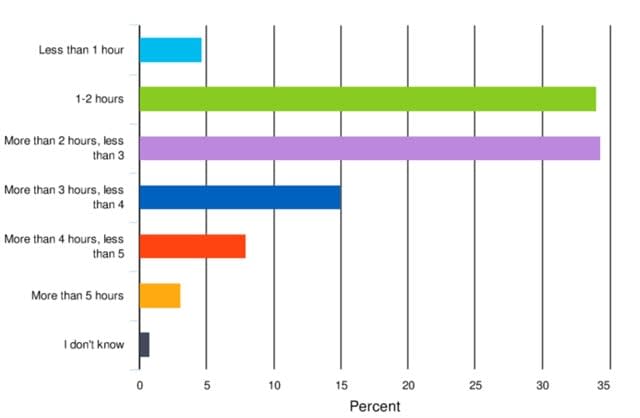
The majority of carriers said that they had experienced loading times of 2-3 hours on average. Source: DAT Solutions
The inflexibility of hours of service rules while using ELDs has caused detention time to hit drivers harder since implementation. Carriers said that rate per mile was the most important factor in deciding to take a load, followed by the length of haul and a broker’s reputation. The least important factor was traffic on the route.
According to DAT, shippers are not taking driver hours of service into account during loading and offloading, with more than 77% reporting wait times of more than two hours on one out of every five loads. And to top it off, when drivers need to stop driving, as many as 87% of them are having a much harder time finding parking since the ELD mandate took effect in December.
Despite the growing pains of ELD implementation and some previous fears of a mass exodus of owner-operators from the trucking industry once the mandate kicked in, only 2.8% of those surveyed said they were likely to leave the trucking industry.
The DAT ELD and Detention report is available here.
Originally posted on Automotive Fleet
More Technology
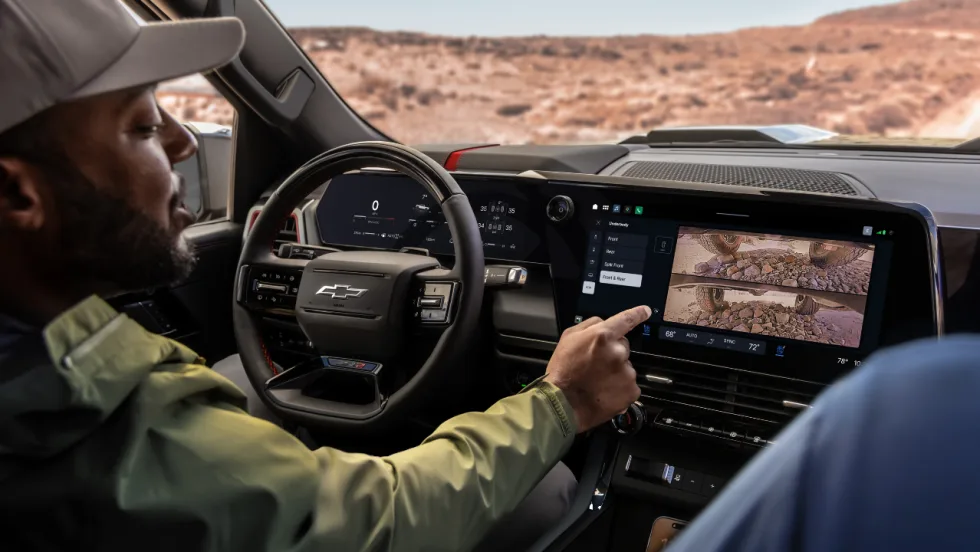
GM Brings New Truck Focused Interface to 2027 Silverado and Sierra
GM's new pickup interface puts trailering data, camera views, vehicle controls, and smartphone integration closer to the driver in the 2027 Silverado and Sierra.
Read More →
Samsara Driver Perks Expands Rewards Beyond the Long Haul Driver
Samsara’s new driver rewards program was built with a broader professional driver in mind, including employees who split their day between driving, job sites, service calls, and other work.
Read More →
AI Service Advisor Aims to Cut Fleet Repair Downtime
Fleetio said its AI Service Advisor can help fleets cut repair downtime by an average of 2.5 hours per repair while reducing manual maintenance work.
Read More →
Verra Mobility Launches AI-Driven Title & Registration Solution
Verra Mobility has launched a new AI-driven Title & Registration platform to help fleets move vehicles from acquisition to the road the same day while reducing compliance risk.
Read More →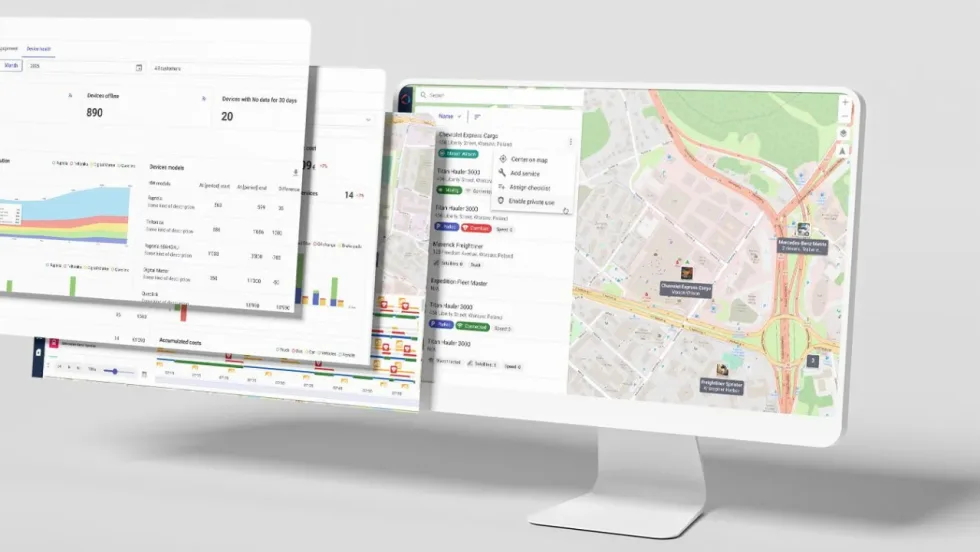
Wialon Unlocks OEM Data to Give Fleet Owners Data Ownership & Operational Clarity
Wialon has introduced hardware-free OEM integration as the EU Data Act accelerates the shift in vehicle data access across the fleet industry in many countries.
Read More →
Teletrac Navman Promotes New CEO from Within
Teletrac Navman’s next CEO, Ricardo Buranello, has served as the company’s chief financial and operating officer. He brings deep financial and operational expertise, a strong strategic orientation, and an intimate knowledge of the business to his new role.
Read More →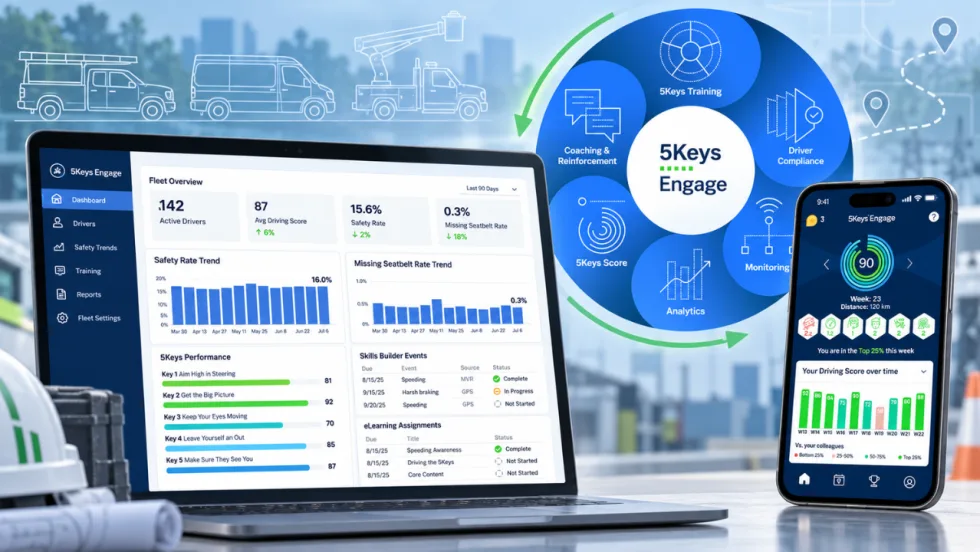
Smith System Wants Work Truck Fleets to Look Beyond the Driver Alert
Smith System’s new Driver Risk Management program is built to help mixed work truck fleets turn telematics alerts and observations into specific behaviors, coaching actions, and measurable follow-up.
Read More →
Ford Pro Software Updates: August 26
Check out the latest Ford Pro software updates, including Google Maps integration, Remote Vehicle Alarm integration, Motor Pool for easier management of shared pool vehicles, and more.
Read More →
Where AI Is Actually Saving Fleet Managers Time
AI is moving past the buzzword stage and into the daily fleet workflow. Fleetio’s Brianna Perry Lang breaks down where fleets are seeing real time savings, from maintenance and data entry to repair decisions, safety, and compliance
Read More →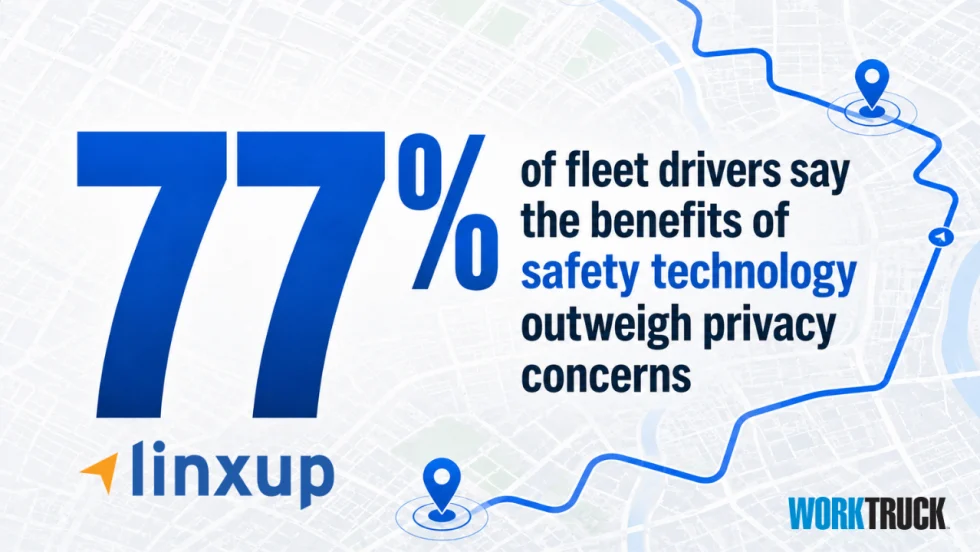
Are Work Truck Drivers Warming Up to Dash Cams and GPS Tracking?
A new survey finds field-service drivers may be more comfortable with dash cams and GPS tracking than fleet managers think, especially when the technology helps protect them after a crash.
Read More →