





Learn More: Daimler, Torc Continue Autonomous Truck Collab
Daimler, Platform Science Introduce Open OEM Platform for Fleets
The Virtual Vehicle platform gives fleets the flexibility to choose third-party apps, mix or match telematics service provider applications, or bring their own.
November 9, 2021

The Virtual Vehicle platform gives fleets the flexibility to choose third-party apps, mix or match telematics service provider (TSP) applications, or bring their own.
Photo: Daimler
2 min to read
Daimler Trucks North America (DTNA), in collaboration with Platform Science, a connected vehicle platform, have announced the launch of Virtual Vehicle, an open OEM platform that enables fleets to access telematics, software solutions, real-time vehicle data, and third-party applications directly from their vehicles. In addition, the platform provides the tools to manage those applications, connectivity, and the mobile devices drivers need to use them.
The system is enabled in Daimler trucks without the need for installing any additional telematics hardware, or the associated costs and loss of uptime, according to Sanjiv Khurana, head of the connected services group at Daimler Truck.
Virtual Vehicle offers nearly limitless software-enabled and ROI-enhancing applications. A combination of cloud, edge, and in-dash technology provide native in-vehicle mobile technology which enables customers to distribute, manage, and enable driver applications and connected vehicle services.
The platform gives fleets the flexibility to choose third-party apps, mix or match telematics service provider (TSP) applications, or bring their own. This allows truck buyers to customize their experiences down to an app-by-app and driver-by-driver level, and to create in-cab technology experiences that best suit their specific business objectives, then evolve them whenever they choose to do so.
Through its developer toolkit, Virtual Vehicle allows for any number of third-party developers to create apps that can offer ROI for fleets and quality of life improvements for drivers. Virtual Vehicle provides the tools needed to manage the mobile devices that come and go from the vehicle, without ever having to install or change on-vehicle mobile gateways or telematics units.
The Virtual Vehicle platform offers many benefits to fleets, including:
Productivity: With factory-installed telematics hardware, fleets can maximize uptime by avoiding installation delays and costs for complementary hardware.
Flexibility: Virtual Vehicle allows fleets to create a software experience catered to individual business needs through a growing pipeline of developer-created innovations.
Accessibility: Virtual Vehicle leverages edge, cloud, and in-dash data to optimize networks, keeping data available 24/7/365, even when fleets are offline.
Cost-Effective: Users of participating applications on Virtual Vehicle benefit from usage-based billing.
Platform Science’s Virtual Vehicle is currently available on Freightliner Cascadias manufactured September 9, 2019 or later and will be available as a monthly subscription.
More Technology & AI
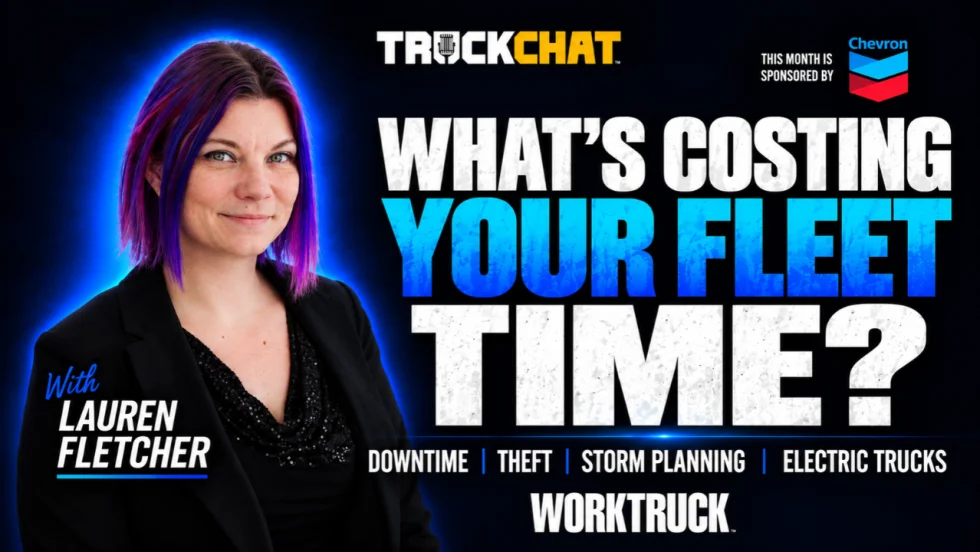
Fleet Downtime, Truck Theft, and Electric Growth Lead This Month
Where is your fleet losing time? This Truck Chat recap connects repair delays, theft risks, storm planning, and lessons from scaling electric trucks.
Read More →
HCSS Partners with Verizon Connect to Deliver Fleet Intelligence for Construction Fleets
HCSS has integrated with Verizon Connect to provide near real-time fleet insights so contractors can spend less time tracking assets and more time keeping projects on schedule.
Read More →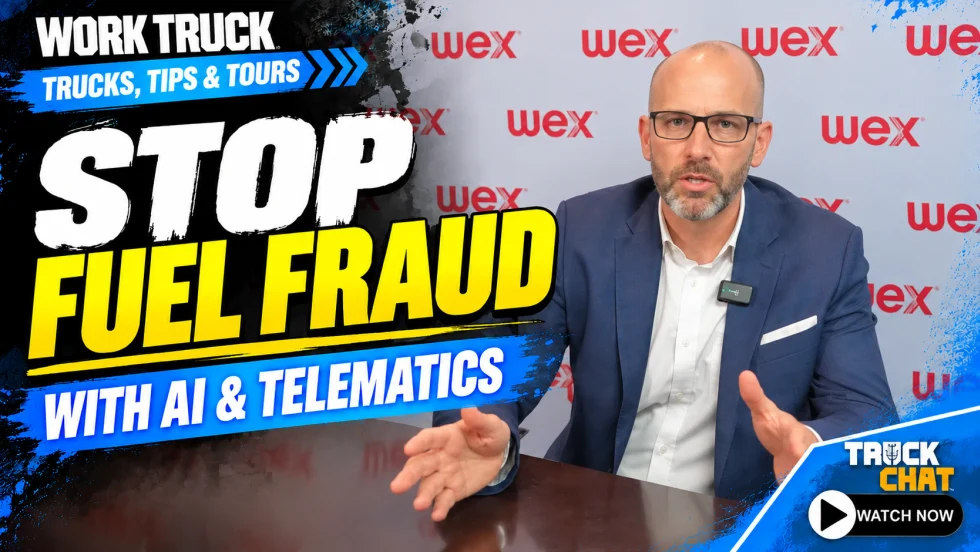
How Fleets Can Use Technology to Fight Fuel Fraud
Fuel fraud and theft remain significant challenges for commercial fleets, whether the problem involves third-party fraud or driver misuse. In this video, David Abraham of WEX explains how SecureFuel uses vehicle geolocation, telematics, transaction information, and AI to help fleet managers identify suspicious fuel purchases and make more informed decisions.
Read More →From Our Partners
Basic Tracking vs Next Generation Fleet Technology
Sponsored by AT&T Business

5 Facts Every Fleet Manager Should Know About Embedded Telematics
Sponsored by Stellantis/Mobilisights

How AI Video Telematics Boosts Driver Safety and Helps to Avoid Unnecessary Costs
Sponsored by Verizon Connect

Charting the 8 Bottom-Line Benefits of Workforce Optimization
Sponsored by Verizon Connect

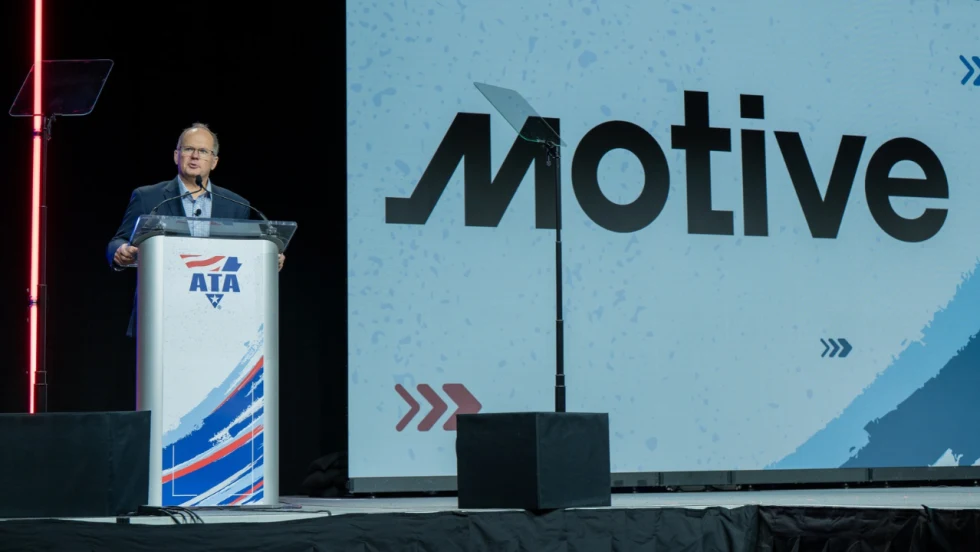
Can AI Agents Help Small Work Truck Fleets Do More With Less?
Motive's new AI Agents automate fleet safety, maintenance, compliance, and dispatch tasks. Here's how they work for smaller fleets, what managers control, and what early users are seeing.
Read More →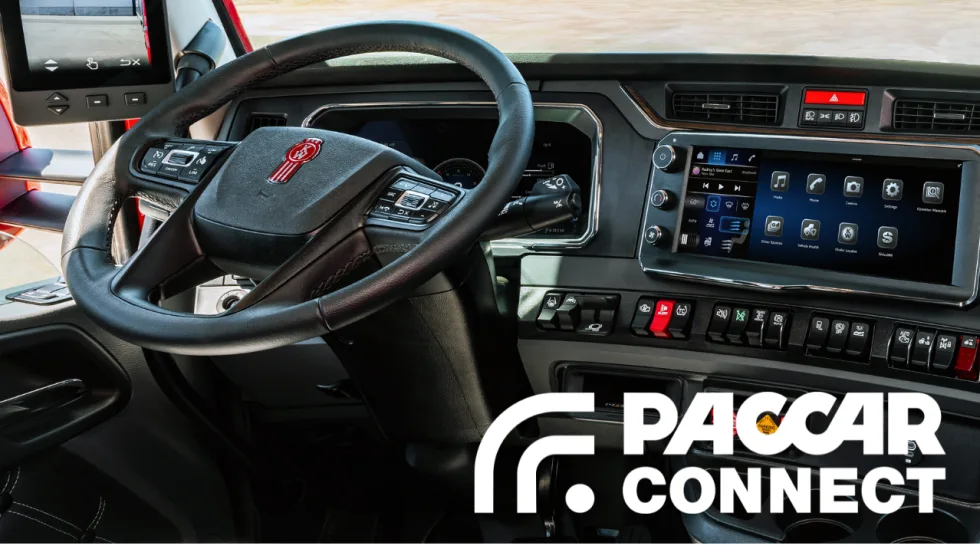
Paccar Launches Paccar Connect for Peterbilt and Kenworth Trucks
The new Paccar Connect offers touchscreen displays, telematics capabilities, and an expanding app ecosystem to boost productivity and streamline driver workflows.
Read More →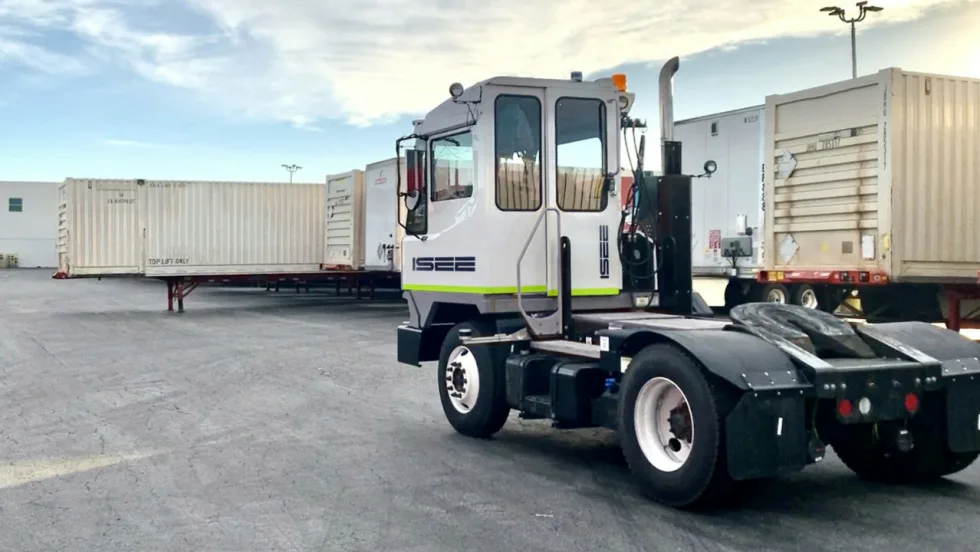
Holman and ISEE Partner to Expand Autonomous Yard Truck Operations
The partnership combines Holman's fleet management and upfitting capabilities with ISEE's autonomous driving technology to help businesses deploy and manage driverless yard trucks.
Read More →
Who You Gonna Call? Rivian Turns Electric Vehicles Into Ghostbusters Rides
Rivian teams up with Sony Pictures for a Ghostbusters-inspired Halloween software update, complete with custom sounds, lighting effects, and a special Ecto-R1.
Read More →
The Second Trip and What Missing Tools Really Cost a Service Business
For service fleets, missing tools and equipment can lead to second trips, lost technician time, higher operating costs, and delayed jobs. Equipment tracking can help HVAC, plumbing, electrical, landscaping, and other service businesses improve visibility and reduce downtime.
Read More →
GeoFencing Adds to Your Truck Security Arsenal
Geofencing is a familiar fleet tool today, but its early adoption marked a major shift in vehicle tracking, route monitoring, and the debate over employee privacy.
Read More →
Geotab Data Shows Regional Trucking Growing Faster as Last Mile Routes Get Denser
Geotab's first U.S. supply chain report finds stable long-haul activity, stronger regional freight movement, tighter hub-and-spoke utilization, and more last-mile trips on shorter routes.
Read More →