




Clean Diesel Trucks, Cars Fuel DC Sustainability
The essential role and the fuel-savings and emissions benefits of new clean diesel technology were highlighted recently by the Diesel Technology Forum in a statement before the District of Columbia (D.C.) City Council on the Omnibus D.C. Sustainability Act.


The essential role and the fuel-savings and emissions benefits of new clean diesel technology were highlighted recently by the Diesel Technology Forum in a statement before the District of Columbia (D.C.) City Council on the Omnibus D.C. Sustainability Act.
“Diesel technology plays a vital role in the District of Columbia. It powers vehicles that provide key government services such as solid waste, public transportation, and snow removal. It is also the primary workhorse technology powering the trucks and vans of hundreds of small service and delivery businesses serving the District, and over 3,500 D.C. residents have made diesel their personal transportation choice for their cars, trucks or SUVs,” said Allen Schaeffer, executive director of the Diesel Technology Forum, a Maryland-based national non-profit educational group.
The Omnibus Sustainability Act proposed legislation includes a provision that as currently written, requiring that “…no vehicle shall be registered in D.C. that operates exclusively on the combustion of petroleum diesel fuel beginning January 1, 2018.”
“Clean diesel technology must be a key component of the District’s sustainability initiative because of its superior energy efficiency, near-zero emissions, and ability to use renewable fuels. We don’t believe that the intent of this legislation is to prevent the use of diesel engines, but rather to seek some new approaches to reducing emissions and we look forward to working with District leaders toward that end,” Schaeffer said.
According to the Diesel Technology Forum, the use of diesel technology in the District is already delivering clean air and fuel saving benefits. Since 2007, all diesel fuel sold in the District (and nationwide) for highway vehicles has been ultra-low sulfur diesel fuel, which reduces particulate emissions from all diesel vehicles, with most significant emissions benefits from 2007 and newer model year vehicles. The current EPA standards for all new diesel engines in cars, trucks, SUVs and commercial vehicles as well as even most off-road engines and machines now require near zero levels of emissions for particulate matter (PM), or soot, and oxides of nitrogen (NOx).
“These proven clean diesel technologies are on the road today. Here in the District, at the end of 2012, just over 19 percent of all registered Class 3-8 heavy-duty trucks are clean diesel (2007 or newer model years). Nationwide, roughly one-in-three heavy-duty trucks is a new-generation clean diesel vehicle that is model year 2007 and newer,” said Schaeffer.
Nationwide these new clean diesel trucks reduced soot by 27,000 tons and NOx by almost 1 million tons, according to the Diesel Technology Forum’s 2012 research.
According to the Fuels Institute, diesel cars and pickups will make up anywhere from 7 percent to 17 percent of the light-duty market by 2023, making diesel the No. 1 alternative-fuel powertrain beating electric plug-ins, hydrogen fuel cell and natural gas powered vehicles. Light-duty diesel cars and trucks typically achieve a 20 percent to 40 percent improvement in fuel economy and a 10 percent to 20 percent reduction in emissions relative to comparable gasoline powered vehicles, while delivering superior driving performance and higher resale values.
“Nationwide, we estimate that the anticipated growth in diesel cars and trucks will save about 7 million tons of carbon emissions, which comes on top of the 7 million tons of carbon emissions reduced from the existing fleet of diesels on the road since 2005,” Schaeffer noted.
Adding to the benefits of clean diesel are renewable versions of the fuel, such as biodiesel, according to the Diesel Technology Forum.
“Use of blends of high-quality renewable fuels such as biodiesel is a hallmark of diesel technology and is suitable in both new and existing engines, based on manufacturer recommendations. All light and most heavy-duty truck engine manufacturers approve engines to operate on certain blends of biodiesel. The EPA designates biodiesel as an advanced biodiesel capable of reducing carbon emissions by at least 50 percent. We estimate that nationwide, by 2020, the growth in just the light-duty diesel fleet, operating on a 5 percent blend of biodiesel will eliminate an additional 150,000 tons of carbon emissions,” Schaeffer said
Originally posted on Automotive Fleet
More Fuel

The Smart Way to Build a Mixed-Energy Fleet Isn’t About Picking a Side
Mixed-energy fleets aren’t about picking a winning fuel. Sarah Booth of WEX explains how vehicle data, duty cycles, charging strategy, and real-world costs can help fleets choose the right energy source for each job.
Read More →
Ignoring This Dashboard Warning Could Cost Your Fleet Thousands in Fuel
New research suggests neglected diesel aftertreatment systems could waste up to $30 in fuel per vehicle each day. Here's why vocational fleets should pay attention.
Read More →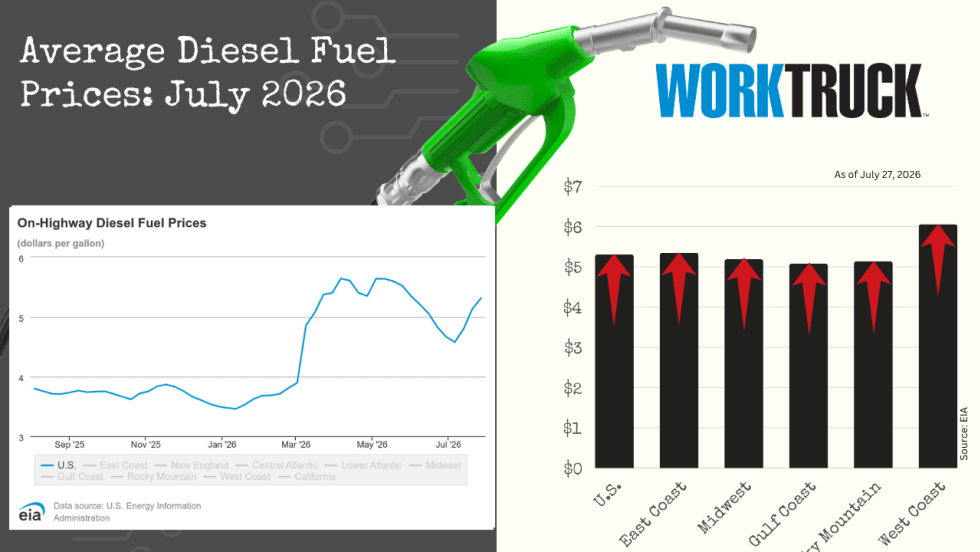
July Diesel Trends Update
The average price of a gallon of diesel increased again this week, and the EIA reported a new national average of $5.31 at the start of the week.
Read More →
WEX Brings Standard Fleet's Connected Vehicle Platform to Fleet Customers
This week’s product launch with Standard Fleet’s connected vehicle platform reflects WEX Venture Capital's strategy of turning startup innovation into customer solutions. Standard Fleet is now available to WEX fleet customers.
Read More →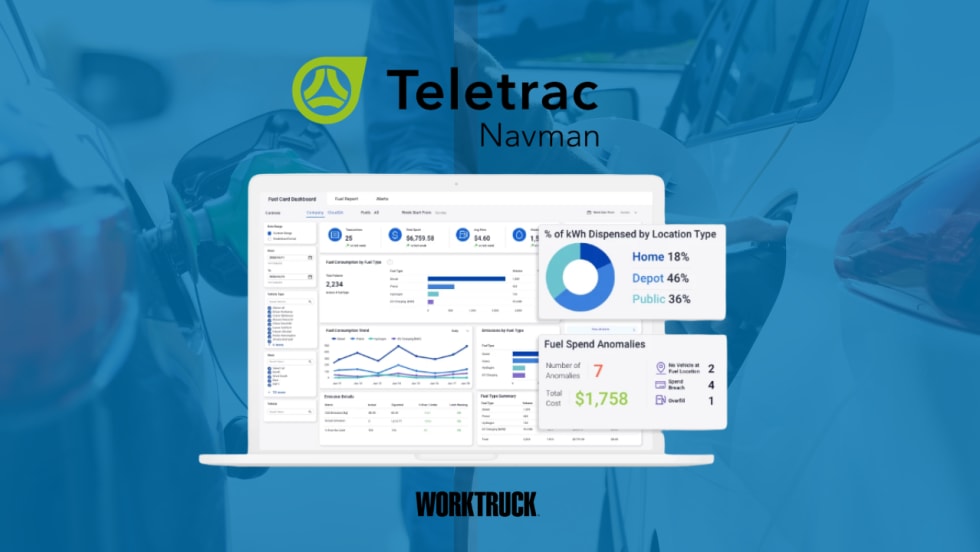
Teletrac Navman Adds Mixed-Energy Fleet Tools to TN360
The new Energy Hub combines fuel transactions, EV charging data, vehicle range, and energy costs in one dashboard for fleets operating multiple vehicle and energy types.
Read More →
WEX DriverDash adds CITGO, Expands Nationwide Access for Fleets
The DriverDash mobile payment app, by WEX, has been integrated into the CITGO merchant network, which means WEX has expanded its U.S. station footprint with the addition of approximately 4,000 CITGO locations.
Read More →
Mixed Energy Fleet Tips for Balancing EVs, Gas and Diesel Vehicles
Mixed energy fleets are becoming the new normal. Learn how fleet managers are balancing EVs, gas and diesel vehicles while controlling costs and planning for the future.
Read More →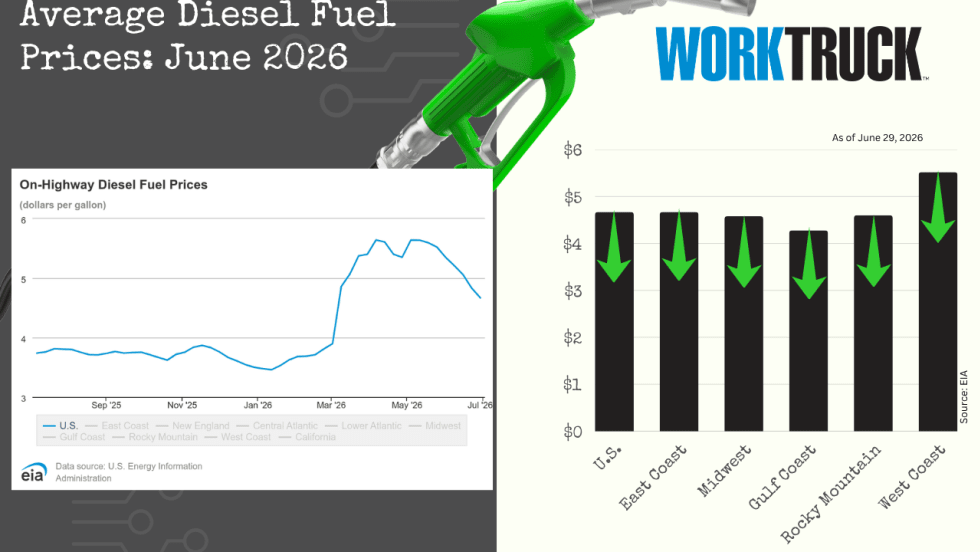
June Diesel Trends Update
The national average price of a gallon of diesel has dropped again, this week by more than 16 cents. All five regions reported lower average prices, ranging from almost 13 cents to more than 28 cents cheaper than a week ago.
Read More →
RoadFlex Launches RoadFlex Direct Open API Platform
RoadFlex Direct connects fuel cards, controls, and data to the telematics and fleet management systems fleets already run, from Geotab and Samsara to Fleetio and RTA, with no separate dashboard or double data entry.
Read More →
The Key to Fuel Efficiency Sits in the Cab
Learn how driver behavior, telematics, coaching, and fuel data can help fleets improve fuel efficiency, lower costs, and reduce emissions.
Read More →