




Chevrolet Silverado Design Simplifies Collision Repair
General Motors engineers incorporated several features that allow technicians to more efficiently repair collision damage.
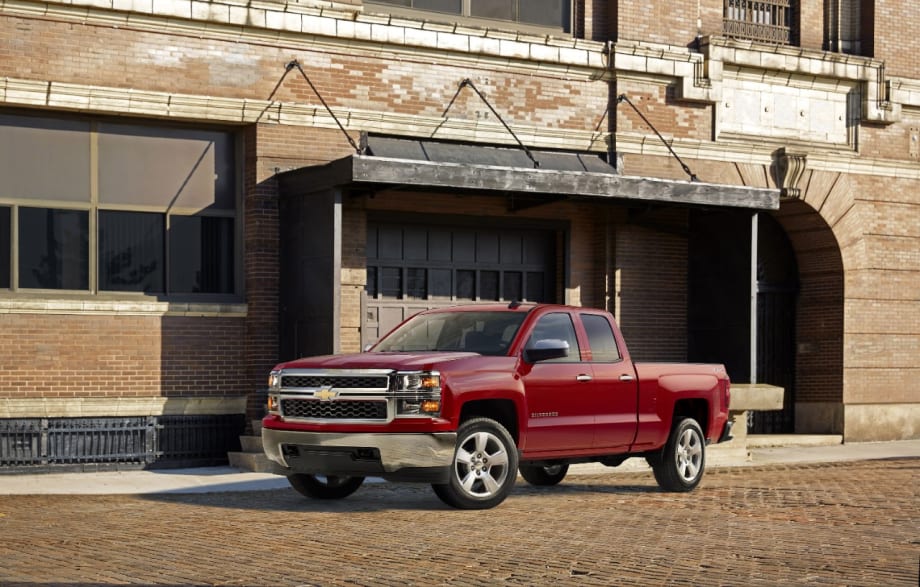
Photo of Chevrolet Silverado courtesy of General Motors.
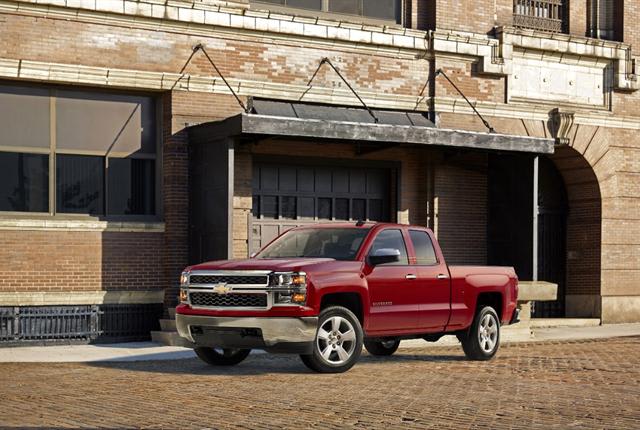
Photo of Chevrolet Silverado courtesy of General Motors.
The 2015 model-year Chevrolet Silverado is designed to save time and cost if the pickup truck ever needs collision repair, according to General Motors.
When development work began on the current-generation Silverado several years ago, General Motors’ engineers incorporated several features that allow technicians to more efficiently repair collision damage, the automaker said.
“When we design trucks, we don’t only consider what features our consumers demand from a full-size truck,” explained Mark Szlachta, a GM serviceability design engineer. “We also approach the process with our technician hat on, ensuring we engineer a truck that is straightforward and cost-effective to repair.”
The Silverado reparability features include:
Front Frame Rail Section – Because of the way the Silverado’s front frame rails are engineered, minor impacts don’t necessarily lead to substantial repair bills. Depending on the severity of the impact, technicians may be able to repair a leading section of the truck’s frame instead of replacing the entire chassis. If so, the damaged section can be cleanly cut away at a specific location, and a new service section – shipped fully assembled – can be welded in place.
Structural Front Fenders – On many passenger vehicles, unbolting a damaged front fender removes only the outer skin, leaving behind additional structure welded to the cab. If that structure is damaged, technicians then need to drill out welds in order to remove the panel. On the Silverado, the front fenders incorporate both outer sheet metal and the supporting inner structure, allowing simple unbolting of the entire assembly.
Bond-On Body Panel Procedures – When it comes to replacing non-structural body panels, including outer roof panels or outer door panels, technicians can use an ultra-strong structural adhesive to bond the panels onto the vehicle. This helps avoid welding and possible corrosion issues later while speeding the repair.
Pre-prepared roof panels – Technicians can get replacement panels that are essentially plug-and-play, thanks to pre-installed studs and pre-drilled holes for accessories.
One-Piece Body Side Outers – If damage occurs to the outer panels of the cab, technicians can order a complete body side outer, shipped as a single, complete assembly. This allows technicians to cut out and replace only the damaged area instead of the entire assembly. “Our goal is to only have weld seams where we absolutely need them,” Szlachta said.
Flexible Bed Repair Options – If the Silverado’s pickup bed or outer bedside ever suffers significant damage, truck owners won’t necessarily need to purchase a new pickup box. Depending on the damage, the outer bedside or the bedside assembly can be replaced from the bed floor out.
Originally posted on Automotive Fleet
More Safety
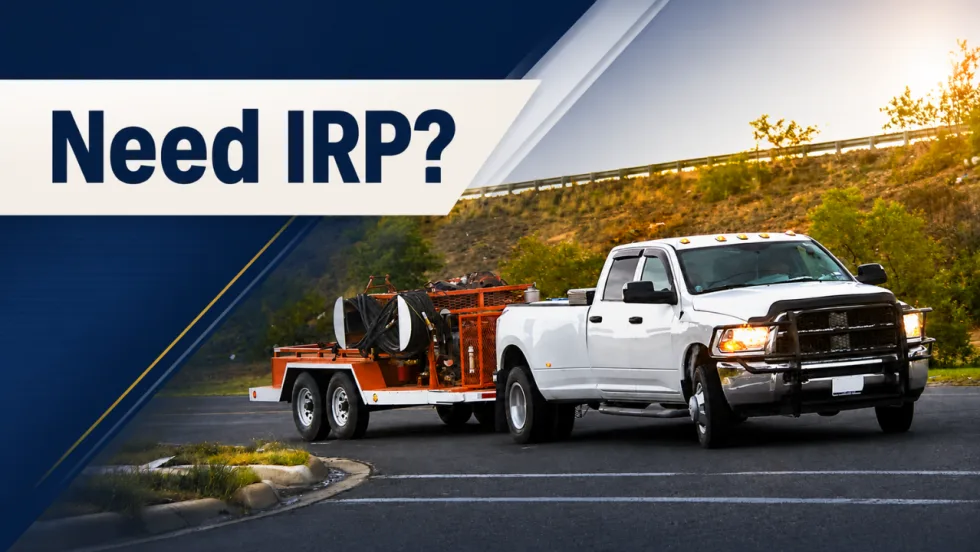
When Work Trucks Under 26,001 Pounds Need IRP Registration
Think trucks under 26,001 pounds are automatically in the clear when it comes to IRP? Not always. Learn where lighter vehicles can still run into trip permit, apportioned registration, and IFTA compliance requirements when crossing state or provincial lines.
Read More →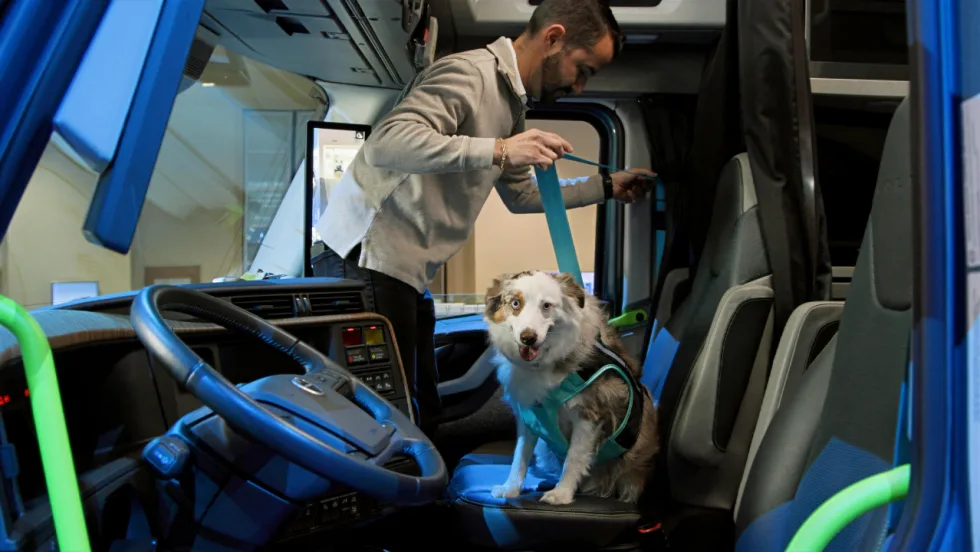
Volvo Trucks Releases New Safety Recommendations for Traveling with Pets
One of the most important recommendations for professional drivers traveling with pets is to ensure pets are properly restrained while the truck is moving. Other tips are available in the new guide from Volvo Trucks North America and Center for Pet Safety.
Read More →
API Issues Refueling Safety Guidelines
The American Petroleum Institute offers a list of safe vehicle refueling guidelines, including ways to avoid potential problems with static electricity discharges in fall, winter, and early spring.
Read More →
Winter Fleet Prep: Expert Tips to Keep Vehicles Running Smoothly
Cold weather can expose weak batteries, tires, fuel systems, and maintenance gaps fast. Use this winter fleet checklist to prepare trucks and drivers before temperatures drop.
Read More →
When a Work Truck Breaks Down, the Job Can Stop, Too
A work truck breakdown can stop more than the vehicle. Discover how payloads, jobsites, and specialty equipment change the roadside response.
Read More →
What Stronger Long-Term Fleet Service Partnerships Actually Require
Fleet service partnerships rarely fall apart all at once. Learn the three warning signs that trust is eroding and what fleets and providers can do before downtime, frustration, and lost revenue follow.
Read More →
Applause & TRUCE Software Partner to Improve Driver Safety Through AI-Powered Telematics & Employee Performance Management
Applause has integrated TRUCE driving metrics directly into its employee-first performance and safety platform that transforms mobile devices into AI-powered telematics.
Read More →
How Detroit Assurance with Active Brake Assist Works
Do you want to see what it is like to experience Detroit Assurance’s Active Brake Assist? In this video, Work Truck will put you in the cab to see how it all works and then hear more details from DTNA’s Mike Young.
Read More →
Get Left of Loss: A 5-Step Workplace Violence Prevention Framework for Fleet Operators
Violence risks do not stop at the driver’s door. Learn five practical steps fleets can take to spot threats early and protect workers before loss occurs.
Read More →
How Better Visibility Cut Speeding Violations by 48%
Fleet leaders don't need more data, they need clearer visibility into what the data is saying. This case study explores how one utility replaced speeding-event counts with a single metric — miles driven in violation — to strengthen safety and significantly reduce speeding violations.
Read More →