




Related: Revised CARB Plan Includes $150 Million For Heavy Duty Vehicles
CARB Proposes Plan Reducing Emissions to 40% Below 1990 Levels
The California Air Resources Board has released a Proposed Scoping Plan that sets new goals for the state to reduce greenhouse gas emissions to 40% below 1990 levels by 2030.
by Staff
January 23, 2017
Photo: Tom Berg
2 min to read
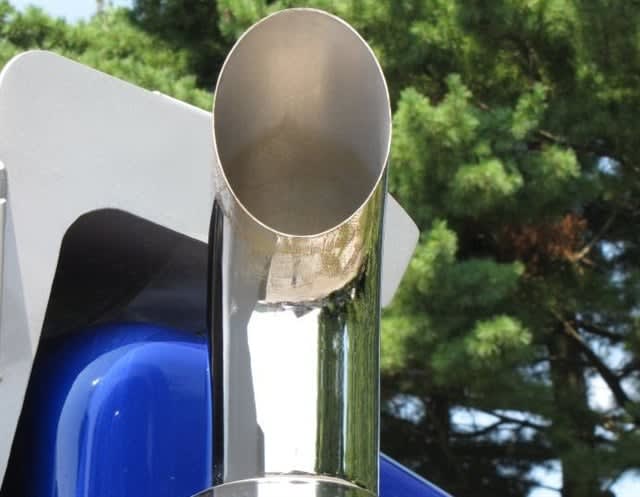
Photo: Tom Berg
The California Air Resources Board has released a Proposed Scoping Plan that sets new goals to reduce greenhouse gas emissions to 40% below 1990 levels by 2030.
CARB is calling the plan the most ambitious carbon emissions reduction target in North America, building on the state’s current and planned efforts to reduce emissions. The plan outlines the most effective ways to reach the 2030 goal, including a continuation of California’s Cap-and-Trade Program. The plan puts the state on the trajectory of achieving an 80% reduction in greenhouse gas emissions by 2050.
"Climate change is impacting California now, and we need to continue to take bold and effective action to address it head on to protect and improve the quality of life in California,” said Mary D. Nichols, CARB chair. “The plan will help us meet both our climate and our clean air goals in the coming decades and provide billions of dollars in investments to cut greenhouse gasses, smog and toxic pollution in disadvantaged communities throughout the state. It is also designed to continue to drive creative innovation, generating good new jobs in the growing clean technology sector.”
For the transportation sector, the plan seeks to accelerate the use of clean vehicle and equipment technologies and fuels through targeted introduction of zero emission and near-zero emission technologies and renewable fuels. The policy will encourage the use of clean technologies along primary freight corridors.
Examples of some incentives include a separate zero emissions or near-zero emissions freight lane, employing market mechanisms to offer favorable pricing of clean vehicles and developing fuel storage and distribution infrastructure along those freight corridors.
Many of the non- transportation industry related solutions that CARB has proposed involve an increase in public transportation options for residents to reduce the number of vehicular trips needed, and a goal of selling 100% zero emissions light-duty vehicles by 2030.
The proposed plan was developed by CARB staff over the past 18 months, working with various state agencies and departments. The result was guided by legislation and reflects the input from dozens of public workshops and community meetings as well as input from CARB’s Environmental Justice Advisory Committee and other stakeholders.
The first of three public hearings on the proposed plan will be held at the board meeting on Jan. 27.CARB is slated to hold workshops in February and hear and update at the Feb. 16 board meeting. The final 2017 Scoping Plan Update will be released in late March and be considered for approval by the board in late April.
Originally posted on Automotive Fleet
More Operations
Family Ties Inside the Fleet Families Building Careers Across Generations
Three fleet families share what it really takes to work together, learn across generations, and keep business from following them home.
Read More →
Shades of Fleet Call for Voices: Fleet's Hidden Heroes
Fleet’s hidden heroes are often the ones keeping everything moving behind the scenes. September’s Shades of Fleet is looking for dispatchers, coordinators, parts specialists, and other support pros to share their stories.
Read More →
Truck Centers, Inc. Celebrates National Truck Driver Appreciation Week with $1,000 Fuel Card Giveaways
During National Truck Driver Appreciation Week, Truck Centers, Inc. is offering customers a chance to fuel up for free. Customers at all Truck Centers locations can enter to win one of four $1,000 fuel cards from Sept. 14 - 18.
Read More →
Fleet Guides, AI Time-Savers, Truck Tariffs & Fuel Strategy Lead the News
This week’s Truck Chat Cheat Sheet covers new fleet vehicle guides, practical AI use cases, U.S.-Canada truck production, mixed-energy strategy, and more.
Read More →
What Fleet Employers Are Missing When Hiring Veterans
What if some of the strongest candidates for fleet are already out there, but their experience is written in a language our industry does not always recognize?
Read More →
Automotive Fleet Opens 2026 Personal Use Survey for Commercial Fleet Managers
Less than two weeks left! Commercial and corporate fleet managers are invited to share how their organizations handle company vehicle personal-use policies, charges, and driver eligibility.
Read More →
What Resilient Fleets Do Differently When Conditions Change
Fleet resilience is about more than reacting to disruption. Lauren Fletcher talks with AP Fleet’s Alex Coveney about flexibility, planning, scaling, and what helps fleets adapt when business conditions shift.
Read More →
If We Want the Next Generation in Automotive, We Have to Give Them a Reason to Care
The automotive industry talks constantly about its workforce shortage. But before we can recruit the next generation, we may need to do a better job giving kids a reason to care about automotive in the first place.
Read More →
Ram ProMaster City Under $40K, Truck Tariffs, and AI Maintenance Lead the News
A sub-$40K commercial van, tariff questions, AI-powered maintenance, and a new EV production strategy headline this week’s Truck Chat Cheat Sheet.
Read More →
Bob Adamsky Shares the Fleet Lessons You Usually Learn the Hard Way
After more than 30 years in fleet, Arrow International’s Bob Adamsky has learned that the job is about far more than vehicles. He shares the lessons he wishes every fleet manager could learn a little earlier.
Read More →