




Booster: Coast-to-Coast Mobile Fueling
Mobile energy delivery company Booster is expanding from coast-to-coast with its delivery platform now in 13 major U.S. markets.


The new markets enable Booster to deliver tens of millions of gallons of fuel, with plans to increase growth and volume in Philadelphia, Boston and Phoenix by the end of the year.
Photo: Booster
In response to growing customer demand from enterprise fleets looking to optimize costs, lower carbon, emissions and source renewable fuels, Booster, a tech-driven mobile energy delivery company, is expanding services across the United States with several new market launches.
The company recently launched in three new markets – Portland, Oregon; Philadelphia; and Boston – and will be in a fourth, Phoenix, in October. Booster continues to scale up operations and expand its serviceable range to meet growing demand from large-scale enterprise customers such as Amazon and UPS, which continue to see unprecedented growth.
"We are thrilled to establish a coast-to-coast presence and launch operations in these four new markets," said Frank Mycroft, Booster co-founder and CEO. "Given the shifts in the global energy landscape – rising fuel costs, growing challenges and delays around wide-scale electrification, concerns about supply chain disruption – enterprise customers are increasingly looking for reliable energy delivery who can help reduce these pain points. Energy-as-a-service will become even more critical as we navigate these ongoing challenges."
Phoenix will mark the company's thirteenth major market following its recent expansion. All told, the company currently has offices in Boston (which also services Providence, Rhode Island), Dallas; Orange County, California; Nashville, Tennessee; Philadelphia; Portland; Richmond, California; Sacramento, California; San Diego; San Jose, California; Seattle, and Washington, D.C. (which also services Maryland).
The new markets enable Booster to deliver tens of millions of gallons of fuel, with plans to increase growth and volume in Philadelphia, Boston and Phoenix by the end of the year.
"We expect to see accelerated growth across these markets, with several new market launches planned for 2023," said Amy O'Neil, Booster chief operating officer. "None of this growth would be possible without the commitment of our customers, and the dedication and collaboration of our partners to further expand the Booster network. We are thrilled to help our customers optimize their fleet operations to best serve their customers by maximizing their vehicle and human capital assets."
Booster advocates for legislation permitting mobile fueling at the state level, and works closely with policymakers and local regulators to pass mobile fueling permits and ordinances as demand for the service expands. In total, Booster has received permits to operate in more than 50 cities and counties across the United States while exceeding requirements for environmental quality and safety.
Booster has worked with fleets to convert from diesel to renewable fuels, partnered with REG to provide mobile delievery of sustainable fuels, and has been boosting up it's executive team.
More Fuel

The Smart Way to Build a Mixed-Energy Fleet Isn’t About Picking a Side
Mixed-energy fleets aren’t about picking a winning fuel. Sarah Booth of WEX explains how vehicle data, duty cycles, charging strategy, and real-world costs can help fleets choose the right energy source for each job.
Read More →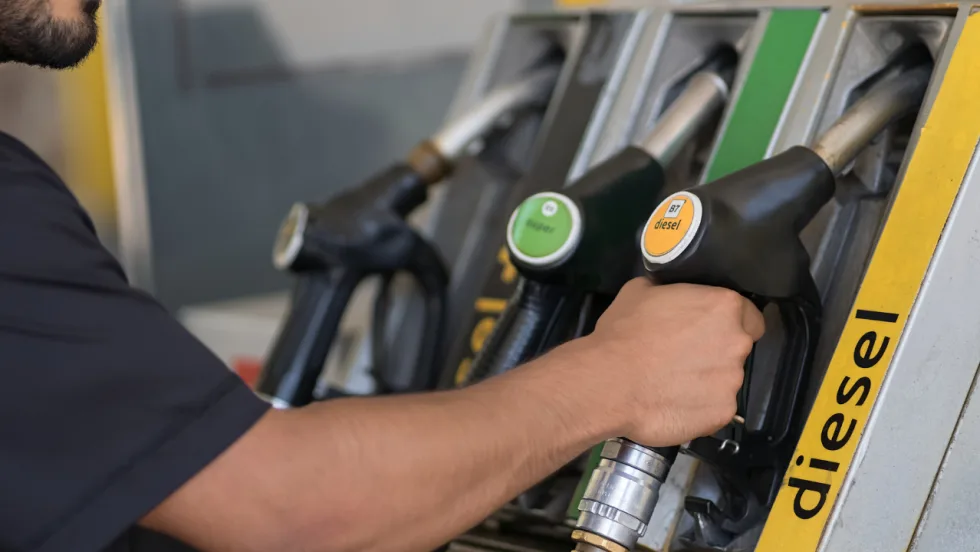
Ignoring This Dashboard Warning Could Cost Your Fleet Thousands in Fuel
New research suggests neglected diesel aftertreatment systems could waste up to $30 in fuel per vehicle each day. Here's why vocational fleets should pay attention.
Read More →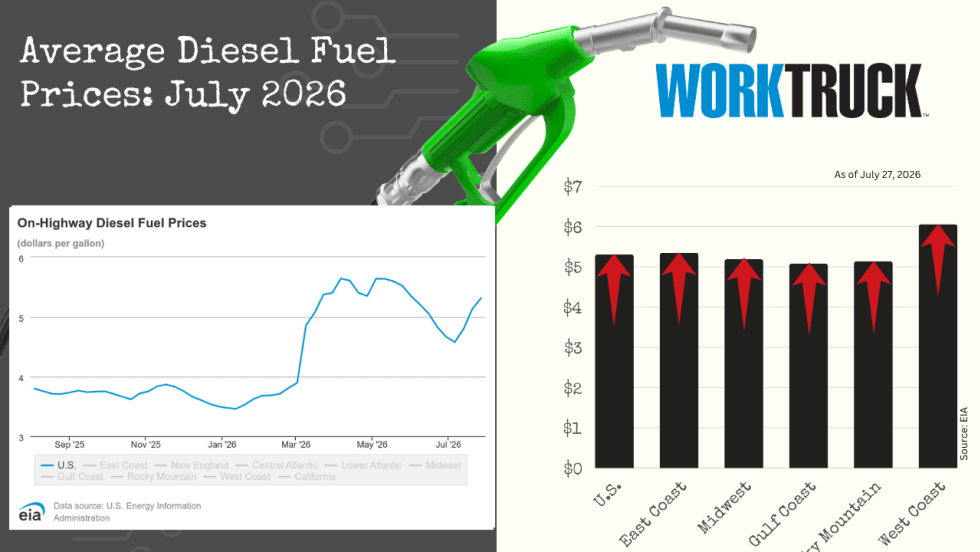
July Diesel Trends Update
The average price of a gallon of diesel increased again this week, and the EIA reported a new national average of $5.31 at the start of the week.
Read More →
WEX Brings Standard Fleet's Connected Vehicle Platform to Fleet Customers
This week’s product launch with Standard Fleet’s connected vehicle platform reflects WEX Venture Capital's strategy of turning startup innovation into customer solutions. Standard Fleet is now available to WEX fleet customers.
Read More →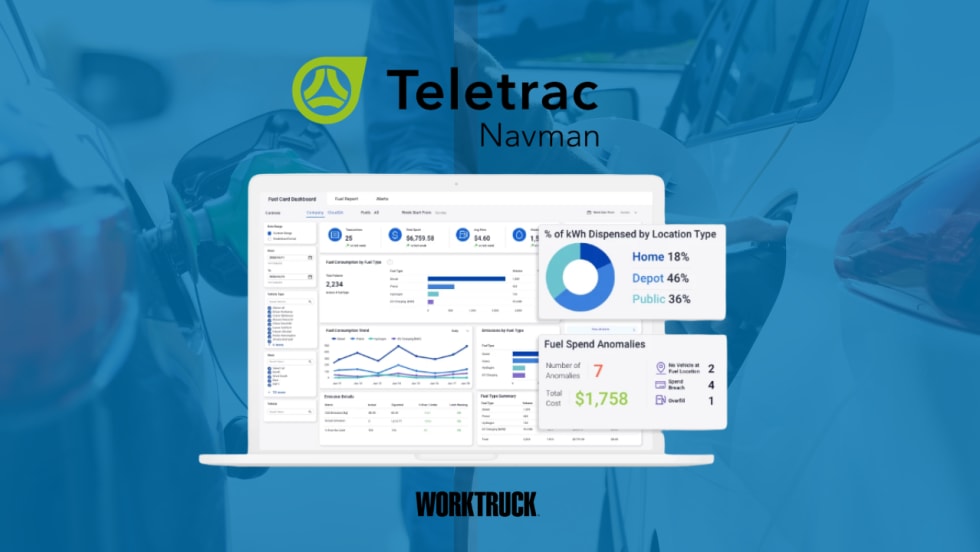
Teletrac Navman Adds Mixed-Energy Fleet Tools to TN360
The new Energy Hub combines fuel transactions, EV charging data, vehicle range, and energy costs in one dashboard for fleets operating multiple vehicle and energy types.
Read More →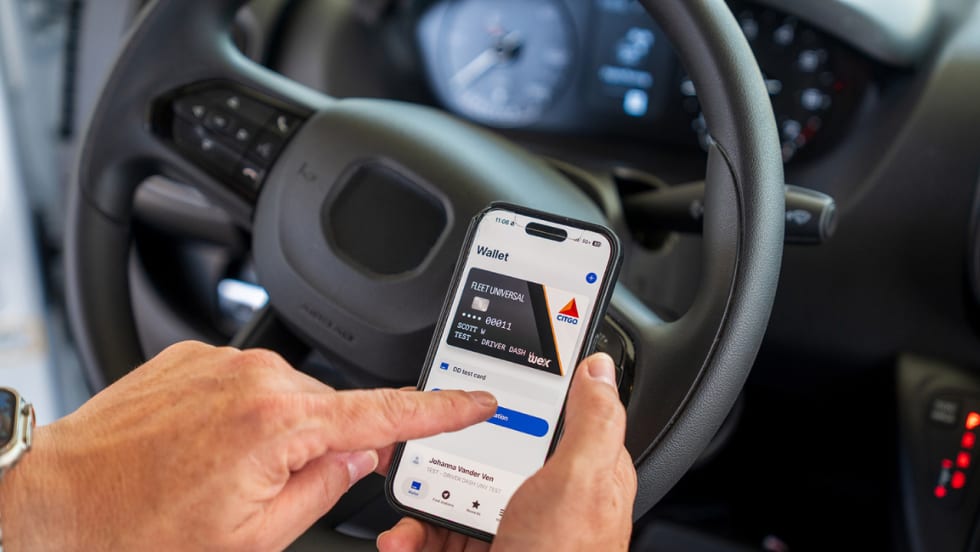
WEX DriverDash adds CITGO, Expands Nationwide Access for Fleets
The DriverDash mobile payment app, by WEX, has been integrated into the CITGO merchant network, which means WEX has expanded its U.S. station footprint with the addition of approximately 4,000 CITGO locations.
Read More →
Mixed Energy Fleet Tips for Balancing EVs, Gas and Diesel Vehicles
Mixed energy fleets are becoming the new normal. Learn how fleet managers are balancing EVs, gas and diesel vehicles while controlling costs and planning for the future.
Read More →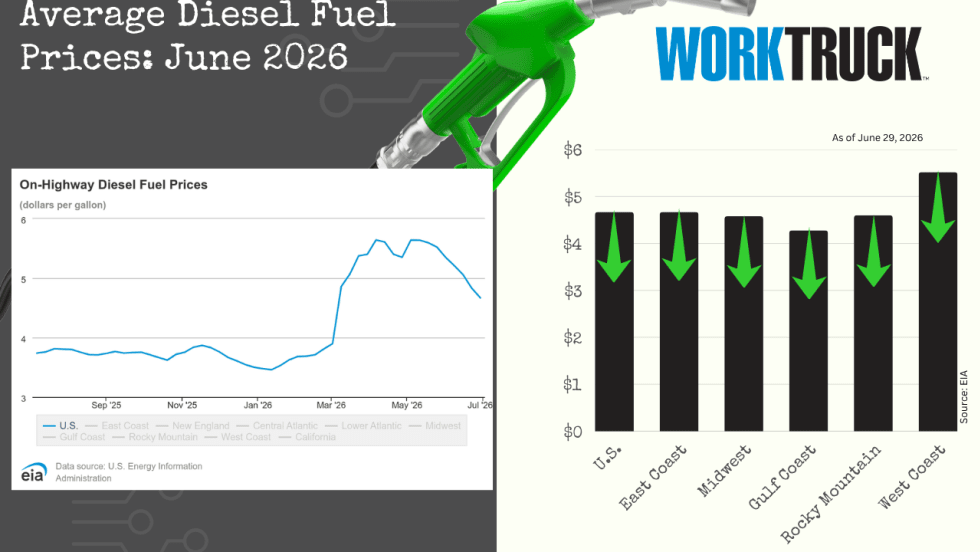
June Diesel Trends Update
The national average price of a gallon of diesel has dropped again, this week by more than 16 cents. All five regions reported lower average prices, ranging from almost 13 cents to more than 28 cents cheaper than a week ago.
Read More →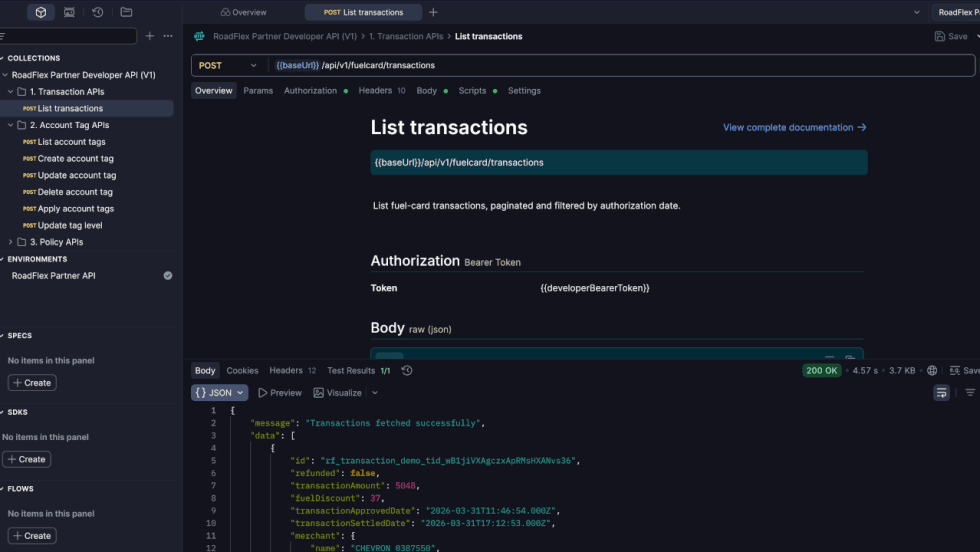
RoadFlex Launches RoadFlex Direct Open API Platform
RoadFlex Direct connects fuel cards, controls, and data to the telematics and fleet management systems fleets already run, from Geotab and Samsara to Fleetio and RTA, with no separate dashboard or double data entry.
Read More →
The Key to Fuel Efficiency Sits in the Cab
Learn how driver behavior, telematics, coaching, and fuel data can help fleets improve fuel efficiency, lower costs, and reduce emissions.
Read More →