





Read More: Navigating Maintenance Challenges for Small Business Fleets
Bendix Tech Tips: Post-Flood Inspection & Reconditioning
Thorough checks and testing are crucial to getting vehicles safely back on the road after they have been impacted by flooding or partial submersion in deep water. Bendix Tech Tips provides all you need to know to get your vehicles safely back on the road.
August 13, 2024
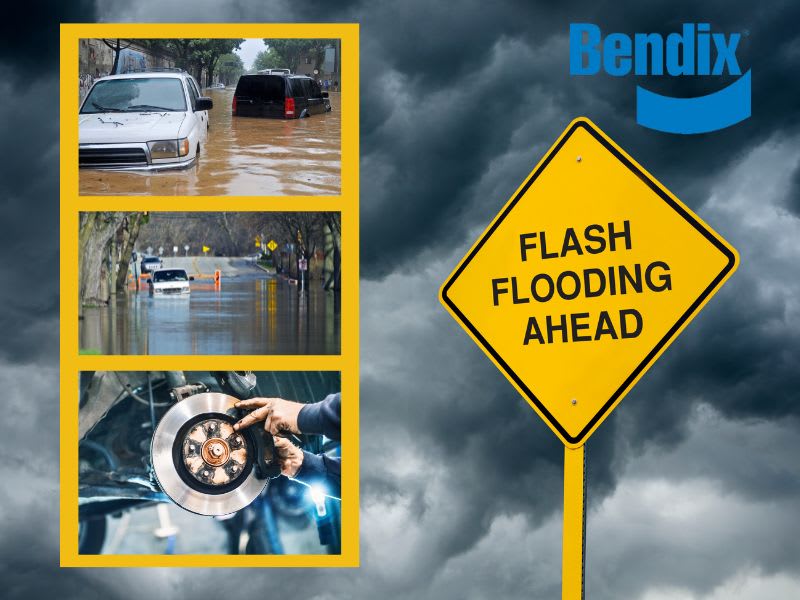
Learn from the latest Bendix Tech Tips how to inspect and possibly recondition air brake, wheel-end, and other safety components that have been partially or completely submerged.
Photo: Work Truck/Bendix
7 min to read
Hurricanes and summer storms are once again unleashing torrential rain in regions of the United States, resulting in devasting floods requiring massive relief and rebuilding efforts – many of which depend on the trucking industry and thousands of truck drivers.
This special installment of the Bendix Commercial Vehicle Systems LLC (Bendix) Tech Tips series provides fleets and drivers with technical advice on inspecting and possibly reconditioning air brake, wheel-end, and other safety components that have been partially or completely submerged.
“One important thing to note is that electric vehicles are becoming more common, and service procedures for EVs require special training,” said Randy Salvatora, engineering manager – vehicle systems at Bendix. “Do not approach a previously submerged hybrid or electric vehicle until the high-voltage electrical system is inspected by a qualified technician.”
Salt Water Damage vs. Fresh Water Damage
The first determination to make is whether the water affecting the vehicle was salt water or fresh water. If it was salt water, you’ll need to immediately begin replacing parts due to its extreme corrosivity, which can remove lubrication and put certain parts at much higher risk for unexpected and premature malfunction. Any brake system valve that has been submerged in salt water must be replaced. In addition, systems and components including air compressors, air reservoirs, antilock brake system (ABS) relays, modulators, wiring harnesses, and brake actuators must also be replaced. Talk to your Bendix account manager or call the Bendix Tech Team for complete details.
“Saltwater corrosion is also a threat to brake mechanisms, since it increases the likelihood of rust jacking of the friction material and accelerates corrosion of critical surfaces,” Salvatora said. “So, we recommend complete replacement of the foundation brakes to prevent a potential future failure. And if it’s not clear whether the water was fresh or salt, play it safe and follow the saltwater guidelines.”
Additionally, when replacing any pneumatic system components that have been subjected to flood conditions, disconnect all contaminated air tubes and hoses, flush them with clean water, and blow them out with air pressure to remove contaminants.
Fresh-Water Damage Guidelines
If you’re certain the power unit or trailer was submerged in fresh water, begin by carefully power-washing the vehicle – including the foundation brakes.
Be cautious while cleaning: Rubber parts and sealing interfaces should not be directly sprayed with the high-pressure jet.
Irreparable damage to valves will occur when a high-pressure washer directly sprays exhaust ports. Appropriate PPE (Personal Protective Equipment) is recommended while washing or working on flooded vehicles, whether salt water or fresh. In the unapplied state, most valves have the delivery open to atmosphere at the exhaust port, so if any exhaust port is submerged, the water has infiltrated the system and can lead to future malfunction.
Do not attempt to start a vehicle if fresh water has entered the air compressor or dryer through the air system intakes.
How to Check the Air Brake System
Follow these steps to thoroughly check the various parts of the air brake system:
Vehicle valving
Inspect each component in the pneumatic brake and accessory systems.
Drain any pressure remaining in the service reservoirs.
Mark and remove all pneumatic and electrical connectors at each valve.
Check for evidence of water or contamination inside the connectors, air hoses, or the component itself.
Carefully inspect any wiring harness connections. Water infiltration at the connector can lead to corrosion of the wiring harness inside the insulation. This can lead to intermittent continuity, increased resistance, and time-consuming electronic diagnostics.
Carefully use dry compressed air pressure (from a stationary compressor or similar) to blow air through the pneumatic tubes and hoses. Watch for evidence of water or contamination.
If water or contamination is found inside the component, replace the component.
If no evidence of water or contamination is found inside the component, reassemble the component to the associated lines and fittings.
Repeat this process as you continue to inspect all the valves in the air brake system. Replace any nonfunctioning valves or those showing evidence of ingestion of water or contaminants.
Inspect tractor and trailer glad hands and the supply and control hoses. Water and contaminants frequently enter the air brake system through unprotected glad hands.
Charging system
Inspect the air intake, compressor, and air dryer for signs of water or contaminant ingestion.
Carefully use dry compressed air pressure (from a stationary compressor or similar) to blow air through the pneumatic tubing and watch for evidence of water or contamination.
An electrically driven air compressor that has been submerged is not serviceable and should be replaced.
Use dry compressed air from a stationary air compressor (or suitable portable unit) to get any residual water out of the service tanks.
Air dryers remove moisture in compressed air, but they will not remove moisture that’s present in the system beyond the service tanks.
After reconnecting pneumatic lines, install a new or properly serviced air dryer to aid in removing any residual moisture from the air inlet.
If you find signs of moisture or other contamination, then all the pneumatic air brake components should be replaced: Once water or contaminants get into any of the air brake components, it’s impossible to completely clear the system without total disassembly. Consider also the guidance included in the TMC Recommended Practice 617A for contaminant elimination procedure for tractor, trailer, or dolly air brake systems.
Wheel-Ends and Electronics
Examine all wheel-ends for water, which increases the possibility of corrosion between drum brake lining material and the shoe table (rust jacking), and can also pool in drums when left standing – increasing the risk of corrosion. You will also need to check the integrity of the friction couple between the friction and disc or drum. Water-filled loading docks may not immediately come to mind as “flood events,” but can certainly have the same impact to some wheel-end components such as slack adjusters.
Remove any fittings and mounting stud nuts, and orient ports downward to verify that no water has entered brake chambers through the air lines. If water is present, replace the actuator. Follow the appropriate wheel-end relubrication procedures, including re-greasing slack adjusters.
Assess the braking/safety electronics components by using a tool such as Bendix ACom Pro software to conduct a diagnostic download on systems such as ABS, ESC (electronic stability control), and collision mitigation controllers, including any front or side radar units. Electronics will validate through self-check in most cases: If the electronic control unit (ECU) is operable, it will check the necessary solenoids, sensor, harnesses, etc.
A visual inspection is still necessary. Any residual mud must be cleaned off the radar and radar cover. If any cracks or damage are observed, then both the radar and cover should be replaced. Make sure to inspect the seven-pin electrical connector interface between the tractor and trailer as well. Corrosion at this connection is a common cause of flickering lights and intermittent power to the trailer ABS system.
For further detailed reference, two Bendix Technical Bulletins are available in the Bendix Document Library at B2Bendix.com that serve as valuable resources for getting tractors and trailers back into service after they’ve been submerged:
Flood Damage: Bendix Recommended Procedure for Trailer and Dolly Control Systems That May Have Been Submerged (TCH-003-048)
Flood Damage: Bendix Recommended Procedure for Power Vehicles That May Have Been Submerged (TCH-003-049)
Back on the Road and Follow-Up Support
If your checks turn up no evidence of water or contamination, conduct a thorough test of the air brake system and ABS before returning the vehicle or trailer to service. Note that between the floodwaters and power-washing, it’s possible that ABS wheel speed sensors may have been moved from their normal position. Push them back into contact with the exciter ring by hand, and when the wheel turns, normal wheel-bearing play will adjust the sensor position.
“We recommend retesting and diagnostic checks of the electronic systems after the initial post-flood testing,” Salvatora said. “Additionally, make sure you’re following other vehicle and system manufacturers’ guidelines: Flooding can have bumper-to-bumper effects, and you can’t be too careful.”
Other Bendix support resources include 1-800-AIR-BRAKE, its service engineering team, and a library of Service Data Sheets and Technical Bulletins.
More Maintenance
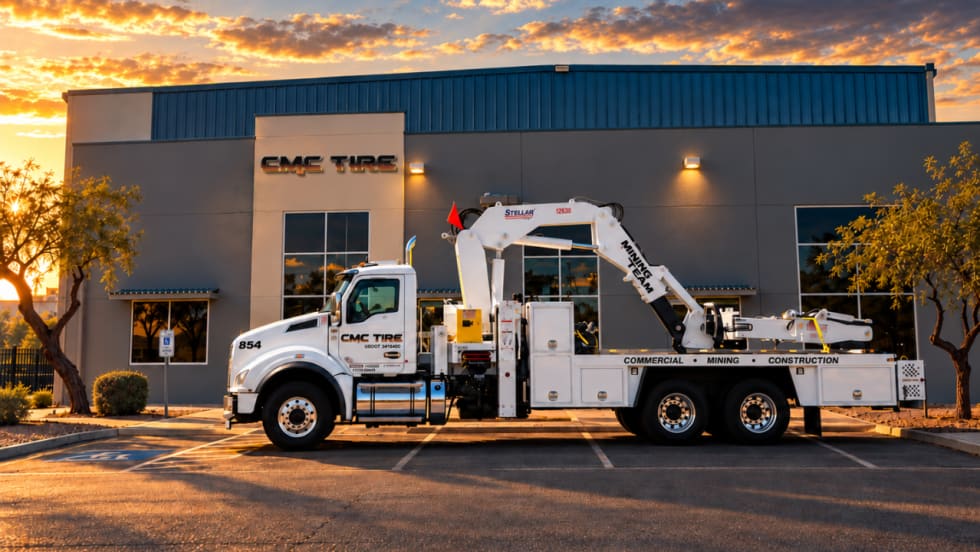
Les Schwab Expands Commercial Tire Footprint Into Arizona
Les Schwab Tires has expanded into Arizona with two commercial tire locations in Phoenix and Tucson, strengthening its fleet service footprint in the Southwest.
Read More →
Volvo Trucks’ 'Lock and Leave' Software Updates Go Live Across North America
Unattended over-the-air software updates are now available in Volvo trucks across the U.S. and Canada. The new capability lets trucks stay current with the latest software without interrupting operations or requiring a dealership visit.
Read More →
Why Technician Appreciation Can’t Be a Once-a-Year Thought
For fleets trying to keep skilled technicians, recognition cannot begin and end with Technician Appreciation Week. Learn what year-round appreciation really looks like and why the everyday technician experience matters just as much as pay when fleets are trying to keep good people.
Read More →
How Faster Driver Reporting Can Keep Small Truck Problems Small
When minor damage, warning lights, or equipment issues are reported late, small problems can quickly become bigger maintenance headaches. Conversational AI can help shorten the path from what a driver notices in the field to the person who can act on it.
Read More →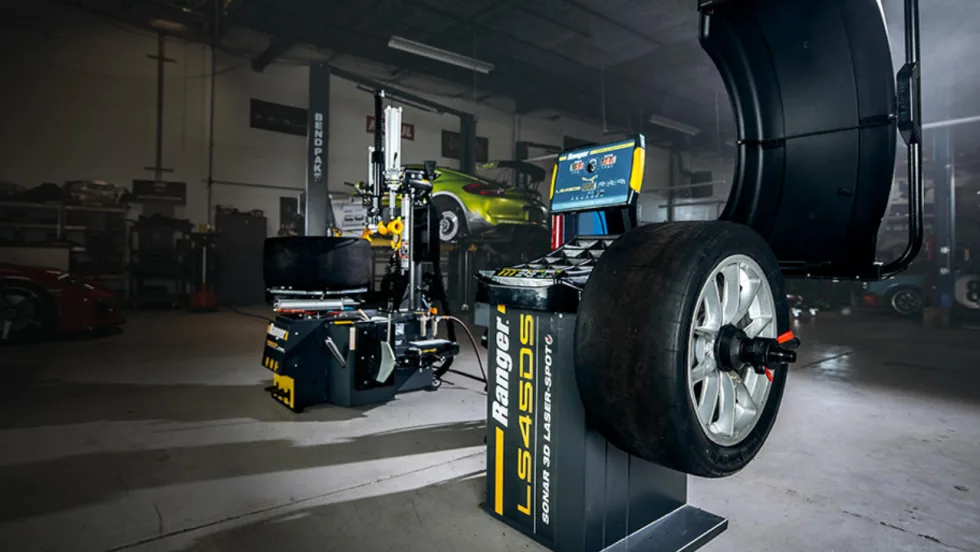
BendPak’s Ranger Wheel Service Equipment Achieves North American Safety Certification
BendPak’s full line of Ranger tire changers and wheel balancers has been ETL certified to UL and CSA standards to improve operator safety.
Read More →
Isuzu & U.S. Department of Labor Celebrate Milestone for Veterans Apprenticeship Program
The Isuzu Veterans Apprenticeship Program (IVAP) signing ceremony highlighted Isuzu’s long-term commitment to veterans, Isuzu dealers, and the skilled workforce supporting its customers and the commercial transportation industry.
Read More →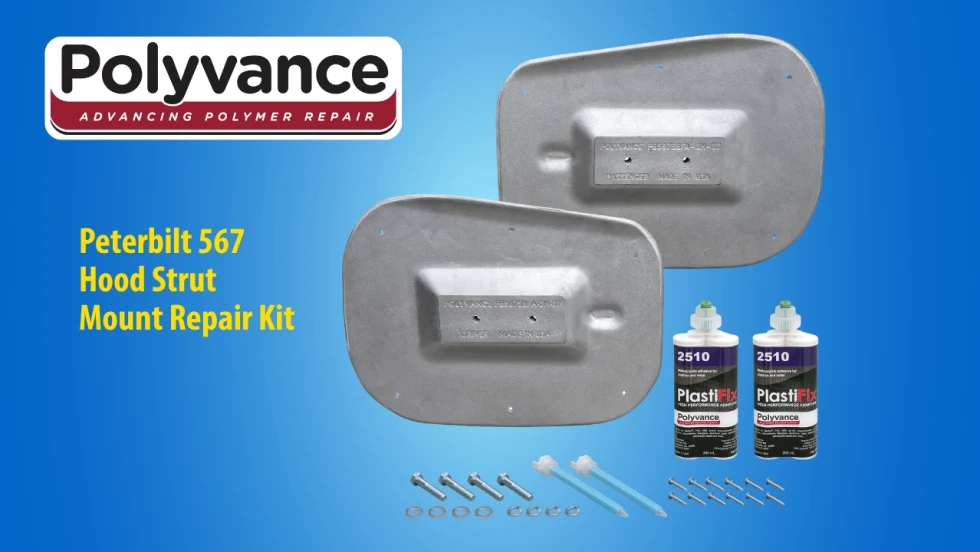
Polyvance Introduces New Peterbilt 567 Hood Strut Mount Repair Kit
Polyvance has launched a repair solution for Peterbilt 567 hood struts, helping truck owners and repair facilities avoid costly hood replacements.
Read More →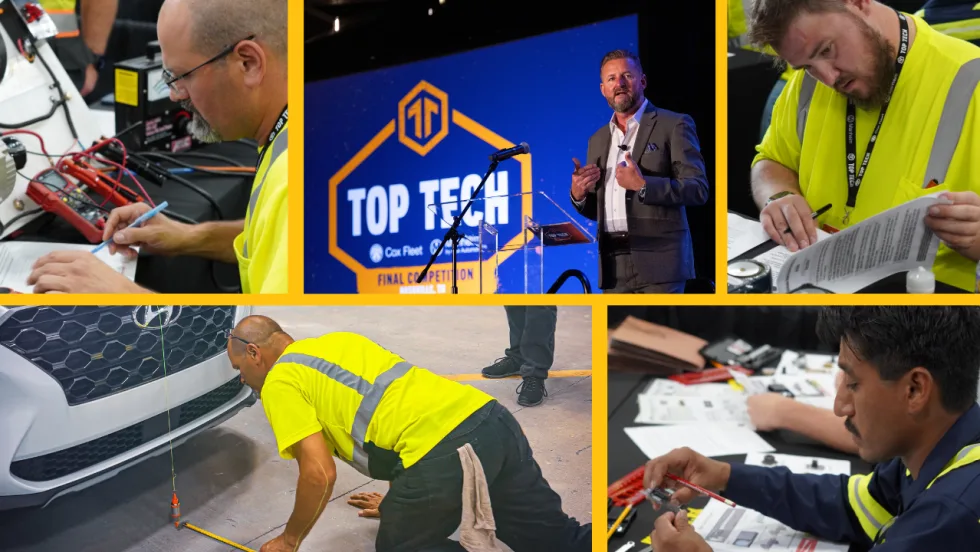
Cox Automotive Celebrates Technical Excellence at 2026 Top Tech Finals
The top technicians from Cox Fleet and Manheim tested their skills in Nashville, Tennessee, at Cox Automotive’s 2026 Top Tech Finals. The overall winners will advance to compete at the American Trucking Association’s TMC SuperTech competition.
Read More →
Grote Industries Appoints Vice President of North American Operations
Grote Industries has appointed Patrick Smith as vice president of North American operations as it celebrates 125 years of innovation and manufacturing excellence. He has more than 20 years of manufacturing leadership experience.
Read More →
Winter Fleet Prep: Expert Tips to Keep Vehicles Running Smoothly
Cold weather can expose weak batteries, tires, fuel systems, and maintenance gaps fast. Use this winter fleet checklist to prepare trucks and drivers before temperatures drop.
Read More →