




Azuga Unveils Wi-Fi Dash Camera
Azuga has launched SafetyCam, a Wi-Fi enabled, dash-mounted monitoring solution designed to monitor and improve driver behavior and ultimately lower costs related to driving incidents.

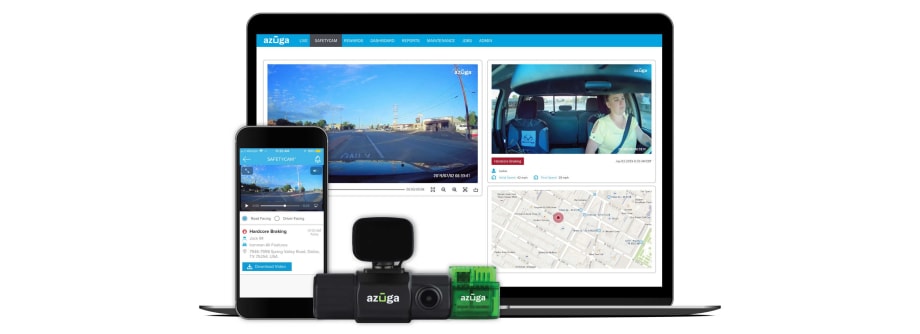
Azuga’s camera records 1080p footage of the road in front of the vehicle and the cabin of the vehicle.
Image courtesy of Azuga.
Azuga has launched SafetyCam, a Wi-Fi enabled, dash-mounted monitoring solution designed to monitor and improve driver behavior and ultimately lower costs related to driving incidents.
Azuga’s camera, which records 1080p footage of both the road in front of the vehicle and the cabin of the vehicle, is the newest entrant into the growing field of video telematics.
Although CEO and Co-Founder of Azuga Ananth Rani acknowledges that this isn’t the first product in the field, he feels the company’s timing has helped it understand the technology to a point that it has allowed it to package it in the most cost-efficient way it can.
“Our camera is super lightweight, highly functional and transmits video on a local Wi-Fi network from the camera to our telematics system,” said Rani. “Our telematics system then sends video through the 4G wireless network it operates on to the cloud. Since Azuga customers are already using devices in their vehicles that operate on 4G, we decided to leverage that connection to send videos and economize the cost of hardware.”
The Azuga SafetyCam can be bundled into existing contracts free of charge or purchased without a contract for $99, plus monthly service fees.
As with other video telematics platforms, the goal of the footage recorded by Azuga’s camera is to provide immediate proof of an accident’s cause and the party at fault during the insurance claims process.
“According to the American Trucking Association, 70% of all accidents are not the fault of the commercial driver, yet in most cases, the company is deemed at fault,” said Rani. "With Azuga SafetyCam, businesses and their insurance providers benefit from having a first-hand perspective into incident specifics, which helps in identifying who is at fault, during an accident or traffic violation.”
Even companies that self-insure can benefit from SafetyCam, noted Rani.
“Not all self-insured fleets were able to reap the cost-savings benefits from telematics tech when it first entered the market. We're now able to help them by reducing the frequency and severity of accidents, which protects their drivers, vehicles and their bottom line,” said Rani.
Fewer accidents, and less severe accidents mean that self-insured fleets won’t be paying out of pocket for these accidents as much as they might have in the past, Rani noted.
Azuga SafetyCam continuously records vehicle trips and it can automatically detect at-risk driving behaviors. In the event of erratic driving behavior such as hard braking, sudden acceleration, and hard cornering, the camera system will record footage after the event and upload it to the cloud.
Fleet managers can then access this footage, along with telematics data from Azuga’s telematics platform, and coach drivers that habitually exhibit these types of driving behaviors.
As these drivers are coached, the goal is that they’ll exhibit these behaviors, that the camera and telematics system have helped identify, less and less, resulting in fewer or less severe accidents.
Azuga’s SafetyCam is coming at a time when U.S. roadways have been getting increasingly dangerous. Before 2015, vehicle crash fatalities had been on the decline since 2005 — except for 2012, where fatality rates rose slightly.
Distracted driving and increased used of devices such as smartphones have been constantly cited for this increase since 2015. 2018 also marked the third year in a row where U.S. roadway deaths totaled at least 40,000.
With the number of miles that fleets typically run their vehicles through, 20,000 to 25,000 miles a year or more, there’s a lot of exposure to accident risks.
In fact, the annual accident rate for commercial fleets in 2018 was around 20%, and in some industries such as pharmaceuticals that figure was larger. That same year, the average cost of a loss related to a fleet vehicle accident was approximately $70,000, which is almost twice the cost of the average workplace injury.
Products like a video telematics system, alongside a comprehensive fleet safety program can play a large part in not only minimizing costs but also ensuring the safety of a fleet’s drivers.
Originally posted on Automotive Fleet
More Technology
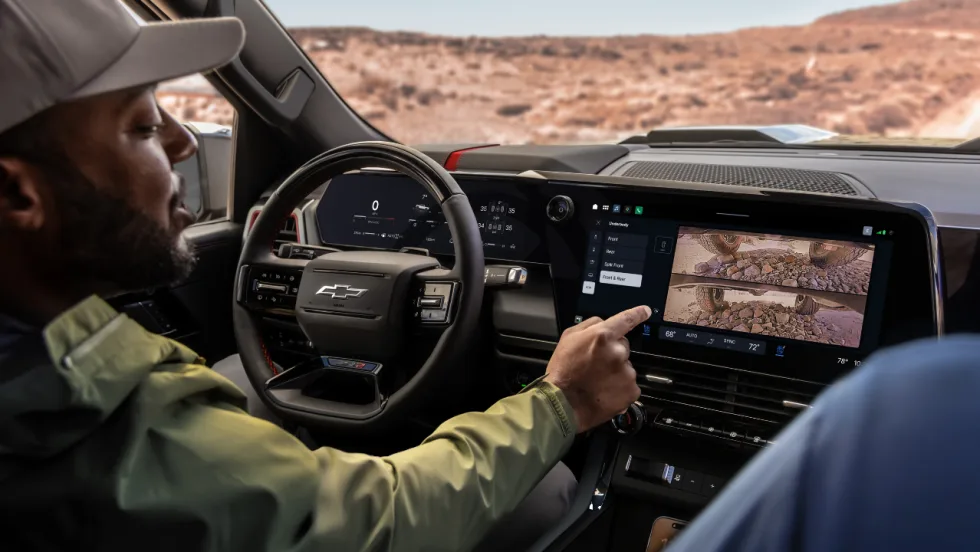
GM Brings New Truck Focused Interface to 2027 Silverado and Sierra
GM's new pickup interface puts trailering data, camera views, vehicle controls, and smartphone integration closer to the driver in the 2027 Silverado and Sierra.
Read More →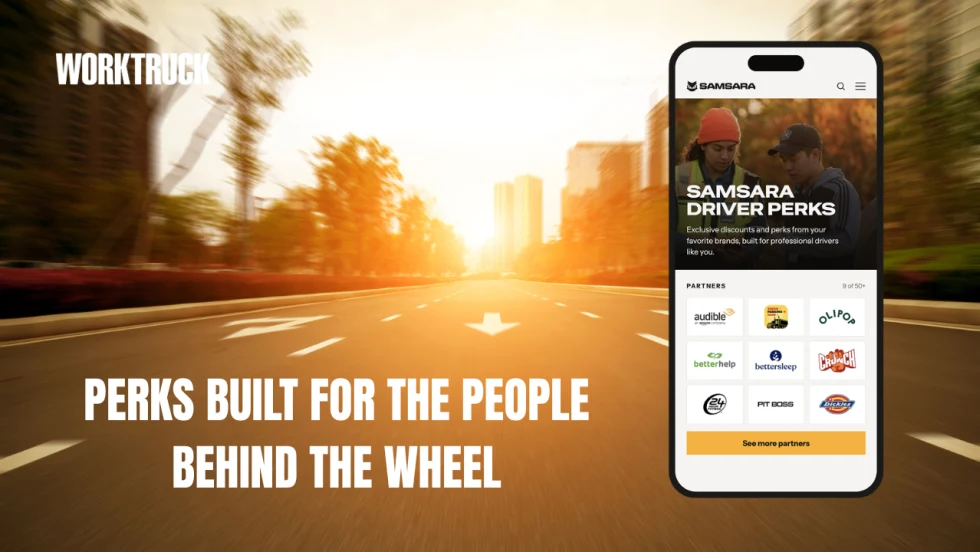
Samsara Driver Perks Expands Rewards Beyond the Long Haul Driver
Samsara’s new driver rewards program was built with a broader professional driver in mind, including employees who split their day between driving, job sites, service calls, and other work.
Read More →
AI Service Advisor Aims to Cut Fleet Repair Downtime
Fleetio said its AI Service Advisor can help fleets cut repair downtime by an average of 2.5 hours per repair while reducing manual maintenance work.
Read More →
Verra Mobility Launches AI-Driven Title & Registration Solution
Verra Mobility has launched a new AI-driven Title & Registration platform to help fleets move vehicles from acquisition to the road the same day while reducing compliance risk.
Read More →
Wialon Unlocks OEM Data to Give Fleet Owners Data Ownership & Operational Clarity
Wialon has introduced hardware-free OEM integration as the EU Data Act accelerates the shift in vehicle data access across the fleet industry in many countries.
Read More →
Teletrac Navman Promotes New CEO from Within
Teletrac Navman’s next CEO, Ricardo Buranello, has served as the company’s chief financial and operating officer. He brings deep financial and operational expertise, a strong strategic orientation, and an intimate knowledge of the business to his new role.
Read More →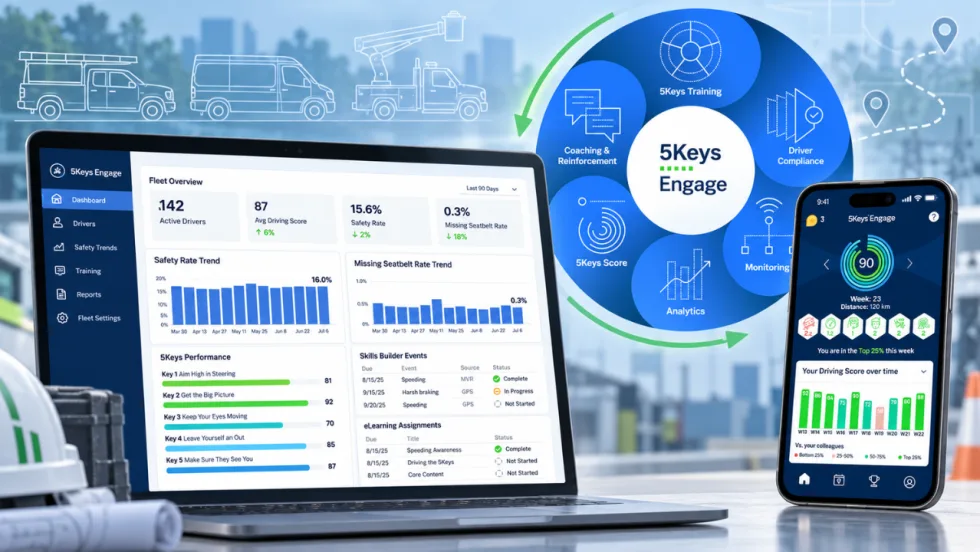
Smith System Wants Work Truck Fleets to Look Beyond the Driver Alert
Smith System’s new Driver Risk Management program is built to help mixed work truck fleets turn telematics alerts and observations into specific behaviors, coaching actions, and measurable follow-up.
Read More →
Ford Pro Software Updates: August 26
Check out the latest Ford Pro software updates, including Google Maps integration, Remote Vehicle Alarm integration, Motor Pool for easier management of shared pool vehicles, and more.
Read More →
Where AI Is Actually Saving Fleet Managers Time
AI is moving past the buzzword stage and into the daily fleet workflow. Fleetio’s Brianna Perry Lang breaks down where fleets are seeing real time savings, from maintenance and data entry to repair decisions, safety, and compliance
Read More →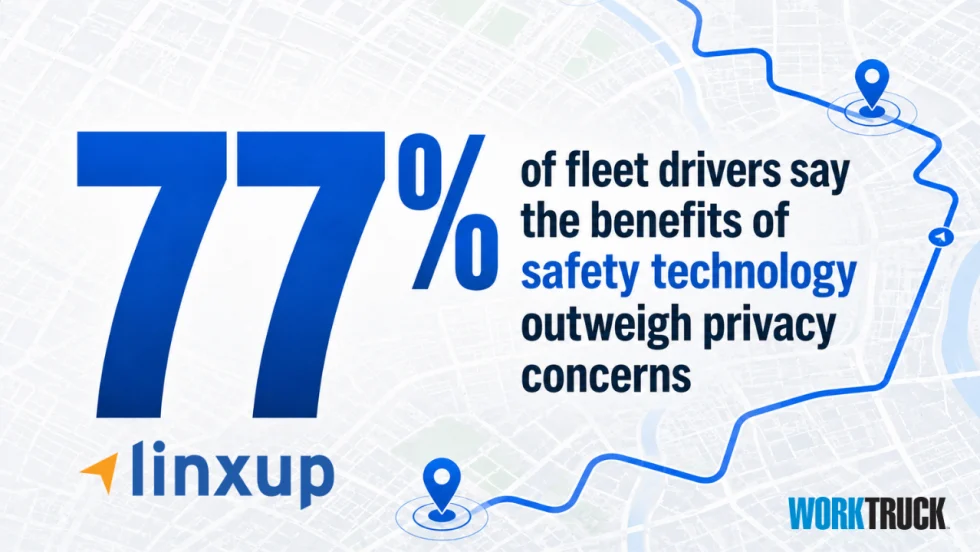
Are Work Truck Drivers Warming Up to Dash Cams and GPS Tracking?
A new survey finds field-service drivers may be more comfortable with dash cams and GPS tracking than fleet managers think, especially when the technology helps protect them after a crash.
Read More →