




Altec Recalls Aerial Devices for Electrocution Risk
The utility truck aerial devices may allow electricity to be conducted through the boom after water seeps into the fiberglass layers, according to NHTSA.
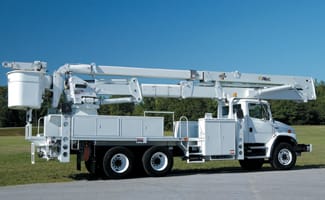
Photo courtesy of Altec Industries.
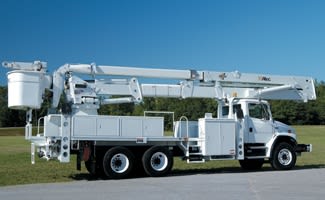
Photo courtesy of Altec Industries.
Altec Industries Inc. is recalling 120 2009-2012 model-year AH75, AH85 and AH100 aerial devices because they may pose an electrocution risk, the National Highway Traffic Safety Administration reports.
The aerial devices in question may allow electricity to be conducted through the boom after water seeps into the fiberglass layers. This condition increases the risk of electrocution to the operator if the boom contacts a power line.
Additionally, the joint connecting the fiberglass insert and the steel boom components may fail, NHTSA said, which could cause the boom to fall.
The recall covers aerial devices manufactured from October 2009 through December 2012.
Altec dealers will perform supplemental dielectric testing and replace the lower boom. There will be no charges for these services.
The recall is expected to begin on July 28. Altec customer service can be reached at 1-877-462-5832. Altec's number for this recall is CSN 598.
Originally posted on Automotive Fleet
More Safety & Compliance
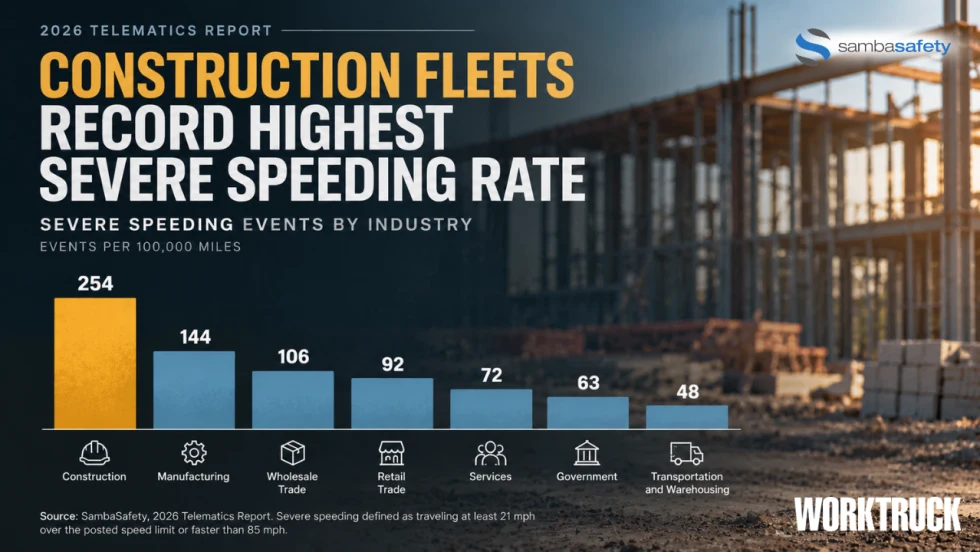
Construction Fleets Show Telematics Adoption Alone May Not Reduce Driving Risk
SambaSafety found construction fleets monitor roughly 92% of their vehicles but recorded the highest severe speeding rate among industries studied.
Read More →
Lytx Launches 360 Hub Kit for Expanded Fleet Camera Visibility
Lytx’s new AI-ready gateway and HD auxiliary camera ecosystem, the Lytx 360 Hub Kit, extends visibility across side, rear, cargo, and blind-zone views to help fleets see more and respond faster.
Read More →
Mack Defense Achieves Cybersecurity Maturity Model Certification Level 2
After an assessment conducted by an authorized Certified Third-Party Assessment Organization (C3PAO), Mack Defense has achieved Cybersecurity Maturity Model Certification (CMMC) Level 2.
Read More →From Our Partners


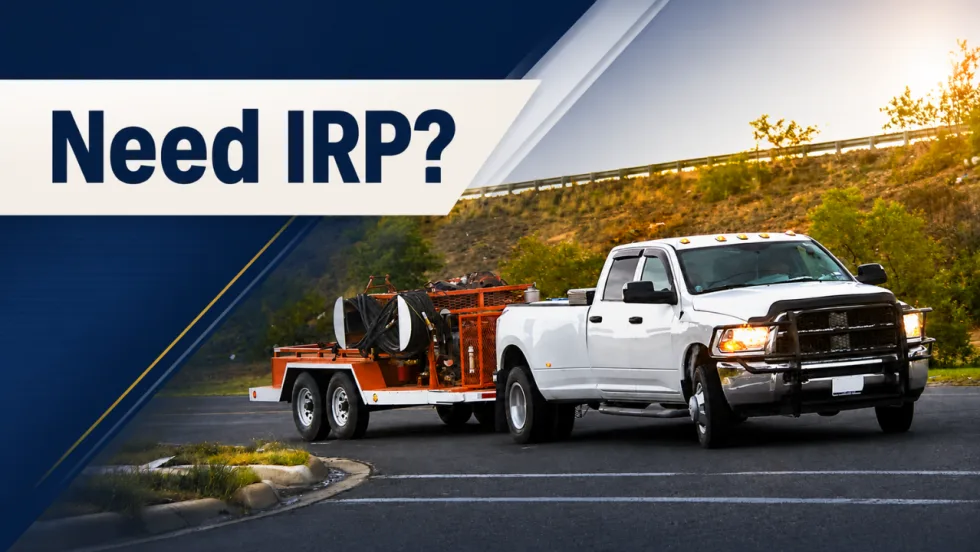
When Work Trucks Under 26,001 Pounds Need IRP Registration
Think trucks under 26,001 pounds are automatically in the clear when it comes to IRP? Not always. Learn where lighter vehicles can still run into trip permit, apportioned registration, and IFTA compliance requirements when crossing state or provincial lines.
Read More →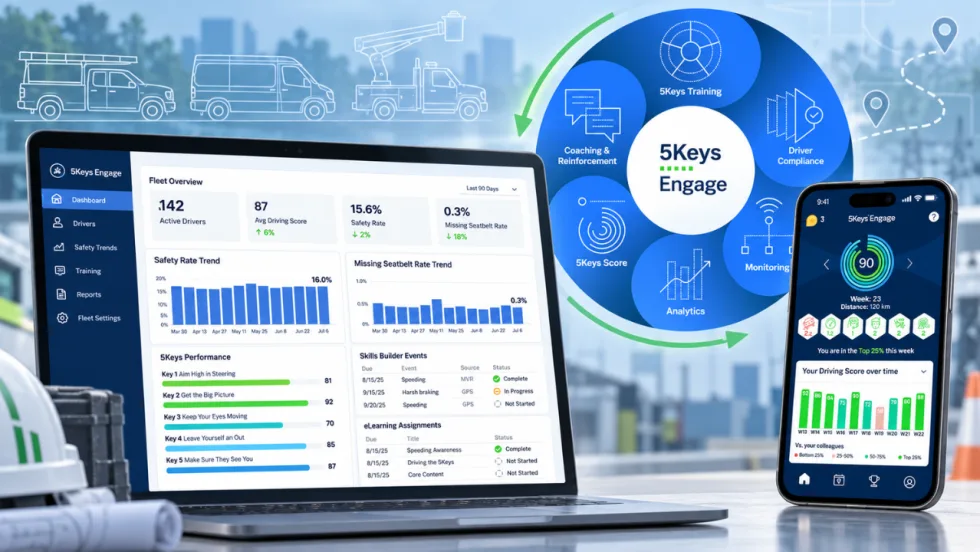
Smith System Wants Work Truck Fleets to Look Beyond the Driver Alert
Smith System’s new Driver Risk Management program is built to help mixed work truck fleets turn telematics alerts and observations into specific behaviors, coaching actions, and measurable follow-up.
Read More →
Volvo Trucks Releases New Safety Recommendations for Traveling with Pets
One of the most important recommendations for professional drivers traveling with pets is to ensure pets are properly restrained while the truck is moving. Other tips are available in the new guide from Volvo Trucks North America and Center for Pet Safety.
Read More →
Are Work Truck Drivers Warming Up to Dash Cams and GPS Tracking?
A new survey finds field-service drivers may be more comfortable with dash cams and GPS tracking than fleet managers think, especially when the technology helps protect them after a crash.
Read More →
Recalls You Need to Know About in September 2026
If you have Altec, Chrysler, Ford, Heil, General Motors, International, Mack Trucks, Paccar, Rivian, Royal Truck, Toyota, US Truck Body, or Volvo Trucks vehicles in your fleet, you should check these important recalls issued by the National Highway Safety Administration.
Read More →
API Issues Refueling Safety Guidelines
The American Petroleum Institute offers a list of safe vehicle refueling guidelines, including ways to avoid potential problems with static electricity discharges in fall, winter, and early spring.
Read More →
Winter Fleet Prep: Expert Tips to Keep Vehicles Running Smoothly
Cold weather can expose weak batteries, tires, fuel systems, and maintenance gaps fast. Use this winter fleet checklist to prepare trucks and drivers before temperatures drop.
Read More →