




Alabama Pipeline Explosion Will Mean Higher Fuel Prices in Some States
An explosion in Alabama on what’s said to be the biggest fuel pipeline in the U.S. Monday will likely lead to a temporary price spike in diesel and gasoline in the Southeast states served by the pipeline and also may affect the Northeast.

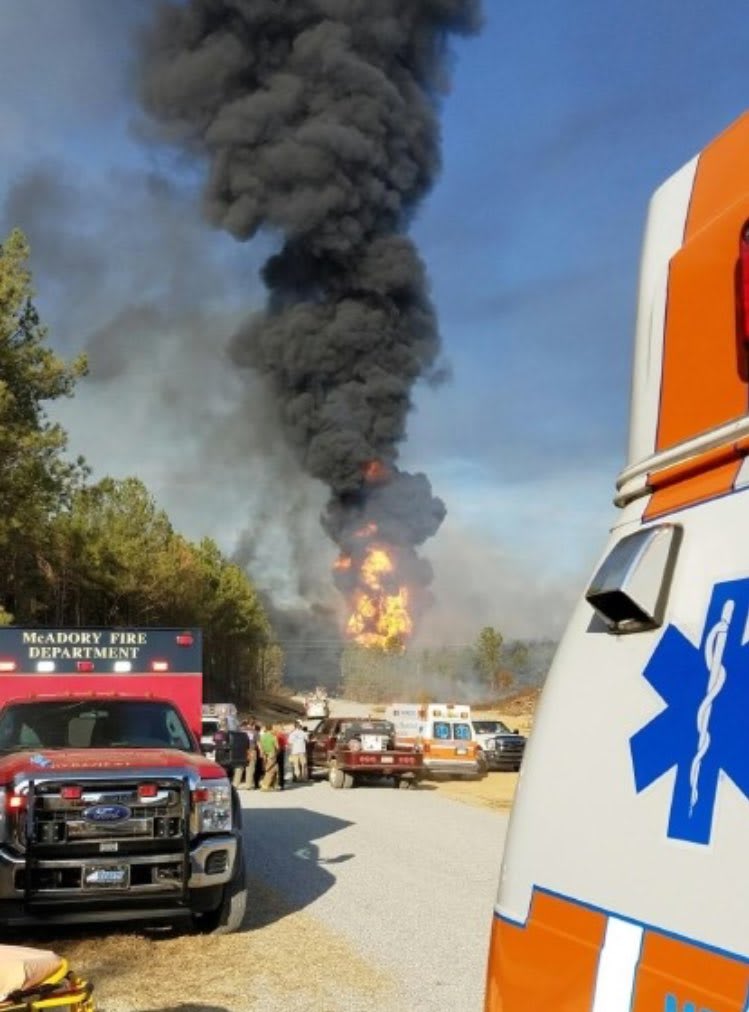
Photo via Alabama Gov. Robert Bentley's Twitter feed.
Photo via Alabama Gov. Robert Bentley's Twitter feed.
CORRECTED -- An explosion in Alabama on what’s said to be the biggest fuel pipeline in the U.S. Monday will likely lead to a temporary price spike in diesel and gasoline in the Southeast states served by the pipeline and also may affect the Northeast.
The explosion in Shelby County, southwest of Birmingham, which killed one and injured at least five others, happened shortly after 2 p.m. Central time October 31. It was caused when a trackhoe being used by a contract crew working on Colonial’s gasoline pipeline hit the line, according to a statement from owner Colonial Pipeline. Gasoline was ignited and caused a fire, which sparked wildfires that burned more than 30 acres.
Colonial shut down its two mainlines, one of which carries gasoline and the other diesel.
The explosion was a few miles from the location of a September 9 leak that also resulted in the pipeline being shut down. The spill in September shut the line for 12 days.
With the news, gasoline and diesel futures spiked Tuesday morning. According to Tom Kloza with the Oil Price Information Service, around 10 a.m. Eastern time, gasoline prices were up between 5 cents and 12.5 cents east of the Rockies for gasoline, while diesel was up by 5 cents in most markets.
“But it’s still early,” he told HDT in an interview. “Everyone’s waiting to see if this is going to be down for five days, 10 days, 20 days or [longer.]”
Effects mostly will be felt in Georgia, Tennessee, the Carolinas and Virginia, and to some extent Alabama, Kloza said. The Northeast also will likely feel the effects, he said, although there are other options there for buying fuel.
“I always talk about how we have a great distribution system and terrific refineries,” Kloza said,” but it operates on a just in time basis, and when something happens to disrupt just-in-time distribution, it’s intolerable.”
Kloza noted that while of course it is a tragedy for those involved, in terms of a fuel price spike, “This is not an apocalyptic event. But it reminds everybody, there's a glut of crude but there’s never really a glut of gasoline and diesel” because of the just-in-time nature of refining in the U.S.
The longer the Colonial mainlines are offline, “the more upward pressure will be placed on U.S. East Coast fuel prices, while downward pressure will be exerted on U.S. Gulf Coast product prices,” Robert Campbell, head of oil products research at Energy Aspects Ltd. in New York, said in a note, according to Bloomberg.
Corrected 5:20 EDT 11/1 to correct date of explosion.
Originally posted on Automotive Fleet
More Fuel

The Smart Way to Build a Mixed-Energy Fleet Isn’t About Picking a Side
Mixed-energy fleets aren’t about picking a winning fuel. Sarah Booth of WEX explains how vehicle data, duty cycles, charging strategy, and real-world costs can help fleets choose the right energy source for each job.
Read More →
Ignoring This Dashboard Warning Could Cost Your Fleet Thousands in Fuel
New research suggests neglected diesel aftertreatment systems could waste up to $30 in fuel per vehicle each day. Here's why vocational fleets should pay attention.
Read More →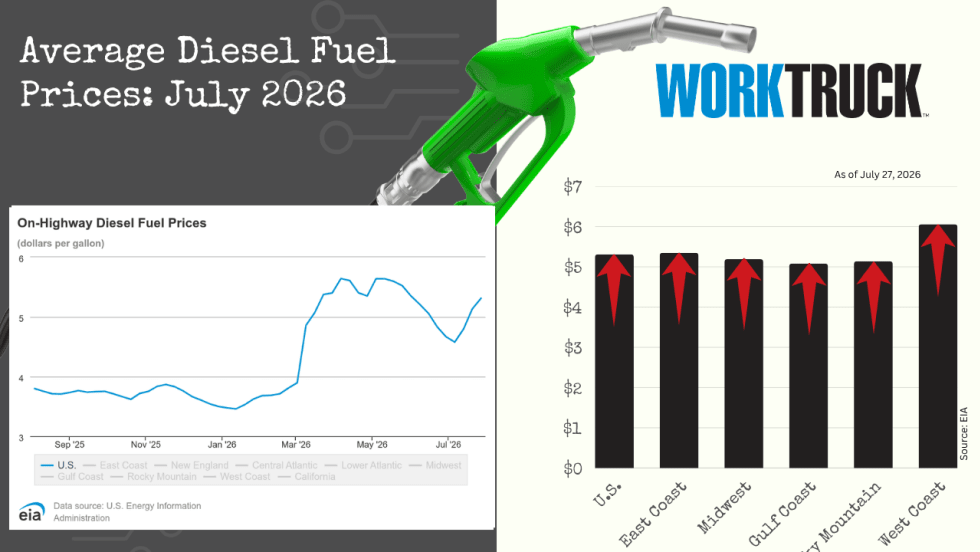
July Diesel Trends Update
The average price of a gallon of diesel increased again this week, and the EIA reported a new national average of $5.31 at the start of the week.
Read More →

WEX Brings Standard Fleet's Connected Vehicle Platform to Fleet Customers
This week’s product launch with Standard Fleet’s connected vehicle platform reflects WEX Venture Capital's strategy of turning startup innovation into customer solutions. Standard Fleet is now available to WEX fleet customers.
Read More →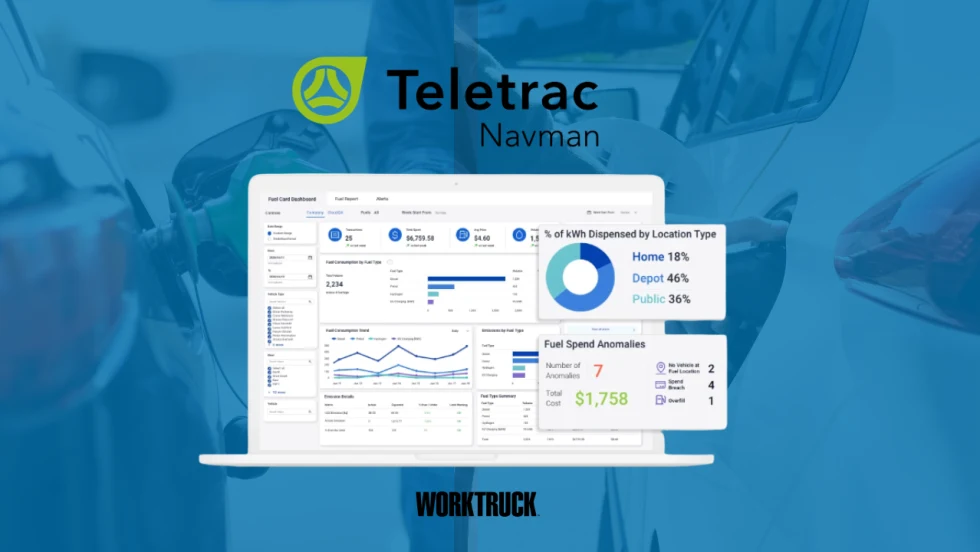
Teletrac Navman Adds Mixed-Energy Fleet Tools to TN360
The new Energy Hub combines fuel transactions, EV charging data, vehicle range, and energy costs in one dashboard for fleets operating multiple vehicle and energy types.
Read More →
WEX DriverDash adds CITGO, Expands Nationwide Access for Fleets
The DriverDash mobile payment app, by WEX, has been integrated into the CITGO merchant network, which means WEX has expanded its U.S. station footprint with the addition of approximately 4,000 CITGO locations.
Read More →
Mixed Energy Fleet Tips for Balancing EVs, Gas and Diesel Vehicles
Mixed energy fleets are becoming the new normal. Learn how fleet managers are balancing EVs, gas and diesel vehicles while controlling costs and planning for the future.
Read More →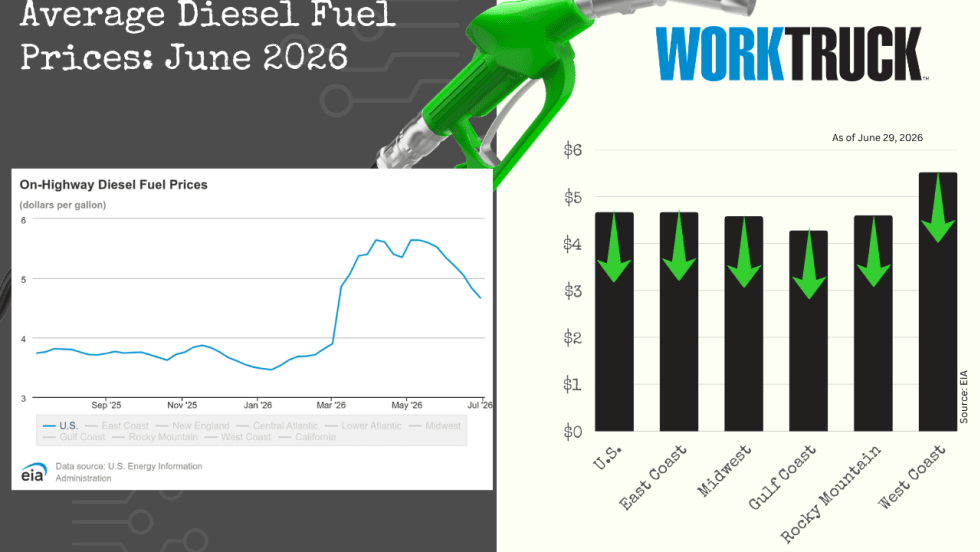
June Diesel Trends Update
The national average price of a gallon of diesel has dropped again, this week by more than 16 cents. All five regions reported lower average prices, ranging from almost 13 cents to more than 28 cents cheaper than a week ago.
Read More →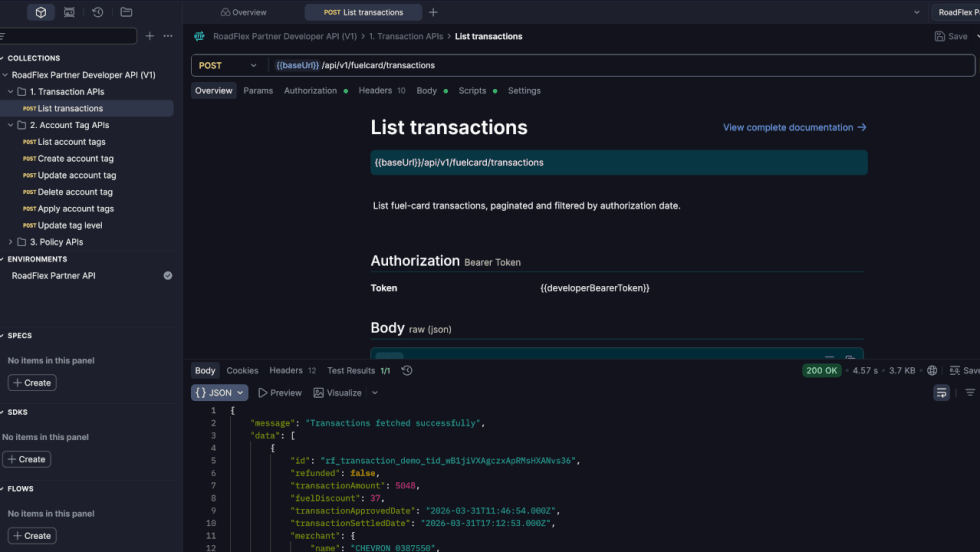
RoadFlex Launches RoadFlex Direct Open API Platform
RoadFlex Direct connects fuel cards, controls, and data to the telematics and fleet management systems fleets already run, from Geotab and Samsara to Fleetio and RTA, with no separate dashboard or double data entry.
Read More →
The Key to Fuel Efficiency Sits in the Cab
Learn how driver behavior, telematics, coaching, and fuel data can help fleets improve fuel efficiency, lower costs, and reduce emissions.
Read More →