




6 Tips to Prepare Fleets for Hurricanes
How can you prepare your fleet’s drivers to face the challenges of hurricane season? Check out these six preparedness tips.

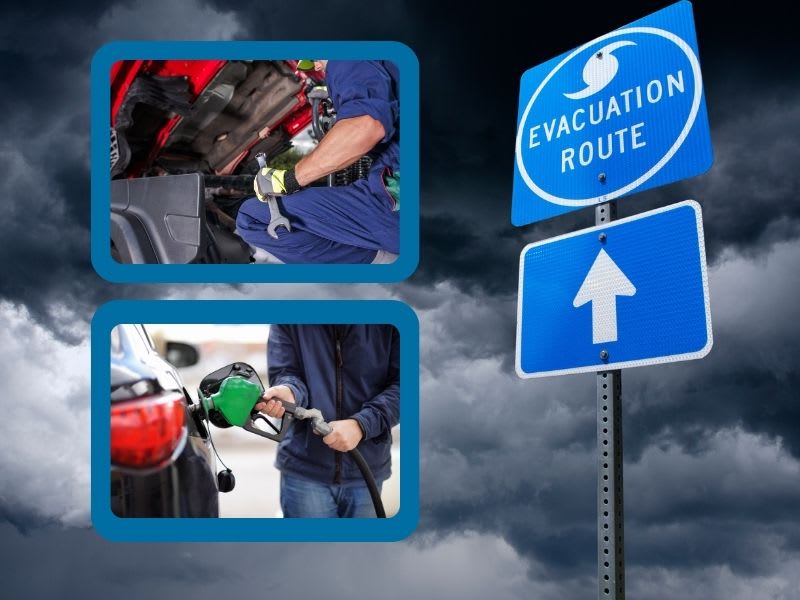
With NOAA forecasting an intense 2024 hurricane season in the Atlanta, here are tips to help fleets prepare.
Photo: Work Truck
Earlier this year the National Oceanic and Atmospheric Administration (NOAA) predicted the 2024 Atlantic hurricane season would be more active than normal. The forecast is for 17 to 25 named storms, meaning ones with winds of 39 mph or higher. How should fleets prepare?
Of those storms, NOAA predicts eight to 13 hurricanes in the Atlantic, with four to seven of those being major hurricanes – Category 3, 4, or 5. Although that is just a forecast, NOAA reported 70% confidence in the outlook and the numbers of storms expected.
“The upcoming Atlantic hurricane season is expected to have above-normal activity due to a confluence of factors, including near-record warm ocean temperatures in the Atlantic Ocean, development of La Nina conditions in the Pacific, reduced Atlantic trade winds and less wind shear, all of which tend to favor tropical storm formation,” NOAA said on its website.
Despite the threat of hurricanes, or even tropical storms, many transportation industry and work truck fleets still have jobs to get done. So, how can fleet managers prepare to keep drivers and vehicles safe?
Holman, a global automotive services leader, provided Work Truck with six tips to help fleets and prepare for an Atlantic hurricane season. The tips are designed to help drivers get ready for severe weather conditions such as:
Heavy rain
Strong winds
Flooding
Storm surge
The tips are aimed at helping them stay safe and protect their vehicles from damage.
“As always, your top priority is the safety of yourself and your loved ones, but this practical advice highlights proactive ways to prepare and protect your vehicle when a hurricane is headed your way,” said Chris Foster, Holman director of North American fleet management services.
1. Develop a Plan
Outline the actions you’ll need to take before, during, and after a storm. The plan should include emergency contact information as well as evacuation procedures.
2. Fuel Up in Advance
Hurricanes typically increase fuel demand and disrupt supply, leading to shortages. Ensure vehicles have a full tank of gas and electric vehicles (EVs) are fully charged before the storm. To combat prolonged power outages, consider having an emergency fueling or charging solution ready before demand peaks.
3. Move Vehicles from High-Risk Areas
Vehicles parked outside or in low-lying, flood prone areas are at significant risk during hurricanes. Move vehicles to higher ground or indoor locations to protect them from flood damage and falling debris.
4. Have an Emergency Roadside Kit
Essential items should include road flares or safety triangles, jumper cables, a first-aid kit, flashlight, a can of tire inflator, basic tools, bottled water, and a blanket.
5. Protect Important Vehicle Items
Make copies of essential documents such as registration and insurance cards. Store them in a safe place in a sealable plastic bag along with spare keys.
6. Take Photos of Vehicle Before & After
Take photos of the vehicle’s interior and exterior as proof of its condition prior to the storm in case they are needed for insurance purposes.
Storm and Post-Storm Safety
During and immediately after a hurricane, drivers should only be on the roads if absolutely necessary. If you must travel, do not drive through flooded areas and watch for potential road hazards such as downed trees or electrical wires. Once the storm subsides, Holman recommends thoroughly assessing the condition of vehicles before driving anywhere.
“When it is safe to do so, check the condition of your vehicle and take photos of any damage,” Foster said. “If you suspect your vehicle may have sustained flood damage, do not try to start your vehicle. Instead, document the waterline and have it towed to a repair facility for evaluation.”
Water damage to a vehicle’s engine and electrical components may prove catastrophic, he added.
More Safety
When Work Trucks Under 26,001 Pounds Need IRP Registration
Think trucks under 26,001 pounds are automatically in the clear when it comes to IRP? Not always. Learn where lighter vehicles can still run into trip permit, apportioned registration, and IFTA compliance requirements when crossing state or provincial lines.
Read More →
Volvo Trucks Releases New Safety Recommendations for Traveling with Pets
One of the most important recommendations for professional drivers traveling with pets is to ensure pets are properly restrained while the truck is moving. Other tips are available in the new guide from Volvo Trucks North America and Center for Pet Safety.
Read More →
API Issues Refueling Safety Guidelines
The American Petroleum Institute offers a list of safe vehicle refueling guidelines, including ways to avoid potential problems with static electricity discharges in fall, winter, and early spring.
Read More →
Winter Fleet Prep: Expert Tips to Keep Vehicles Running Smoothly
Cold weather can expose weak batteries, tires, fuel systems, and maintenance gaps fast. Use this winter fleet checklist to prepare trucks and drivers before temperatures drop.
Read More →
When a Work Truck Breaks Down, the Job Can Stop, Too
A work truck breakdown can stop more than the vehicle. Discover how payloads, jobsites, and specialty equipment change the roadside response.
Read More →
What Stronger Long-Term Fleet Service Partnerships Actually Require
Fleet service partnerships rarely fall apart all at once. Learn the three warning signs that trust is eroding and what fleets and providers can do before downtime, frustration, and lost revenue follow.
Read More →
Applause & TRUCE Software Partner to Improve Driver Safety Through AI-Powered Telematics & Employee Performance Management
Applause has integrated TRUCE driving metrics directly into its employee-first performance and safety platform that transforms mobile devices into AI-powered telematics.
Read More →
How Detroit Assurance with Active Brake Assist Works
Do you want to see what it is like to experience Detroit Assurance’s Active Brake Assist? In this video, Work Truck will put you in the cab to see how it all works and then hear more details from DTNA’s Mike Young.
Read More →
Get Left of Loss: A 5-Step Workplace Violence Prevention Framework for Fleet Operators
Violence risks do not stop at the driver’s door. Learn five practical steps fleets can take to spot threats early and protect workers before loss occurs.
Read More →
How Better Visibility Cut Speeding Violations by 48%
Fleet leaders don't need more data, they need clearer visibility into what the data is saying. This case study explores how one utility replaced speeding-event counts with a single metric — miles driven in violation — to strengthen safety and significantly reduce speeding violations.
Read More →