





Fleet Safety Spotlight: Essential Reads for National Safety Month
Making Fleet Safety a Priority All Year Long
Are you ready to take the lead in prioritizing safety for your commercial work truck fleet every month? Work Truck shares the top tips to ensure that fleet safety remains a top priority each day.
June 24, 2024
Fleet safety efforts need to be a priority all year long. Use National Safety Month as a kick off to your year-round efforts.
Photo: Work Truck
3 min to read
As National Safety Month draws to a close, it's crucial for fleet managers to understand that fleet safety is not a one-time event, but a continuous commitment. By integrating daily practical safety measures, you can significantly enhance the safety, efficiency, and productivity of your fleet.
Are you ready to take the lead in prioritizing safety for your commercial work truck fleet every month? Here are some essential steps to ensure that fleet safety remains a top priority each day.
Practical Steps for Everyday Fleet Safety
Regular Training: Continuous education on safe driving practices, defensive driving techniques, and the latest safety technologies are crucial. Regular training sessions keep drivers informed and prepared to handle various situations on the road. Consider implementing:
Monthly safety workshops
Defensive driving courses
Updates on new safety regulations and technologies
Routine Inspections: Scheduled vehicle inspections and maintenance checks ensure that all vehicles operate safely. A proactive approach helps identify and address potential issues before they escalate. Key practices include:
Daily pre-trip and post-trip inspections
Adhering to a strict maintenance schedule
Using checklists to ensure no aspect of the vehicle is overlooked
Safety Technology: Leveraging telematics and Advanced Driver-Assistance Systems (ADAS) can provide real-time data and alerts, helping drivers stay aware of their surroundings and adjust their behavior accordingly. Integrating technology can involve:
Installing telematics systems to monitor driving patterns and vehicle health
Utilizing ADAS features such as lane departure warnings, automatic emergency braking, and collision avoidance systems
Regularly updating software and training drivers on the use of new technologies
Clear Communication: As fleet managers, you play a crucial role in establishing open lines of communication with drivers. This is essential for fostering a robust safety culture. Clear communication allows for the quick dissemination of safety information and provides drivers with the opportunity to report any concerns. Effective strategies include:
Conducting regular safety meetings and briefings
Creating a safety hotline or digital platform for reporting hazards
Encouraging feedback and suggestions from drivers on improving safety practices
Incentive Programs: Recognizing and rewarding safe driving behavior can motivate drivers to adhere to safety protocols consistently. Consider implementing incentive programs that:
Offer rewards for accident-free periods
Acknowledge drivers who consistently follow safety procedures
Provide bonuses for drivers who participate in safety training sessions
Emergency Preparedness: Ensuring drivers are prepared for emergencies can mitigate risks and enhance response times. Equip your fleet with:
Emergency kits in each vehicle
Clear protocols for handling accidents, breakdowns, and other emergencies
Regular drills to practice emergency response procedures
Remember, by incorporating these practical steps into your daily operations, you can establish a safer, more efficient, and productive fleet. Safety is not a one-time effort but a continuous journey that brings benefits every day. Let's commit ourselves to making safety a priority every month, safeguarding our drivers, assets, and reputation.
More Safety & Compliance

Crossing State Lines in a Light-Duty Work Truck? Check These Rules First
Crossing state lines in a lighter work truck? J.J. Keller's Kathy Close explains when IRP registration, trip permits, and towing rules come into play.
Read More →
GeoFencing Adds to Your Truck Security Arsenal
Geofencing is a familiar fleet tool today, but its early adoption marked a major shift in vehicle tracking, route monitoring, and the debate over employee privacy.
Read More →
Recalls You Need to Know About in October 2026
In October 2026, what recalls might impact your fleet? Work Truck has the answers in this comprehensive overview of recent NHTSA recalls.
Read More →From Our Partners




Construction Fleets Show Telematics Adoption Alone May Not Reduce Driving Risk
SambaSafety found construction fleets monitor roughly 92% of their vehicles but recorded the highest severe speeding rate among industries studied.
Read More →
Lytx Launches 360 Hub Kit for Expanded Fleet Camera Visibility
Lytx’s new AI-ready gateway and HD auxiliary camera ecosystem, the Lytx 360 Hub Kit, extends visibility across side, rear, cargo, and blind-zone views to help fleets see more and respond faster.
Read More →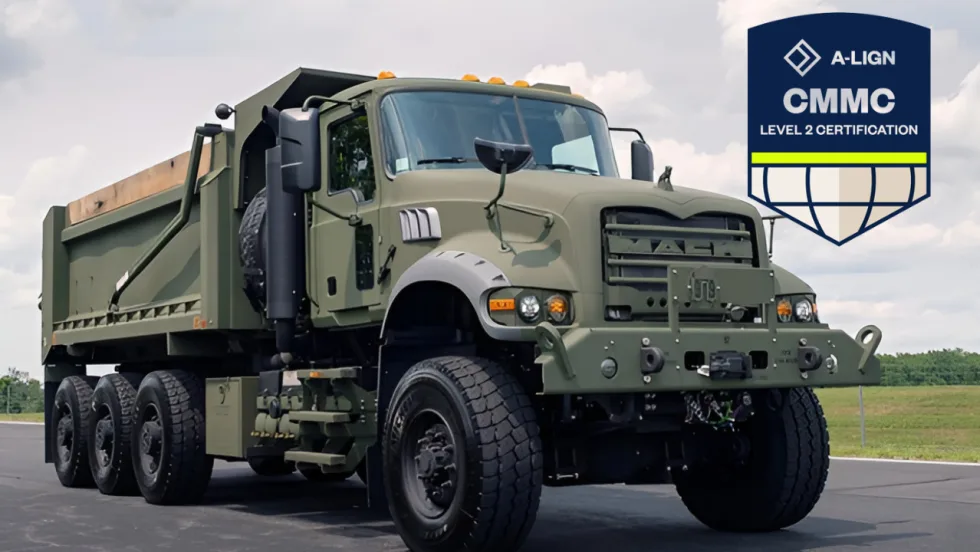
Mack Defense Achieves Cybersecurity Maturity Model Certification Level 2
After an assessment conducted by an authorized Certified Third-Party Assessment Organization (C3PAO), Mack Defense has achieved Cybersecurity Maturity Model Certification (CMMC) Level 2.
Read More →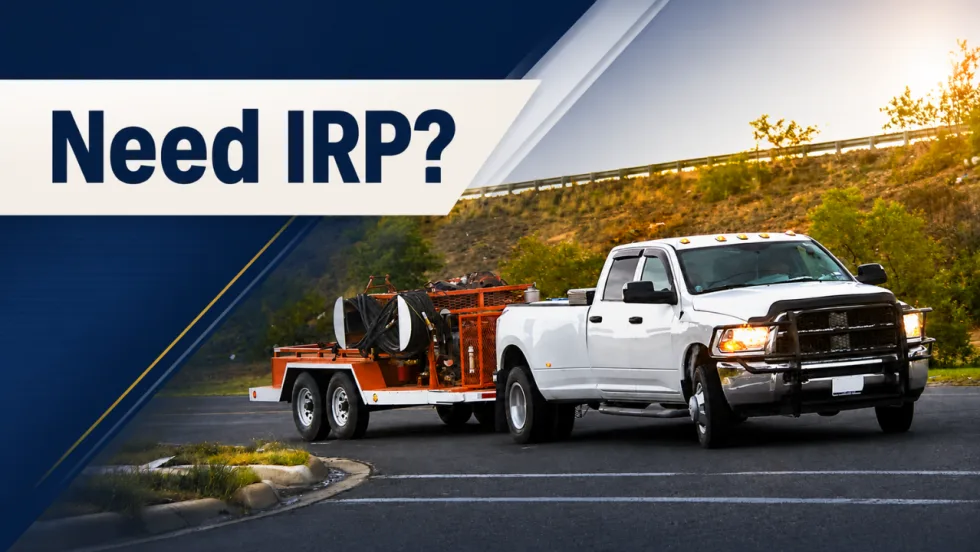
When Work Trucks Under 26,001 Pounds Need IRP Registration
Think trucks under 26,001 pounds are automatically in the clear when it comes to IRP? Not always. Learn where lighter vehicles can still run into trip permit, apportioned registration, and IFTA compliance requirements when crossing state or provincial lines.
Read More →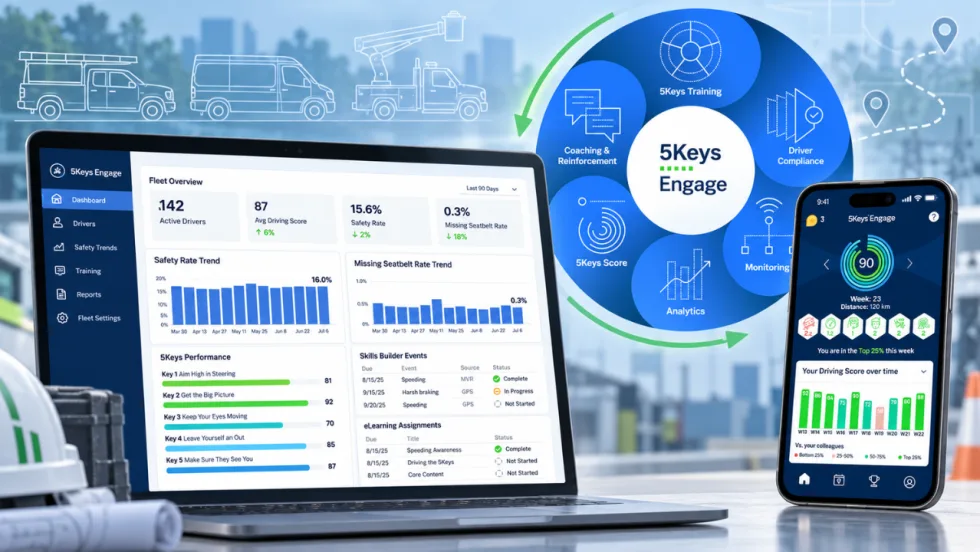
Smith System Wants Work Truck Fleets to Look Beyond the Driver Alert
Smith System’s new Driver Risk Management program is built to help mixed work truck fleets turn telematics alerts and observations into specific behaviors, coaching actions, and measurable follow-up.
Read More →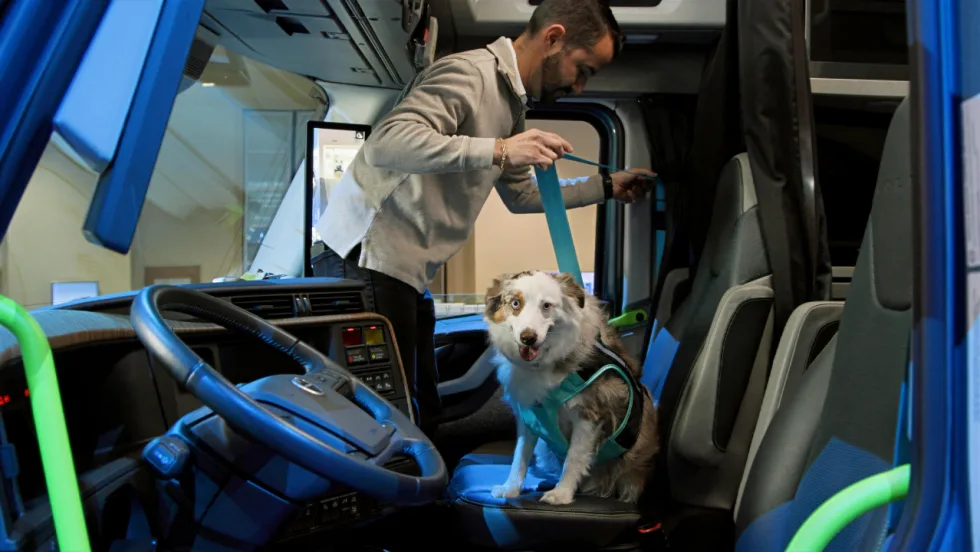
Volvo Trucks Releases New Safety Recommendations for Traveling with Pets
One of the most important recommendations for professional drivers traveling with pets is to ensure pets are properly restrained while the truck is moving. Other tips are available in the new guide from Volvo Trucks North America and Center for Pet Safety.
Read More →
Are Work Truck Drivers Warming Up to Dash Cams and GPS Tracking?
A new survey finds field-service drivers may be more comfortable with dash cams and GPS tracking than fleet managers think, especially when the technology helps protect them after a crash.
Read More →