





U.S. Construction Update: Spending Beats Expectations
6 Benefits of Telematics in Construction Fleet Management
Telematics can empower work truck fleet managers to optimize operations, enhance safety, and make data-driven decisions for greater efficiency and success.
July 24, 2023
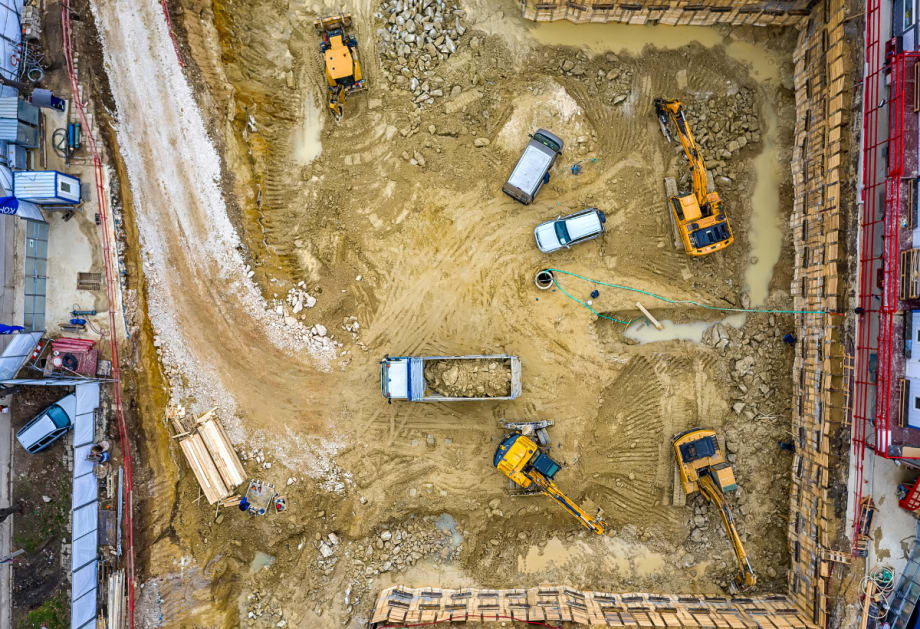
Learn how telematics can benefit construction fleet operations.
Photo: Work Truck
2 min to read
Staying ahead of the curve is essential for success in construction fleet management.
Telematics can be a powerful ally as work truck fleet managers grapple with the challenges of maximizing efficiency, safety, and productivity.
Telematics systems, born from the convergence of telecommunications and information processing, have transformed how construction fleets are managed.
Telematics can empower work truck fleet managers with real-time data, insights, and tools, enabling them to make informed decisions and streamline their operations like never before.
Real-Time Vehicle Tracking and Location Services
Telematics provides fleet managers with real-time vehicle tracking capabilities, enabling them to pinpoint the exact location of each vehicle in the construction fleet.
With GPS receivers and telematics devices onboard, managers can monitor vehicles' movements, routes taken, and even identify potential traffic bottlenecks, ensuring optimal route planning for timely project completion.
Improved Fleet Safety
Safety is paramount in any construction fleet, and telematics can enhance it.
Telematics systems can collect data on driver behavior, such as speeding, harsh braking, and sudden accelerations.
Fleet managers can then use this information to implement targeted driver training programs and incentives, reducing the risk of accidents and promoting safer driving habits.
Proactive Maintenance Management
Telematics allows for predictive and preventive maintenance, vital for keeping work trucks in top condition.
By monitoring vehicle diagnostics and performance data, fleet managers can schedule maintenance tasks based on actual usage and potential issues the telematics system identifies.
This approach minimizes downtime, reduces repair costs, and extends the lifespan of construction fleet vehicles.
Fuel Efficiency and Cost Savings
With fuel costs being a significant expense for construction fleets, optimizing fuel efficiency is important.
Telematics systems can provide valuable insights into fuel consumption patterns, idle times, and inefficient driving practices.
With this data, fleet managers can implement fuel-saving strategies, such as:
Optimizing routes.
Encouraging eco-friendly driving habits.
Identifying potential fuel theft or misuse.

Telematics can help fleet managers record and process fleet operations.
Photo: Work Truck
Compliance and Reporting
Construction fleet managers must often comply with various regulations, and telematics can streamline this process.
Telematics systems can generate detailed reports on vehicle usage, driver hours, and other important metrics required for compliance purposes.
These reports simplify record-keeping and auditing processes, ensuring the fleet operates within legal boundaries.
Enhanced Asset Utilization
Telematics enables fleet managers to maximize asset utilization by tracking vehicle availability and utilization rates.
With a clear understanding of each vehicle's usage patterns, fleet managers can identify opportunities to optimize resource allocation, potentially reducing the need for additional vehicles and associated expenses.
More Technology
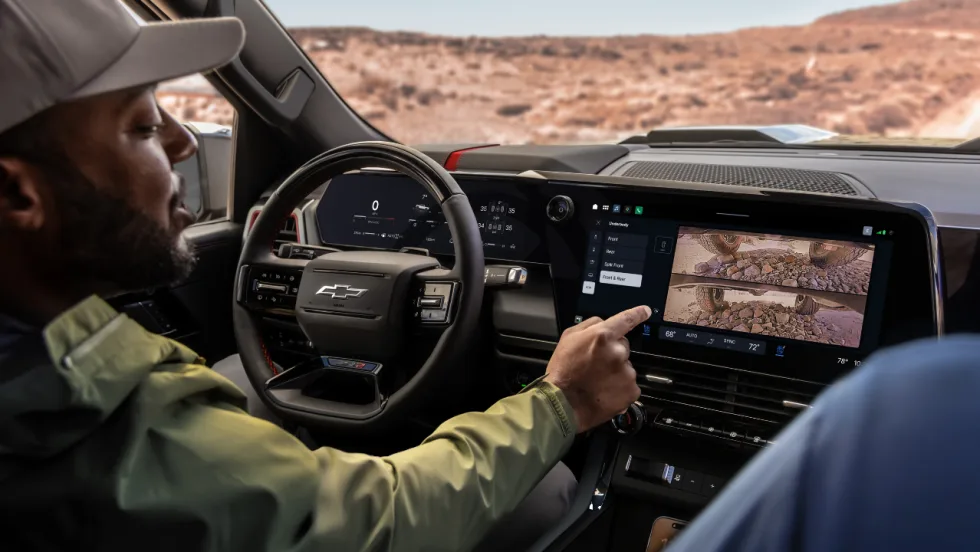
GM Brings New Truck Focused Interface to 2027 Silverado and Sierra
GM's new pickup interface puts trailering data, camera views, vehicle controls, and smartphone integration closer to the driver in the 2027 Silverado and Sierra.
Read More →
Samsara Driver Perks Expands Rewards Beyond the Long Haul Driver
Samsara’s new driver rewards program was built with a broader professional driver in mind, including employees who split their day between driving, job sites, service calls, and other work.
Read More →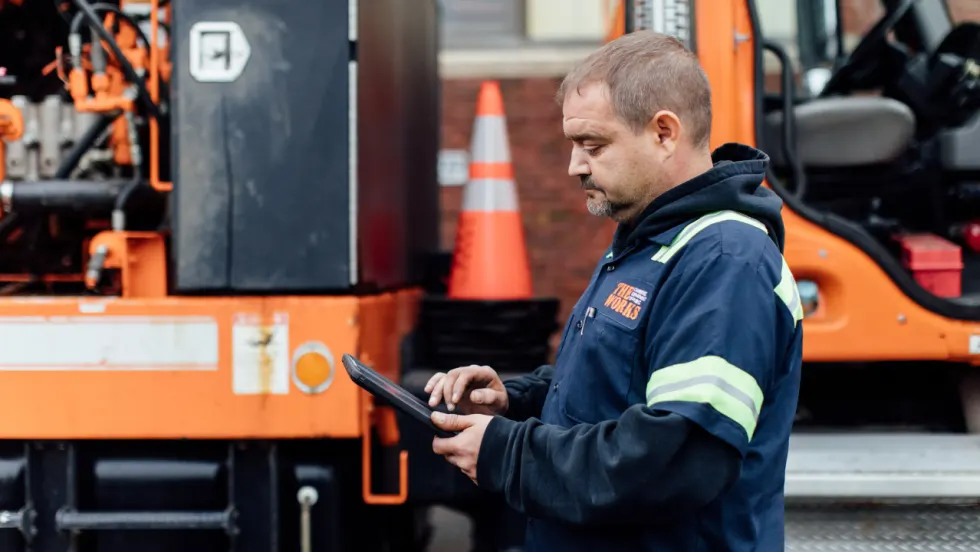
AI Service Advisor Aims to Cut Fleet Repair Downtime
Fleetio said its AI Service Advisor can help fleets cut repair downtime by an average of 2.5 hours per repair while reducing manual maintenance work.
Read More →
Verra Mobility Launches AI-Driven Title & Registration Solution
Verra Mobility has launched a new AI-driven Title & Registration platform to help fleets move vehicles from acquisition to the road the same day while reducing compliance risk.
Read More →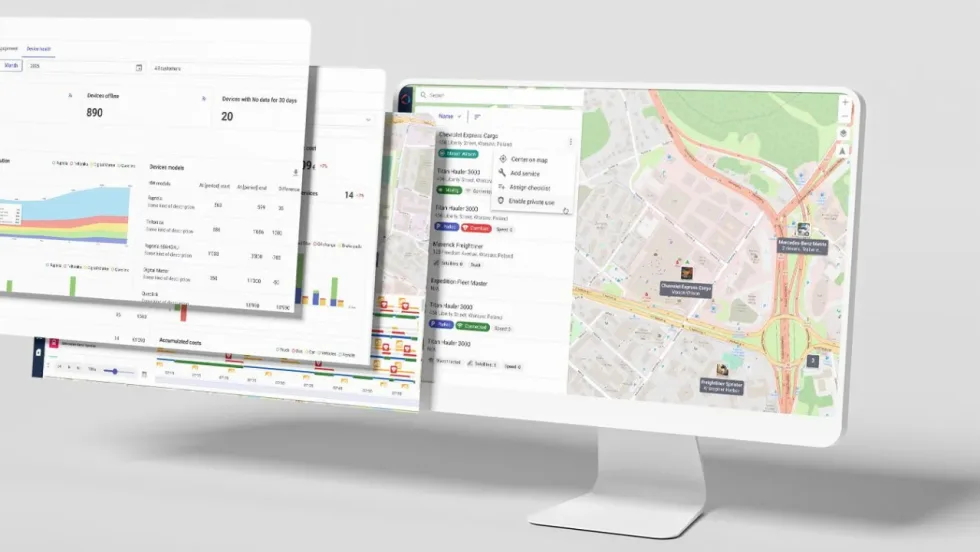
Wialon Unlocks OEM Data to Give Fleet Owners Data Ownership & Operational Clarity
Wialon has introduced hardware-free OEM integration as the EU Data Act accelerates the shift in vehicle data access across the fleet industry in many countries.
Read More →
Teletrac Navman Promotes New CEO from Within
Teletrac Navman’s next CEO, Ricardo Buranello, has served as the company’s chief financial and operating officer. He brings deep financial and operational expertise, a strong strategic orientation, and an intimate knowledge of the business to his new role.
Read More →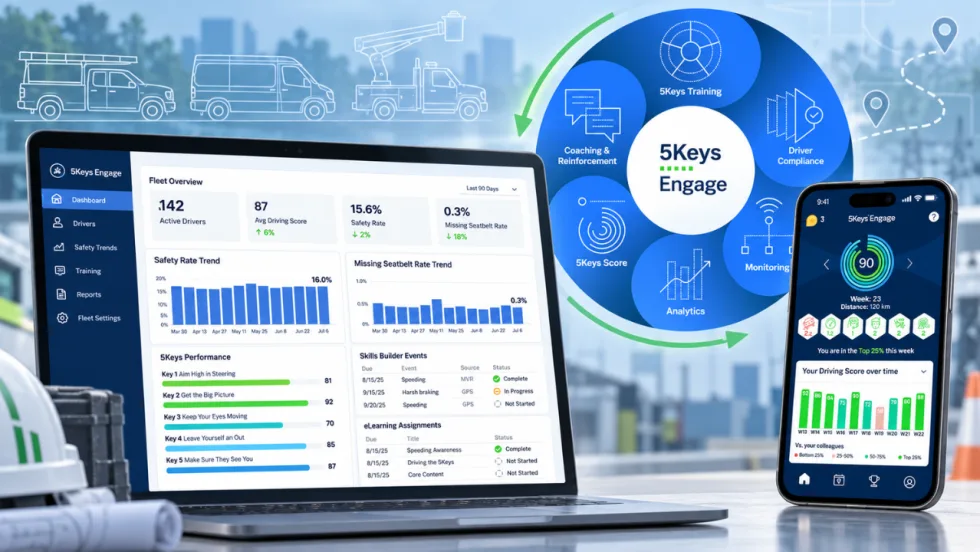
Smith System Wants Work Truck Fleets to Look Beyond the Driver Alert
Smith System’s new Driver Risk Management program is built to help mixed work truck fleets turn telematics alerts and observations into specific behaviors, coaching actions, and measurable follow-up.
Read More →
Ford Pro Software Updates: August 26
Check out the latest Ford Pro software updates, including Google Maps integration, Remote Vehicle Alarm integration, Motor Pool for easier management of shared pool vehicles, and more.
Read More →
Where AI Is Actually Saving Fleet Managers Time
AI is moving past the buzzword stage and into the daily fleet workflow. Fleetio’s Brianna Perry Lang breaks down where fleets are seeing real time savings, from maintenance and data entry to repair decisions, safety, and compliance
Read More →
Are Work Truck Drivers Warming Up to Dash Cams and GPS Tracking?
A new survey finds field-service drivers may be more comfortable with dash cams and GPS tracking than fleet managers think, especially when the technology helps protect them after a crash.
Read More →