





Dive Deeper: Certified History: ASE Celebrates 50 Years
50 Facts About ASE
ASE released 50 facts to know as the organization celebrates its 5th anniversary in 2022.
June 20, 2022
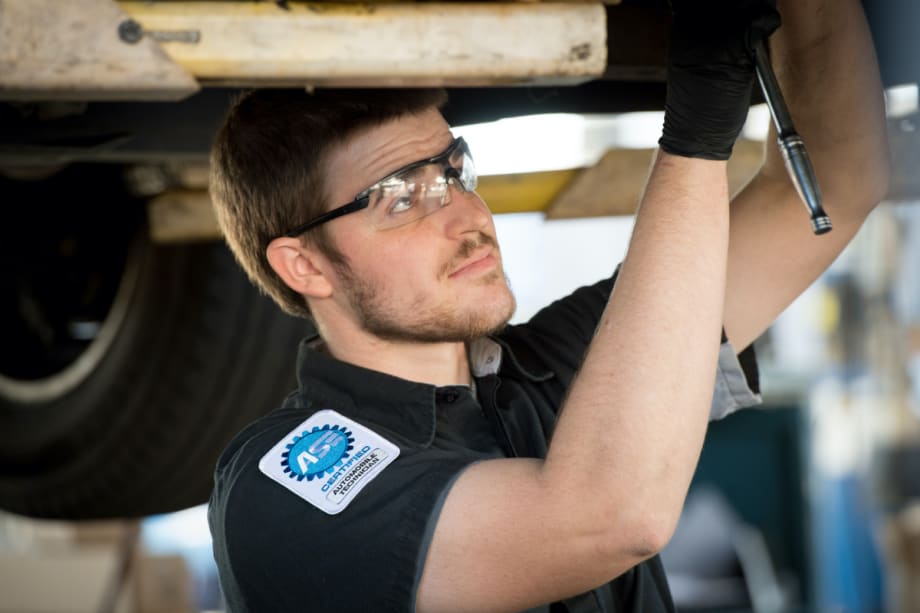
ASE was founded in 1972 as a non-profit organization, working to improve the quality of vehicle repair and service by testing and certifying automotive professionals.
Photo: ASE
6 min to read
In celebration of its 50th anniversary, here are 50 facts about the National Institute for Automotive Service Excellence.
ASE was founded in 1972 as a non-profit organization, working to improve the quality of vehicle repair and service by testing and certifying automotive professionals.
ASE is short for National Institute for Automotive Service Excellence
ASE becomes the only national, industry-wide technician certification program when the National Automotive Technicians Certification Board (NATCB) announces in December 1973 it is discontinuing its program and supporting the “NIASE program.”
ASE’s original blue and orange outdoor signs and indoor credentials display boards launched in 1974, giving employers important marketing tools.
ASE’s tests are real-world and industry-driven, reflecting the day-to-day duties of working technicians, not theory.
There are 52 ASE certification tests, covering almost every imaginable aspect of the automotive repair and service industry.
Initial testing administration is four tests for the automobile certification series. The first four ASE tests consisted of engines/fuel, induction, ignition and exhaust systems.
In 1973, six tests were added for truck certification.
ASE’s first newsletter, The Gear, for “NIASE mechanics” rolled out in 1974. It was the first national newsletter for working techs.
Two body and paint certification tests were added in 1975.
Major branding changes come to NIASE in 1983, with change of acronym to ASE and retirement of the blue and orange NIASE colors for the now familiar ASE blue and white. Additionally, ASE retires the term “mechanic,” using “technician” instead to better reflect the growing technological focus of the profession.
ASE upholds and promotes high standards of service and repair through the assessment, certification and credentialing of current and future industry professionals, and the prestigious ASE Blue Seal logo identifies professionals who possess the essential knowledge and skills to perform with excellence.
The National Automotive Technicians Education Foundation (NATEF) was founded in 1983. Certification of automotive training programs began with three programs in Ohio, Florida and Wisconsin, becoming first to earn ASE certification after receiving NATEF approval.
A joint program of the ASE and the Auto Care Association, the ASE World Class Technicians’ program recognizes an exclusive group of highly skilled professional technicians. Among the estimated 879,000 technicians in the United States, just 2,000 have earned world class status in over 30 years.
From May 1975 to November 1990, ASE offered 16 tests each May and November.
Initial administration of the automobile recertification tests took place in May 1978. In May 1979, initial administration of truck recertification tests took place.
The ASE Education Foundation works with over 2,300 automotive technology training programs and over 50,000 students nationally to provide the transportation industry a viable workforce through standards and credentials for institutions, organizations and individuals.
The annual ASE Instructor Training Conference is the largest automotive instructor training conference in the nation.
Initial administration of body and paint recertification tests was conducted for the first time in May of 1980.
In November of 1990, the first engine machinist test, cylinder head specialist (M1), was available. The second test, cylinder block specialist-M2, occurred in May of 1991, while the third test, assembly specialist (M3), becomes available in November of that same year.
The medium/heavy truck parts specialist (P1) test was added in 1992.
ASE introduced its Refrigerant Recovery and Recycling Review and quiz in 1992. This popular offering from ASE meets EPA’s Section 609 requirements for technicians handling/recycling automotive refrigerants.
Testing in Canada began in 1993 in major metro areas of Canada’s English-speaking provinces and expanded to French-speaking Quebec by 1997.
In May of 1993, the body repair test (B1) expanded to three specialist categories: nonstructural analysis and damage repair (B3), structural analysis and damage repair (B4) and mechanical and electrical components (B5). The series was renamed Collision Repair and Refinish.
The alternative fuels, light vehicle compressed natural gas test (F1), was added in 1993.
The automobile parts specialist test (P2) was introduced in May of 1993.
ASE’s first advanced level test, advanced engine performance specialist test (L1), was made available in 1994.
In May of 1996, ASE introduced a new school bus repair technician series with three tests: brakes (S4), suspension and steering (S5) and electric/electronic systems (S6). A fourth test was added in November of that year, body systems and special equipment.
ASE introduced two additional tests in 1996, medium/heavy truck PMI test (T8) and damage analysis and estimate test (B6).
The Blue Seal of Excellence Facility Recognition (BSRP) program began in 1996. The BSRP was designed to recognize elite facilities and help them market their technicians’ achievements to customers.
In the spring of 1997, ASE introduced a medium/heavy truck heating, ventilation and air conditioning test (T7).
Pilot testing began in Brazil in 1998. The first full-time testing launched in 1998 at 25 test centers across 15 Brazilian states. In November of 1998, ASE began a pilot test administration in Mexico, adding to its programs in Canada and Brazil.
In 1997, ASE and NATEF began certifying providers of in-service automotive technical training through its Continuing Automotive Service Education (CASE) program.
ASE introduced an English-Spanish glossary at its spring 1998 test session to help translators and technicians properly translate technical terms found in ASE tests.
In 1999, ASE began issuing commemorative medallions to those professionals who had been certified for a total of 25 years.
ASE’s popular paper-based Refrigerant Recover and Recycling Review and Quiz became available online in winter 2000.
In 2003, the Veterans Administration approves ASE Certification for reimbursement, meaning veterans could have testing (and recertification) costs covered.
A computer-based testing (CBT) pilot began in 2004. From this pilot, ASE would eventually retire paper and pencil testing and switch entirely to CBT.
The ASE Maintenance and Inspection e-Learning product was introduced in 2009. Target audiences included prospective and entry-level maintenance personnel.
In 2010, ASE joined the social networking sites Facebook and Twitter.
The Official ASE practice tests were developed and went online in 2010. These tests allowed techs to ‘kick the tires’ before taking the real thing and helped identify areas where test-takers may need more prep.
In January of 2018, ASE reorganized the National Automotive Education Foundation (NATEF) and Automotive Youth Education Systems (AYES) as a single entity, the ASE Education Foundation, bringing program accreditation and student mentoring and job placement under one roof.
ASE’s Entry-Level Certification program is a one-year, non-renewable assessment that introduces students to the ASE program.
In 2020, ASE began offering select automotive tests in Spanish.
ASE’s Renewal App launched in 2020. It allows certified techs to renew their credentials for one year by answering secure test questions via their mobile devices.
The 2021 race season marked ASE’s 21st consecutive year sponsoring the Kasey Kahne Racing teams.
In 2021, ASE introduced “myASE,” a special section of its website that allows techs to view their certification status, test history and test results online.
ASE offered its Military Tactical Wheeled Vehicle Certification Test Series in 2021.
Today, there are approximately 250,000 ASE Certified professionals at work in dealerships, independent shops, collision repair shops, auto parts stores, fleets, schools, and colleges throughout the country.
ASE marked its 50th anniversary on June 12, 2022.
More Maintenance
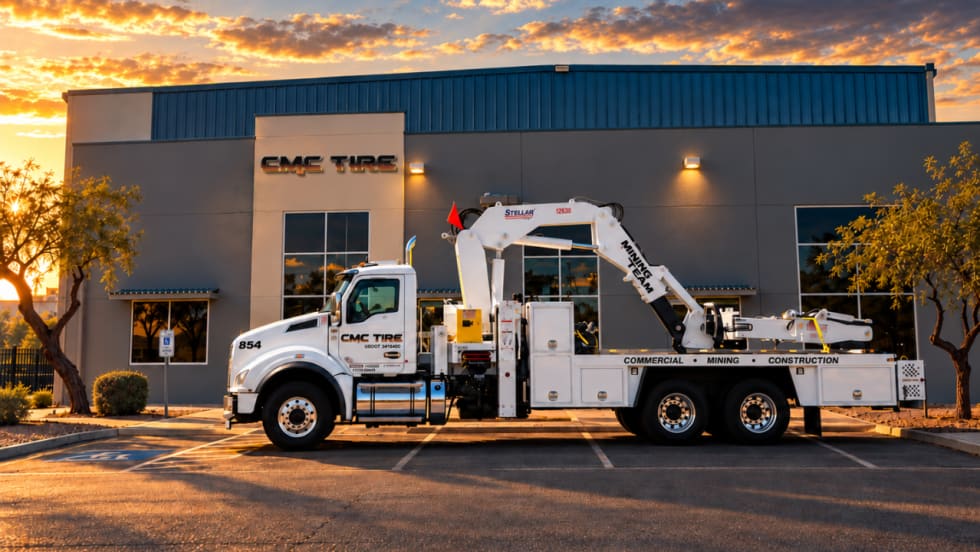
Les Schwab Expands Commercial Tire Footprint Into Arizona
Les Schwab Tires has expanded into Arizona with two commercial tire locations in Phoenix and Tucson, strengthening its fleet service footprint in the Southwest.
Read More →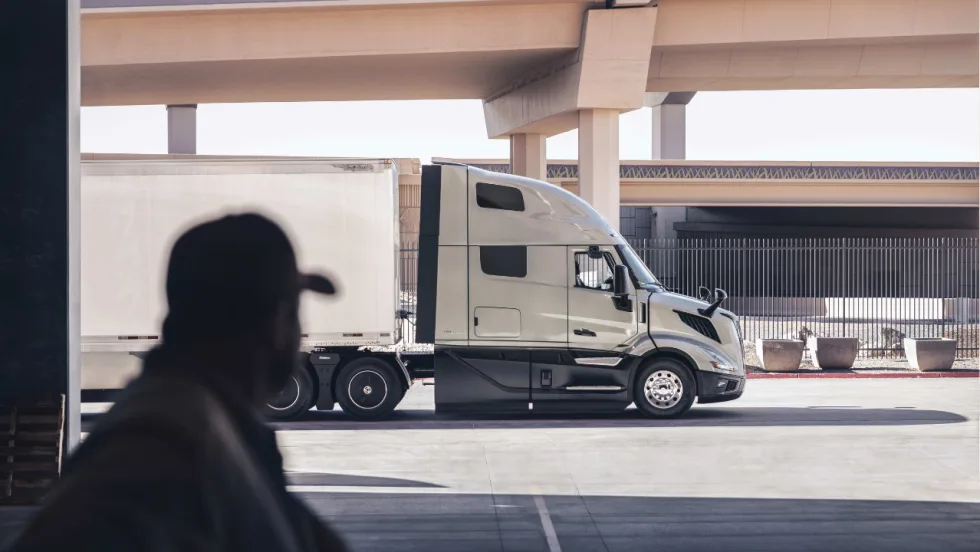
Volvo Trucks’ 'Lock and Leave' Software Updates Go Live Across North America
Unattended over-the-air software updates are now available in Volvo trucks across the U.S. and Canada. The new capability lets trucks stay current with the latest software without interrupting operations or requiring a dealership visit.
Read More →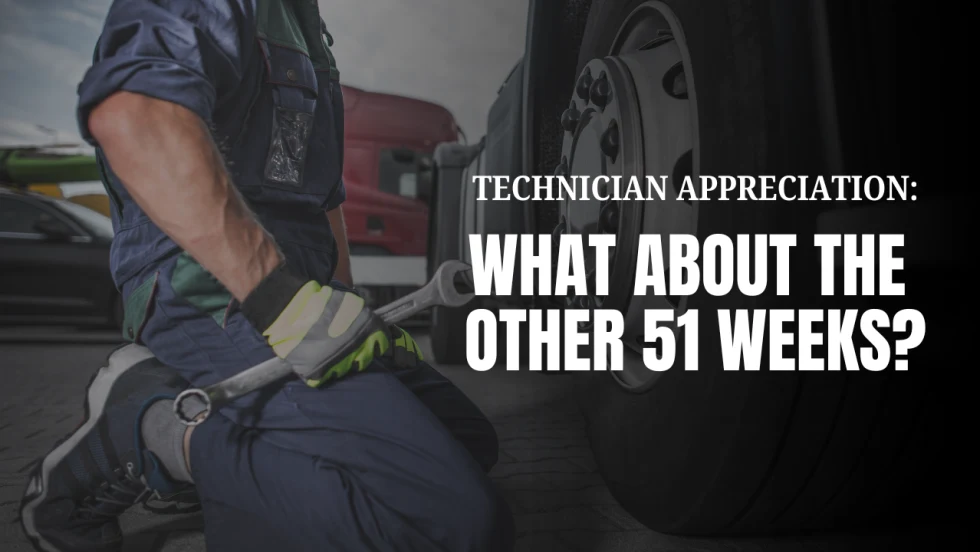
Why Technician Appreciation Can’t Be a Once-a-Year Thought
For fleets trying to keep skilled technicians, recognition cannot begin and end with Technician Appreciation Week. Learn what year-round appreciation really looks like and why the everyday technician experience matters just as much as pay when fleets are trying to keep good people.
Read More →
How Faster Driver Reporting Can Keep Small Truck Problems Small
When minor damage, warning lights, or equipment issues are reported late, small problems can quickly become bigger maintenance headaches. Conversational AI can help shorten the path from what a driver notices in the field to the person who can act on it.
Read More →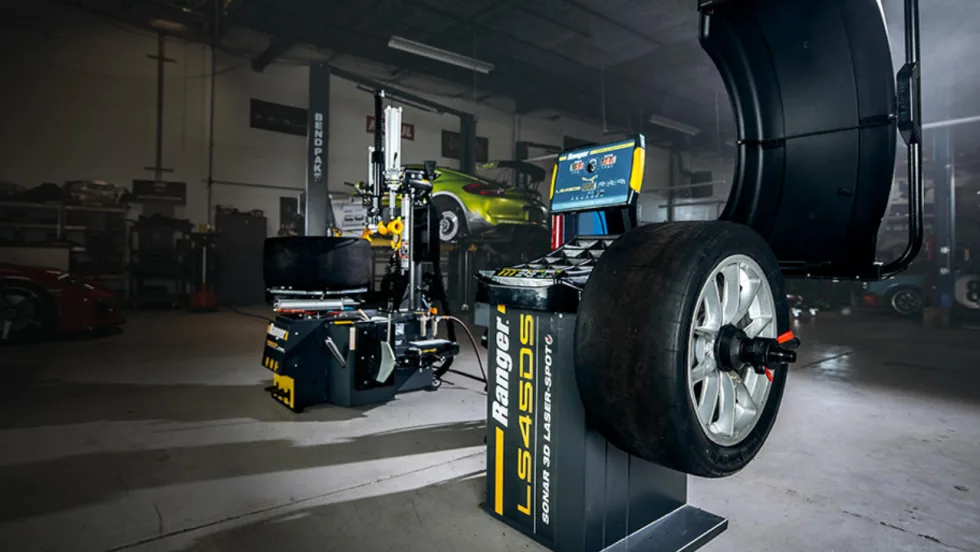
BendPak’s Ranger Wheel Service Equipment Achieves North American Safety Certification
BendPak’s full line of Ranger tire changers and wheel balancers has been ETL certified to UL and CSA standards to improve operator safety.
Read More →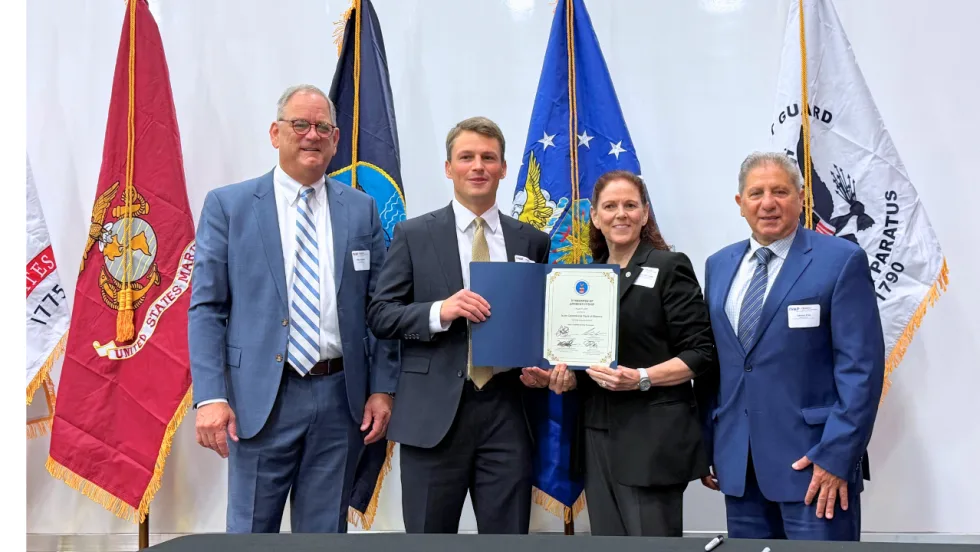
Isuzu & U.S. Department of Labor Celebrate Milestone for Veterans Apprenticeship Program
The Isuzu Veterans Apprenticeship Program (IVAP) signing ceremony highlighted Isuzu’s long-term commitment to veterans, Isuzu dealers, and the skilled workforce supporting its customers and the commercial transportation industry.
Read More →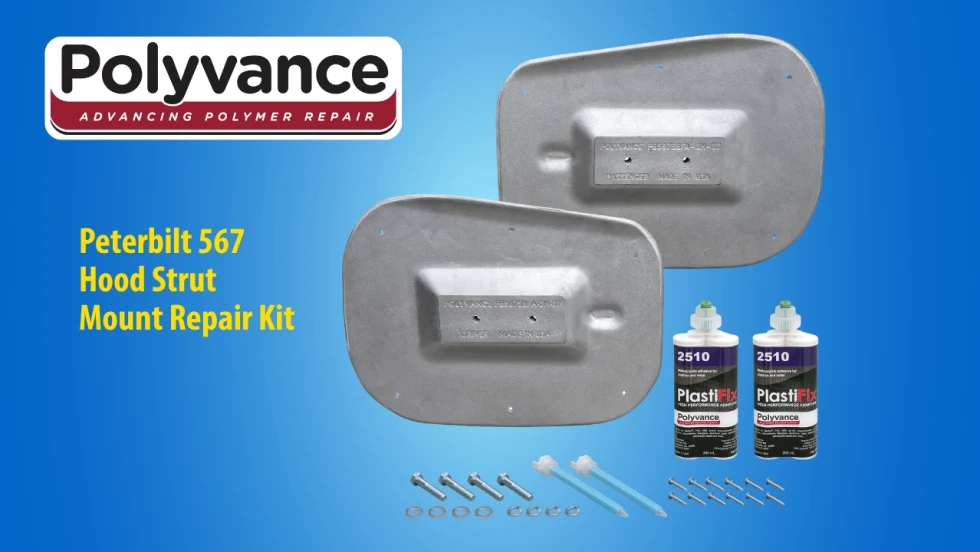
Polyvance Introduces New Peterbilt 567 Hood Strut Mount Repair Kit
Polyvance has launched a repair solution for Peterbilt 567 hood struts, helping truck owners and repair facilities avoid costly hood replacements.
Read More →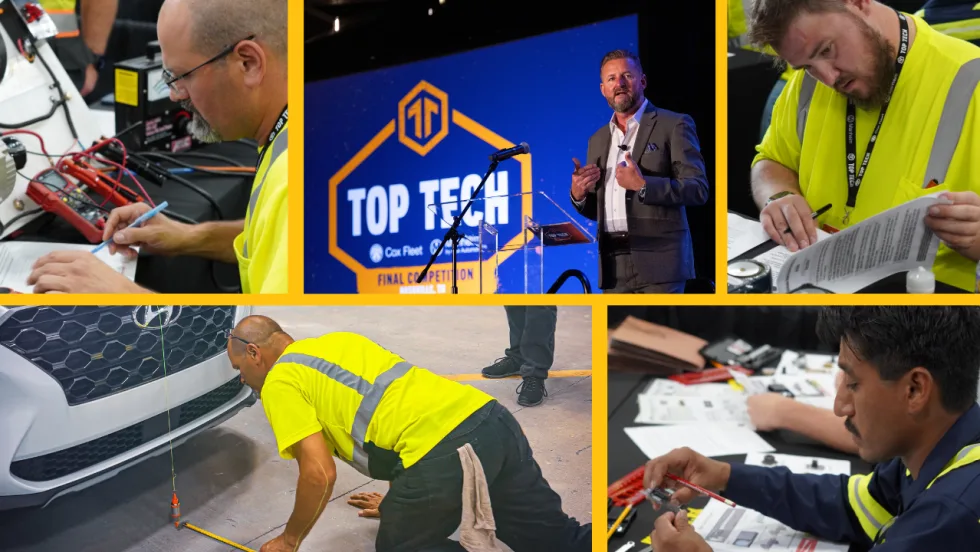
Cox Automotive Celebrates Technical Excellence at 2026 Top Tech Finals
The top technicians from Cox Fleet and Manheim tested their skills in Nashville, Tennessee, at Cox Automotive’s 2026 Top Tech Finals. The overall winners will advance to compete at the American Trucking Association’s TMC SuperTech competition.
Read More →
Grote Industries Appoints Vice President of North American Operations
Grote Industries has appointed Patrick Smith as vice president of North American operations as it celebrates 125 years of innovation and manufacturing excellence. He has more than 20 years of manufacturing leadership experience.
Read More →
Winter Fleet Prep: Expert Tips to Keep Vehicles Running Smoothly
Cold weather can expose weak batteries, tires, fuel systems, and maintenance gaps fast. Use this winter fleet checklist to prepare trucks and drivers before temperatures drop.
Read More →