




How Are ASE Tests Developed?
Today, more than a quarter of a million individuals who currently hold ASE certifications work in every segment of the transportation industry. How, exactly, are they developed?
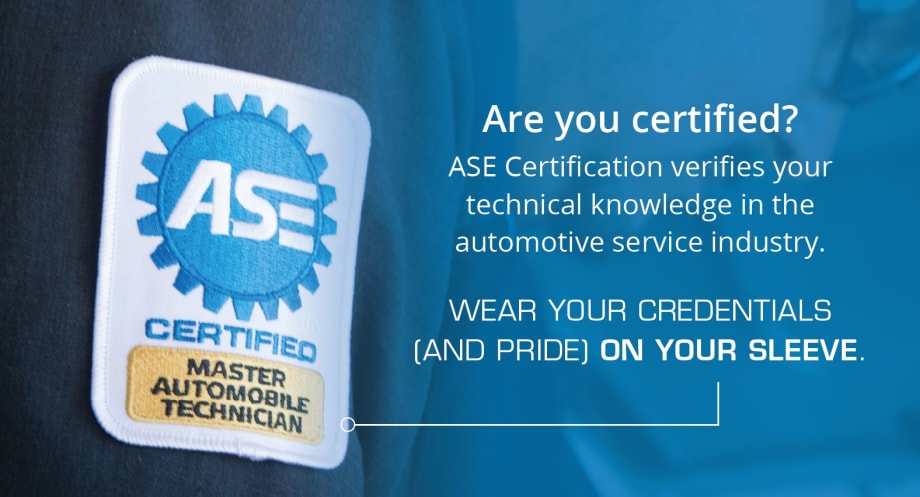
Photo: ASE
For the last 50 years, ASE – which is short for the National Institute for Automotive Service Excellence – has been working to improve the quality of vehicle repair and service by testing and certifying automotive professionals. ASE has become known as the top independent non-profit organization working to uphold and promote high standards of vehicle service and repair.
Check out these details on the ASE test development process:
What Are the ASE Tests?
Today, more than a quarter of a million individuals who currently hold ASE certifications work in every segment of the transportation industry, from automobile and medium/heavy truck to transit and school bus, collision repair, parts, military and more. The path to ASE certification begins with one or more of 57 different tests. After passing at least one exam and providing proof of two years or relevant work experience, the individual becomes ASE Certified. To remain certified, the professional must be retested every five years.
The tests are no cinch to pass; in fact, usually only two out of every three test takers pass on their first attempt. The exams stress knowledge of real-world job-related skills with each test question developed through a strict writing and validating process.
ASE test questions are written in workshops by experts in the subject matter of each specific test. The test development teams represent a national cross-section of the motor vehicle service industry, including current technicians, training reps from auto manufacturers and aftermarket, customer service professionals and educators.
How Are ASE Tests Developed?
Following is a step-by-step look at exactly how the ASE tests are developed:
Test questions are developed at test-writing workshops, which typically include 10-20 working service professionals. Separate workshops are conducted for each ASE certification test.
At each workshop, the participants review and modify the necessary tasks to successfully perform each particular job category (such as suspension and steering systems).
Questions are written to correspond to job tasks. The diagnostic and repair scenarios are updated to reflect the most current and relevant technology and systems.
Trick questions and manufacturer-specific questions are not acceptable. Each question is reviewed by the entire workshop for clarity and technical accuracy to ensure there is only one right answer and three incorrect answers.
Questions that are accepted are included as non-scored “pre-test” questions and placed in “live” ASE tests to gauge performance. Since test-takers do not know which questions count, all questions are answered.
By this point, test questions have been validated. Based on how well a question performs in “pre-test”, it may become a test question or be reconsidered in a future workshop.
Even after a question passes “pre-testing”, ASE continues to monitor it. Each question is tracked for proper performance every time it is used in a test.
When a question becomes technically outdated, it is removed from the pool of test questions.
ASE recently launched a new website at ASE.com, featuring a centralized online gateway for technicians, employers, consumers, and auto technology students and instructors. ASE.com provides sought-after information and resources and answers to frequently asked questions, plus step-by-step instructions for all users. The redesigned site also describes the expanded automobile test offerings with Spanish-language translations.
Renewing ASE Certifications
Technicians who visit the site can also learn how to access the popular ASE Renewal App that allows service professionals to renew their A-1 through A-9 certifications from their PC or mobile device. Additionally, the site provides information about a recent new initiative – a series of tests for U.S. Military personnel. Successful completion of the tests, plus an experience requirement, will result in ASE military technician credentials for qualified candidates and serve to identify skilled personnel who may choose to enter the civilian workforce.
Most technicians and repair shop owners would agree that each year new vehicles are getting more complex and repair technology and diagnostic tools are constantly changing. While this presents a challenge to the vehicle service and repair industry, it also presents a challenge to consumers searching for a competent and knowledgeable professional to care for their vehicle. ASE Certification offers solutions for technicians, their employers and consumers.
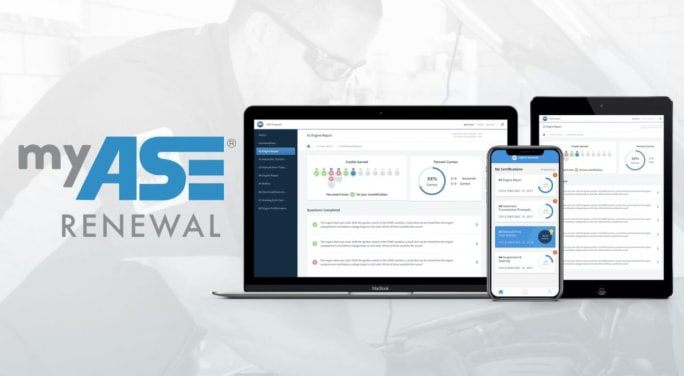
Photo: ASE
Why ASE Testing?
ASE helps service professionals prepare for, earn, and maintain ASE Certification and grow in their career. ASE helps businesses that employ ASE Certified technicians attract customers by marketing knowledgeable and experienced employees, giving them a competitive step-up in their respective markets.
ASE helps consumers find a reputable technician by identifying repair shops who employ ASE Certified technicians.
The need for quality and dependable vehicle service and repair continues to grow as the average age of the vehicle on the road increases. Combined with the complexity and sophisticated technology within new vehicles creates a greater demand for qualified technicians. More recently, it appears that another factor is compounding this trend. As a result of the pandemic and its impact on manufacturing and supply chain shortages throughout the world and within most industries, many products have experienced significant price increases. This trend is evident in the unprecedented higher costs of new and used vehicles. As a result, vehicle owners are hanging onto their current vehicles. Thus, greater demand for service and repair.
ASE testing and certification is ideally positioned to meet these and other challenges.
About the author: Trish Serratore is the senior vice president communications for ASE.
More Maintenance & Uptime
Entegral & GEICO Partner to Enhance Auto Claims Experience
GEICO is deploying Entegral technology to support more efficient claim routing, clearer appointment communications, and more informed repair-provider selection.
Read More →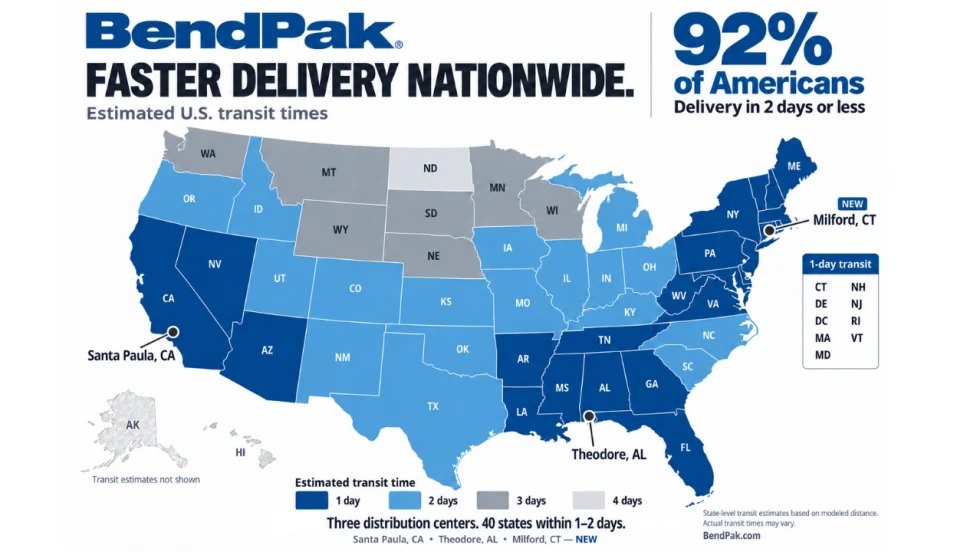
BendPak Opens Third Distribution Center to Accelerate Delivery
With the opening of a new distribution center in Milford, Connecticut, BendPak has expanded its network to deliver to 92% of Americans in two days or less. The company now operates three distribution centers.
Read More →
New STLE Special Report Examines Next-Generation Gear Lubricants for Electric Vehicles
Achieving the right balance of efficiency, durability, and electrical performance is critical in high-speed electric-vehicle drivetrains. The Society of Tribologists and Lubrication Engineers (STLE) released its new special report about EV lubrication.
Read More →From Our Partners
Basic Tracking vs Next Generation Fleet Technology
Sponsored by AT&T Business
5 Facts Every Fleet Manager Should Know About Embedded Telematics
Sponsored by Stellantis/Mobilisights
How AI Video Telematics Boosts Driver Safety and Helps to Avoid Unnecessary Costs
Sponsored by Verizon Connect

Charting the 8 Bottom-Line Benefits of Workforce Optimization
Sponsored by Verizon Connect

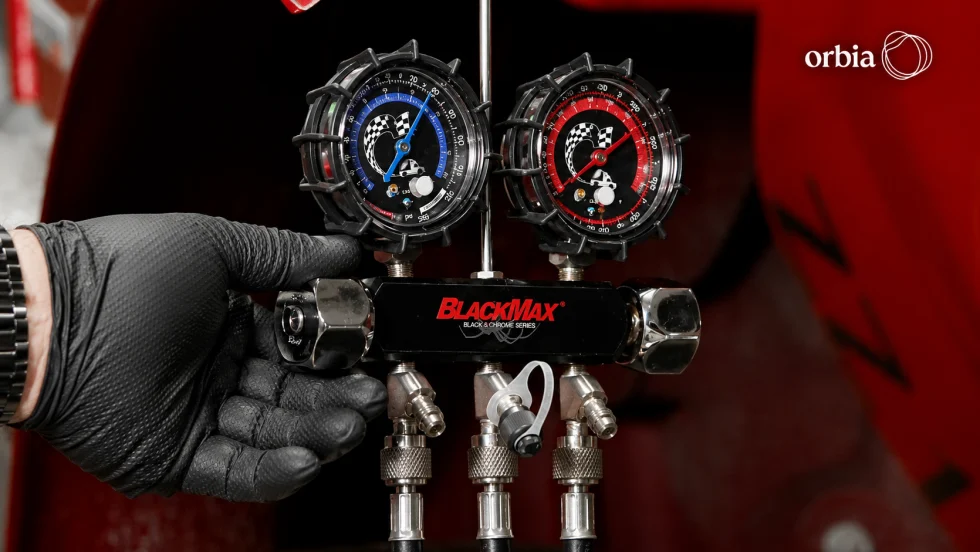
The Lost Art of Refrigerant Recovery
As new A/C refrigerants enter the market, fleet shops may already have many of the tools they need to service them. Here’s why revisiting basic refrigerant service skills could save equipment costs and get trucks back on the road faster.
Read More →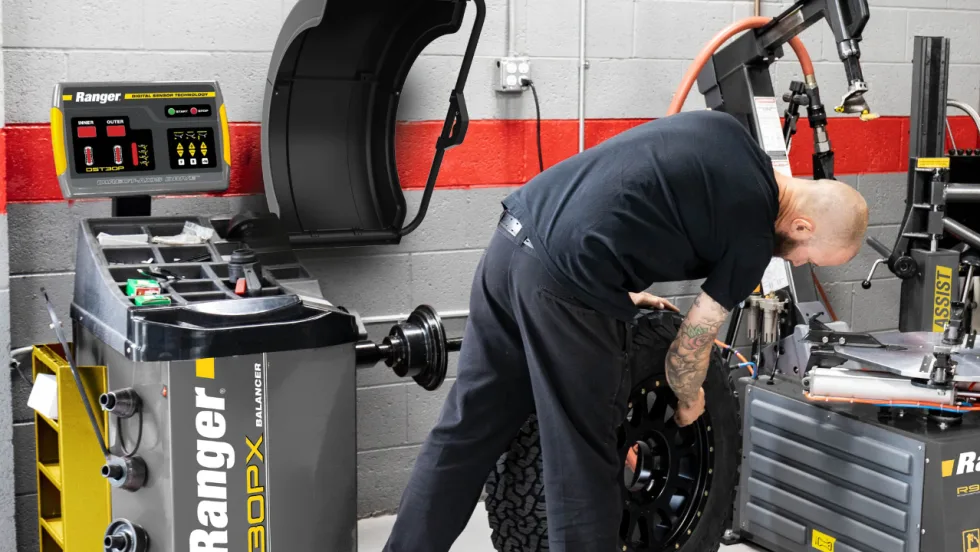
BendPak Launches Ranger DST30PX Balancer for Large Wheel Service
The new DST30PX Professional Wheel Balancer from Ranger Division of BendPak smoothly handles tires up to 43 inches with precision and accuracy.
Read More →
Kooner and Global Partners Connect Mobile Fleet Maintenance and Fueling Services
A new referral partnership connects on-site fueling and maintenance services, with a focus on reducing off-site trips and making better use of fleet downtime.
Read More →
Maintenance Failures That Sideline Work Trucks and the Inspection List That Catches Them Early
Unplanned downtime hurts efficiency and even profitability for work truck fleets, but catching potential problems early can help prevent it. Here is an inspection list that can help potentially prevent that downtime.
Read More →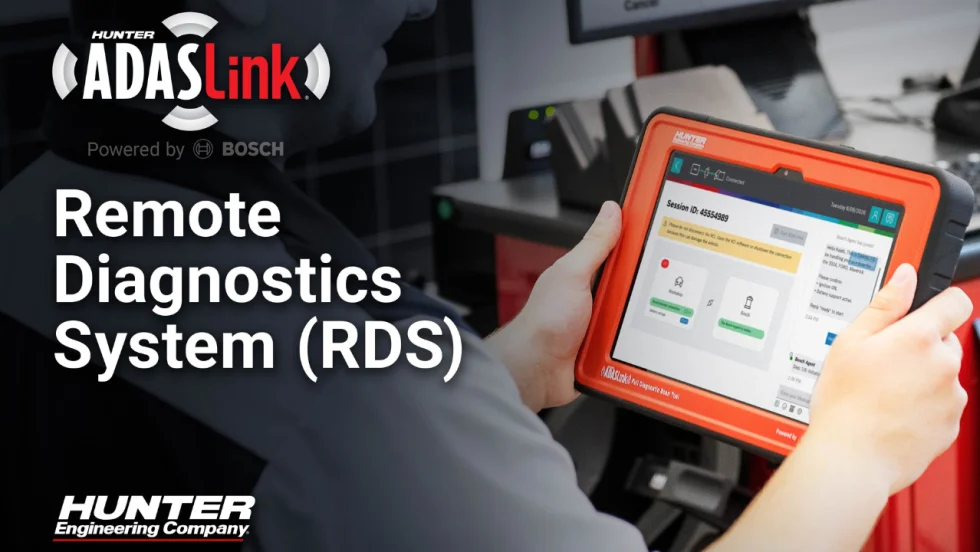
Hunter Engineering Enters Collaborates with Bosch for Remote Diagnostics Service Through ADASLink
Hunter Engineering’s collaboration with Bosch enables ADASLink to connect directly with Bosch diagnostic experts through an integrated remote support platform, allowing shops to service more vehicles.
Read More →
Mack Adds Chassis Coverage Options for Fleet Repair Costs
Mack Trucks introduced four system-specific chassis coverage plans, giving fleets more flexibility to manage repair costs for driveline, HVAC, electronics, safety systems, and other components.
Read More →
GM Launches ‘30 Under 30’ Program to Elevate Automotive Service Technicians and Inspire the Next Generation
The GM Automotive Service Technicians 30 Under 30 program honors GM service technicians under the age of 30 who demonstrate continuous technical training, exemplary customer service, mentorship, and leadership.
Read More →