





Check it Out! History of the Goodyear Blimp in Photos
How Connected Tire Technology Is Helping Work Truck Fleets Reduce Downtime
How are fleets using real-time tire data to reduce downtime? Goodyear's Joe Stuglis explains the shift toward predictive maintenance.
June 29, 2026
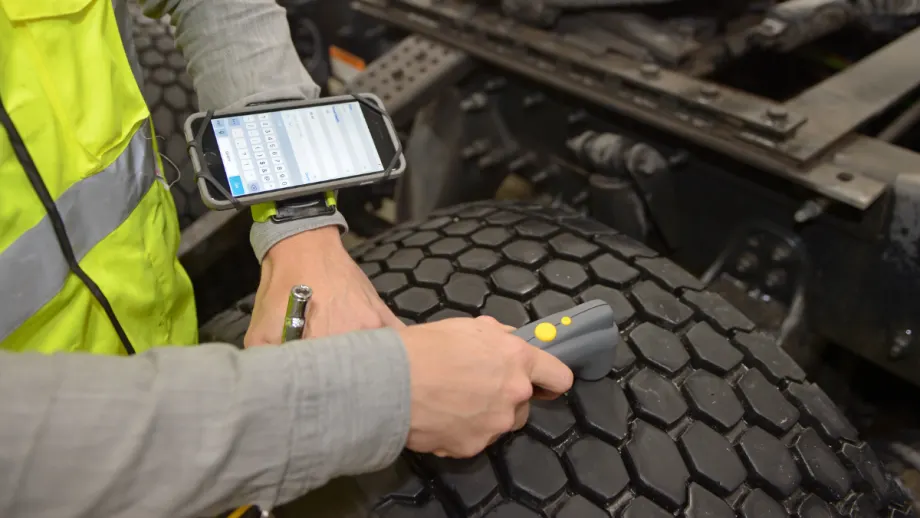
Solutions like Goodyear Tire Optix Torque bring an added layer of precision and visibility by digitizing critical service steps, such as wheel torque, and often automatically capturing detailed records.
Credit:
Goodyear Tires
8 min to read
- Fleets are adopting connected tire technology to access real-time data that helps in minimizing vehicle downtime.
- Goodyear is leading in this transition by offering solutions that facilitate predictive maintenance for work trucks.
- Joe Stuglis from Goodyear highlights the growing trend of utilizing advanced tire data for better fleet management.
*Summarized by AI
For work truck fleets, tire maintenance has always been one of the most important pieces of the uptime puzzle. A tire issue can quickly become more than a maintenance concern, affecting service schedules, deliveries, productivity, and operating costs.
For utility, construction, service, and municipal fleets, downtime often extends beyond the vehicle itself. A sidelined truck can delay repairs, disrupt customer appointments, or leave crews waiting on equipment needed to complete the day's work.
As fleets continue looking for ways to reduce unexpected downtime, many are turning to connected technologies that provide greater visibility into tire health and performance.
According to Joe Stuglis, vice president, Commercial Sales, North America for Goodyear, advances in tire technology are helping fleets shift from reactive maintenance practices to more proactive, data-driven strategies.
Moving Beyond Manual Inspections
For decades, tire programs relied heavily on periodic inspections and manual checks. While those practices remain important, technology is giving fleets a much clearer picture of tire conditions between service intervals.
"Technology has shifted tire management from periodic, manual checks to a more proactive, data-driven approach," Stuglis said. "Today, fleets are using connected solutions that deliver readily available insights into key tire health indicators like pressure, temperature, and tread depth, enabling earlier issue detection and more informed replacement decisions."
The shift isn't simply about collecting more information. It's about helping fleet managers identify patterns and make maintenance decisions before small issues become larger problems.
"At Goodyear, these capabilities help fleets move beyond reactive maintenance by identifying trends, prioritizing service needs, and optimizing tire performance across the operation," Stuglis explained.
"By improving visibility and enabling predictive maintenance, fleets may reduce unplanned downtime and extend tire life with the goal of lower total cost of ownership," he added.
The Visibility Fleets Want Most
As fleets collect more operational data, the conversation is shifting from access to information to access to actionable information. Fleet managers want visibility into conditions that directly affect uptime, cost, and maintenance planning.
"Fleet managers are increasingly looking for visibility into tire conditions that directly impact uptime and cost, but more importantly, they want real-time insight they can act on," Stuglis said.
That demand is driving interest in tools that bring together tire performance information, service activity, and administrative functions in a single location.
"Solutions like Goodyear's Fleet Central provide an interactive and comprehensive view into a fleet's interactions with Goodyear, combining actionable insights from Goodyear's tire monitoring solutions with the ability to request both scheduled and emergency service, track progress on active service events, and receive important updates," Stuglis explained.
For many fleet managers, visibility extends beyond tire performance alone. Administrative and service-related information can also influence how quickly decisions get made.
"It also brings together key operational and administrative information such as invoices, billing approvals, and retreading data, into one centralized experience, helping fleets stay informed and make faster, more confident decisions," he added.
Reducing Downtime Before Problems Occur
For many work truck operations, preventing downtime starts long before a vehicle reaches the shop. The ability to identify developing issues early can help fleets avoid costly roadside events and better plan maintenance activities.
Unplanned tire failures often create costs that go well beyond the replacement tire. Emergency roadside service, lost productivity, schedule disruptions, and driver downtime can quickly add up, making early detection a priority for many fleet managers.
"Digital tire management tools help fleets stay ahead of certain issues by flagging changes before they lead to service events," Stuglis said. "Instead of relying on scheduled checks alone, fleets can prioritize maintenance based on actual tire conditions."
Identifying issues early is only part of the equation, however. Fleets also need the ability to coordinate service efficiently when maintenance is required.
"Goodyear's programs and solutions, including Fleet HQ, take this a step further by helping fleets both proactively coordinate service and respond quickly when unexpected issues do arise," Stuglis said.
He noted that centralized visibility into service activity can help fleets better manage maintenance across multiple vehicles and locations.
"Fleet HQ provides centralized visibility into service activity and connects fleets to a broad network of providers, enabling efficient scheduling, mobile maintenance support, and rapid roadside response," he explained.
Access to service providers is only part of the equation. Fleets also need confidence that maintenance can be coordinated quickly when issues arise.
"This combination of proactive planning and responsive execution helps minimize disruptions, reduce downtime, and keep operations running smoothly," Stuglis added.
Turning Data Into Action
The value of connected technology ultimately comes down to decision-making. Fleet managers need information to determine which assets require attention and when to take action.
For maintenance teams managing dozens or even hundreds of vehicles, the challenge is often determining which assets need immediate attention and which can continue operating safely until the next service interval.
"Data can give fleet managers the confidence to act quickly and decisively, especially when it's captured and delivered in real time," Stuglis said.
"Solutions like Goodyear CheckPoint enable high-volume, drive-over inspections that instantly measure select tread depth locations and tire pressure, giving fleets an immediate view of tire conditions as vehicles return from the road, while Goodyear's TPMS Plus delivers continuous monitoring of tire pressure and temperature through sensor-based technology," Stuglis explained.
The goal is to turn that stream of information into actionable maintenance priorities rather than simply generating more data.
"Together, these real-time diagnostics, combined with clear reporting, help fleets quickly identify which assets may need attention, prioritize service, and stay ahead of potential issues rather than only relying on periodic checks. By turning real-time data into clear actions, Goodyear can help fleets with the goals of improving uptime, extending tire life, and lowering the total cost of ownership," he added.
Taking the First Step Toward Modernization
While many fleets recognize the benefits of connected technologies, knowing where to begin can be a challenge.
Stuglis recommends starting with a clear understanding of operational goals and identifying solutions that fit the organization's needs.
"A strong first step is connecting with a trusted resource who can help simplify the path forward," he said.
Rather than approaching modernization as a single large-scale initiative, fleets can build capabilities over time as needs evolve.
"Goodyear offers a range of technology-enabled tire solutions designed to meet fleets where they are, whether they're just beginning to digitize or looking to expand existing capabilities," Stuglis said.
By evaluating available tools and aligning them with operational priorities, fleets can develop a strategy that evolves alongside their business needs.
"By working directly with Goodyear, fleets can better understand which tools align with their specific operations and goals, and build a more proactive, data-driven tire management strategy over time," he added.
Strengthening the Fleet-Service Provider Relationship
Connected technologies are also changing how fleets and service providers work together. Greater visibility into maintenance activity can help improve consistency, accountability, and confidence in completed work.
"Connected inspections, service alerts, and predictive tools can help create a more transparent and consistent connection between fleets and Goodyear's Commercial Tire & Service Network (CTSN)," Stuglis said.
As fleets operate across multiple locations, digital documentation is becoming increasingly important for maintaining service consistency and visibility.
"Solutions like Goodyear Tire Optix Torque bring an added layer of precision and visibility by digitizing critical service steps, such as wheel torque, and often automatically capturing detailed records," Stuglis explained.
That level of documentation can provide additional transparency into maintenance activities, particularly for fleets operating across multiple locations.
"This allows fleets to see not only what work was completed, but how it was performed, helping reinforce service quality and consistency across locations," he said.
"By pairing real-time tire data with digitally documented service execution, Goodyear helps fleets improve accountability, streamline maintenance planning, and gain greater confidence in their overall tire program," Stuglis added.
The Shift Toward Proactive Planning
The growing availability of tire performance data is also influencing how fleets approach replacement planning. The shift is particularly important as fleets look for ways to maximize tire life, control operating expenses, and preserve casings that may be suitable for retreading programs.
Rather than waiting for issues to emerge, many organizations are using data to make more proactive decisions about tire life cycles and maintenance schedules.
"Yes. Fleets are increasingly moving toward proactive planning, driven by the need to control costs and improve uptime," Stuglis said.
"With better data and insights, fleets can plan replacements based on performance trends, help to preserve casing integrity for retreading and avoid costly roadside events," he added.
Looking Ahead
Unlike many vehicle systems that may only be evaluated during scheduled maintenance, tire conditions can change daily based on routes, loads, operating environments, and driver behavior. That reality is helping drive demand for technologies that provide more continuous visibility into fleet tire performance.
As fleets continue adopting connected technologies, Stuglis expects tire management to become increasingly integrated with broader service and maintenance strategies.
"Looking ahead, Goodyear expects more fleets to adopt integrated, service-based models like our Tires as a Service (TaaS), which combine premium tires, predictive insights, and nationwide service support into a single solution," he said.
Those service-based models are part of a broader shift toward connected fleet operations and more data-driven decision-making.
"Rather than managing tires as individual assets, this approach helps fleets simplify operations with real-time visibility into performance and proactive recommendations," he explained.
Rather than viewing tires as standalone components, many fleets are increasingly evaluating them as part of a broader strategy that connects maintenance planning, service execution, and vehicle uptime.
Ultimately, he believes connected technologies will continue helping fleets make smarter maintenance decisions and improve operational efficiency.
"Goodyear's TaaS model enables smarter planning designed to help extend miles to removal, reduce unexpected downtime, improve fuel efficiency, with the goal of achieving a lower total cost of ownership through a more connected, data-driven tire program," Stuglis said.
Quick Answers
Connected tire technology involves using sensors and telematics to gather real-time data on tire conditions, such as pressure, temperature, and tread wear, to enhance fleet management and maintenance strategies.
*Summarized by AI
Subscribe to Our Newsletter
More Technology & AI
Geotab Data Shows Regional Trucking Growing Faster as Last Mile Routes Get Denser
Geotab's first U.S. supply chain report finds stable long-haul activity, stronger regional freight movement, tighter hub-and-spoke utilization, and more last-mile trips on shorter routes.
Read More →
When Fleet Technology Helps and When It Just Adds Complexity
New technology can help fleets work smarter, but only if it solves the right problem. Lauren Fletcher talks with AP Fleet’s Alex Coveney about innovation, AI, data, and knowing when a new solution is actually worth adopting.
Read More →
Volvo Trucks’ 'Lock and Leave' Software Updates Go Live Across North America
Unattended over-the-air software updates are now available in Volvo trucks across the U.S. and Canada. The new capability lets trucks stay current with the latest software without interrupting operations or requiring a dealership visit.
Read More →From Our Partners
Basic Tracking vs Next Generation Fleet Technology
Sponsored by AT&T Business
5 Facts Every Fleet Manager Should Know About Embedded Telematics
Sponsored by Stellantis/Mobilisights
How AI Video Telematics Boosts Driver Safety and Helps to Avoid Unnecessary Costs
Sponsored by Verizon Connect

Charting the 8 Bottom-Line Benefits of Workforce Optimization
Sponsored by Verizon Connect


GM Brings New Truck Focused Interface to 2027 Silverado and Sierra
GM's new pickup interface puts trailering data, camera views, vehicle controls, and smartphone integration closer to the driver in the 2027 Silverado and Sierra.
Read More →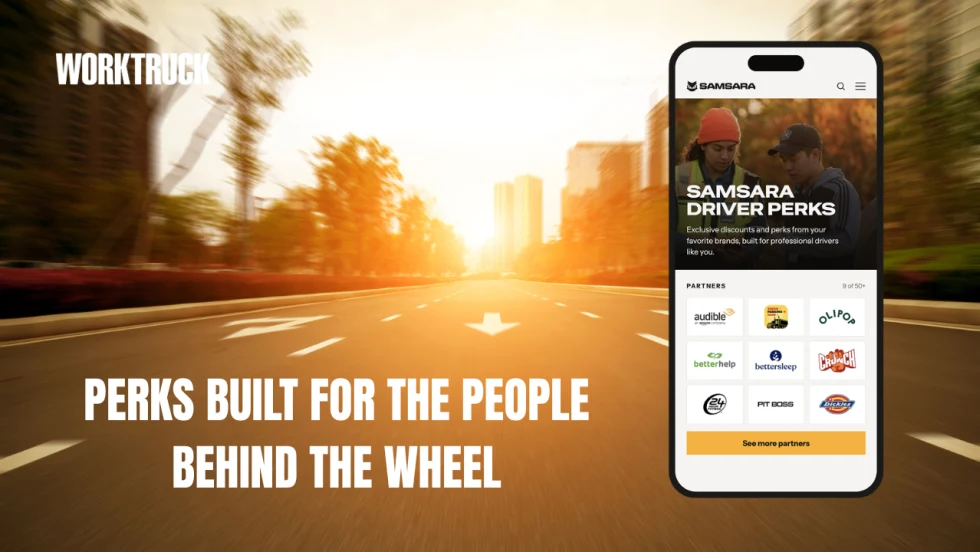
Samsara Driver Perks Expands Rewards Beyond the Long Haul Driver
Samsara’s new driver rewards program was built with a broader professional driver in mind, including employees who split their day between driving, job sites, service calls, and other work.
Read More →
AI Service Advisor Aims to Cut Fleet Repair Downtime
Fleetio said its AI Service Advisor can help fleets cut repair downtime by an average of 2.5 hours per repair while reducing manual maintenance work.
Read More →
Verra Mobility Launches AI-Driven Title & Registration Solution
Verra Mobility has launched a new AI-driven Title & Registration platform to help fleets move vehicles from acquisition to the road the same day while reducing compliance risk.
Read More →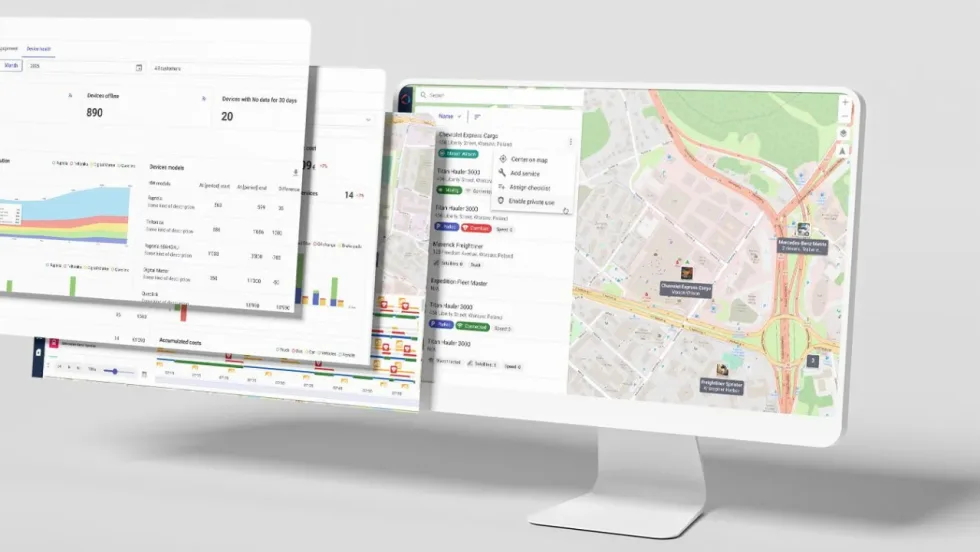
Wialon Unlocks OEM Data to Give Fleet Owners Data Ownership & Operational Clarity
Wialon has introduced hardware-free OEM integration as the EU Data Act accelerates the shift in vehicle data access across the fleet industry in many countries.
Read More →
Teletrac Navman Promotes New CEO from Within
Teletrac Navman’s next CEO, Ricardo Buranello, has served as the company’s chief financial and operating officer. He brings deep financial and operational expertise, a strong strategic orientation, and an intimate knowledge of the business to his new role.
Read More →
Smith System Wants Work Truck Fleets to Look Beyond the Driver Alert
Smith System’s new Driver Risk Management program is built to help mixed work truck fleets turn telematics alerts and observations into specific behaviors, coaching actions, and measurable follow-up.
Read More →