




Why Disaster Readiness Matters for Every Work Truck Fleet
Disaster response isn’t just for emergency fleets anymore. Every work truck fleet, from last-mile delivery to vocational service trucks, keeps communities and businesses running.

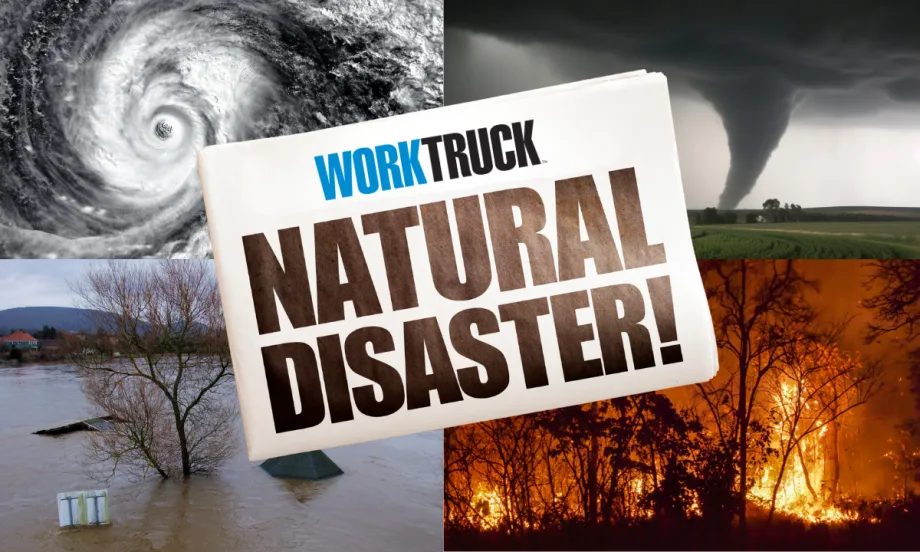
Natural disasters are becoming more frequent and more severe and fleets are often on the front lines. How do you stay prepared?
Photo: Work Truck
When we think about the challenges work truck fleets face (driver shortages, rising fuel costs, new regulations, etc.) natural disasters don’t always top the list. But they should. From hurricanes to wildfires to severe winter storms, the impact of extreme weather on our industry is growing. And it doesn’t care if your fleet is large or small, urban or rural.
That’s why we’re tackling it head-on in our Summer 2025 issue with our first-ever Disaster Preparedness, Response, and Recovery Guide. We know how critical it is to keep trucks moving when the unthinkable happens and, even more so, how important it is to prepare before disaster strikes.
It’s Not If, It’s When
So, why should disaster preparedness matter to your operation? Disasters don’t follow a calendar or give advance notice. We’ve all seen how flooding can wipe out entire routes, how wildfires can reroute deliveries, or how ice storms can knock out power and shut down communications. These events have real consequences: missed deadlines, damaged equipment, safety risks for drivers, and sometimes, a total halt in operations.
And they’re happening more often. According to data from NOAA, billion-dollar weather and climate disasters in the U.S. have more than doubled in frequency over the past decade. That’s not just a data point. It’s a flashing warning light for the work truck community.
Every Fleet Needs a Plan
No two disasters are alike, and no two fleets are either. But having a plan — any plan — is better than scrambling without one. Emergency communication protocols, backup fueling strategies, equipment checklists, and driver safety training aren’t just nice to have. They’re essential.
I’ve talked with many fleet managers who are laser-focused on day-to-day operations. It’s understandable. Staying on top of schedules, compliance, and maintenance is no small feat. But long-term success means carving out the time to assess risk, test emergency plans, and train teams. Because when something goes wrong, how your team responds can make all the difference.
Data is Your Secret Weapon
One of the biggest missed opportunities in disaster planning is not leveraging the data fleets already have. GPS tracking, telematics, and maintenance systems provide valuable insights, not just for efficiency, but also for emergency planning. Do you know which routes flood first? Which drivers are closest to a disaster zone? Which vehicles are most vulnerable if a power outage hits?
Understanding your data means being able to pivot fast and protect your people and your assets. It also means you can recover faster and smarter when it’s time to get back on the road.
We’ve Got You Covered
We created our Disaster Preparedness, Response, and Recovery Guide with all this in mind. You’ll find real-world examples, checklists, expert tips, and new ways to think about risk inside. Whether you’re building a plan from scratch or updating what you already have, we aim to make it practical and actionable.
Because here’s the truth. Disaster response isn’t just for emergency fleets anymore. Every work truck fleet, from last-mile delivery to vocational service trucks, keeps communities and businesses running. That makes disaster readiness not just a best practice but a business imperative.
Take some time with this guide. Share it with your teams. Start the conversations now, before the next storm rolls in.
Stay safe out there.
Lauren Fletcher
More Blog Posts

Can America Replace Canadian Truck Production Without Hurting U.S. Fleets?
U.S. tariffs are targeting Canadian truck production, but Ford and GM show why moving that manufacturing south isn’t so simple. After 60 years of building one North American supply chain, what could fleets lose by pulling it apart?
Read More →
The Fleet Skills We Keep Missing on Veterans’ Resumes
What if some of the strongest candidates are already out there, but we are overlooking them because their experience is written in a language our industry does not always recognize?
Read More →
Technicians Are Doing More Than Turning Wrenches
Technicians do far more than repair vehicles. Six professionals reveal the problem-solving, pressure, and pride behind keeping fleets moving.
Read More →
WWCD? What Would Coach Do?
A personal reflection on Ed "Coach" Bobit, the mentor who shaped my career, and why I still ask myself one question 12 years later: WWCD?
Read More →
What the Fleet Industry Still Gets Wrong About Talent
What can the fleet industry learn from the women helping shape its future? A look at talent, leadership, sponsorship, and why new perspectives drive progress.
Read More →
AI Isn’t Killing Content, but Lazy Expertise Is
Thought leadership loses value when AI does the thinking. Here’s why authentic industry voices still matter most.
Read More →
Do I Need a U.S. DOT Number?
Whether you operate a small fleet of light-, medium-, or heavy-duty units, or are merely the owner of one truck wanting to ensure you adhere to the law, knowing if you can need a U.S. DOT number can be confusing.
Read More →
Is Retirement in Fleet Now More Like ‘Rewiring’?
Fleet professionals rarely retire for good. They return as advisors, mentors, and consultants, keeping hard-won experience in the industry.
Read More →
What Does Visibility in Fleet Really Look Like?
Advocacy changes things. Visible trust changes things. Structure changes things. Access changes things. A willingness to share connections, rooms, and opportunities, and a belief in someone before it is convenient, changes things.
Read More →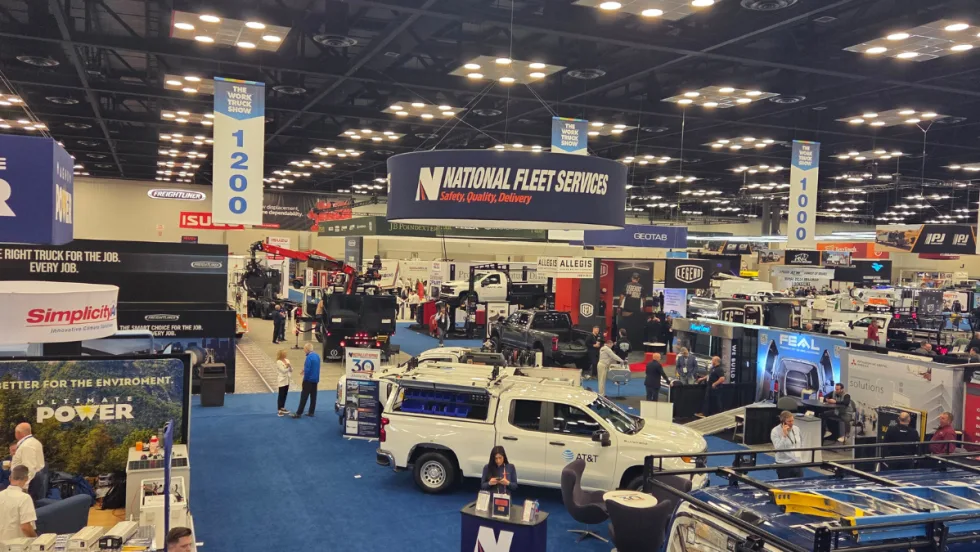
Work Truck Week 2026 Shows an Industry Focused on Practical Progress
Taken together, these themes show an industry that is not chasing a single technological solution. Instead, it is building a broader toolkit designed to support the diverse and demanding jobs fleets perform every day.
Read More →