




Reflecting on the Year Gone By & Planning for the Future
Learn why evaluating progress is crucial and how to create a robust game plan for continued improvement.


Looking back is an important part of planning ahead.
Photo: Work Truck
As the year draws to a close, work truck fleet managers need to pause and reflect on the journey their fleet has traversed over the past twelve months. This retrospective analysis offers an opportunity to celebrate achievements and is a compass for charting a course toward even greater success in the upcoming year.
As the countdown to January begins, here are just a few reasons why evaluating progress is crucial and how to create a robust game plan for continued improvement.
Why Assessing the Journey Matters
Taking stock of your fleet's performance is akin to deciphering the intricate clues embedded within the fabric of operations. Such introspection allows fleet managers to discern trends, identify bottlenecks, and recognize strengths and weaknesses.
It offers a panoramic view of what worked and what didn't, enabling informed decisions for the road ahead.
Begin your evaluation by delving into the fundamental metrics that shape your fleet's performance. Scrutinize fuel consumption patterns, maintenance costs, downtime statistics, and driver performance records.
These data points serve as the foundation for insightful analysis and provide tangible evidence of your fleet's operational health.
Celebrate Milestones & Learn from Mistakes
Don’t forget to pause to celebrate the victories and milestones achieved throughout the year. Acknowledge the collective efforts that culminated in successful endeavors, whether it be meeting delivery deadlines, reducing idle time, or implementing innovative safety measures.
Recognizing these accomplishments boosts morale and fosters a culture of excellence within the fleet.
Equally important is acknowledging the setbacks and challenges encountered during the year. Scrutinize the root causes behind any accidents, delays, or operational inefficiencies. Learning from these challenges can pave the way for strategic improvements and fortify the fleet's resilience against future hurdles.
Crafting a Roadmap for Progress
Armed with a full understanding of your fleet's journey this year, it's time to craft a roadmap for the upcoming year.
Set realistic yet ambitious targets that align with broader organizational objectives.
Define clear, actionable strategies to address the identified gaps and capitalize on your team's strengths.
Embrace technology advancements, invest in driver training programs, and consider fleet expansion plans judiciously.
Your game plan should also foster a culture of continuous improvement within your team. Encourage open communication, solicit feedback from drivers and maintenance staff, and empower them to contribute ideas for operational enhancements.
Nurture a collaborative environment that values innovation and embraces change as a catalyst for progress.
Stay adaptable and flexible in your approach. Keep a keen eye on emerging industry trends, regulatory changes, and technological innovations.
Driving Thoughts
As the year draws to a close, the practice of reflective evaluation can be more than insightful. It can be a humbling experience as you see trends you had predicted would go a different direction or see plans you made not pan out.
By understanding the past, leveraging the present, and envisioning the future, you can steer your fleet toward improved success in the upcoming year.
Remember, every step taken today is a stride toward a more prosperous tomorrow.
Did this help you out? Please e-mail me, and let’s chat!
More Blog Posts

Can America Replace Canadian Truck Production Without Hurting U.S. Fleets?
U.S. tariffs are targeting Canadian truck production, but Ford and GM show why moving that manufacturing south isn’t so simple. After 60 years of building one North American supply chain, what could fleets lose by pulling it apart?
Read More →
The Fleet Skills We Keep Missing on Veterans’ Resumes
What if some of the strongest candidates are already out there, but we are overlooking them because their experience is written in a language our industry does not always recognize?
Read More →
Technicians Are Doing More Than Turning Wrenches
Technicians do far more than repair vehicles. Six professionals reveal the problem-solving, pressure, and pride behind keeping fleets moving.
Read More →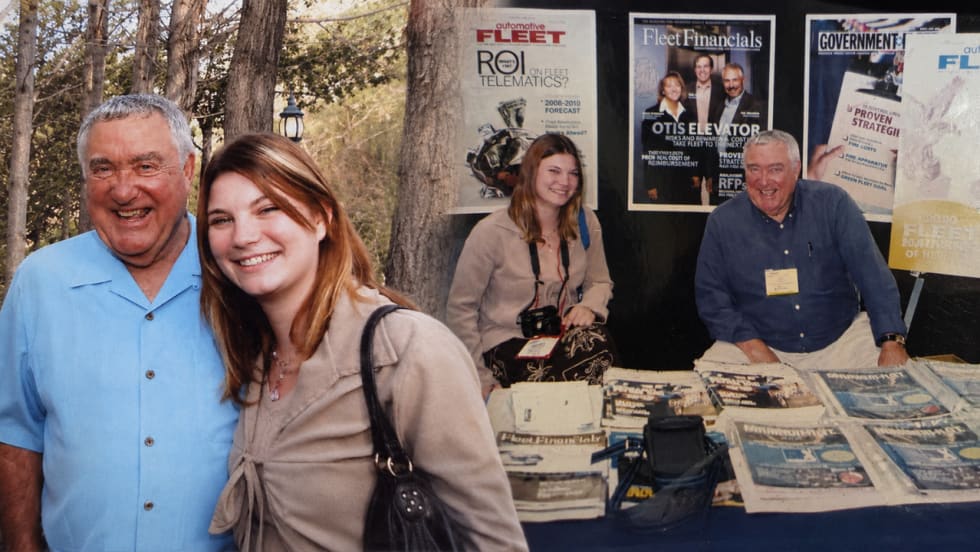
WWCD? What Would Coach Do?
A personal reflection on Ed "Coach" Bobit, the mentor who shaped my career, and why I still ask myself one question 12 years later: WWCD?
Read More →
What the Fleet Industry Still Gets Wrong About Talent
What can the fleet industry learn from the women helping shape its future? A look at talent, leadership, sponsorship, and why new perspectives drive progress.
Read More →
AI Isn’t Killing Content, but Lazy Expertise Is
Thought leadership loses value when AI does the thinking. Here’s why authentic industry voices still matter most.
Read More →
Do I Need a U.S. DOT Number?
Whether you operate a small fleet of light-, medium-, or heavy-duty units, or are merely the owner of one truck wanting to ensure you adhere to the law, knowing if you can need a U.S. DOT number can be confusing.
Read More →
Is Retirement in Fleet Now More Like ‘Rewiring’?
Fleet professionals rarely retire for good. They return as advisors, mentors, and consultants, keeping hard-won experience in the industry.
Read More →
What Does Visibility in Fleet Really Look Like?
Advocacy changes things. Visible trust changes things. Structure changes things. Access changes things. A willingness to share connections, rooms, and opportunities, and a belief in someone before it is convenient, changes things.
Read More →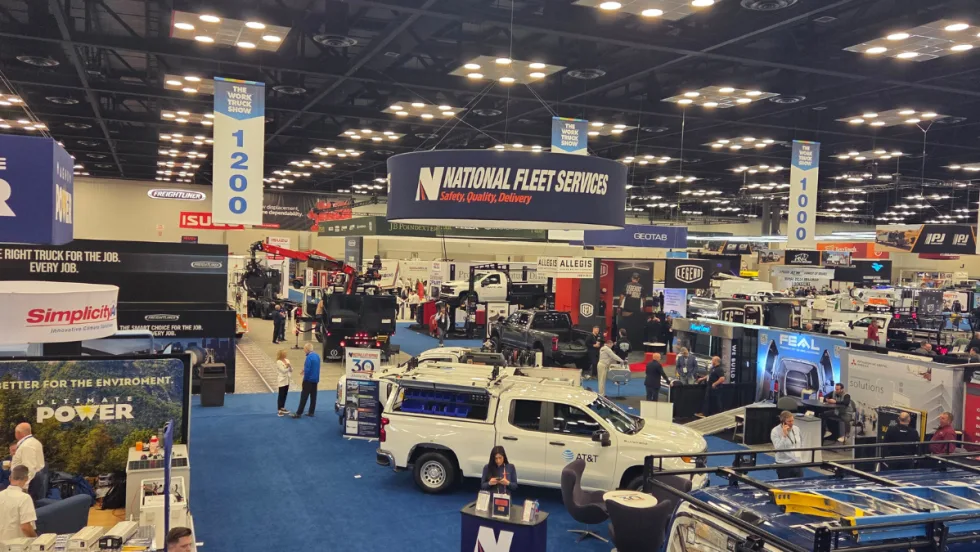
Work Truck Week 2026 Shows an Industry Focused on Practical Progress
Taken together, these themes show an industry that is not chasing a single technological solution. Instead, it is building a broader toolkit designed to support the diverse and demanding jobs fleets perform every day.
Read More →