





Fleet FAQ: What is rolling coal? "Rolling coal" refers to the practice of modifying a diesel truck to intentionally produce excessive amounts of black exhaust smoke. This is done by altering the truck's engine settings or removing emissions control equipment, such as the diesel particulate filter (DPF) or exhaust gas recirculation (EGR) system.
[Op-Ed] The Hidden Dangers of Tampering with Emissions Control Devices – Fleet Edition
Fleet managers beware: illegal emissions modifications could put your business at risk. Discover how to protect your fleet and stay compliant.
September 18, 2024
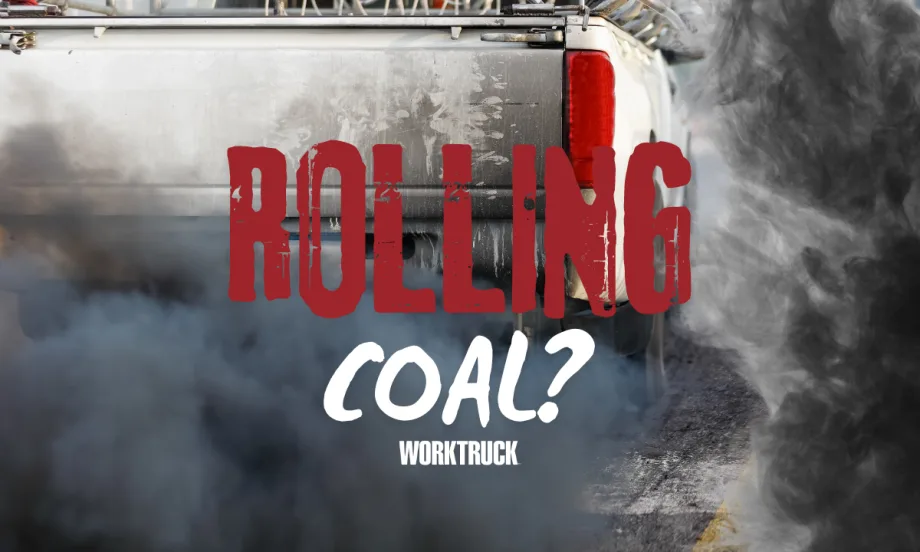
Fleet managers face increasing risks as illegal emissions modifications in diesel repair shops threaten compliance, sustainability, and environmental responsibility.
Photo: Work Truck
5 min to read
In a time when environmental responsibility is more than just a regulatory requirement but an industry priority, the recent sentencing of a diesel repair shop in Lane County, Oregon, highlights a significant risk for fleet managers. The repair shop, which holds an A+ Better Business Bureau (BBB) accreditation [as of publication], knowingly and intentionally tampered with pollution monitoring devices on at least 184 vehicles between 2018 and 2022, in direct violation of the Clean Air Act, according to the U.S. Attorney's Office, District of Oregon.
According to court documents, the shop charged customers approximately $2,300 per vehicle for these modifications, resulting in over $378,000 in unlawful revenue over four years.
The illegal process, often called "Delete and Tune," involves disabling emissions control systems on diesel vehicles, allowing them to run without the environmental safeguards designed to reduce harmful pollutants. The trucks can emit toxic pollutants at far higher levels, contributing to air quality degradation, public health risks, and the notorious "rolling coal" phenomenon — where black soot is deliberately belched from the exhaust.
While this might offer short-term performance or fuel efficiency improvements, the long-term consequences — both legally and environmentally — are severe.
This case serves as a critical reminder for fleet managers to be vigilant about the repair shops and services they use. When a shop with a seemingly stellar reputation, such as an A+ BBB rating, can be involved in illegal practices, it becomes clear that appearances can be deceiving. It's crucial to recognize that even reputable businesses might recommend "fixes" that violate the law and put your fleet's integrity and environmental impact at risk.
The Hidden Threat to Fleet Operations
Why does this matter to you as a fleet manager? I'm sure many of you think this is a long-shot connection to fleet management. But let me surprise you.
A few quick web searches provided more news items and press releases on business owners tampering with emissions control devices than I thought I'd find.
In 2023, a towing company business owner in Kirbyville, Missouri, was sentenced for "leading a conspiracy to illegally tamper with the emissions controls of the company's diesel towing vehicles," according to the United States Attorney's Office, Western District of Missouri. In the same year, three companies and eleven individuals were charged with violating the Clean Air Act in an aftermarket scheme to disable the emissions control systems of semi-trucks, according to the U.S. Attorney's Office, Western District of Michigan.
This phenomenon is seen not only in beefy pickup trucks in rural towns but also in small fleets around the country.
Navigating the Legal and Environmental Risks of Emissions Modifications in Fleet Management
As a fleet manager, your choices can have legal and environmental consequences. Illegal emissions modifications, whether knowingly or unknowingly performed by repair shops, put your fleet at risk of hefty fines, legal scrutiny, and reputational damage. Beyond the immediate cost-saving temptation, these practices jeopardize your commitment to sustainability and compliance with federal and state regulations.
It's time to reevaluate how we approach fleet maintenance to ensure the longevity and responsibility of our operations.
1. Reducing Legal and Financial Risks
Fleet managers who unknowingly (or worse, knowingly) use shops that offer illegal emissions modifications risk more than a slap on the wrist. The Clean Air Act imposes significant penalties, and your fleet could be subject to investigations, fines, or even potential shutdowns if found in violation.
In the Oregon case, the repair shop’s customers knew what they were asking for. However, some could be unwittingly exposed to legal liability simply because they trusted a shop to handle emissions controls "their way." A one-time charge of $2,300 might seem like a cost-effective repair for the promise of increased fuel efficiency, but the true costs could be catastrophic down the road.
2. Growing Environmental Responsibilities
The fleet industry has been moving toward cleaner, more sustainable operations. Investing in alternative fuels, hybrid, or electric vehicles has become part of many fleets' long-term strategies. Tampering with pollution control devices is a direct contradiction to these efforts.
By participating in practices like Delete and Tune, fleets contribute to worsening air quality, increased public health risks, and a larger carbon footprint. In short, it undermines industry progress and the broader movement toward environmental responsibility.
3. Trusting the Right Partners
When a repair shop recommends a modification, fleet managers must ask the right questions and ensure that the recommendations are legal and in accordance with environmental regulations. It's easy to be swayed by promises of better fuel efficiency or reduced maintenance costs, but fleet professionals must prioritize compliance and sustainability.
If a service provider suggests bypassing emissions systems for better performance, that's a red flag. Partner with businesses that understand modern diesel engines' complexities and stay committed to following the rules. Only you can be the expert fleet manager your company needs.
4. Ensuring Reputation and Compliance
Your fleet and business's reputation are tied to your compliance with federal and state regulations. Any involvement with emissions tampering or illegal modifications can lead to reputational damage, making it harder to secure partnerships, clients, or even drivers. It can also affect your ability to attract and retain top talent.
Many workers today value companies that align with sustainable practices and environmental stewardship. Cutting corners by using services offered by businesses that break the law jeopardizes this reputation.
This case, and the cases of businesses knowingly participating in these actions, serves as a wake-up call for fleet managers everywhere. Even reputable businesses may engage in unethical practices behind the scenes, and it's your responsibility to stay informed, ask the right questions, and ensure that your fleet's repairs and upgrades comply with all environmental regulations.
Driving Thoughts
The temptation to save a few dollars or boost performance with emissions modifications isn't worth the risk. Not only is it illegal, but it also compromises the future of our industry. As fleet professionals, we are tasked with keeping our vehicles running efficiently, safely, and responsibly. The path forward requires adherence to environmental standards, not shortcuts around them.
Stay proactive and protect your fleet’s future! Don't let illegal emissions modifications jeopardize your operations. Partner with reputable repair shops that prioritize compliance and sustainability. Ensure every maintenance decision aligns with environmental regulations and industry standards. Have questions or need guidance? Reach out today to learn how to safeguard your fleet against hidden risks and ensure its long-term success.
Have any thoughts to add? Please drop a comment below or email me, and let's chat!
Lauren Fletcher
Lauren.Fletcher@bobit.com
Subscribe to Our Newsletter
More Blog Posts
Can America Replace Canadian Truck Production Without Hurting U.S. Fleets?
U.S. tariffs are targeting Canadian truck production, but Ford and GM show why moving that manufacturing south isn’t so simple. After 60 years of building one North American supply chain, what could fleets lose by pulling it apart?
Read More →
The Fleet Skills We Keep Missing on Veterans’ Resumes
What if some of the strongest candidates are already out there, but we are overlooking them because their experience is written in a language our industry does not always recognize?
Read More →
Technicians Are Doing More Than Turning Wrenches
Technicians do far more than repair vehicles. Six professionals reveal the problem-solving, pressure, and pride behind keeping fleets moving.
Read More →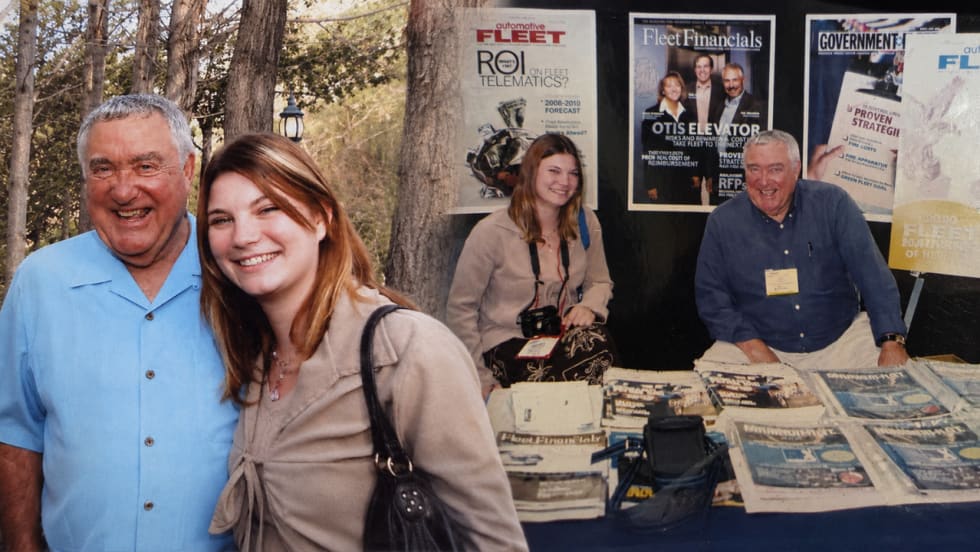
WWCD? What Would Coach Do?
A personal reflection on Ed "Coach" Bobit, the mentor who shaped my career, and why I still ask myself one question 12 years later: WWCD?
Read More →
What the Fleet Industry Still Gets Wrong About Talent
What can the fleet industry learn from the women helping shape its future? A look at talent, leadership, sponsorship, and why new perspectives drive progress.
Read More →
AI Isn’t Killing Content, but Lazy Expertise Is
Thought leadership loses value when AI does the thinking. Here’s why authentic industry voices still matter most.
Read More →
Do I Need a U.S. DOT Number?
Whether you operate a small fleet of light-, medium-, or heavy-duty units, or are merely the owner of one truck wanting to ensure you adhere to the law, knowing if you can need a U.S. DOT number can be confusing.
Read More →
Is Retirement in Fleet Now More Like ‘Rewiring’?
Fleet professionals rarely retire for good. They return as advisors, mentors, and consultants, keeping hard-won experience in the industry.
Read More →
What Does Visibility in Fleet Really Look Like?
Advocacy changes things. Visible trust changes things. Structure changes things. Access changes things. A willingness to share connections, rooms, and opportunities, and a belief in someone before it is convenient, changes things.
Read More →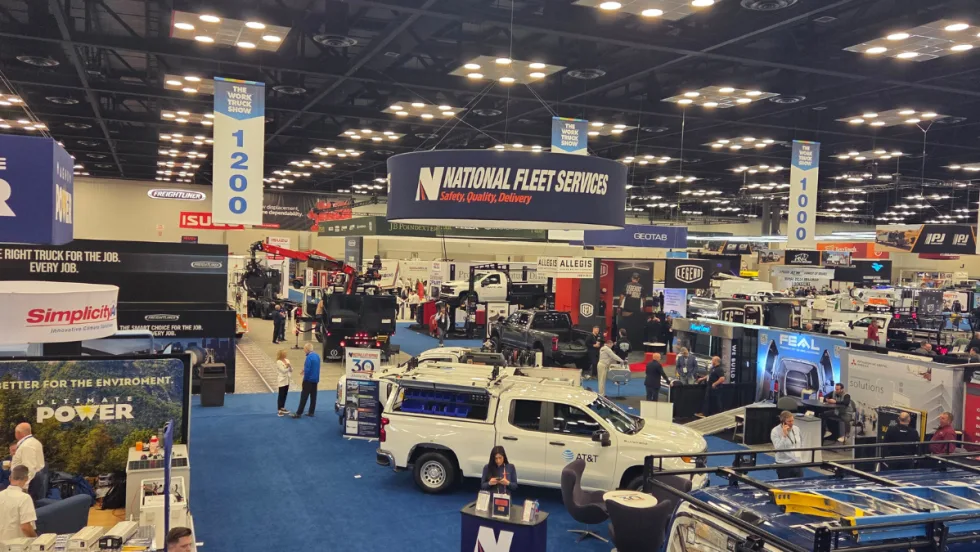
Work Truck Week 2026 Shows an Industry Focused on Practical Progress
Taken together, these themes show an industry that is not chasing a single technological solution. Instead, it is building a broader toolkit designed to support the diverse and demanding jobs fleets perform every day.
Read More →