




Want More? Digging Deeper into Driver Behavior
To Clean the Air, Let’s First Green Our Fleets
One of the main contributors to poor air quality across industries happens to be something we simply cannot live without — fleets. To help clean our air, we must look at greening our fleets.
by Brian Canlas, GPS Insight
June 16, 2022
To green your fleet, GPS Insight shares six ideas for managers to create a more sustainable driving workforce.
Photo: Work Truck
4 min to read
At the close of National Clean Air Month, what better time to reflect on the steps we can take to improve air quality? The quality of our air has serious implications on our health. Air pollution can lead to severe medical issues, including a higher vulnerability to infection, impaired cognition, and preterm births. In addition to personal health risks, increased air pollution has a direct impact on climate change.
One of the main contributors to poor air quality across industries happens to be something we simply cannot live without — fleets. Fleet vehicles drive some of the most essential elements of modern life – from supporting the supply chain to safely transporting technicians to and from job locations to perform necessary services. To keep pace with the direction modernity is rolling, we need our fleets; to ensure tomorrow comes, now is not the time to pump the brakes on reducing carbon emissions.
Most of the air pollution we see and breathe comes from energy production and use, with smog and soot the two most prevalent types. Smog comes from combusting fossil fuels reacting with sunlight – exhaust. Heavy-duty vehicles are one of the main contributors to smog worldwide, generating more than 25% of total warming emissions. Globally, air pollution is now the world’s fourth-largest risk factor for early death. According to the most recent State of Global Air report, 4.5 million deaths were linked to outdoor air pollution exposures in 2019.
To green your fleet, GPS Insight shares six ideas for managers to create a more sustainable driving workforce:
Promote efficient driving: The first step in improving sustainability in your fleets is to get your drivers on board. Ultimately, they are your most important advocates as their driving habits have a direct impact on fuel usage and exhaust output. By training your drivers on energy-efficient best practices, fleet managers can work towards a smaller carbon footprint without compromising productivity.
Reduce idling: The U.S. Department of Energy estimates that an idling truck will waste nearly a gallon of fuel each hour. Unnecessary vehicle idling increases engine wear—polluting the air and draining your battery. Vehicle data can alert you of these inefficient driving practices so you can correct them with your drivers.
Leverage preventative maintenance: GPS tracking solutions provide automated maintenance reminders so you can stay up-to-date on regular vehicle maintenance like oil changes, tire rotations, air-filter changes, and emissions testing to improve performance. Properly maintaining vehicles can increase a fleet’s MPG by upwards of 25% - better for the environment while cutting back on fuel costs.
Increase route efficiency: Barriers between back office and the field can lead to more time spent on the road. Optimizing your scheduling and dispatch processes through field service management software (FSM) helps field managers identify more efficient routes before dispatching workers to their next jobsite. FSM and GPS tracking are the one-two punch for scheduling the greenest routes possible.
Right-size your fleet: Identifying and purchasing the most appropriate size and class of vehicle for the intended application will cut down unnecessary emissions. Consider purchasing the greenest options possible to help reduce air pollution while increasing public demand for green vehicles. If smaller vehicles meet your business needs, there is no need to upsize.
Electrify: For fleets looking to take their green initiatives even further and get a head-start on the future of transportation, the electrification of your fleet is a viable option. Introducing EVs to your fleet will drastically cut maintenance and operating costs while shrinking your fleet’s carbon footprint. An EV fleet strategy will also bolster sustainability goals demanded by the public – a win for the planet and your PR.
We have a responsibility to ourselves, our neighbors, and future generations to implement smart and sustainable practices – and we can’t afford to wait any longer. The time is now for businesses and organizations with fleets out on the road to make collective, effective sustainability efforts.
About the Author: Brian Canlas is product manager at GPS Insight. This article was authored and edited according to WT editorial standards and style. Opinions expressed may not reflect that of WT.
Subscribe to Our Newsletter
More Green Fleet

Fleet Forward Conference Introduces One-Day Passes for 2026
New one-day registration gives fleet professionals the flexibility to attend Tuesday, Wednesday, or Thursday, with passes available for $199 through Sept. 18.
Read More →
CALSTART Rebrands as Catalyst Mobility, Will Combine with Forth in 2027
CALSTART has rebranded as Catalyst Mobility and will combine with Forth at the start of 2027. The new organization said it is poised to become one of the world's largest, strongest, and most impactful clean transportation nonprofits.
Read More →
Electric Truck and Charging Programs to Boost Sustainability at NY & NJ Ports
Together, the Port Authority of New York and New Jersey and CALSTART will electrify drayage and terminal operations serving the East Coast’s busiest container port. A pair of incentive programs totaling $45 million has launched to accelerate adoption of zero-emission drayage trucks and terminal tractors.
Read More →
Xos Hub Surpasses One Gigawatt-Hour of Energy Delivered in the Field
A single Xos Hub has surpassed one gigawatt-hour of energy across more than 33,600 charging sessions in the field, demonstrating performance that supports Xos' expansion across new products and markets.
Read More →
Carrier Transicold Launches All-Electric Vector 8200 TRU for Diesel-Free On-Site Cold Storage
Carrier Transicold’s first engineless multi-temperature TRU helps fresh- and frozen-food fleets add supplemental cold storage capacity during seasonal peaks.
Read More →
Narro Trucks Introduces Electric Utility Vehicle
Narro Trucks officially launched its operations on Aug. 20 and hosted a ride and drive to showcase its electric truck, which will be produced in Virginia.
Read More →
Samsung SDI Takes Full Control of GM Battery JV as Indiana Plant Pivots to Energy Storage
Samsung SDI is taking full control of its Indiana battery plant with GM, marking a major shift from the EV-focused joint venture Charged Fleet first covered in 2023.
Read More →
NWSA Taps CALSTART to Administer Zero-Emission Drayage Assistance Program
CALSTART will provide free technical assistance services to drayage fleets serving the Ports of Seattle and Tacoma and looking to transition to cleaner technologies and help decarbonize freight hubs.
Read More →
EV Fleet Reality Check: What Operators Wish They Knew Before Electrifying Their Work Vans
Electric work truck upfits bring new compatibility questions. Learn how parts availability, OEM guidance, power demands, and route planning can affect fleet performance.
Read More →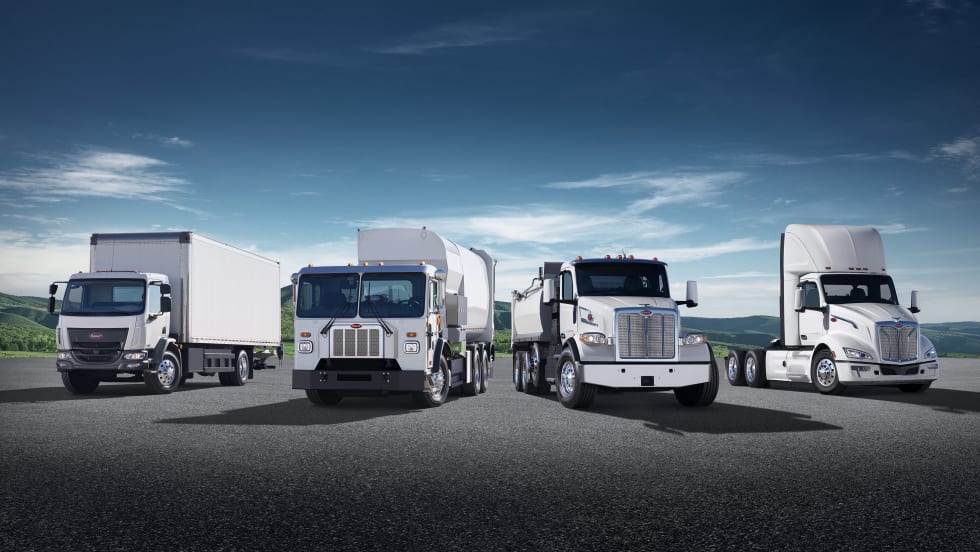
Peterbilt Expands Sourcewell Partnership with Electric Vehicle Lineup
Peterbilt Motors Company’s cooperative purchasing agreement with Sourcewell and its Canadian partner, Canoe Procurement Group, now includes including Peterbilt's battery-electric vehicle lineup.
Read More →