




Why You Shouldn't Neglect Your Truck Scales
The goal of any vehicle scale service program should be to ensure that equipment stays in working order, with minimal downtime between service visits or the life of the product. The losses to revenue due to a scale failure can exceed the cost of maintenance.

Scale downtime can be minimized or eliminated almost entirely by doing proper preventative service.
Photo courtesy of Fairbanks Scales
The goal of any vehicle scale service program should be to ensure that equipment stays in working order, with minimal downtime between service visits or the life of the product. The losses to revenue due to a scale failure can exceed the cost of maintenance. Adopting a comprehensive preventive maintenance program ultimately saves money over the long run.
Owners should opt for a program with the level that fit their specific needs. The highest level may include parts, service visits and calibrations. For those facing little exposure to significant repairs, a basic option covering only calibrations may be the best fit.
Preventive Maintenance vs. General Servicing
A general service visit is typically more specific in nature – a “tool in hand” service. Preventive maintenance includes this type of service, but also includes more interaction with a customer to understand the business and the role the equipment plays in it. Along with upkeep of equipment, preventive maintenance servicing takes into account such factors as heavy use periods, the value of supplying bench stock on difficult to acquire parts (so as to limit downtime), as well as strategies for repair if a breakdown occurs.
In other words, preventative maintenance is a more holistic approach to service. It does not just look at the customer’s equipment in isolation from the operation, but sees the wider picture, including how the proper and efficient operation of the equipment (as well as breakdowns) affects the customers’ business.
One final way of looking at the difference: General servicing puts out fires. Preventive maintenance servicing prevents them.
Importance of PM Programs
In effect, a scale is a company’s cash register. Preventive scale maintenance directly equates to bottom line dollars. Neglecting to account for the longevity of equipment can result in significant future repairs. Problems generally do not stay static or improve over time – they usually get worse. When a small issue morphs into a significant problem, wholesale repairs must be performed. These are often not budgeted for, so they result in unanticipated downtime, which often comes at a critical time.

Source: Fairbanks Scales
Table 1 provides a general overview of the typs of service programs options available in the marketplace.
Downtime can be minimized or eliminated almost entirely by doing proper preventative service. In one case Fairbanks Scales worked on, a scale experienced significant structural damage due to rusting of critical components, resulting in the need for a $38,000 full rebuild. This customer had not regularly checked his scale; had maintenance visits been performed, the issue would have been caught and small repairs could have been completed.
What to Look for in a Service Program
There are two major types of service programs: open-end and closed-end.
Open-end service is the type most often provided in the industrial weighing service industry. Service is paid for as required, also known as “pay as you go.” The service may consist of periodic inspections that are pre-scheduled to specific needs and requirements. It is called open-end because there is no limit to the total cost of repairs. When service is required, the customer contacts the service provider, the service provider requests a purchase order (as promise for payment for services) and, when satisfied with financial arrangements, the service provider sends a technician to make the repairs.
Once the service company determines the nature of the damage or failure, they may either give the customer an estimate for the total cost of the complete repair or repair the scale with the final cost of repairs unknown.
An advantage of open-end service is that actual service costs may not exceed the amount budgeted. Some scales have a history of near-perfect performance and the need to cover any risks that may occur can outweigh the concern about unscheduled costs.
A disadvantage of open-end service is that it is impossible to know what the costs will be. Although it may be possible to know the cost of scheduled calibrations, it is impossible to predict component failures. It is also impossible to prevent failure unless the cause is apparent at the time of an inspection. When there is a failure, policies and processes (work order requisitions, approvals, and purchase orders) may delay getting the equipment serviced. Open-end service can increase downtime, as service providers may have to check credit history for past-due service payments or other problems.
Another disadvantage is that parts and service repairs are typically warranted for a period of 90 days, so repeat failures could be financially catastrophic. Customers often postpone service for known problems with their scale because they do not want to spend the money during financially slow periods. This may result in additional failures, making the repair even more expensive.
To make matters worse, these decisions are often made without a complete understanding of the financial impact an inaccurate scale can have. The losses due to a failure can exceed the cost of maintenance, but because they are not seen on an invoice, these actual costs are often ignored.
Closed-end service plans are far less common in the industrial weighing market. They involve a fixed price for an annual agreement period. With a closed-end service plan, extra costs above the service contract amount are borne by the scale service provider. Large service providers are better able to take this risk, so this service plan type is less available with smaller scale companies.
With a closed-end service plan, when service is required, it can be ordered without purchase order, requisition, or approvals, so a technician can be on site quickly. This is the fastest, simplest way to initiate service. The greatest benefit of a closed-end service agreement is reduced risk for the customer. Much like insurance, closed-end service agreements cover the cost of most failures. This allows the customer to spend less time making arrangements between purchasing and management when service is needed. It also builds a better relationship between the service provider and the end user of the scale because the service process is less cumbersome. Closed-end service can be tailored to provide various levels of service so coverage is customized to the customer’s preferred risk level.
Technology has made closed-end service even more attractive. Some companies provide wireless monitoring of weighing system electronics’ accuracy, giving the service provider warning that proactive service repairs are required. Scale owners may receive notification on their smartphone that there is a scale error, but do not even need to call anyone because the service company has already dispatched a technician to fix the error.
In addition, because scale owners can choose monthly, quarterly, or annual charges for the service, a closed-end agreement may also help scale owners budget for maintenance costs more accurately.
There are few disadvantages of closed-end service. It would not work well for a service provider with limited resources, because the risk can be extreme and requires the company to have many closed-end service accounts in order to survive the bad scale scenario.
Revenue losses due to a scale failure can exceed the cost of maintenance. Preventive maintenance ends up saving in the long run.
About the author: Mark Conway is a service manager with Fairbanks Scales.
More Maintenance
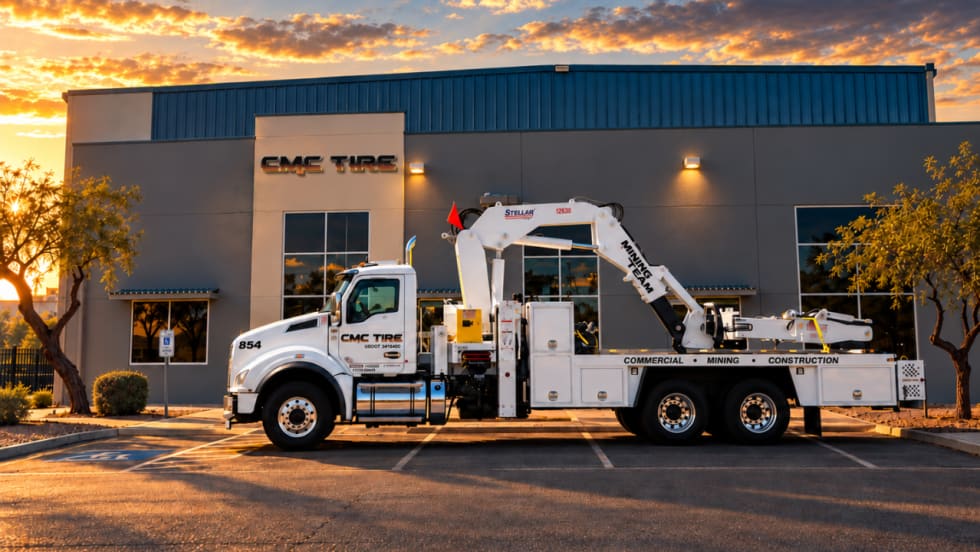
Les Schwab Expands Commercial Tire Footprint Into Arizona
Les Schwab Tires has expanded into Arizona with two commercial tire locations in Phoenix and Tucson, strengthening its fleet service footprint in the Southwest.
Read More →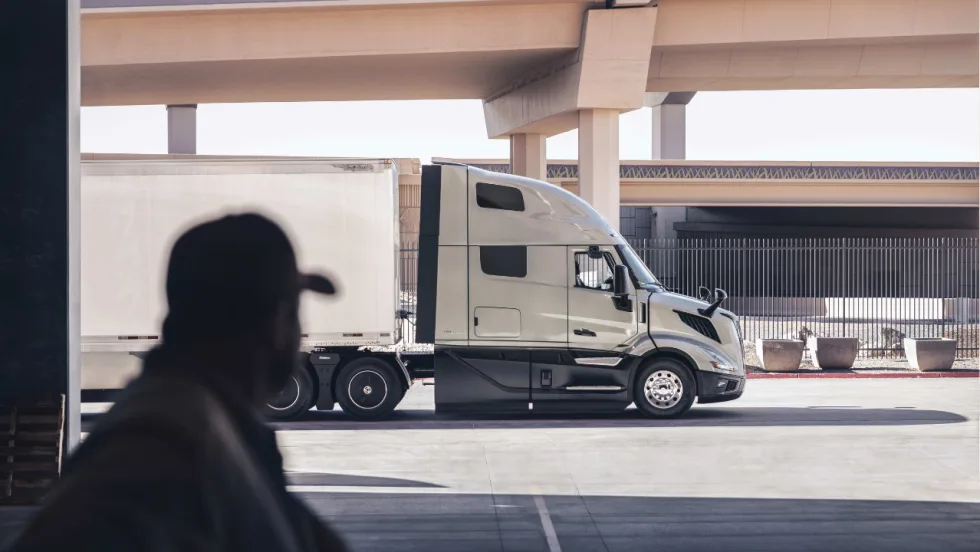
Volvo Trucks’ 'Lock and Leave' Software Updates Go Live Across North America
Unattended over-the-air software updates are now available in Volvo trucks across the U.S. and Canada. The new capability lets trucks stay current with the latest software without interrupting operations or requiring a dealership visit.
Read More →
Why Technician Appreciation Can’t Be a Once-a-Year Thought
For fleets trying to keep skilled technicians, recognition cannot begin and end with Technician Appreciation Week. Learn what year-round appreciation really looks like and why the everyday technician experience matters just as much as pay when fleets are trying to keep good people.
Read More →
How Faster Driver Reporting Can Keep Small Truck Problems Small
When minor damage, warning lights, or equipment issues are reported late, small problems can quickly become bigger maintenance headaches. Conversational AI can help shorten the path from what a driver notices in the field to the person who can act on it.
Read More →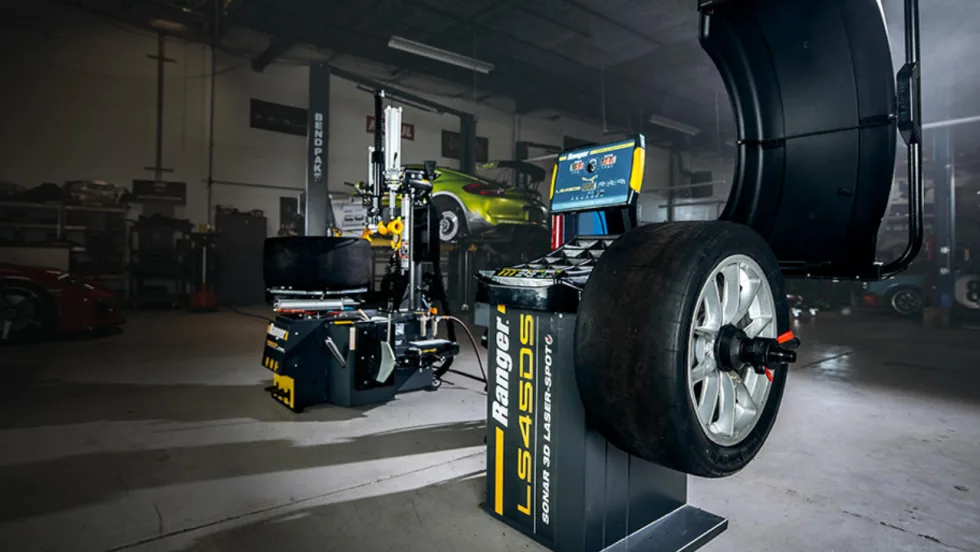
BendPak’s Ranger Wheel Service Equipment Achieves North American Safety Certification
BendPak’s full line of Ranger tire changers and wheel balancers has been ETL certified to UL and CSA standards to improve operator safety.
Read More →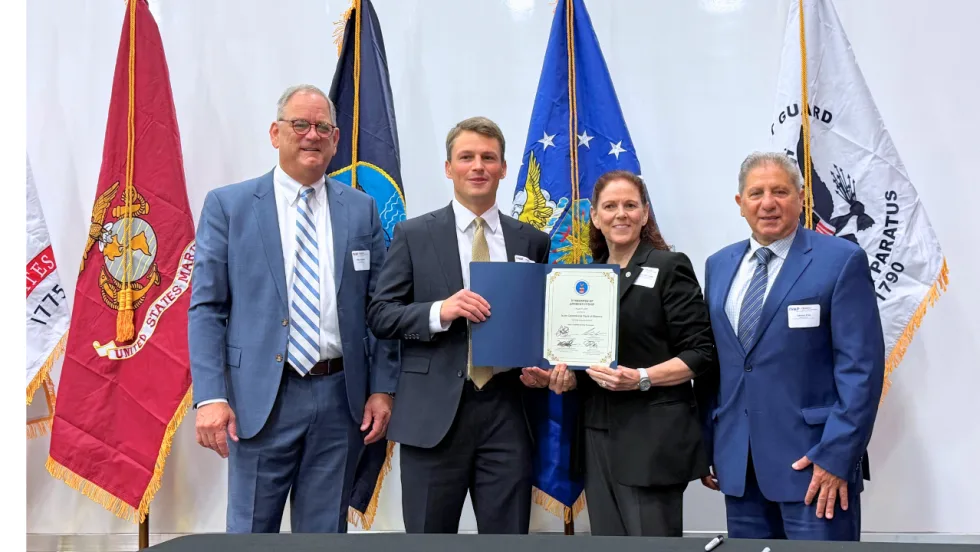
Isuzu & U.S. Department of Labor Celebrate Milestone for Veterans Apprenticeship Program
The Isuzu Veterans Apprenticeship Program (IVAP) signing ceremony highlighted Isuzu’s long-term commitment to veterans, Isuzu dealers, and the skilled workforce supporting its customers and the commercial transportation industry.
Read More →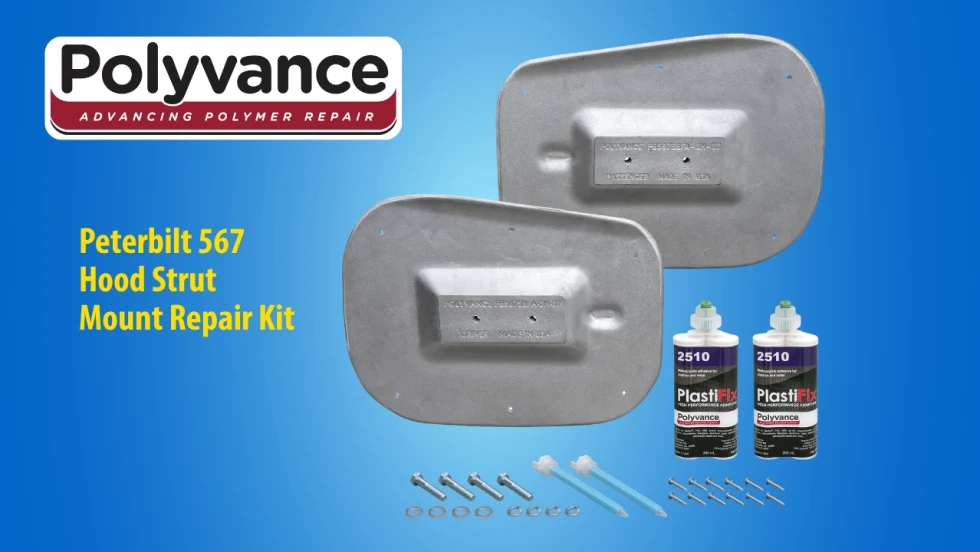
Polyvance Introduces New Peterbilt 567 Hood Strut Mount Repair Kit
Polyvance has launched a repair solution for Peterbilt 567 hood struts, helping truck owners and repair facilities avoid costly hood replacements.
Read More →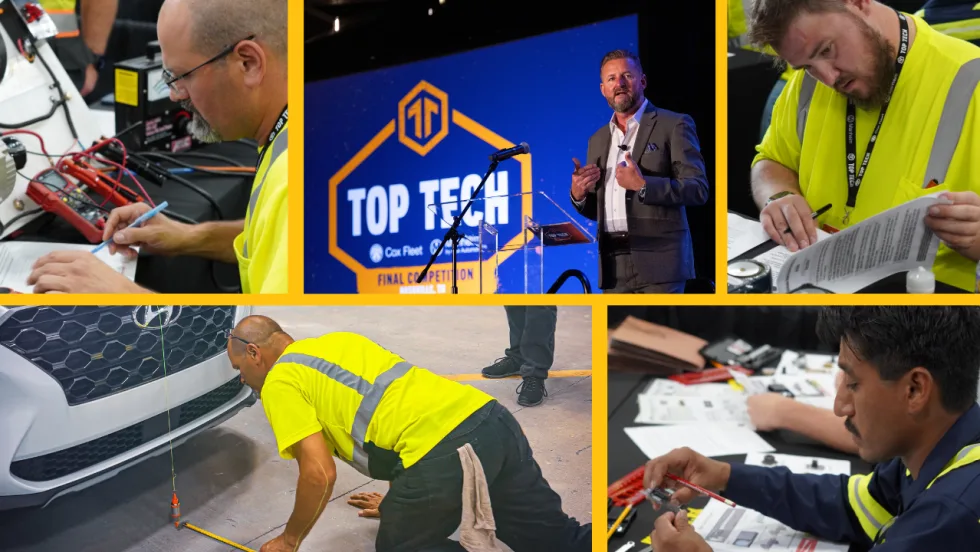
Cox Automotive Celebrates Technical Excellence at 2026 Top Tech Finals
The top technicians from Cox Fleet and Manheim tested their skills in Nashville, Tennessee, at Cox Automotive’s 2026 Top Tech Finals. The overall winners will advance to compete at the American Trucking Association’s TMC SuperTech competition.
Read More →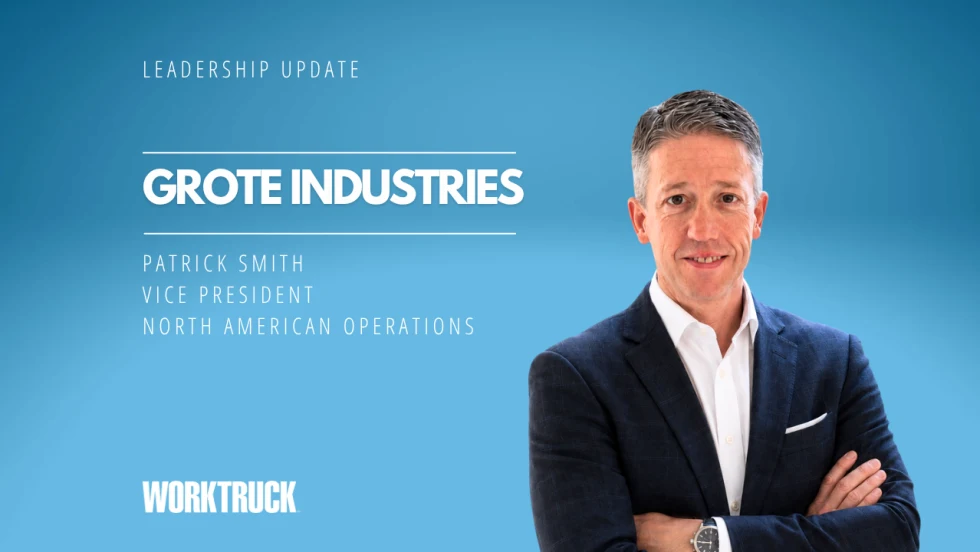
Grote Industries Appoints Vice President of North American Operations
Grote Industries has appointed Patrick Smith as vice president of North American operations as it celebrates 125 years of innovation and manufacturing excellence. He has more than 20 years of manufacturing leadership experience.
Read More →
Winter Fleet Prep: Expert Tips to Keep Vehicles Running Smoothly
Cold weather can expose weak batteries, tires, fuel systems, and maintenance gaps fast. Use this winter fleet checklist to prepare trucks and drivers before temperatures drop.
Read More →