




Why 2025 Fleets Still Face the Same Accident Causes
Despite new tech, fleet crashes in 2025 still come down to speed, distraction, and inexperience. Here’s what’s fueling the risks and how to respond.


Fleets continue to battle familiar challenges: namely distracted driving and excessive speed. These behaviors aren’t new, but their impact is as serious as ever.
Photo: Work Truck
Despite years of safety innovation and growing awareness around risk, the leading causes of fleet accidents remain largely the same in 2025: driver distraction, speeding, and inexperience.
While fleets are investing in better tools and training, there’s still work to do in changing behaviors behind the wheel.
Distraction and Speed Remain Leading Contributors
Fleets continue to battle familiar challenges: namely distracted driving and excessive speed. These behaviors aren’t new, but their impact is as serious as ever.
"The most common causes of truck accidents we’re seeing in 2025 are backing incidents, speeding, and driver inattention. These aren’t new issues, but they continue to be leading contributors. It highlights the need for consistent driver coaching, reinforcing safe driving habits, and making sure drivers stay engaged behind the wheel," said Stuart Braun, director of claims at Fleet Response.
Chris Senica, director of risk management at Enterprise Fleet Management, added company policy plays a key role in managing distraction.
"Distracted driving continues to be one of the leading causes of accidents. Given the distractions due to cellphones and other technology, there is an opportunity for companies to foster a safety-first culture. By incorporating and upholding hands-free cell phone and electronics guidelines into company car policies, the risks associated with distracted driving may be reduced, notably," he added.
The problem extends beyond distraction. Speeding is a major factor in the most severe crashes.
"Additionally, data shows that speed-related violations account for a significant portion of fatal crashes, contributing to 28% of such incidents, according to the National Safety Council. This statistic emphasizes the urgency of addressing speed-related issues to enhance road safety and help minimize severe accidents," Senica noted.
Inexperience and Turnover Raise New Challenges
While risky behaviors are a concern, the root cause of some accidents may be tied to who is behind the wheel. As veteran drivers retire, a wave of newer, less experienced drivers enters the industry.
"Another trend we continue to monitor closely is the recent influx of new, relatively inexperienced drivers getting behind the wheel of fleet vehicles. This younger demographic tends to respond differently to traditional safety training strategies, and we continue to work closely with our customers to develop innovative alternate solutions," said Tony Smith, manager, driver safety at Holman.
Some fleets are shifting to shorter, more targeted content to keep drivers engaged.
"One method that has been well received so far is quicker 'burst' training, which focuses on delivering key messages with shorter, more engaging content that doesn’t require the same time commitment as traditional training modules, helping to hold the driver’s attention better," Smith said.
Environmental and Societal Factors Add to the Challenge
While behavior and experience are top concerns, external factors, from weather to driver impairment, compound the issue.
"Many common incidents are mostly caused by distracted/inattentive drivers, both for the fleet customer and the other parties. With the larger screens in vehicles today, plus laptops and cell phones, ALL drivers are less focused on driving. Adding the pressure of making an on-time appointment, drivers tend to go faster, sometimes resulting in accidents. Weather conditions have contributed as well. Excessive snow in the north, windstorms in the south and Midwest have not helped," said Robert Martines, CEO of Corporate Claims Management (CCM).
Martines also pointed out an emerging concern: impaired driving due to prescription and legal substances.
"We have witnessed more accidents occurring (mostly caused by third-party drivers) who have had their judgment impaired using prescribed medications (and other legalized substances) that clearly affect the driver in some capacity. Believe it or not, insurance companies deny claims caused by their insured due to the fact their insured was driving impaired. Bad enough the client suffers a financial loss, they have no recourse for recovery other than a lawsuit," he said.
What Fleets Can Do
Addressing the causes of accidents starts with a proactive mindset. That means consistent training, clear policies, and regular communication with drivers about expectations. It also means leveraging technology not just for monitoring but for meaningful intervention.
Fleets that succeed in reducing incidents stay ahead of the curve by reinforcing good habits, staying flexible in training, and continuing to invest in their people.
Continue the Series
This article is Part 2 of our 5-part series on Fleet Accident Management in 2025. Don’t miss the rest:
Part 1 – Fleet Accidents Are Rising Again: Here's What Fleets Need to Know in 2025
Part 3 – How Fleets Are Using AI, Telematics, and Cameras to Prevent Accidents Before They Happen
Part 4 – Why Accident Costs Keep Climbing — and What Fleets Can Do About It
Part 5 – Fleet Training That Works: Best Practices for Building a Safety-First Culture
More Safety
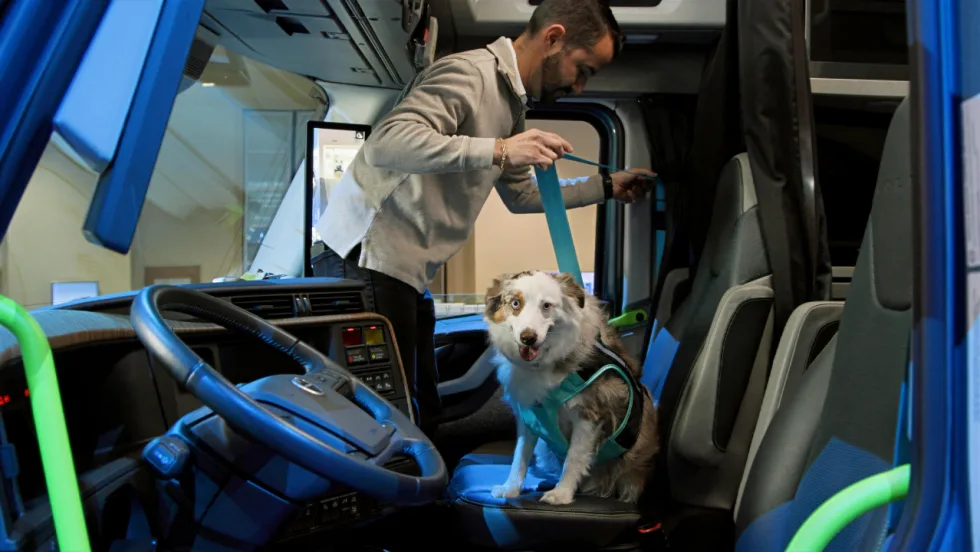
Volvo Trucks Releases New Safety Recommendations for Traveling with Pets
One of the most important recommendations for professional drivers traveling with pets is to ensure pets are properly restrained while the truck is moving. Other tips are available in the new guide from Volvo Trucks North America and Center for Pet Safety.
Read More →
API Issues Refueling Safety Guidelines
The American Petroleum Institute offers a list of safe vehicle refueling guidelines, including ways to avoid potential problems with static electricity discharges in fall, winter, and early spring.
Read More →
Winter Fleet Prep: Expert Tips to Keep Vehicles Running Smoothly
Cold weather can expose weak batteries, tires, fuel systems, and maintenance gaps fast. Use this winter fleet checklist to prepare trucks and drivers before temperatures drop.
Read More →
When a Work Truck Breaks Down, the Job Can Stop, Too
A work truck breakdown can stop more than the vehicle. Discover how payloads, jobsites, and specialty equipment change the roadside response.
Read More →
What Stronger Long-Term Fleet Service Partnerships Actually Require
Fleet service partnerships rarely fall apart all at once. Learn the three warning signs that trust is eroding and what fleets and providers can do before downtime, frustration, and lost revenue follow.
Read More →
Applause & TRUCE Software Partner to Improve Driver Safety Through AI-Powered Telematics & Employee Performance Management
Applause has integrated TRUCE driving metrics directly into its employee-first performance and safety platform that transforms mobile devices into AI-powered telematics.
Read More →
How Detroit Assurance with Active Brake Assist Works
Do you want to see what it is like to experience Detroit Assurance’s Active Brake Assist? In this video, Work Truck will put you in the cab to see how it all works and then hear more details from DTNA’s Mike Young.
Read More →
Get Left of Loss: A 5-Step Workplace Violence Prevention Framework for Fleet Operators
Violence risks do not stop at the driver’s door. Learn five practical steps fleets can take to spot threats early and protect workers before loss occurs.
Read More →
How Better Visibility Cut Speeding Violations by 48%
Fleet leaders don't need more data, they need clearer visibility into what the data is saying. This case study explores how one utility replaced speeding-event counts with a single metric — miles driven in violation — to strengthen safety and significantly reduce speeding violations.
Read More →
13 Safe Driving Tips for Commercial Vehicle Drivers
Make sure you are spending time on the road safely with these important tips.
Read More →