




What You Need to Know About Flooded Vehicles
Flooded roads are dangerous and damaging. Learn how to protect your fleet, handle flooded vehicles, and stay safe during severe weather.

Flooding can impact your fleet far beyond what’s visible.
Photo Credit: Getty Images/iiievgeniy
- Understanding the risks of flooded roads can help protect vehicles from damage.
- Implementing strategies to manage and handle flooded vehicles is essential for fleet safety.
- Awareness and preparation are crucial during severe weather to ensure safety and vehicle protection.
*Summarized by AI

Know what to do when fleet vehicles are caught in floodwaters, from damage checks to next steps for recovery.
Getty Images/Jodi Jacobson
Flooded roads can be more than just inconvenient; they can severely damage your fleet’s vehicles and put drivers at risk.
According to the Centers for Disease Control (CDC), floods are the leading cause of weather- related deaths in the U.S., especially when vehicles are driven into rising water. Just 12 inches of moving water can carry away most vehicles. Always follow local emergency guidance and avoid flooded roads.
Flooding can impact your fleet far beyond what’s visible, including:
- Resale Value: Flood damage lowers vehicle resale value. Interiors and electronics are especially vulnerable. Keep this in mind before investing in repairs.
- Mechanical Systems: A visible “water line” after flooding is a red flag. If the water reaches 12 inches or higher, have the vehicle towed and thoroughly inspected before starting.
What Should You Do if a Vehicle is Flooded?
- Don’t Start the Engine: Water in the cabin means electronics could be compromised. Airbag systems are often under the floor and can be affected even if water doesn’t fully submerge the area.
- Determine Water Type: Brackish and saltwater cause more long-term damage than fresh water, especially to electrical systems. Repairs may not be possible depending on the water type. If possible, find out how long the vehicle was submerged.
Special Considerations for EVs and Hybrids
- Avoid Contact with the Vehicle: If there’s a chance an electric vehicle or hybrid was flooded, don’t start it or charge it. Stay at least 10 feet away from the vehicle if it’s in standing water due to high-voltage risk.
- Use Emergency Charging Cables with Caution: Only use emergency charging cables if you’re certain the vehicle wasn’t exposed to floodwater and is completely dry. These cables don’t offer the same level of safety features as a standard wall-mounted charger, so take these extra precautions:
- Never use charging cables on wet surfaces.
- Don’t touch the car while it’s charging.
- Never unplug cables while in use.
- Always wear shoes while handling cables.
Stay Proactive
Flooding can lead to significant downtime and unexpected costs. Preparing in advance and responding cautiously can protect your people and your vehicles.
And follow the advice of the National Weather Service: “Turn Around, Don’t Drown.”
More Disaster Response

When Disaster Response Goes Mobile
Drones and robotic systems can give emergency teams a view of a disaster before crews ever reach the scene. But the real challenge is keeping those machines, vehicles, operators, and command centers connected when traditional infrastructure may already be compromised.
Read More →
Experts Forecast Broader Impact of Wildfires in 2026
This year’s wildfire season will likely be more intense than in 2025. The 2026 wildfire forecast from AccuWeather is for fewer fires, but even more acreage will be impacted this year.
Read More →
Farmers Insurance Backs Red Cross Disaster Response Efforts With $250,000 Commitment
Farmers Insurance joined the Red Cross Disaster Responder Program to help support emergency response and recovery during disasters nationwide.
Read More →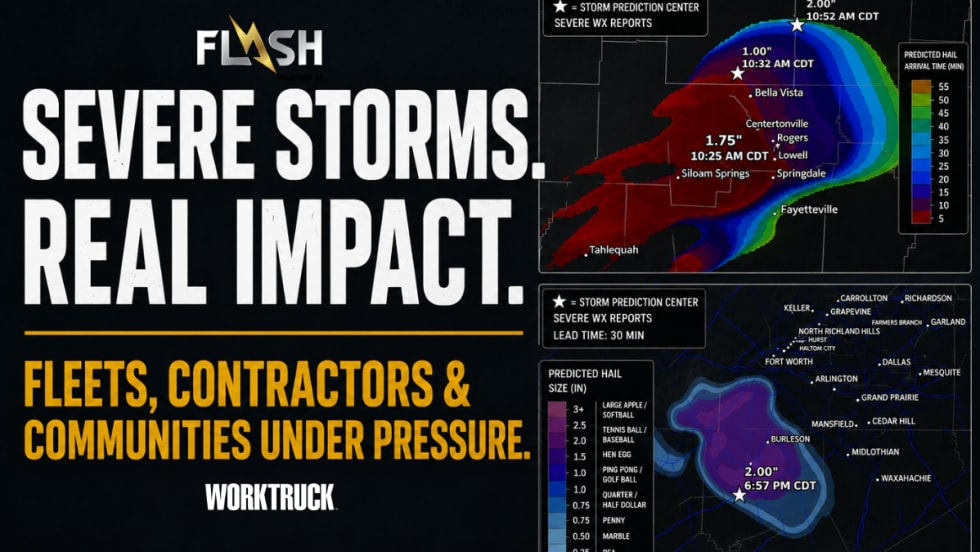
Severe Storms Are Reshaping Recovery Operations for Contractors and Work Truck Fleets
Hailstorms are creating costly new challenges for work truck fleets, from damaged onboard tech to longer recovery timelines and tactical storm planning.
Read More →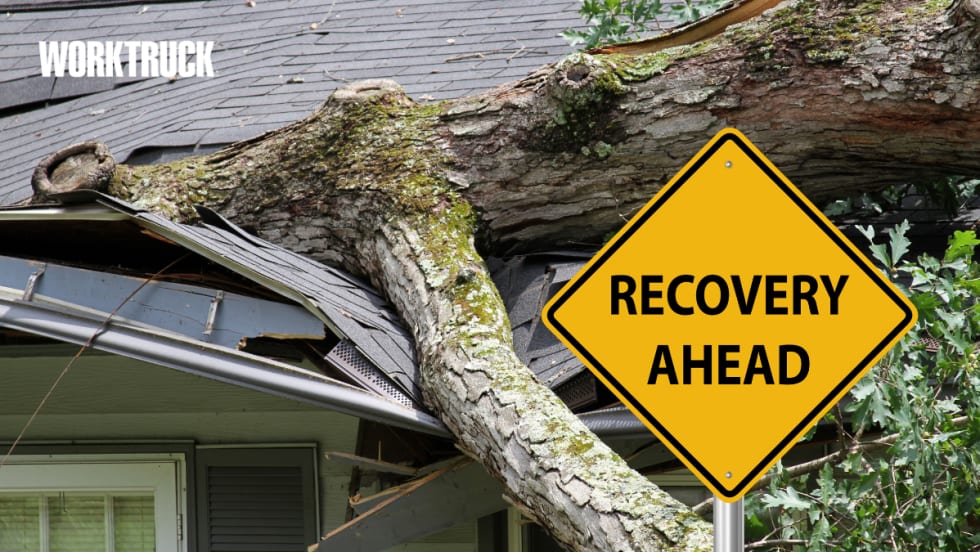
After the Storm Clears: Why Cargo Risk Spikes During Disaster Recovery
When the storm ends, cargo theft risk can spike. Here’s why the restart phase is the danger zone and what fleets can do to stay ahead.
Read More →
Your Suppliers Are Part of Your Disaster Plan
Your suppliers can make or break disaster response. Here’s how fleets can reduce vendor risk and keep critical parts flowing when storms hit.
Read More →
When the Process Breaks (Why Fleet Workflows Collapse During Disaster Response)
When disaster hits, fleet workflows don’t collapse all at once. They unravel quietly. Here’s where breakdowns start and how to build resilience before it’s too late.
Read More →
How Federal Disaster Declarations Work and Why Fleet Leaders Need to Know
How federal disaster declarations work and why fleet leaders should care about funding, reimbursements, infrastructure repairs, and recovery timelines.
Read More →
Disaster Readiness Is Not a Fleet Count, It’s a Stress Test of the Whole System
Fleet readiness isn’t about your vehicle count. It’s about condition, capacity, and whether your system can actually perform under stress.
Read More →
Disaster-Proofing Fleet Operations: How to Maintain Uptime When Conditions Are Anything but Normal
When disaster strikes, fleet uptime depends on prep, mobile maintenance, clear visibility, and disciplined execution before, during, and after the event.
Read More →