




Visibility When You Need It
Discover how wireless video tools give fleet managers real-time visibility to boost safety, respond to disasters, and protect drivers.
May 1, 2025

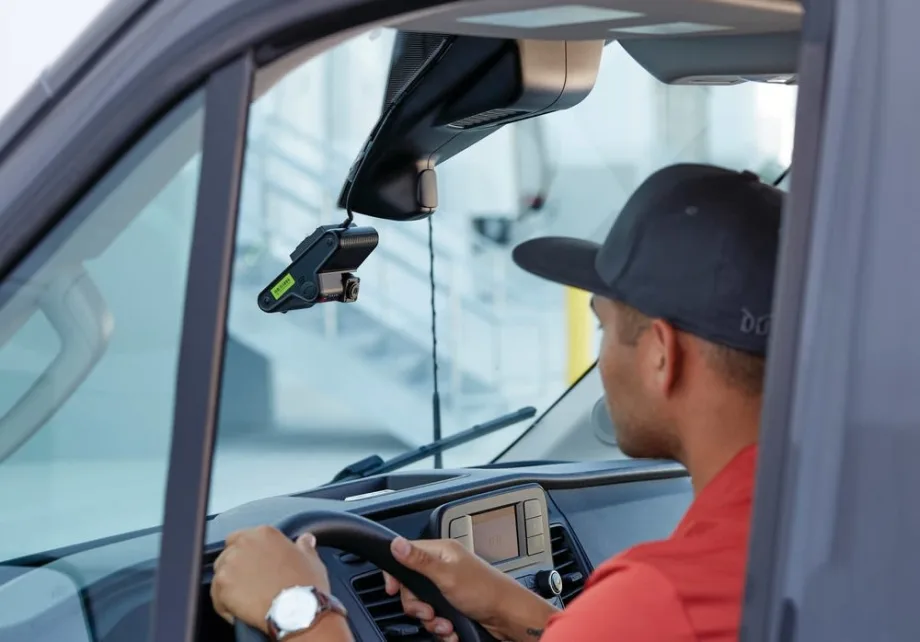
Video telematics give fleets real-time visibility, enhance safety, and support faster response during disasters.
Photo Credit: AT&T
6 min to read
In fleet operations, visibility is everything. Whether you’re managing a dozen vehicles or a thousand, the ability to see what’s happening in and around each unit (especially in real-time) can be the difference between reacting quickly or playing catch-up.
That visibility becomes even more critical during natural disasters. When floods, wildfires, hurricanes, or tornadoes hit, fleet vehicles become lifelines delivering aid, restoring infrastructure, or simply trying to escape harm’s way.
And yet, disasters are unpredictable. Roads are blocked. Signals drop. Conditions change fast. These situations are where wireless fleet management tools can be a game changer and not just for emergency response.
In recent years, a growing number of fleet managers have turned to video telematics and wireless connectivity solutions to survive the chaos and improve operations across the board.
While it’s easy to get caught up in the buzzwords (e.g., AI dashcams, low-latency video, edge computing), the real impact lies in what these tools do every day: help people drive safer, make faster decisions, and protect drivers and businesses alike.
REAL-TIME VIDEO MEETS RELIABLE NETWORKS
Let’s break this down. Dashcams aren’t new. But today’s video systems are more advanced and connected than ever. With faster wireless networks, real-time data can stream from vehicle to cloud in milliseconds. In practical terms, that means what’s happening inside the cab or outside the windshield is accessible immediately, not minutes later.
AT&T defines “low latency” in this space as typically under 100 milliseconds. While that number may not mean much to the average fleet operator, the effect certainly does.
When a camera’s advanced driver assistance system (ADAS) detects a hazard, it can immediately issue an audible alert to the driver. That could be a tree limb across the road during a hurricane. A vehicle veering into a lane. Or a garbage bin suddenly rolling into traffic.
That extra second or two of awareness helps reduce accidents and improve safety. It gives drivers one more set of eyes on the road and fleet managers one more reason to breathe easier.
HELPING DRIVERS WHEN IT MATTERS MOST
One of the more underappreciated benefits of video technology is its impact on the relationship between drivers and their managers. Let’s face it: those conversations after an incident aren’t always easy. Was the driver distracted? Were they cut off? Was it their fault?
With video, those gray areas fade. Fleet managers can pull up footage and walk drivers through exactly what happened. It turns finger-pointing into fact-checking. And instead of just saying, “Drive more carefully,” managers can say, “Here’s what we saw; let’s talk about how to improve this next time.”
AT&T’s team noted that many customers now use video footage not to discipline but to coach. It’s part of building a culture of continuous safety rather than reactive enforcement. And drivers, for their part, often feel more confident knowing there’s proof on their side if something goes wrong.
REDUCING INSURANCE CLAIMS (AND STRESS)
If there’s one place where video pays for itself quickly, it’s in insurance. Fleets are often at the mercy of claims that take months to resolve, or worse, they’re automatically blamed. But when a dashcam shows a driver was wearing a seatbelt, following all policies, and driving safely when another vehicle ran a red light? That’s hard to argue with.
AT&T points to cases where customers avoided costly settlements using video to disprove claims. In somesituations, footage exonerated the driver entirely. In other cases, it helped speed up the claims process and reduce legal exposure. And while insurance premiums are tough to budge, having that evidence certainly strengthens a fleet’s negotiating position.
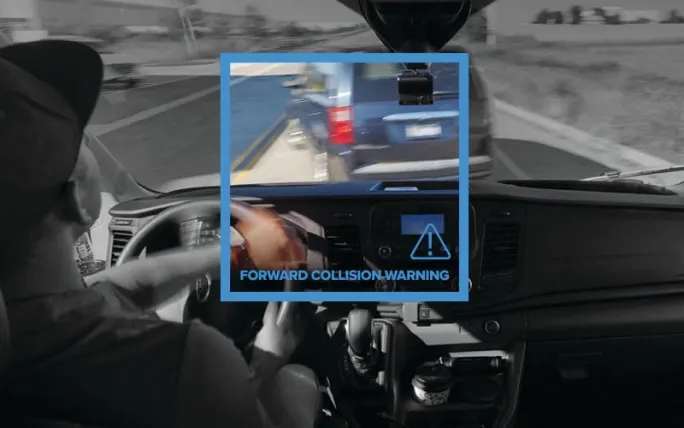
Proactive risk management starts with real-time visibility, protecting drivers, and reducing claims.
Photo Credit: Xirgo
TURNING FOOTAGE INTO POLICY
Policies are only as strong as the data they’re built on. That’s why more fleets are using video not just for incident review, but also to shape and enforce better rules.
Managers can identify patterns across their teams by analyzing common behaviors like tailgating, failure to buckle up, or late braking. If multiple drivers struggle with the same issue, it might be time to rethink training or adjust expectations. And if one vehicle has a pattern of near- misses, maybe it needs to be retired or reassigned.
eatbelt use and safe following distances are two of the biggest focus areas. When a fleet sets a rule, like “We expect a 3-second following distance,” video provides the feedback loop to make that expectation stick.
As AT&T put it: “You can’t debate video. It happened, or it didn’t.”
SHIFTING FROM REACTIVE TO PROACTIVE RISK MANAGEMENT
There’s a subtle but important shift in how fleets use video: from reactive to proactive.
In the past, dashcams were seen mostly as a way to record incidents or figure out what went wrong. Today, they’re increasingly being used to prevent things from going wrong in the first place.
That includes driver coaching based on risky behavior patterns and preemptive adjustments to routes, staffing, and vehicle use. By pulling insights from telematics and pairing them with video trends, smart fleets stay ahead of potential problems, reduce downtime, boost safety, and improve overall efficiency.
AT&T also pointed out a culture shift: more fleets are adopting dual-facing dashcams (road and driver) as the technology becomes normalized. Drivers are becoming more open to the idea once they realize the camera isn’t just watching them; it’s there to protect them, too.

Real-time visibility that keeps drivers safe and fleets moving, no matter the road ahead.
Photo Credit: Getty Images/bancha singchai
WHEN THE WORST HAPPENS: VIDEO IN DISASTER SCENARIOS
This brings us back to disasters, the theme of this guide. Whether it’s a wildfire or a tornado, fleets often don’t have the luxury of staying off the road. Utilities, emergency responders, delivery services, and even municipal fleets must move fast and remain coordinated when every second counts.
Video systems help in three key areas:
- Enhanced situational awareness. Drivers get audible alerts from ADAS-equipped dashcams when obstacles appear, even if they’re distracted or visibility is low.
- Real-time visibility for managers. During a crisis, fleet vehicles can act as mobile sensors. Dashcams provide a literal view of what’s happening on the ground, helping dispatchers and decision-makers adjust on the fly.
- Reliable evidence after the fact. When a truck gets damaged or goes off-route due to emergency detours, having video helps explain what happened and speeds up recovery, operationally and financially.
Simply put, dashcams are for when things aren’t going well. Whether it’s a fallen tree, a flooded road, or a distracted driver trying to make sense of chaos, video provides the visibility and documentation needed to stay safe and recover faster.
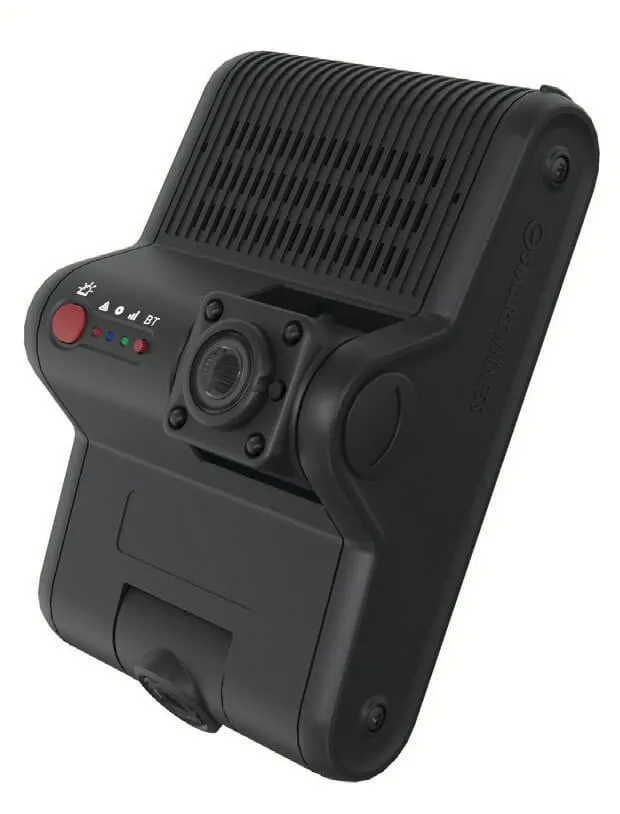
Mounted dashcams provide critical footage for post-incident analysis, driver coaching, and insurance support.
Photo Credit: Xirgo
FLEET TECHNOLOGY THAT SUPPORTS PEOPLE FIRST
Wireless fleet management isn’t about the hardware; it’s about helping people do their jobs better and safer. Whether it’s a manager working through a coaching moment with a driver or a vehicle responding to a community emergency, these tools exist to support the people behind the wheel.
The message is clear: fleets using connected video solutions today aren’t just protecting assets; they’re building a foundation of safety, accountability, and trust that lasts far beyond the next storm.
Subscribe to Our Newsletter
More Disaster Response
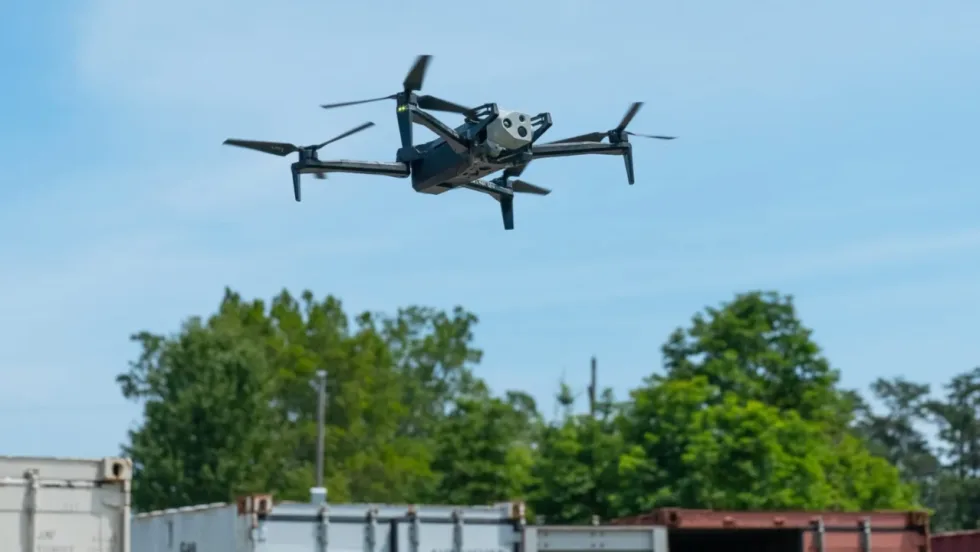
When Disaster Response Goes Mobile
Drones and robotic systems can give emergency teams a view of a disaster before crews ever reach the scene. But the real challenge is keeping those machines, vehicles, operators, and command centers connected when traditional infrastructure may already be compromised.
Read More →
Experts Forecast Broader Impact of Wildfires in 2026
This year’s wildfire season will likely be more intense than in 2025. The 2026 wildfire forecast from AccuWeather is for fewer fires, but even more acreage will be impacted this year.
Read More →
Farmers Insurance Backs Red Cross Disaster Response Efforts With $250,000 Commitment
Farmers Insurance joined the Red Cross Disaster Responder Program to help support emergency response and recovery during disasters nationwide.
Read More →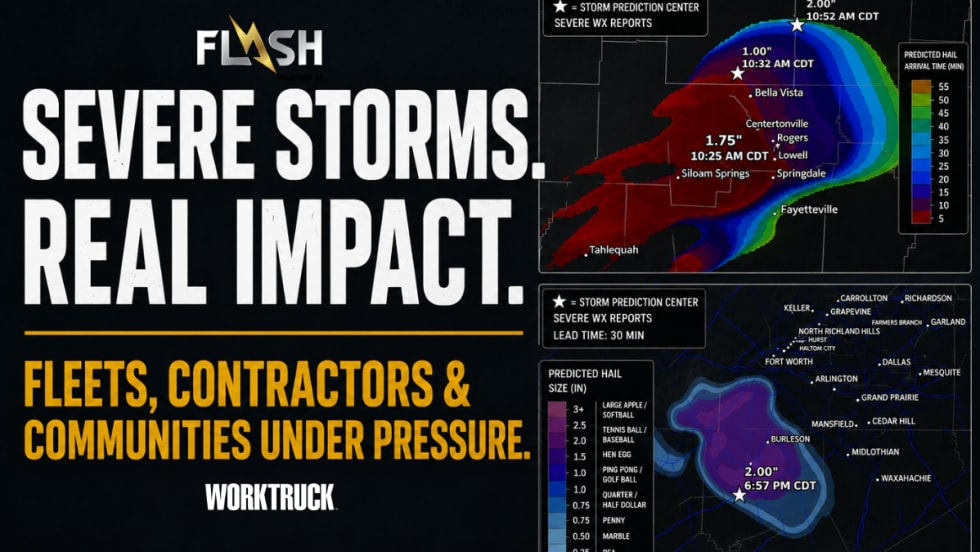
Severe Storms Are Reshaping Recovery Operations for Contractors and Work Truck Fleets
Hailstorms are creating costly new challenges for work truck fleets, from damaged onboard tech to longer recovery timelines and tactical storm planning.
Read More →
After the Storm Clears: Why Cargo Risk Spikes During Disaster Recovery
When the storm ends, cargo theft risk can spike. Here’s why the restart phase is the danger zone and what fleets can do to stay ahead.
Read More →
Your Suppliers Are Part of Your Disaster Plan
Your suppliers can make or break disaster response. Here’s how fleets can reduce vendor risk and keep critical parts flowing when storms hit.
Read More →
When the Process Breaks (Why Fleet Workflows Collapse During Disaster Response)
When disaster hits, fleet workflows don’t collapse all at once. They unravel quietly. Here’s where breakdowns start and how to build resilience before it’s too late.
Read More →
How Federal Disaster Declarations Work and Why Fleet Leaders Need to Know
How federal disaster declarations work and why fleet leaders should care about funding, reimbursements, infrastructure repairs, and recovery timelines.
Read More →
Disaster Readiness Is Not a Fleet Count, It’s a Stress Test of the Whole System
Fleet readiness isn’t about your vehicle count. It’s about condition, capacity, and whether your system can actually perform under stress.
Read More →
Disaster-Proofing Fleet Operations: How to Maintain Uptime When Conditions Are Anything but Normal
When disaster strikes, fleet uptime depends on prep, mobile maintenance, clear visibility, and disciplined execution before, during, and after the event.
Read More →