





Want More? 6 Benefits of Telematics in Construction Fleet Management
Unlock the Full Potential of Telematics: Modern Uses Beyond Tracking
Maximize fleet efficiency and reduce costs with advanced telematics, including dynamic route optimization, driver performance monitoring, and environmental sustainability.
September 27, 2023
From dynamic route optimization to predictive maintenance and environmental sustainability, the potential benefits of a telematics solution are undeniable.
Photo: Work Truck
3 min to read
In the constantly changing world of commercial fleet management, telematics technology has emerged as a game-changer.
While many are familiar with its role in vehicle tracking, applications for telematics for fleet has expanded far beyond that.
Discover how fleet managers can harness these advanced capabilities to optimize efficiency, cut costs, and streamline processes like never before.
1. Dynamic Route Optimization for Efficient Deliveries
Gone are the days of static route planning. Telematics has ushered in a new era of dynamic route optimization, where real-time data is used to adjust routes on the fly.
Fleet managers can ensure timely deliveries by considering traffic conditions, weather, and delivery schedules while reducing fuel consumption and vehicle wear and tear.
Embracing this technology can lead to substantial savings and improved customer satisfaction.
2. Proactive Maintenance & Predictive Analytics
Telematics goes beyond tracking; it's about preemptive maintenance. With sensors gathering data from various vehicle components, fleet managers can identify potential issues before they escalate into costly breakdowns.
By utilizing predictive analytics, maintenance schedules can be optimized, reducing downtime, and increasing vehicle lifespan.
This proactive approach not only saves money but also enhances fleet reliability.
3. Driver Performance Monitoring and Training
Telematics provides a window into a driver’s behavior like never before. From harsh braking to aggressive acceleration, these insights allow fleet managers to provide targeted training to improve driver performance.
By promoting safer driving habits, fleet managers can significantly reduce accidents, insurance premiums, and vehicle maintenance costs.
This technology empowers fleet managers to enhance overall driver safety and efficiency.
4. Emission Tracking & Environmental Sustainability
In an era of increased environmental awareness, telematics is stepping up to monitor emissions.
Commercial fleets can use this technology to track vehicle emissions, identify inefficiencies, and implement strategies to reduce their carbon footprint.
Fleet managers can align their operations with sustainability goals by optimizing routes, promoting fuel-efficient driving, exploring alternative fuels, contributing positively to the environment, and corporate social responsibility.
5. Cargo Monitoring & Security Enhancement
Beyond vehicles, telematics extends its reach to cargo monitoring. Real-time tracking and temperature sensing ensure the integrity of sensitive goods during transit.
Fleet managers can receive instant alerts for deviations from optimal conditions, safeguarding the quality and safety of transported cargo.
This feature bolsters customer trust and protects against potential losses due to spoilage or theft.
6. Data-Driven Decision Making and Business Intelligence
Telematics generates a wealth of data that can be transformed into actionable insights.
Fleet managers can analyze trends, identify operational inefficiencies, and make informed decisions to optimize their operations.
This data-driven approach enables better resource allocation, more intelligent investment decisions, and improved fleet performance.
7. Integration with IoT and Future Possibilities
The world of telematics is constantly evolving, with integration into the Internet of Things (IoT) opening doors to even more advanced capabilities.
From vehicle-to-vehicle communication to automated maintenance requests, the future holds exciting possibilities.
Fleet managers who stay abreast of these developments can position their operations at the forefront of innovation, gaining a competitive edge in the industry.
Driving Forward with Telematics
As commercial fleets navigate the challenges of the modern business landscape, telematics emerges as an indispensable ally. Beyond its foundational role in vehicle tracking, telematics offers many advanced applications that redefine fleet management.
From dynamic route optimization to predictive maintenance and environmental sustainability, the potential benefits are undeniable.
By embracing these capabilities, fleet managers can unlock new levels of efficiency, cost savings, and operational excellence, propelling their fleets toward a successful and sustainable future.
Subscribe to Our Newsletter
More Technology
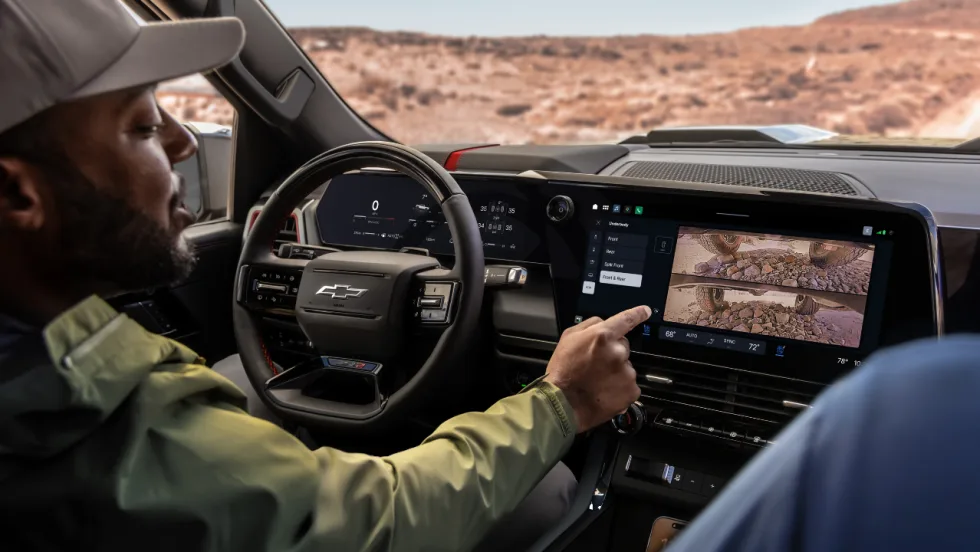
GM Brings New Truck Focused Interface to 2027 Silverado and Sierra
GM's new pickup interface puts trailering data, camera views, vehicle controls, and smartphone integration closer to the driver in the 2027 Silverado and Sierra.
Read More →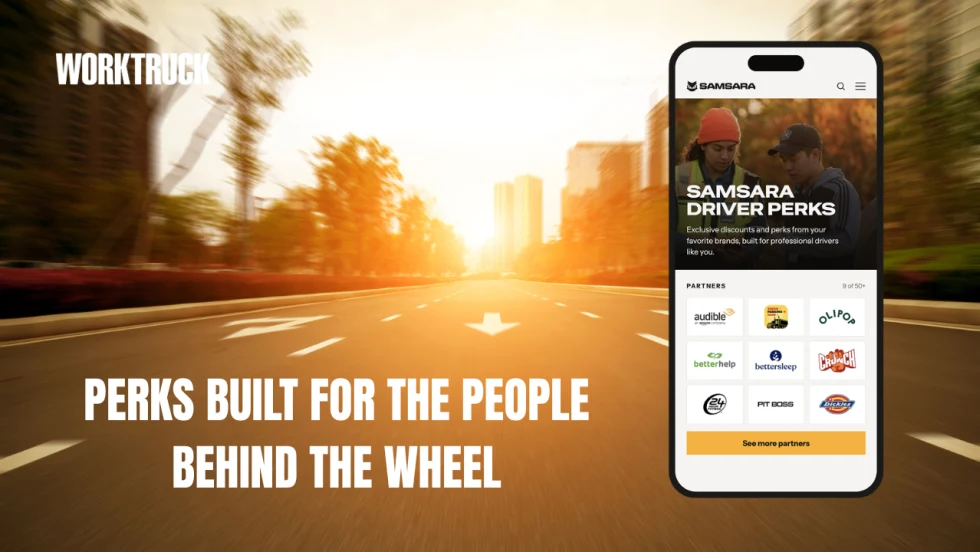
Samsara Driver Perks Expands Rewards Beyond the Long Haul Driver
Samsara’s new driver rewards program was built with a broader professional driver in mind, including employees who split their day between driving, job sites, service calls, and other work.
Read More →
AI Service Advisor Aims to Cut Fleet Repair Downtime
Fleetio said its AI Service Advisor can help fleets cut repair downtime by an average of 2.5 hours per repair while reducing manual maintenance work.
Read More →
Verra Mobility Launches AI-Driven Title & Registration Solution
Verra Mobility has launched a new AI-driven Title & Registration platform to help fleets move vehicles from acquisition to the road the same day while reducing compliance risk.
Read More →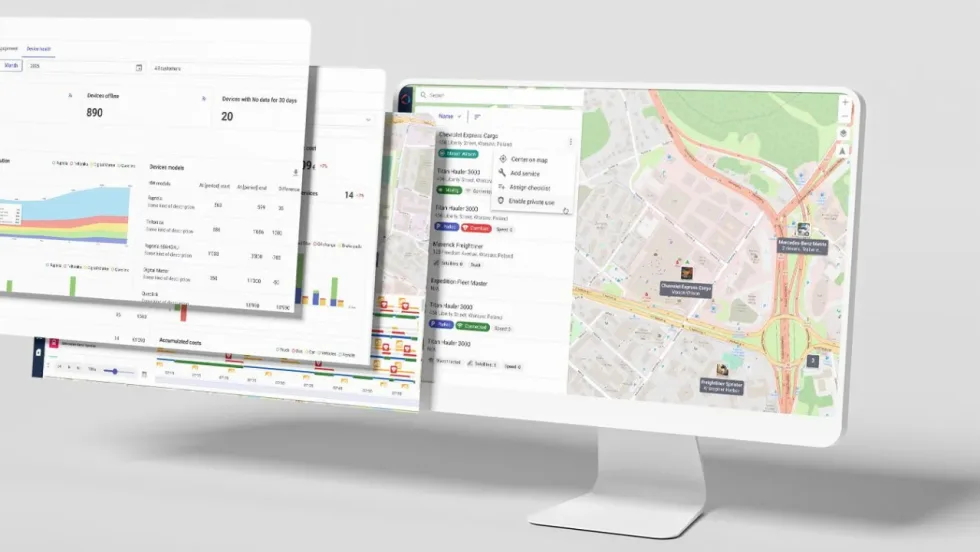
Wialon Unlocks OEM Data to Give Fleet Owners Data Ownership & Operational Clarity
Wialon has introduced hardware-free OEM integration as the EU Data Act accelerates the shift in vehicle data access across the fleet industry in many countries.
Read More →
Teletrac Navman Promotes New CEO from Within
Teletrac Navman’s next CEO, Ricardo Buranello, has served as the company’s chief financial and operating officer. He brings deep financial and operational expertise, a strong strategic orientation, and an intimate knowledge of the business to his new role.
Read More →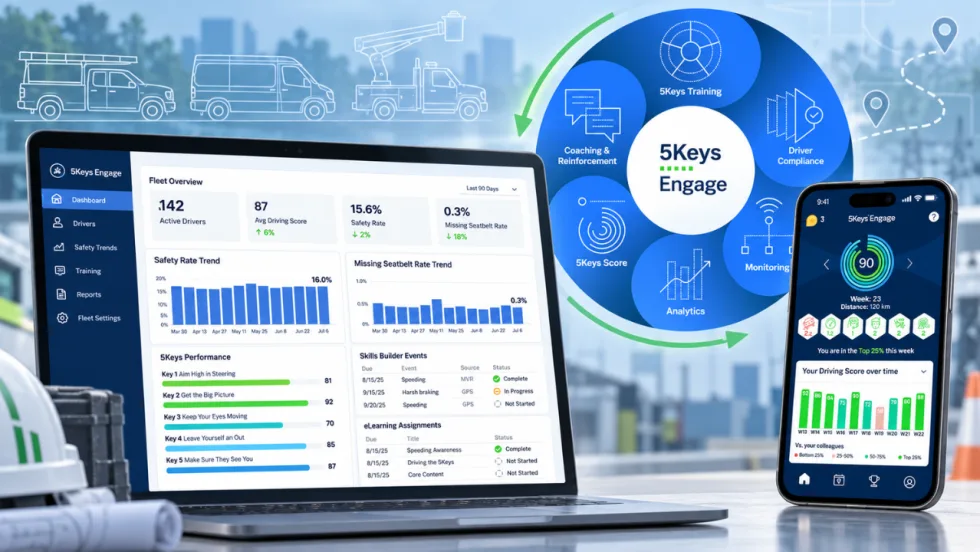
Smith System Wants Work Truck Fleets to Look Beyond the Driver Alert
Smith System’s new Driver Risk Management program is built to help mixed work truck fleets turn telematics alerts and observations into specific behaviors, coaching actions, and measurable follow-up.
Read More →
Ford Pro Software Updates: August 26
Check out the latest Ford Pro software updates, including Google Maps integration, Remote Vehicle Alarm integration, Motor Pool for easier management of shared pool vehicles, and more.
Read More →
Where AI Is Actually Saving Fleet Managers Time
AI is moving past the buzzword stage and into the daily fleet workflow. Fleetio’s Brianna Perry Lang breaks down where fleets are seeing real time savings, from maintenance and data entry to repair decisions, safety, and compliance
Read More →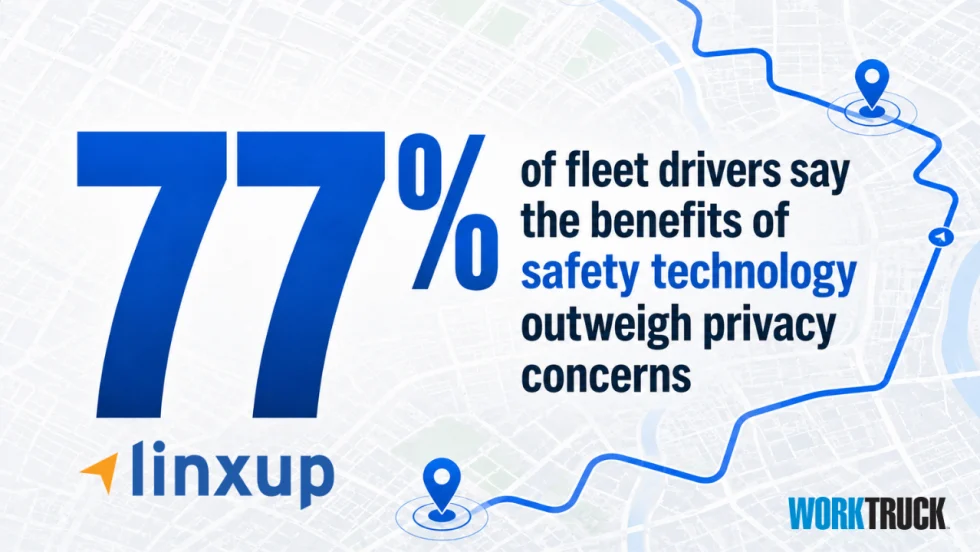
Are Work Truck Drivers Warming Up to Dash Cams and GPS Tracking?
A new survey finds field-service drivers may be more comfortable with dash cams and GPS tracking than fleet managers think, especially when the technology helps protect them after a crash.
Read More →