




Transforming a Mobile Workforce With GPS Solutions
One North American service fleet implements a field service management GPS solution to maximize cost effectiveness, improve driver safety, and better meet client expectations.


By implementing telematics into a fleet, companies large and small can assess the effectiveness of the work they do. Through utilizing field service management systems, Lane Valente has improved driver safety and increased workflow and customer satisfaction.
Photo: Lane Valente
As a national service provider specializing in facility maintenance, project management, and energy services, Lane Valente Industries focuses on providing national maintenance services for high-volume remodels.
Founded in 1989 as a self-performing regional maintenance service provider, the company has grown each year with one goal in mind: to provide the most comprehensive and efficient solutions in retail.
Headquartered in Bohemia, N.Y., the company puts experienced technicians onsite in a company vehicle to provide facilities solutions for heating, electrical, HVAC, retail lighting, and refrigeration maintenance. Lane Valente offers innovative project management that remains ahead of the curve, including:
24/365 onsite call center.
FastTrac: Facility maintenance and project tracking platform.
Dedicated client account manager (CAM): One dedicated CAM to oversee entire account.
Customized client reporting.
Client interface: Web access to service requests via dedicated login and password.
Electronic invoicing.
TecTrac: technician check-in and check-out via GPS and custom interactive voice response (IVR) system.
Turning to GPS Mobile Solution to Increase Efficiency
With a fleet of 172 cargo vans (Chevrolet and Ford), bucket trucks (Dodge and Ford), and the Ford Transit Connect, and a growing client list of well-known North American brands, the company wanted to monitor the productivity of the fleet, including the time technicians took to arrive on the job and the amount of time a particular job took.

The company monitors the productivity of the fleet.
Photo: Lane Valente
Another goal included ensuring that no unauthorized use of vehicles was taking place and that payroll and hours were accurately billed. So, Lane Valente turned to Trimble for a fleet management solution.
“The company started using the GPS system not only to keep track of our vehicles, but also to ensure that we met our estimated time of arrival,” said Michael Moran, field quality control officer and fleet manager at Lane Valente. “We can also very easily look up who is in an area to service emergency calls.”
Moran’s fleet duties run the gamut, from maintaining the location of all company vehicles; installing GPS and making sure all GPS units are operational; and field inspection of vehicles and techs. He also checks that the GPS unit is operational and has not been tampered with, monitors that techs are at proper locations when checked into jobs (and while being paid by the company), and drives with techs to ensure they use the most practical routes to each job.
Extending Monitoring & Maintenance Reach
The company’s primary goal was to extend its monitoring and maintenance reach, as well as become more efficient. After researching the different available GPS products, the fleet team decided that Trimble’s field service management solution was the best fit.
Since implementing the Trimble system, the fleet has improved driver safety by monitoring mobile worker status and reducing unsafe driving maneuvers, expanding business intelligence by enabling data-driven decisions, strengthening compliance, and increasing customer satisfaction. It has also increased workflow productivity, reduced fuel costs, and improved asset utilization.
“When I started with the company, they were using two different tracking devices,” Moran stated. “In using these two devices, I determined that Trimble was not only more accurate, but had many other features that would enable Lane Valente to be more cost effective and able to better meet our clients’ expectations.”
According to Joyce Tam, director of product marketing at Trimble Field Service Management, by implementing telematics into a fleet, companies large or small can assess the effectiveness of the work they do by analyzing fuel attributes, number of hours on the job, dispatch time, and other metrics.
“Through Trimble’s mobile GPS solution, discovery tools allow organizations to better understand fleet utilization, including fuel use, job hours, and vehicle utilization,” Tam explained. “This helps them bring down the total cost of ownership for the business, because they are spending less.”
Tam also pointed out the scalability of the company’s field service management solution for companies of all sizes. “Companies do not need a big initial investment on a system like this,” she added.
The benefits of the field service management system extend out to defining driver behavior, increasing driver safety, and decreasing accident rates, all which mitigate company risk and potentially lower insurance premiums.
System Allows Management to Monitor Driver Use
Lane Valente uses GPS to track driver location in case of emergency calls, as well as to confirm payroll and ensure that technicians are servicing customers fully.
“The new GPS units are much more accurate in placing the vehicles’ position,” Moran added. “We have also recovered four stolen vehicles using the Trimble system.”
If any discrepancies show up on the company payroll, the driver is called and asked why his or her time-sheet differs from the GPS report.
For any unauthorized use, Moran uses one of the exception reports available through Trimble. Each morning, he receives a report via e-mail showing all vehicles that were used during off hours. Moran then checks this report against the dispatch report in order to see if the use was warranted.
“Initially, the drivers thought that the GPS system was just a way for us to check up on them, but after time they saw that it also has helped them in the long run,” Moran stated. “No more questions about what time they got to the job and how could it take so long to get to the site.”
The field service management solution shows Moran when a driver’s day starts and ends. It also shows when the driver was on location and when he or she left the job. These stats are monitored on a daily basis in order for Moran to have an accurate payroll and ensure the company services all of its customers correctly.
Moving forward, Moran has several projects in the works to continue streamlining and operating the most efficient fleet possible. In addition to continuing to monitor the fleet’s effectiveness, he intends to put inventory online so that it can be better accessed and have a yard sale to other electrical companies of excess items that the company will likely never use.
More Technology & AI
Fleet Downtime, Truck Theft, and Electric Growth Lead This Month
Where is your fleet losing time? This Truck Chat recap connects repair delays, theft risks, storm planning, and lessons from scaling electric trucks.
Read More →
HCSS Partners with Verizon Connect to Deliver Fleet Intelligence for Construction Fleets
HCSS has integrated with Verizon Connect to provide near real-time fleet insights so contractors can spend less time tracking assets and more time keeping projects on schedule.
Read More →
How Fleets Can Use Technology to Fight Fuel Fraud
Fuel fraud and theft remain significant challenges for commercial fleets, whether the problem involves third-party fraud or driver misuse. In this video, David Abraham of WEX explains how SecureFuel uses vehicle geolocation, telematics, transaction information, and AI to help fleet managers identify suspicious fuel purchases and make more informed decisions.
Read More →From Our Partners
Basic Tracking vs Next Generation Fleet Technology
Sponsored by AT&T Business

5 Facts Every Fleet Manager Should Know About Embedded Telematics
Sponsored by Stellantis/Mobilisights

How AI Video Telematics Boosts Driver Safety and Helps to Avoid Unnecessary Costs
Sponsored by Verizon Connect

Charting the 8 Bottom-Line Benefits of Workforce Optimization
Sponsored by Verizon Connect

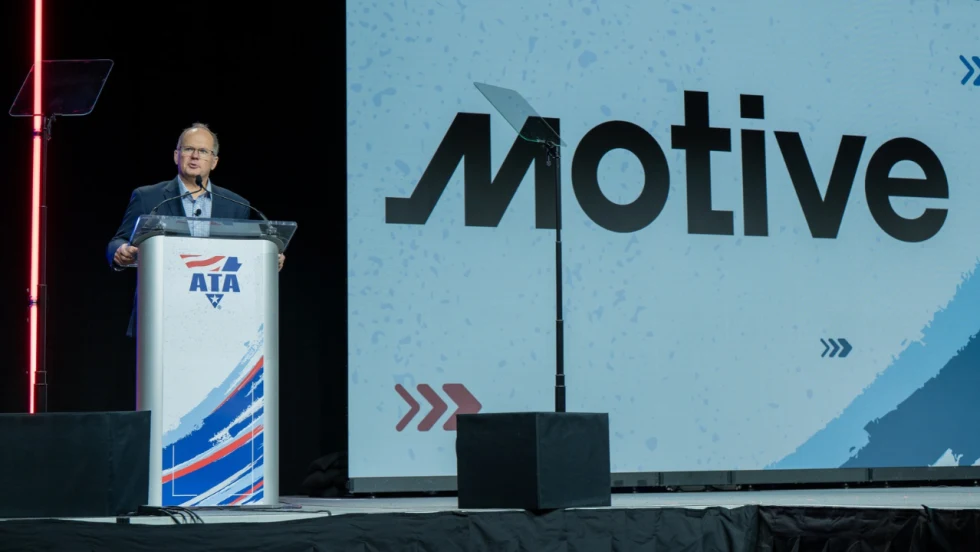
Can AI Agents Help Small Work Truck Fleets Do More With Less?
Motive's new AI Agents automate fleet safety, maintenance, compliance, and dispatch tasks. Here's how they work for smaller fleets, what managers control, and what early users are seeing.
Read More →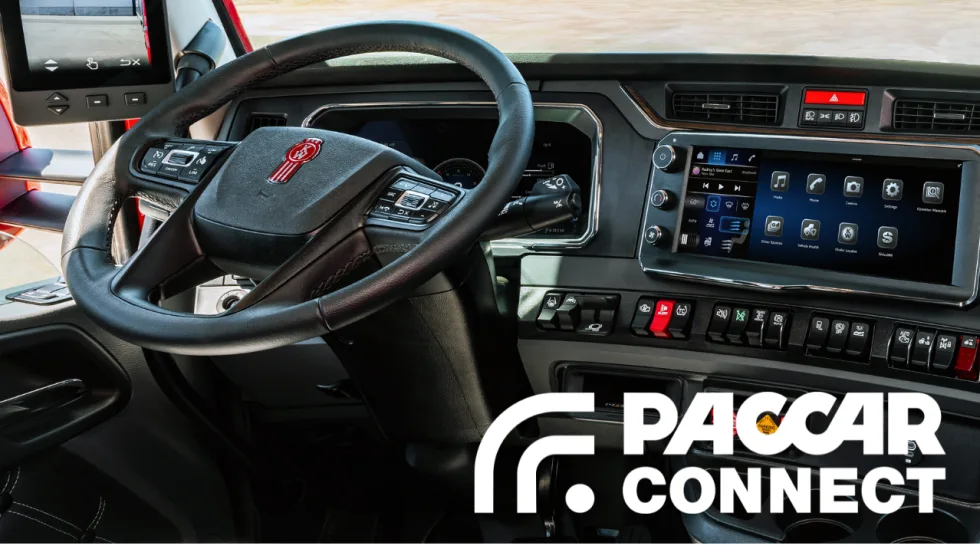
Paccar Launches Paccar Connect for Peterbilt and Kenworth Trucks
The new Paccar Connect offers touchscreen displays, telematics capabilities, and an expanding app ecosystem to boost productivity and streamline driver workflows.
Read More →
Holman and ISEE Partner to Expand Autonomous Yard Truck Operations
The partnership combines Holman's fleet management and upfitting capabilities with ISEE's autonomous driving technology to help businesses deploy and manage driverless yard trucks.
Read More →
Who You Gonna Call? Rivian Turns Electric Vehicles Into Ghostbusters Rides
Rivian teams up with Sony Pictures for a Ghostbusters-inspired Halloween software update, complete with custom sounds, lighting effects, and a special Ecto-R1.
Read More →
The Second Trip and What Missing Tools Really Cost a Service Business
For service fleets, missing tools and equipment can lead to second trips, lost technician time, higher operating costs, and delayed jobs. Equipment tracking can help HVAC, plumbing, electrical, landscaping, and other service businesses improve visibility and reduce downtime.
Read More →
GeoFencing Adds to Your Truck Security Arsenal
Geofencing is a familiar fleet tool today, but its early adoption marked a major shift in vehicle tracking, route monitoring, and the debate over employee privacy.
Read More →
Geotab Data Shows Regional Trucking Growing Faster as Last Mile Routes Get Denser
Geotab's first U.S. supply chain report finds stable long-haul activity, stronger regional freight movement, tighter hub-and-spoke utilization, and more last-mile trips on shorter routes.
Read More →