




Traffic Management: The Unsung Hero of Disaster Response
Coordinated traffic management is critical when storms bear down, and pre-planning makes mobility possible when seconds matter.
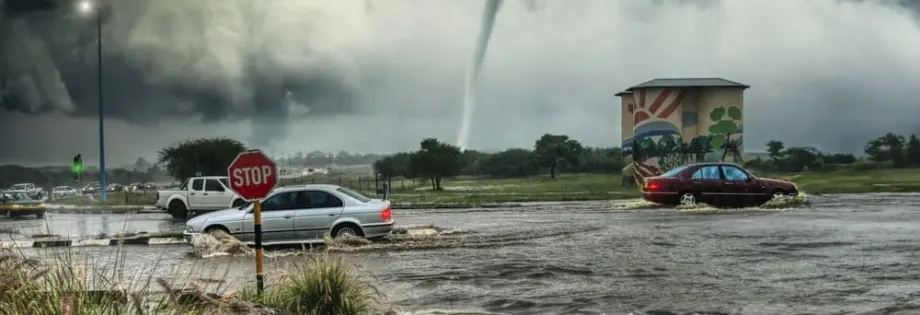
Effective traffic management keeps fleets moving, reduces delays, and supports emergency response during disasters.
Photo Credit: Getty Images/poco_bw
When a hurricane is on the horizon or tornado sirens start wailing, the last thing anyone wants is gridlock. In disasters, every second matters, and so does every vehicle on the road. That’s why traffic management isn’t just about cones and signals. It’s one of the most critical pillars of disaster preparedness.
Working with a traffic management office before disaster strikes turns reactive chaos into proactive control. It’s the difference between stalled evacuations and safe, efficient movement for people, emergency vehicles, and critical supplies.
Let’s discuss how planning ahead with the right team saves lives when everything else goes sideways.
A Priority for Disaster Planning
Disasters move fast. So should we. Whether it’s a hurricane, wildfire, flash flood, or a manufactured crisis, the goal is clear: Move people and resources quickly, safely, and efficiently. But here’s the thing. You can’t just improvise once the skies turn dark. Effective traffic management demands pre-planning, coordination, and clear communication with stakeholders long before the first warning goes out.
Pre-planning traffic management with a trusted expert is what transforms reactions into actions. It’s how you avoid bottlenecks at evacuation routes, how emergency crews reach the people who need them most, and how you maintain control when every second counts.
When evacuation orders come down, your traffic management strategy shouldn’t start with figuring out who’s going where. It should begin with executing a plan you built when the skies were clear.
Much More Than Cones
Plans, training, and communication are what save lives, not cones.
True disaster-ready traffic management means thinking about:
- Evacuation Routes: Which roads need to stay clear? Which intersections will jam up first? Which access points are critical for first responders?
- Staging Areas: Where do you position utility trucks, water rescue teams, and National Guard units?
- Redundant Communications: Cell towers might be down. Are your field crews ready to switch to radios or satellite systems? Do they know their backup plans?
- Rapid Debris Removal: Debris from downed trees, floodwaters, and wreckage will choke roads. Are there pre-arranged clearing contracts? Quick-access heavy equipment?
- Personnel Safety: Disaster zones are just as dangerous for crews on the ground as they are for evacuees. Proper PPE, situational awareness, and clear hazard protocols save lives too. Just like the EHS standards say: preparation, storm awareness, communication, and response are the keys. No traffic control plan can anticipate everything. But a good one gives your teams the flexibility to adapt and serve.
How It Plays Out
Say a hurricane is inbound. You’ve been monitoring the storm since the first warning appeared on the radar. Now it’s 72 hours out.
Thanks to your pre-planning:
- Critical evacuation routes are already identified.
- Traffic control devices like automated flagger assistance devices are staged and ready.
- Traffic observer teams are briefed on safety rules and jobsite assignments.
- Clear communication protocols are in place if cellular service gets wiped out.
- Your fleet managers know which vehicles are assigned where. Your drivers know the evacuation priority routes. Everyone knows who to call if the plan needs adjusting.
The storm hits. But your people aren’t improvising. They’re executing. After the winds die down, there’s immediate coordination on debris clearing to re-open access roads. Field teams move fast but safely, documenting conditions, reporting hazards, and securing key supply lines.
By thinking ahead, you didn’t just keep traffic moving; you kept your teams, community, and company moving forward, too.
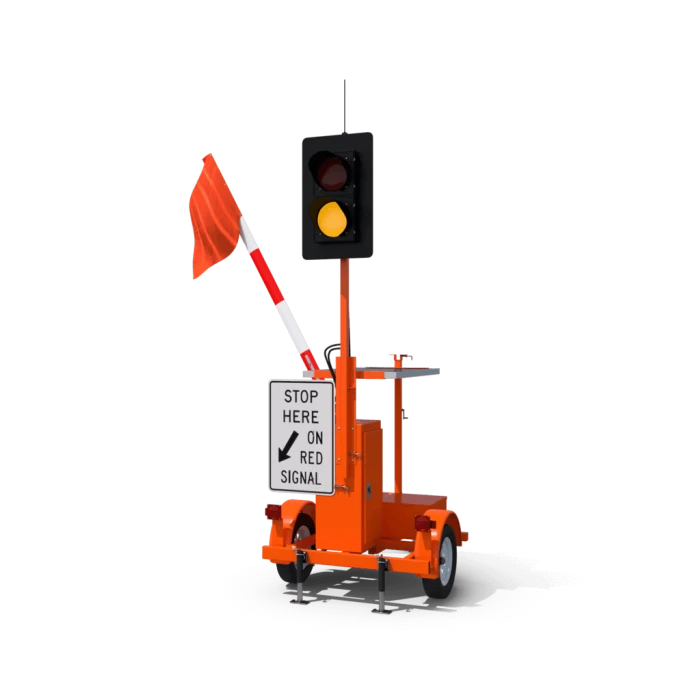
In disaster zones, automated flagger assistance devices can manage traffic remotely to help keep evacuation routes flowing and free up crews to focus their attention elsewhere.
Photo Credit: Envato/PixelSquid360
What Commercial Fleets Must Know
For commercial fleet leaders, whether you manage a dozen service vans or hundreds of utility trucks, disaster traffic management has two sides:
1. Evacuation and emergency response.
2. Business continuity and asset protection.
Your fleet is an essential service during emergencies. That means you must prepare to evacuate if needed and assist in recovery efforts once immediate danger has passed.
Here’s what smart fleet operators bake into their disaster traffic management plans:
- Fleet Pre-Positioning: Moving vehicles out of flood zones or wind- prone areas before impact.
- Fuel Management: Topping off tanks early because gas stations will be shut down for days.
- Traffic Flow Awareness: Understanding how to navigate congested evacuation corridors safely.
- Crew Briefings: Ensuring drivers know updated traffic patterns, roadblocks, and shelter locations.
- Emergency Communication: Readying backup radios, satellite phones, and hurricane hotlines.
Don’t stop once the danger passes. The most critical learning often comes after the storm. Formal after-action reviews involving every impacted department create space to capture what worked, what didn’t, and how to improve. That’s how good response plans become great, and how fleets get faster, smarter, and more resilient with every storm.
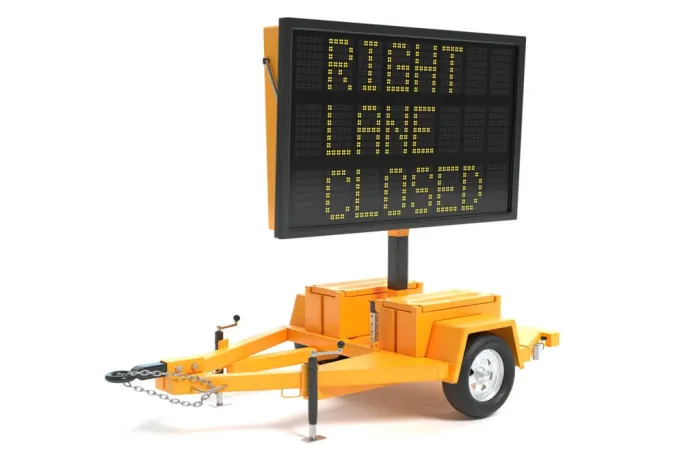
Portable message boards like this one play a vital role in disaster response by delivering real-time traffic updates that keep evacuees informed.
Photo Credit: Getty Images/WesAbrams
Tools and Training
Effective disaster traffic management also means having the right training, tools, and technology. Here’s another helpful checklist:
- Traffic Monitoring Devices: Real-time data makes real-time decisions possible.
- Vehicle Telematics: So you know exactly where every asset is at every moment.
- Portable Changeable Message Signs: To reroute traffic dynamically.
- Pre-Arranged Access to Heavy Equipment: For clearing roads blocked by trees, debris, or wreckage.
Like the hurricane preparedness SOPs explain, having gear sitting somewhere is not enough. You need to know who’s deploying it, when, and how. And you must train your people now, because during the storm is not the time to explain how the generator works.
Proactive Beats Reactive, Every Time
Traffic management during disasters isn’t just about keeping things moving. It’s about saving lives, protecting people, and keeping critical operations online.
Fleets that plan aren’t at the mercy of chaos. They’re in control. And when everything else feels out of control, that makes all the difference.
About the Author: Michelle Marsh is the senior vice president of Environmental, Health and Safety (EHS) at AWP Safety.
More Disaster Response
When Disaster Response Goes Mobile
Drones and robotic systems can give emergency teams a view of a disaster before crews ever reach the scene. But the real challenge is keeping those machines, vehicles, operators, and command centers connected when traditional infrastructure may already be compromised.
Read More →
Experts Forecast Broader Impact of Wildfires in 2026
This year’s wildfire season will likely be more intense than in 2025. The 2026 wildfire forecast from AccuWeather is for fewer fires, but even more acreage will be impacted this year.
Read More →
Farmers Insurance Backs Red Cross Disaster Response Efforts With $250,000 Commitment
Farmers Insurance joined the Red Cross Disaster Responder Program to help support emergency response and recovery during disasters nationwide.
Read More →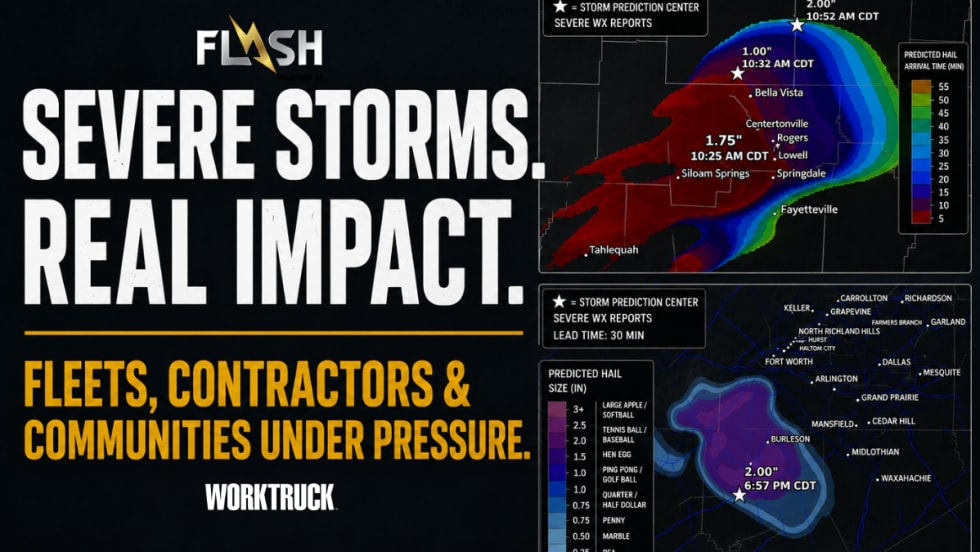
Severe Storms Are Reshaping Recovery Operations for Contractors and Work Truck Fleets
Hailstorms are creating costly new challenges for work truck fleets, from damaged onboard tech to longer recovery timelines and tactical storm planning.
Read More →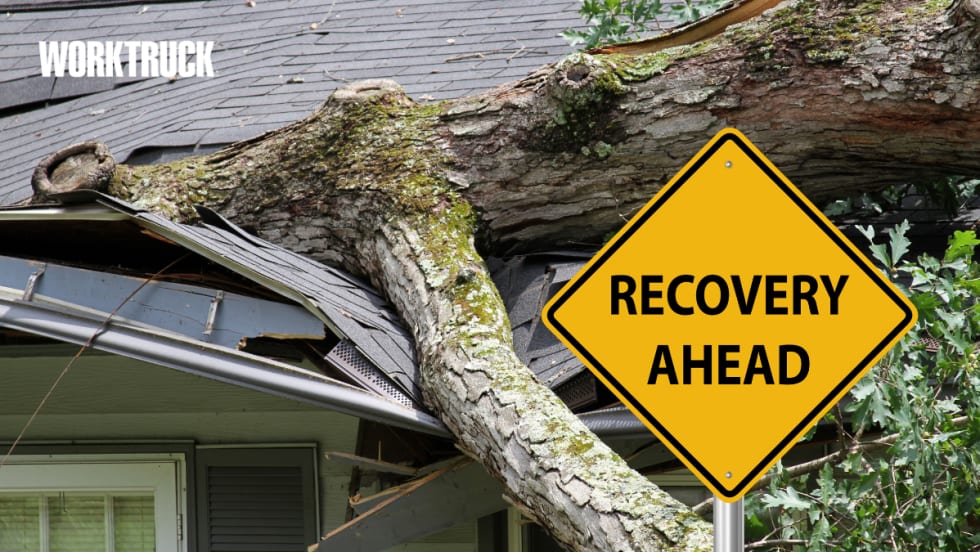
After the Storm Clears: Why Cargo Risk Spikes During Disaster Recovery
When the storm ends, cargo theft risk can spike. Here’s why the restart phase is the danger zone and what fleets can do to stay ahead.
Read More →
Your Suppliers Are Part of Your Disaster Plan
Your suppliers can make or break disaster response. Here’s how fleets can reduce vendor risk and keep critical parts flowing when storms hit.
Read More →
When the Process Breaks (Why Fleet Workflows Collapse During Disaster Response)
When disaster hits, fleet workflows don’t collapse all at once. They unravel quietly. Here’s where breakdowns start and how to build resilience before it’s too late.
Read More →
How Federal Disaster Declarations Work and Why Fleet Leaders Need to Know
How federal disaster declarations work and why fleet leaders should care about funding, reimbursements, infrastructure repairs, and recovery timelines.
Read More →
Disaster Readiness Is Not a Fleet Count, It’s a Stress Test of the Whole System
Fleet readiness isn’t about your vehicle count. It’s about condition, capacity, and whether your system can actually perform under stress.
Read More →
Disaster-Proofing Fleet Operations: How to Maintain Uptime When Conditions Are Anything but Normal
When disaster strikes, fleet uptime depends on prep, mobile maintenance, clear visibility, and disciplined execution before, during, and after the event.
Read More →