




Top 7 Fed Med Card Questions
Medical certification questions perplex those responsible for qualifying commercial drivers. Share are some of the more frequently posed medical-related questions posed to J. J. Keller’s subject-matter experts.

Drivers operating commercial motor vehicles (CMVs) as defined in 49 CFR Section 390.5 in interstate commerce are subject to medical qualification requirements.
Photo courtesy of Getty Images
Medical certification questions perplex those responsible for qualifying commercial drivers. The following are some of the more frequently posed medical-related questions posed to J. J. Keller’s subject-matter experts:
1. Which drivers need a fed med card?
Drivers operating commercial motor vehicles (CMVs) as defined in 49 CFR Section 390.5 in interstate commerce are subject to medical qualification requirements. If engaged solely in intrastate commerce, the state may have adopted different requirements, including vehicle definition, grandfathering, exceptions, etc.
2. Where is sleep apnea in the regulations?
Sleep apnea is mentioned briefly in “Appendix A to Part 391—Medical Advisory Criteria.” It is included under respiratory dysfunctions for Section 391.41(b)(5). The detailed standards used by certified medical examiners (MEs) are not a part of the federal regulations. Instead, they are included in guidance materials provided to MEs by the Federal Motor Carrier Safety Administration (FMCSA).
3. Does a driver need a new physical after returning from a medical leave of absence?
If there is time left on a driver’s medical certification, the FMCSA leaves recertification to the discretion of the motor carrier. If the driver, for example, was off due to an injury or illness that is no longer a concern, no action is required. But, if a driver’s medical qualifications come into question at any time — with or without a medical leave — the driver is supposed to go for a new exam based on Section 391.45(c). Only an ME has the authority to declare a driver medically unqualified.
4. Do we need a non-CDL driver’s motor vehicle record (MVR) as proof of a physical?
No, a non-CDL driver’s current medical status will not appear on his or her motor vehicle record (MVR). Regulations only require state driver’s licensing agencies to monitor and track the medical status of CDL drivers that have self-certified as “non-excepted” interstate or intrastate drivers. Non-excepted simply means they are subject to driver physicals.
5. Do we need a new MVR after each driver physical?
Yes, CDL drivers need an MVR within 15 days of any new driver physical. This includes medical cards issued for short durations. For example, if your CDL driver is given a three- or six-month medical card, you must have an MVR in the file as proof of medical qualification each time the driver goes back for recertification.
6. Do we need to retain a copy of the fed med card in the Driver’s Qualification (DQ) file?
For non-CDL drivers, you must keep a copy of the fed med card in the file for three years following the exam, along with a note that you verified the status of the ME on the National Registry of Certified Medical Examiners (NRCME). For CDL drivers, you would only retain the fed med card as temporary proof in the DQ file until you receive an MVR reflecting the newest exam. You must have this MVR in the file within 15 days of the exam, along with a note that you checked the NRCME for the exam. Both the MVR and NRCME note are kept for three years.
7. Does the ME provide a copy of a CDL driver’s med card to the state on the driver’s behalf?
No. CDL drivers must continue to submit a copy of the med card to the state of licensing. If your ME has stopped issuing fed med cards to your CDL drivers, this is in error. The driver needs a copy to submit to the state, and both the driver and employer need a copy as temporary proof of medical certification until it appears on the MVR. For physical exams performed as of June 22, 2018, the ME will upload the results to FMCSA using the NRCME portal by midnight of the next calendar day. In turn, FMCSA will transmit the data to the Commercial Driver’s License Information System (CDLIS), where the state licensing agencies will grab the information for the MVRs. As a result, as of June 22, 2018, the driver will not be issued a med card and the employer will not have to keep a copy even temporarily. But, the employer must request the MVR sooner than it does under the current process since the driver’s status will be on the driving record within a few days of the exam.
About the Author
Kathy Close is a transportation editor at J.J. Keller & Associates, Inc. Her areas of expertise include transportation security, DOT drug and alcohol testing, and driver qualification. She can be reached at transporteditors@jjkeller.com.
More Safety
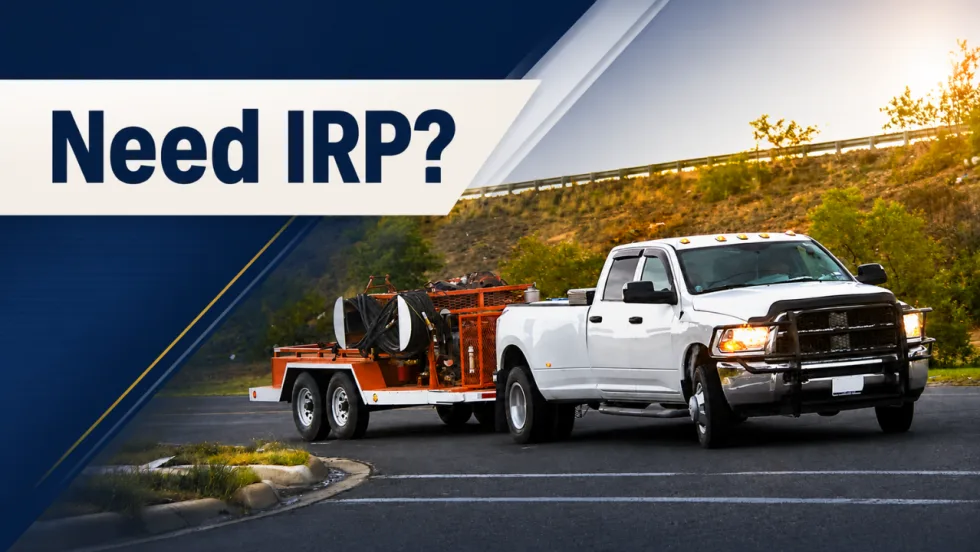
When Work Trucks Under 26,001 Pounds Need IRP Registration
Think trucks under 26,001 pounds are automatically in the clear when it comes to IRP? Not always. Learn where lighter vehicles can still run into trip permit, apportioned registration, and IFTA compliance requirements when crossing state or provincial lines.
Read More →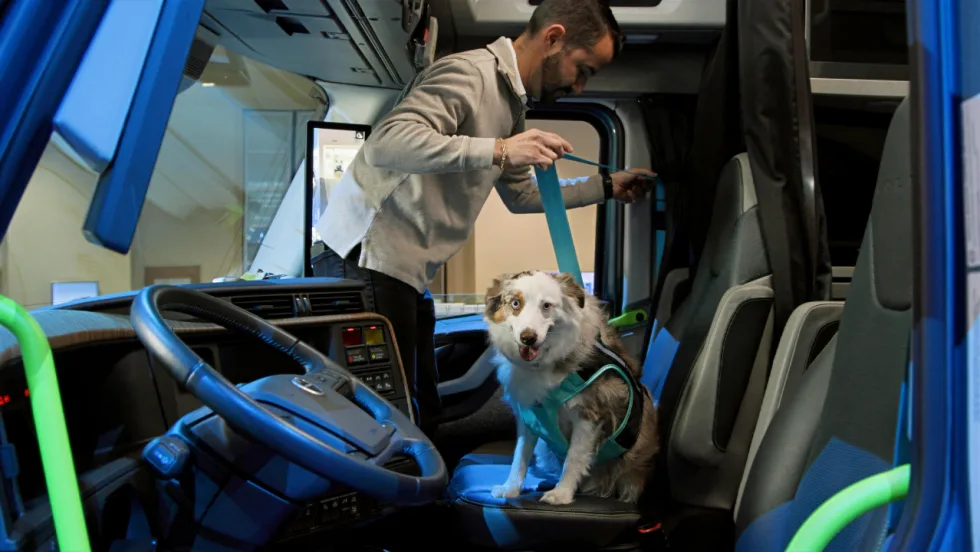
Volvo Trucks Releases New Safety Recommendations for Traveling with Pets
One of the most important recommendations for professional drivers traveling with pets is to ensure pets are properly restrained while the truck is moving. Other tips are available in the new guide from Volvo Trucks North America and Center for Pet Safety.
Read More →
API Issues Refueling Safety Guidelines
The American Petroleum Institute offers a list of safe vehicle refueling guidelines, including ways to avoid potential problems with static electricity discharges in fall, winter, and early spring.
Read More →
Winter Fleet Prep: Expert Tips to Keep Vehicles Running Smoothly
Cold weather can expose weak batteries, tires, fuel systems, and maintenance gaps fast. Use this winter fleet checklist to prepare trucks and drivers before temperatures drop.
Read More →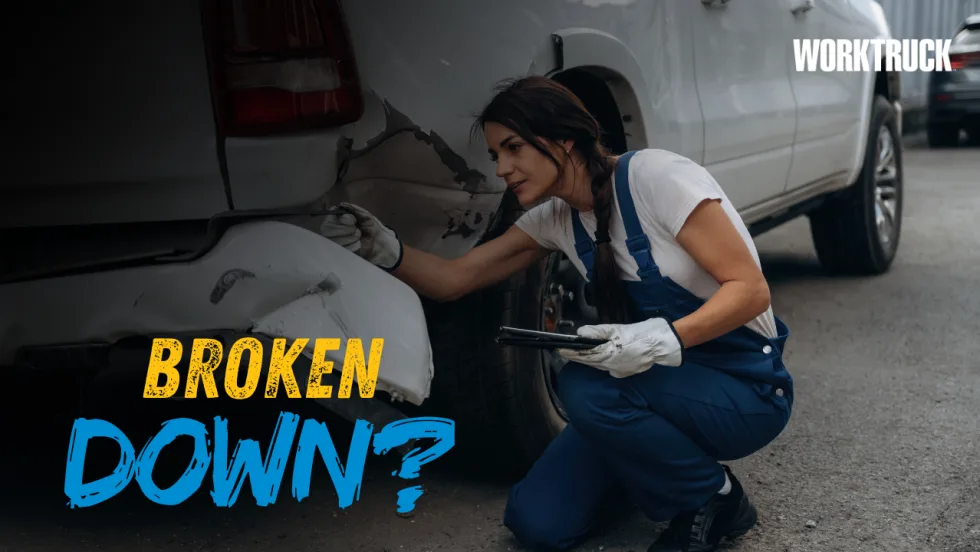
When a Work Truck Breaks Down, the Job Can Stop, Too
A work truck breakdown can stop more than the vehicle. Discover how payloads, jobsites, and specialty equipment change the roadside response.
Read More →
What Stronger Long-Term Fleet Service Partnerships Actually Require
Fleet service partnerships rarely fall apart all at once. Learn the three warning signs that trust is eroding and what fleets and providers can do before downtime, frustration, and lost revenue follow.
Read More →
Applause & TRUCE Software Partner to Improve Driver Safety Through AI-Powered Telematics & Employee Performance Management
Applause has integrated TRUCE driving metrics directly into its employee-first performance and safety platform that transforms mobile devices into AI-powered telematics.
Read More →
How Detroit Assurance with Active Brake Assist Works
Do you want to see what it is like to experience Detroit Assurance’s Active Brake Assist? In this video, Work Truck will put you in the cab to see how it all works and then hear more details from DTNA’s Mike Young.
Read More →
Get Left of Loss: A 5-Step Workplace Violence Prevention Framework for Fleet Operators
Violence risks do not stop at the driver’s door. Learn five practical steps fleets can take to spot threats early and protect workers before loss occurs.
Read More →
How Better Visibility Cut Speeding Violations by 48%
Fleet leaders don't need more data, they need clearer visibility into what the data is saying. This case study explores how one utility replaced speeding-event counts with a single metric — miles driven in violation — to strengthen safety and significantly reduce speeding violations.
Read More →