




Top 5 Tips to Increase Fuel Efficiency
A PHH FirstFleet study found a ‘sweet spot’ where fuel efficiency and performance are maximized. The research highlighted other fuel-economizing steps.


Chassis body innovations have helped decrease wind resistance to reduce required horsepower and increase fuel efficiency. Lighter chassis weight can also contribute to increased fuel economy.
Photo courtesy of Getty Images
Following an 18-month study of U.S. truck fleets in a variety of markets, including grocery, manufacturing, fuel, and retail, PHH FirstFleet has discovered new ways to increase fuel efficiency for fleets.
The study found a “sweet spot,” where, when combined with other variables, both fuel efficiency and performance are maximized. The research also found that slightly over-spec’ing engines improves fuel economy, saving approximately 2,000 per tractor, per year (assuming 100,000 miles are driven per year).
In addition to the study results, PHH FirstFleet offers a “Top Five Tip List” to increase fuel efficiency.
1. Increase Engine Torque Ratings
This step decreases time spent in the high output torque ranges, in turn decreasing overrevving. Over-revving often occurs when driving at high output torque ratings, or high RPMs. Overrevving can shorten engine life, leading to lower fuel economy. Driving in a lower RPM range than the engine’s specified parameters can indirectly cause over-revving by requiring increased downshifting.
2. Decrease Gear Ratio
Although higher gear ratios provide extra power in lower gears and may improve overall performance, they cause a loss in fuel economy. A lower gear ratio improves fuel economy, reduces engine wear, increases speed at lower RPMs, and reduces overrevving, according to PHH FirstFleet. Choose the correct rear axle gear ratio for the vehicle’s application and needs.
3. Implement Engine-Specific Parameter Controls
Reduce speed. Driving above 70 mph increases fuel consumption by demanding more than 60% of the engine’s available horsepower. Dropping speed to 55 mph can reduce horsepower demand to 40% and reduce fuel use. At stops, drivers should turn off the engine rather than keep it idling, which uses up to a gallon of fuel per hour. PHH FirstFleet advise progressive shifting. Drivers shifting quickly in lower gears prevents fuel-guzzling overrevving.
4. Spec Auxiliary Power Units (APUs)
These units allow drivers to run applications, such as air conditioning, without running the engine. However, “because APUs carry extra weight, the payload must decrease to meet weight limits,” warns PHH FirstFleet.
5. Improved Chassis
Chassis body innovations have helped decrease wind resistance to reduce required horsepower and increase fuel efficiency. Lighter chassis weight can also contribute to increased fuel economy. However, with “decreased chassis and trailer weight, overall payloads may increase and offset fuel economy improvements,” according to PHH FirstFleet. Low-profile or wide-based tires and wheels can improve fuel economy by 2% to 5%. PHH FirstFleet advises, “Decreased weight and lower rolling resistance are the key contributors to fuel economy improvements.”
More Fuel

The Smart Way to Build a Mixed-Energy Fleet Isn’t About Picking a Side
Mixed-energy fleets aren’t about picking a winning fuel. Sarah Booth of WEX explains how vehicle data, duty cycles, charging strategy, and real-world costs can help fleets choose the right energy source for each job.
Read More →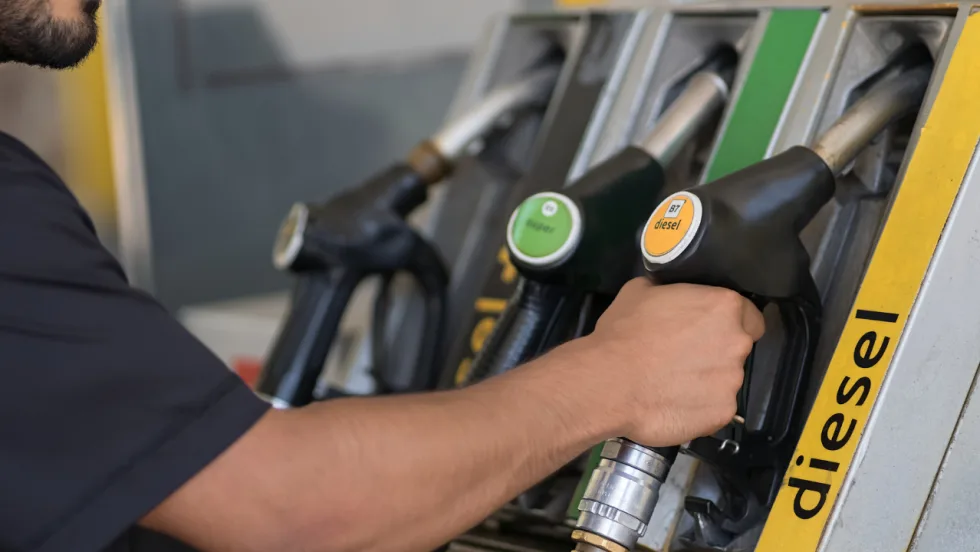
Ignoring This Dashboard Warning Could Cost Your Fleet Thousands in Fuel
New research suggests neglected diesel aftertreatment systems could waste up to $30 in fuel per vehicle each day. Here's why vocational fleets should pay attention.
Read More →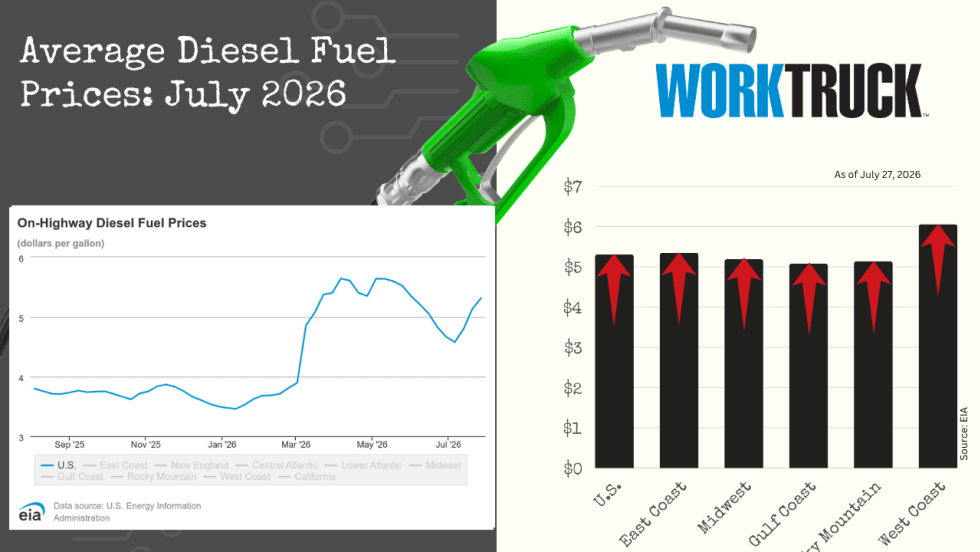
July Diesel Trends Update
The average price of a gallon of diesel increased again this week, and the EIA reported a new national average of $5.31 at the start of the week.
Read More →
WEX Brings Standard Fleet's Connected Vehicle Platform to Fleet Customers
This week’s product launch with Standard Fleet’s connected vehicle platform reflects WEX Venture Capital's strategy of turning startup innovation into customer solutions. Standard Fleet is now available to WEX fleet customers.
Read More →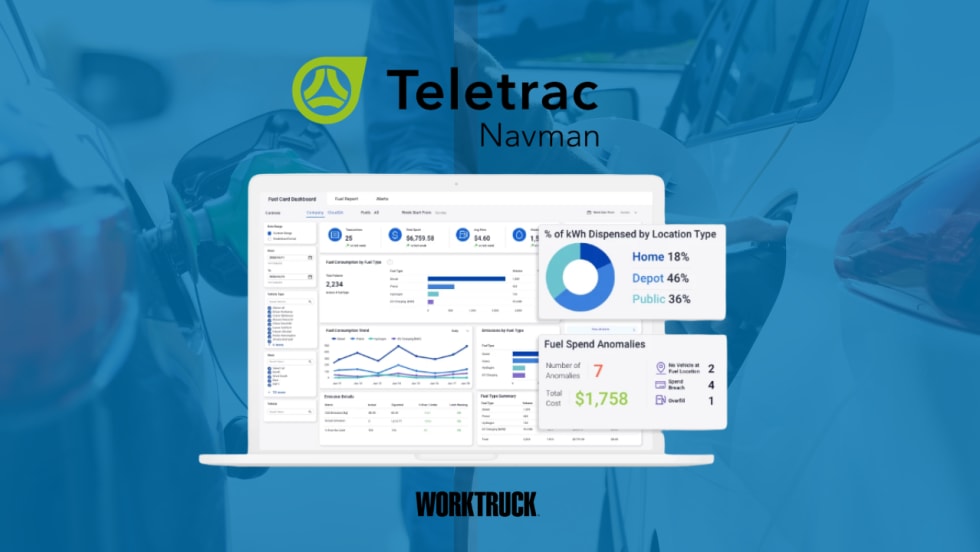
Teletrac Navman Adds Mixed-Energy Fleet Tools to TN360
The new Energy Hub combines fuel transactions, EV charging data, vehicle range, and energy costs in one dashboard for fleets operating multiple vehicle and energy types.
Read More →
WEX DriverDash adds CITGO, Expands Nationwide Access for Fleets
The DriverDash mobile payment app, by WEX, has been integrated into the CITGO merchant network, which means WEX has expanded its U.S. station footprint with the addition of approximately 4,000 CITGO locations.
Read More →
Mixed Energy Fleet Tips for Balancing EVs, Gas and Diesel Vehicles
Mixed energy fleets are becoming the new normal. Learn how fleet managers are balancing EVs, gas and diesel vehicles while controlling costs and planning for the future.
Read More →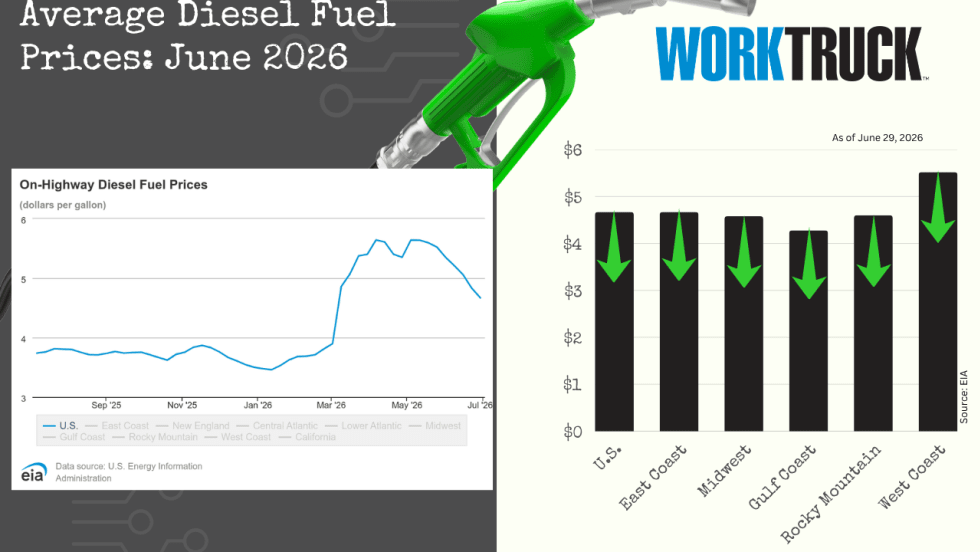
June Diesel Trends Update
The national average price of a gallon of diesel has dropped again, this week by more than 16 cents. All five regions reported lower average prices, ranging from almost 13 cents to more than 28 cents cheaper than a week ago.
Read More →
RoadFlex Launches RoadFlex Direct Open API Platform
RoadFlex Direct connects fuel cards, controls, and data to the telematics and fleet management systems fleets already run, from Geotab and Samsara to Fleetio and RTA, with no separate dashboard or double data entry.
Read More →
The Key to Fuel Efficiency Sits in the Cab
Learn how driver behavior, telematics, coaching, and fuel data can help fleets improve fuel efficiency, lower costs, and reduce emissions.
Read More →