




Learn More: What Truck Drivers Need to Know About Safe Winter Operation
Top 12 Tips for Bumper-To-Bumper Winter Prep
With chilly months on their way, help keep your vehicle on the road and operating safely with this advice for wheel-ends, air systems, and electronics.
by Bendix
October 5, 2021
With chilly months on their way, help keep your vehicle on the road and operating safely with this advice for wheel-ends, air systems, and electronics.
Photo: Unsplash/Katie Doherty
4 min to read
Like it or not, winter is coming. You know the drill: falling temperatures, snow, and ice hitting large swaths of North America, presenting challenges for trucks and fleets. Now is the time to prepare.
With harsh weather looming, here are 12 pieces of advice for wheel-ends, air systems, and electronics to help keep your vehicle in good operating condition during cold winter months:
Wheel-Ends
Tips from Mark Holley, Bendix director of marketing and customer solutions, Wheel-End
Check air brake chamber housings. Look for corrosion or damage that could allow corrosive materials to take hold and ensure dust plugs are properly installed. Prevent corrosion from getting a foothold when these areas are most exposed to hazardous conditions.
Lubricate drum-braked wheel-ends. Focus on automatic slack adjusters, clevis pin connections, cam tubes, shafts, and bushings. Lubrication is a standard preventive maintenance procedure that also keeps moisture from building up and enabling corrosion.
On wheel-ends with air disc brakes, check the guide pins and inspect the boots for tears or punctures. Openings could permit corrosion of the caliper within. Replace any pins or boots as needed. Verify the shear adapter cover is in place and fully seated.
Ensure free movement of air disc brake pads in the carrier. If necessary, remove them and clean the carrier surface with a wire brush. Make sure the brake moves freely on its guidance system.
Air Systems
Tips from Richard Nagel, Bendix director of marketing and customer solutions, Air Supply and Drivetrain
Keep it dry. Moisture in the air system can condense and freeze, increasing the odds of brake and valve malfunctions. If the air dryer cartridge hasn’t been replaced lately, now is the time to do it. Bendix recommends oil-coalescing cartridges like the PuraGuard, since oil aerosols passed into the system can be particularly harmful.
Check the dryer’s purge valve for corrosion or grit accumulation and replace it if necessary. Corrosive road chemicals can damage the purge valve, and putting in a new one as a safeguard is a relatively quick and simple bit of preventive maintenance that can save bigger headaches in the future.
Manually drain the air tanks. Today’s vehicles use compressed air for more non-braking functions, including automated manual transmissions (AMTs), advanced safety systems, and emissions controls. It’s always advisable to manually drain the air tanks at the start of the cold weather season. Draining every three months is generally sufficient for typical line haul trucks, but more often – monthly or even weekly – is recommended for vehicles with high air demand, like vocational trucks.
Avoid using de-icing solutions on an air system – unless it’s an emergency. They can corrode O-rings and valve seals. If one must be used, limit the exposure to as small an area as possible and keep an eye on the affected parts.
Electronics and Controls
Tips from TJ Thomas, Bendix director of marketing and customer solutions, Controls
Remember that driver assistance technologies – like stability control and collision mitigation – rely on maintenance of complementary systems like tires and the brakes to ensure performance in the field. Maintaining these systems is especially critical in winter when electronic systems may be called on more often to help mitigate crashes. Check tires for adequate tread depth and proper wear, and wheel-ends for tight bolts and cracks.
If a DTC (diagnostic trouble code) light on the dash is illuminated, then run a diagnostic check to make sure tire pressure monitoring systems are operating properly. Internal and external temperature swings, along with slick road conditions, make running on the right tire pressure exceedingly important in the winter.
Keep external cameras and radar sensors – forward-mounted collision mitigation units, for instance – clear of snow and ice. Check them prior to getting on the road as part of your pre-check inspection.
During normal preventive maintenance activity or if you believe there is a problem, verify connections to ensure they are secure and watertight. Salt and other road chemicals can cause corrosion, which can ruin connectors and components.
Preparation and preventive maintenance help fleets and owner-operators avoid the toll that winter hazards can take on their trucks. These efforts in the shop and on the road can help keep vehicles running smoothly and safety.
Subscribe to Our Newsletter
More Safety
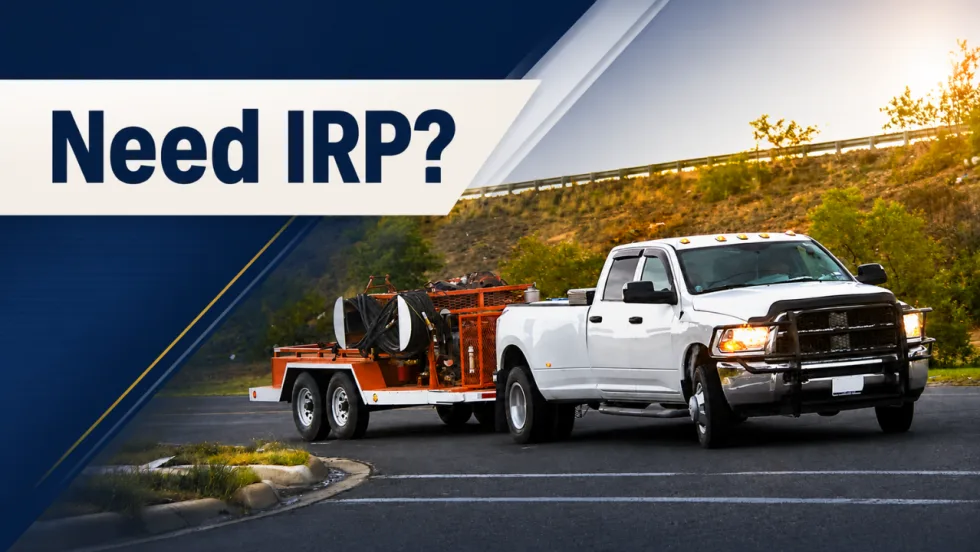
When Work Trucks Under 26,001 Pounds Need IRP Registration
Think trucks under 26,001 pounds are automatically in the clear when it comes to IRP? Not always. Learn where lighter vehicles can still run into trip permit, apportioned registration, and IFTA compliance requirements when crossing state or provincial lines.
Read More →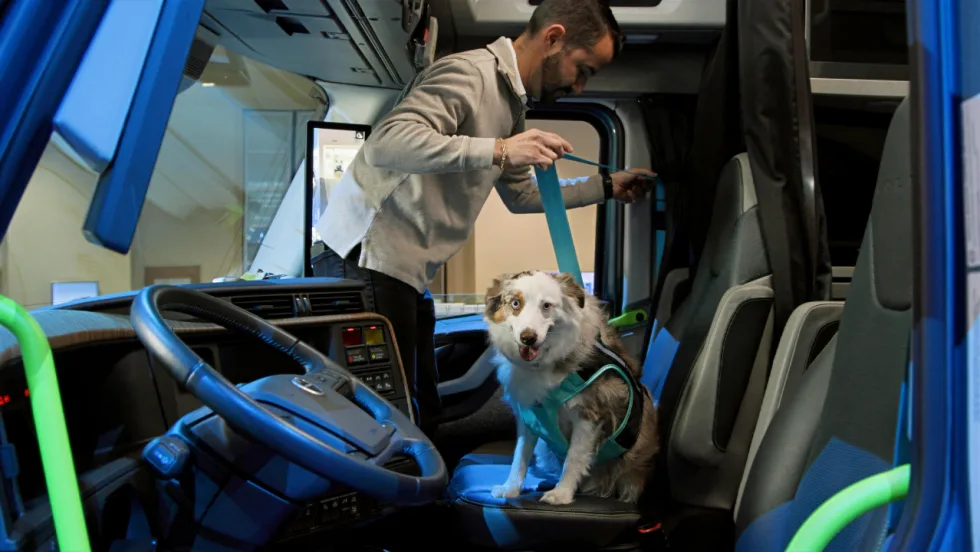
Volvo Trucks Releases New Safety Recommendations for Traveling with Pets
One of the most important recommendations for professional drivers traveling with pets is to ensure pets are properly restrained while the truck is moving. Other tips are available in the new guide from Volvo Trucks North America and Center for Pet Safety.
Read More →
API Issues Refueling Safety Guidelines
The American Petroleum Institute offers a list of safe vehicle refueling guidelines, including ways to avoid potential problems with static electricity discharges in fall, winter, and early spring.
Read More →
Winter Fleet Prep: Expert Tips to Keep Vehicles Running Smoothly
Cold weather can expose weak batteries, tires, fuel systems, and maintenance gaps fast. Use this winter fleet checklist to prepare trucks and drivers before temperatures drop.
Read More →
When a Work Truck Breaks Down, the Job Can Stop, Too
A work truck breakdown can stop more than the vehicle. Discover how payloads, jobsites, and specialty equipment change the roadside response.
Read More →
What Stronger Long-Term Fleet Service Partnerships Actually Require
Fleet service partnerships rarely fall apart all at once. Learn the three warning signs that trust is eroding and what fleets and providers can do before downtime, frustration, and lost revenue follow.
Read More →
Applause & TRUCE Software Partner to Improve Driver Safety Through AI-Powered Telematics & Employee Performance Management
Applause has integrated TRUCE driving metrics directly into its employee-first performance and safety platform that transforms mobile devices into AI-powered telematics.
Read More →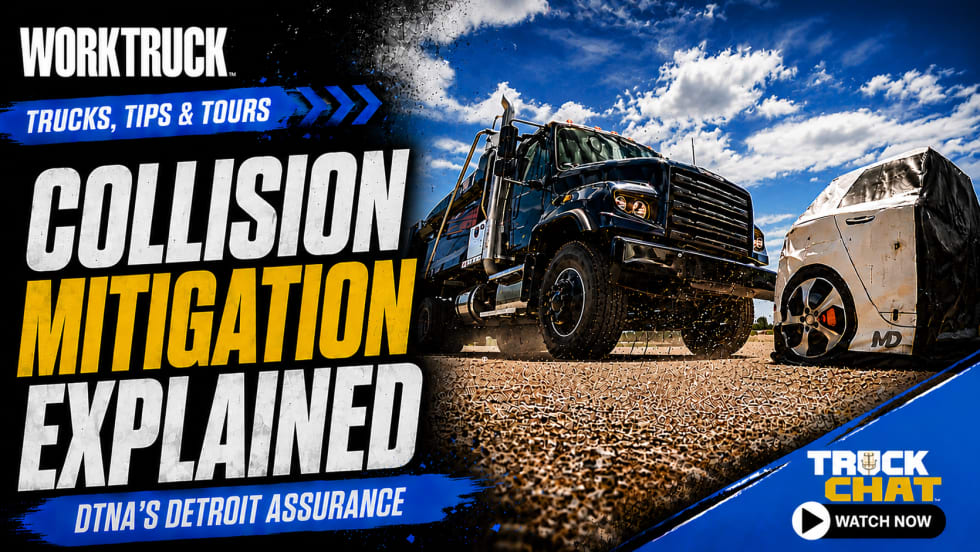
How Detroit Assurance with Active Brake Assist Works
Do you want to see what it is like to experience Detroit Assurance’s Active Brake Assist? In this video, Work Truck will put you in the cab to see how it all works and then hear more details from DTNA’s Mike Young.
Read More →
Get Left of Loss: A 5-Step Workplace Violence Prevention Framework for Fleet Operators
Violence risks do not stop at the driver’s door. Learn five practical steps fleets can take to spot threats early and protect workers before loss occurs.
Read More →
Sponsored•July 17, 2026
How Better Visibility Cut Speeding Violations by 48%
Fleet leaders don't need more data, they need clearer visibility into what the data is saying. This case study explores how one utility replaced speeding-event counts with a single metric — miles driven in violation — to strengthen safety and significantly reduce speeding violations.
Read More →