




Tips to Help Fleets with ELDs Prepare for Roadcheck 2019
With the final phase of the federal electronic logging device (ELD) mandate taking effect Dec. 16, 2019, roadside enforcement officials will be looking at ELD-related compliance during this year’s International Roadcheck, which will take place June 4-6 at inspection stations across North America.
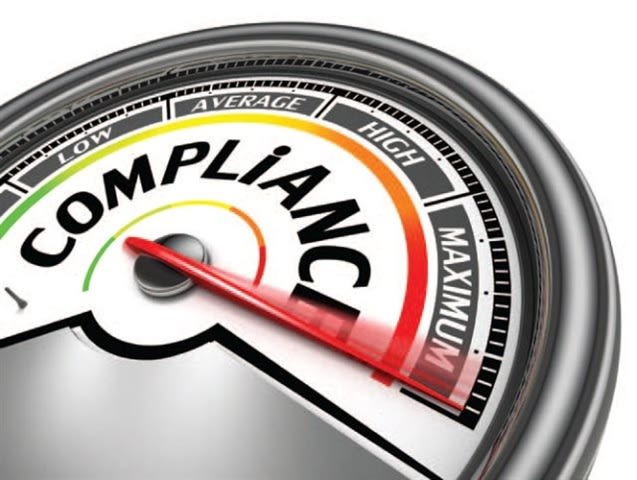
Roadside enforcement officials will be looking at ELD-related compliance during this year’s International Roadcheck.
Photo: Getty Images
With the final phase of the federal electronic logging device (ELD) mandate taking effect Dec. 16, 2019, roadside enforcement officials will be looking at ELD-related compliance during this year’s International Roadcheck, which will take place June 4-6 at inspection stations across North America.
Transflo, a provider of mobile technology, telematics, and business process automation for the trucking industry, offers tips to help drivers and carriers meet federal ELD requirements and reduce the risk of infractions.
ELD-related violations can not only take a truck and driver out of service at the roadside, the most severe offenses can add five points to a carrier’s safety measurement system (SMS) score.
Here are five things carriers and drivers should do to improve their compliance:
1. Make Sure the ELD is on the FMCSA’s List of Registered Devices
Simply put, carriers and drivers need to verify that their ELD is on the Federal Motor Carrier Safety Administration’s list of registered devices. Only FMCSA-registered ELDs are acceptable for recording duty status effective December 16; “grandfathered” automatic on-board recorders (AOBRDs) will be no longer allowed.
2. The ELD Display must be Aaccessible from Outside the Vehicle
An ELD must be designed so that an inspector can read the display without having to enter the vehicle. An ELD solution that uses a smartphone or tablet, can easily be handed to an officer to comply with this part of the regulation.

The Transflo Mobile+ app features an ELD notification showing drive-time remaining.
Image courtesy of Transflo
3. Claim all Unassigned Driving Time when the Driver Logs In
When a driver logs into an ELD, he or she must review any unassigned driving time recorded by the device and either claim it under his or her own account or indicate that the time belongs to someone else. Administrative users also must review this unassigned driving time and be able to attribute it to the appropriate driver. Failure to correct unassigned driving time can result in an out-of-service condition and a violation with a five-point severity weight.
4. Have Blank Paper Logs Available
The driver must be able to produce a supply of blank paper logs sufficient to record duty status and other related information for at least eight days in the event of an ELD diagnostic event.
5. Be Ready to Produce Supporting Documents for the ELD
Drivers must have access to instructions about how to enter, retrieve, and transfer data from the ELD.
“These tips can help drivers and carriers successfully make it through the ELD portion of any roadside inspection, including Roadcheck 2019,” said Matthew Meeks, marketing manager at Transflo. “Transflo Telematics incorporates a fully compliant ELD and the Transflo Mobile+ platform, which drivers and carriers can use to optimize their time, eliminate paperwork, and improve compliance not only during Roadcheck but every day of the year as well.”
More Technology & AI
Fleet Downtime, Truck Theft, and Electric Growth Lead This Month
Where is your fleet losing time? This Truck Chat recap connects repair delays, theft risks, storm planning, and lessons from scaling electric trucks.
Read More →
HCSS Partners with Verizon Connect to Deliver Fleet Intelligence for Construction Fleets
HCSS has integrated with Verizon Connect to provide near real-time fleet insights so contractors can spend less time tracking assets and more time keeping projects on schedule.
Read More →
How Fleets Can Use Technology to Fight Fuel Fraud
Fuel fraud and theft remain significant challenges for commercial fleets, whether the problem involves third-party fraud or driver misuse. In this video, David Abraham of WEX explains how SecureFuel uses vehicle geolocation, telematics, transaction information, and AI to help fleet managers identify suspicious fuel purchases and make more informed decisions.
Read More →From Our Partners
Basic Tracking vs Next Generation Fleet Technology
Sponsored by AT&T Business

5 Facts Every Fleet Manager Should Know About Embedded Telematics
Sponsored by Stellantis/Mobilisights

How AI Video Telematics Boosts Driver Safety and Helps to Avoid Unnecessary Costs
Sponsored by Verizon Connect

Charting the 8 Bottom-Line Benefits of Workforce Optimization
Sponsored by Verizon Connect

Can AI Agents Help Small Work Truck Fleets Do More With Less?
Motive's new AI Agents automate fleet safety, maintenance, compliance, and dispatch tasks. Here's how they work for smaller fleets, what managers control, and what early users are seeing.
Read More →
Paccar Launches Paccar Connect for Peterbilt and Kenworth Trucks
The new Paccar Connect offers touchscreen displays, telematics capabilities, and an expanding app ecosystem to boost productivity and streamline driver workflows.
Read More →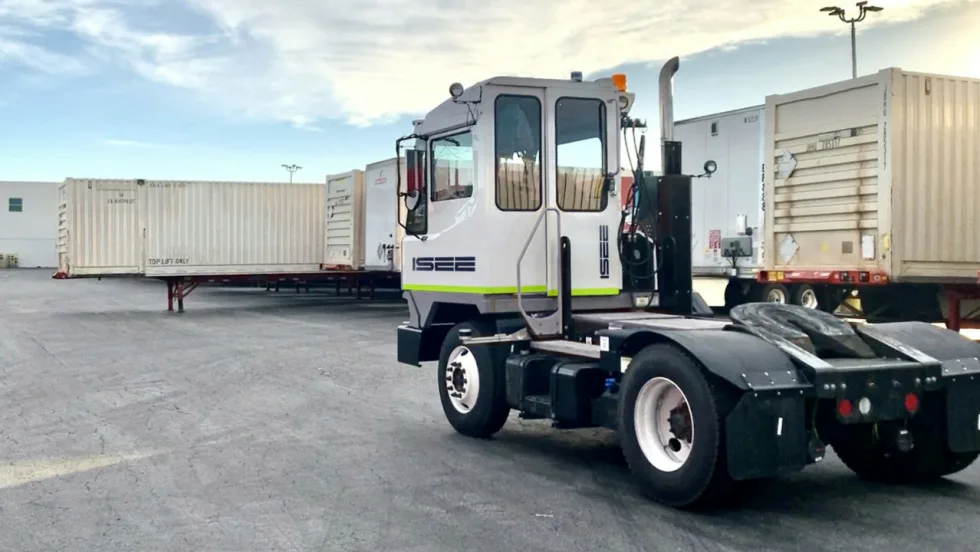
Holman and ISEE Partner to Expand Autonomous Yard Truck Operations
The partnership combines Holman's fleet management and upfitting capabilities with ISEE's autonomous driving technology to help businesses deploy and manage driverless yard trucks.
Read More →
Who You Gonna Call? Rivian Turns Electric Vehicles Into Ghostbusters Rides
Rivian teams up with Sony Pictures for a Ghostbusters-inspired Halloween software update, complete with custom sounds, lighting effects, and a special Ecto-R1.
Read More →
The Second Trip and What Missing Tools Really Cost a Service Business
For service fleets, missing tools and equipment can lead to second trips, lost technician time, higher operating costs, and delayed jobs. Equipment tracking can help HVAC, plumbing, electrical, landscaping, and other service businesses improve visibility and reduce downtime.
Read More →
GeoFencing Adds to Your Truck Security Arsenal
Geofencing is a familiar fleet tool today, but its early adoption marked a major shift in vehicle tracking, route monitoring, and the debate over employee privacy.
Read More →
Geotab Data Shows Regional Trucking Growing Faster as Last Mile Routes Get Denser
Geotab's first U.S. supply chain report finds stable long-haul activity, stronger regional freight movement, tighter hub-and-spoke utilization, and more last-mile trips on shorter routes.
Read More →