




Think Alternative Fuels Lower Fleet Expenses? Look at Maintenance
In today’s thriving economy, it’s a good year to be a fleet manager. Yet, at the same time, fleet managers at transportation companies, as well as at governments providing services like fire protection or mass transit, still face concerns around profitability and maintenance.

In California, the primary market in the United States for alternative fuels for Class 8 trucks and other heavy-duty vehicles, fuel prices are already higher than other states due to taxes and regulations. And forecasts predict prices to reach or exceed $4 per gallon in 2019.
Photo courtesy of Neste
- Fleet managers in both private and public sectors are benefiting from a thriving economy.
- Despite economic advantages, challenges in profitability and maintenance persist for fleet managers.
- Alternative fuels are evaluated for their potential to reduce fleet operational expenses.
*Summarized by AI
In today’s thriving economy, it’s a good year to be a fleet manager. Yet, at the same time, fleet managers at transportation companies, as well as at governments providing services like fire protection or mass transit, still face concerns around profitability and maintenance.
Diesel prices hover around $3.35 a gallon—nearly 54 cents a gallon higher than this time last year. These rising prices, combined with the growing pressure to invest in environmentally friendly alternatives fuels and technologies, mean that fleet managers need to find new ways to better manage, if not reduce, fuel spend while still operating efficiently.
While the headlines make exciting promises about what’s around the corner—“Electrically-powered long-haul trucks!” “Delivery vans and municipal vehicles burning clean natural gas!”—the reality may be years away:
- Trucks have a long life cycle, so diesel-powered vehicles in current fleets will still be on the road in 2030 and beyond.
- Fleet owners will need to invest millions of dollars to modify or replace trucks that have internal combustion engines.
- Building the infrastructure to recharge or refuel vehicles running on batteries or alternatives fuels will take decades.
So Many Choices, but What Really Reduces Fuel Spend?
Cutting fuel costs is consistently top of mind for fleet managers at transportation companies and government services, including fire departments, transit authorities, airports, highway maintenance, and sanitation.
In California, the primary market in the United States for alternative fuels for Class 8 trucks and other heavy-duty vehicles, fuel prices are already higher than other states due to taxes and regulations. And forecasts predict prices to reach or exceed $4 per gallon in 2019. California operators should prepare for diesel prices to reach between $6 and $7 per gallon during the next decade.
In addition, California has a new goal of carbon neutrality, in which the state vows to “remove as much carbon dioxide from the atmosphere as it emits” by 2045. How fleets respond is critical because the transportation sector in California is the single biggest contributor of greenhouse gas and nitrogen oxide and diesel particulate matter emissions into the atmosphere.
These environmental and monetary concerns are what’s driving fleet managers in their search for fuel options. The most popular are noted below:
- Rightsizing the fleet to mix in more fuel-efficient trucks
- Converting to alternative fuels such as biodiesel, compressed natural or petroleum gases, and electricity
Both approaches can help fleet managers achieve some of their business or budgetary goals, but they fall short of fully addressing fuel-spend challenges—unless fleet managers also focus on ways to lower the maintenance costs that arise from their fuel choice.
Rightsizing the Fleet
In an attempt to curtail fuel costs, fleet managers often optimize their inventories by removing older trucks and adding more fuel-efficient versions. But they cannot move fast enough.
The typical lifecycle for a long-haul tractor can be five to seven years when driving 200,000 miles a year, and as many as 20 years for a vehicle driven on many short trips within a city. Few, if any, operators have the budget to replace their entire fleet at once, so they are likely to continue to operate trucks with internal combustion engines for years to come.
Most of these engines burn conventional CARB (ULSD) petroleum diesel. While it’s a hydrocarbon fuel that meets the ASTM-D975 standard, petroleum diesel contains aromatics that do not combust easily. In the process, engine oil is contaminated, injectors become fouled and diesel particulate filters (DPF) clog. Therefore, fleet managers must plan for maintenance and other costs when they take trucks out of service for repairs.
Substituting Biodiesel for CARB Diesel
Fleet managers also experiment with alternatives to petroleum diesel, including biodiesel (B6-B20) blends. As a first-generation alternative, biodiesel is a non-hydrocarbon fuel produced from renewable feedstocks. That’s a plus for fleet managers concerned with achieving sustainability goals.
While biodiesel is touted as a CARB diesel substitute, the ASTM-D975 standard allows for its use as a blend that’s only 5% biodiesel. The downside, of course, is the inconsistent quality of all CARB diesel fuels can add to maintenance costs and the time that trucks must be out of service for repairs.
Waiting for Electric Vehicles
In additional to combustible fuel alternatives, battery-powered trucks are on the horizon as a possible long-term solution to reduce fuel costs and help fleets comply with stricter environmental standards.
Established truck manufacturers and new entrants are rushing to provide electric powertrains that eliminate tailpipe emissions. Indeed, electrified Class 8 and other heavy-duty trucks are being tested now, and some fleets are beginning to invest in the vehicles. A large majority of fleet managers (83%) in one recent survey are motivated by sustainability and environmental goals.
Despite that optimism, fleet managers should expect electrification of Class 8 and heavy-duty trucks to be a slow ride. The top barriers to widespread investment include higher purchase costs and inadequate charging facilities. Nine out of 10 fleet managers say their facilities are not “very well equipped” to accommodate commercial charging needs. And for trucks running longer trips, a network of charging stations along the route does not exist.
Investing in Renewable Diesel for the Long Haul
One alternative fuel available right now is a second generation of biofuel called renewable diesel. It’s lesser known than other fuels, but during the past decade, it’s been proven to burn cleanly and to reduce maintenance costs.
Renewable diesel is a non-petroleum hydrocarbon fuel made from 100% renewable raw materials, including animal and plant waste. Unlike conventional refining of petroleum diesel, the bio-based feedstocks, and the specialized refining process used to make renewable diesel, ensure that the final product has none of the aromatics and impurities that can harm operators, irritate bystanders and damage engine parts.
Neste recently sold its one billionth gallon of Neste MY Renewable Diesel in California. That’s a drop in the barrel given the size of the diesel market in the state—about 4.2 billion gallons a year. Nevertheless, an increasing number of fleet managers today rely on this alternative fuel to power Class 8 trucks on day trips and on longer runs across California. Throughout the state, fleet managers also deliver critical municipal services with renewable diesel in fire trucks, garbage trucks, buses and other locally driven vehicles.
Here’s why these fleet managers trust renewable diesel:
- Performance matters to fleet managers and drivers alike. With a cetane number ranging from 75 to 85, renewable diesel combusts more readily than petroleum diesel, which has a cetane number from 42 to 52. The result: better throttle response, quicker cold-starts, quieter operation and less soot production.
- No investment in new vehicles or modifications is required. Renewable diesel can be poured straight into an existing fuel tank or mixed in the tank with petroleum diesel already available at a fleet’s home base or refueling centers along the route.
- Renewable diesel has nearly zero impurities that can contaminate oil, foul fuel injectors and plug DPF. This quality lowers maintenance costs and roadside delays for DPF regenerations.
- Emissions can be reduced by as much as 80%. Switch one average Class 8 truck (65,000 annual miles, 5 mpg) to renewable diesel for one year and the vehicle will produce 86 fewer metric tons of greenhouse gases over that time. That’s the same greenhouse gas reduction benefit as taking 21 passenger cars off the road or doing the same air-cleaning work as 21 acres of forest.
Renewable Diesel Adds Up to Reduced Costs
The cost of renewable diesel and other alternative fuels closely tracks market price fluctuations for petroleum diesel. There’s no way sure way to spend less, except to drive less. However, that’s not a real business choice.
Instead, the smart play for fleet managers wrestling with how to better manage fuel spend is to lower maintenance costs. It’s the only variable they can control. To contribute to that effort, Neste plans to open a limited number of cardlock stations in California. These facilities enable fleets to capture every benefit possible from renewable diesel by burning it exclusively throughout a trip.
Technology aside, the biggest impact fleet managers can make now and over the long haul is to switch from petroleum diesel to renewable diesel. After 10 years of successful use on California’s roads, it’s clear that renewable diesel provides the power and performance fleet managers expect—and helps them reduce engine maintenance costs—now and for years to come.
About the Author: Matt Leuck is the renewable diesel fuel technical manager for Neste U.S., Inc., where he applies engine and equipment expertise to support Neste’s position at the leading edge of cleaner, low-carbon renewable fuel. Visit NesteMY.com for more information.
Quick Answers
The current thriving economy offers opportunities for fleet managers, but they must also manage concerns related to profitability and maintenance.
*Summarized by AI
More Sustainability
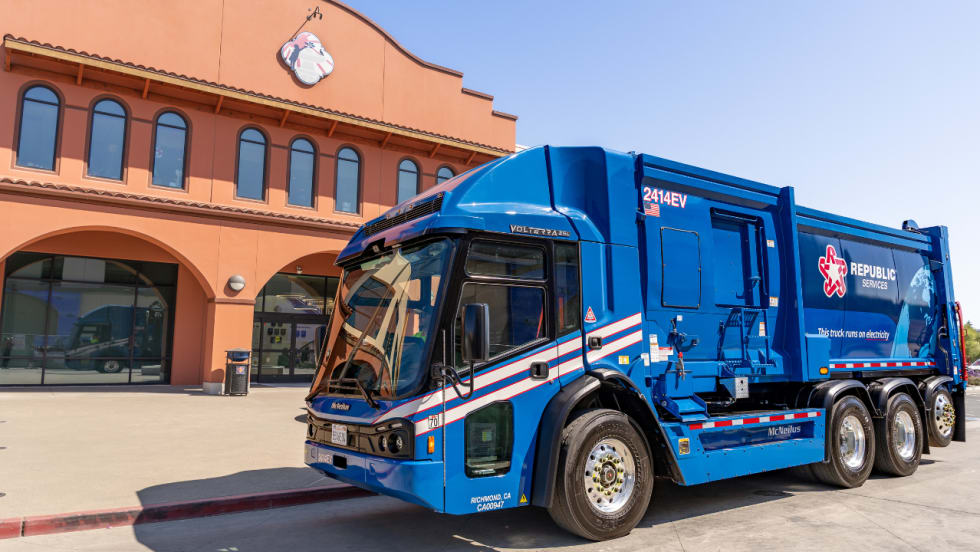
What Republic Services Learned Moving Electric Trucks Beyond the Pilot
With 250 electric refuse trucks now in service, Republic Services is learning that scaling a new powertrain depends as much on routes, drivers, technicians, and daily operations as it does on the truck itself.
Read More →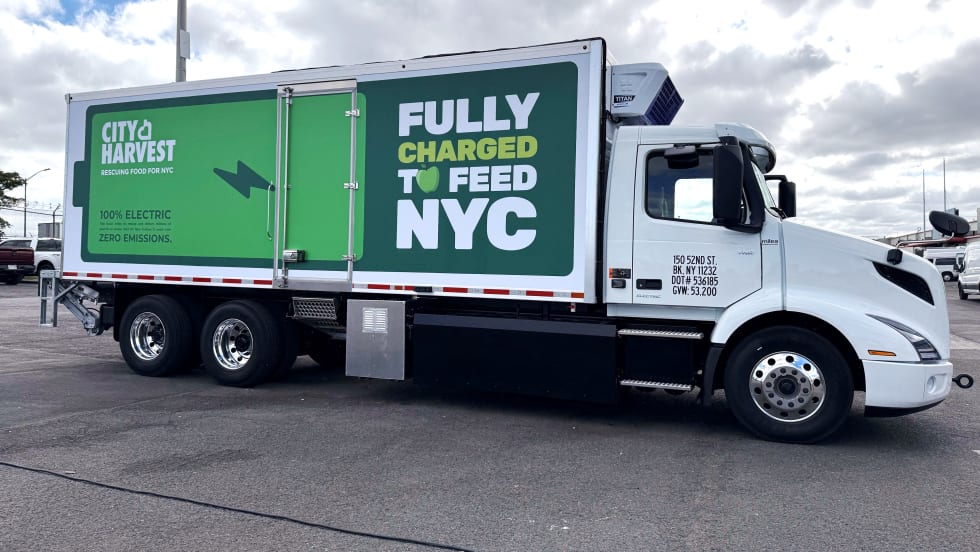
City Harvest Begins Using Volvo VNR Electric Trucks to Rescue Food Across New York City
Volvo Trucks North America and the Bronx Is Breathing project team handed over three new Volvo VNR Electric trucks to City Harvest, which will use the trucks to rescue and deliver food throughout the Bronx and across all five boroughs of New York.
Read More →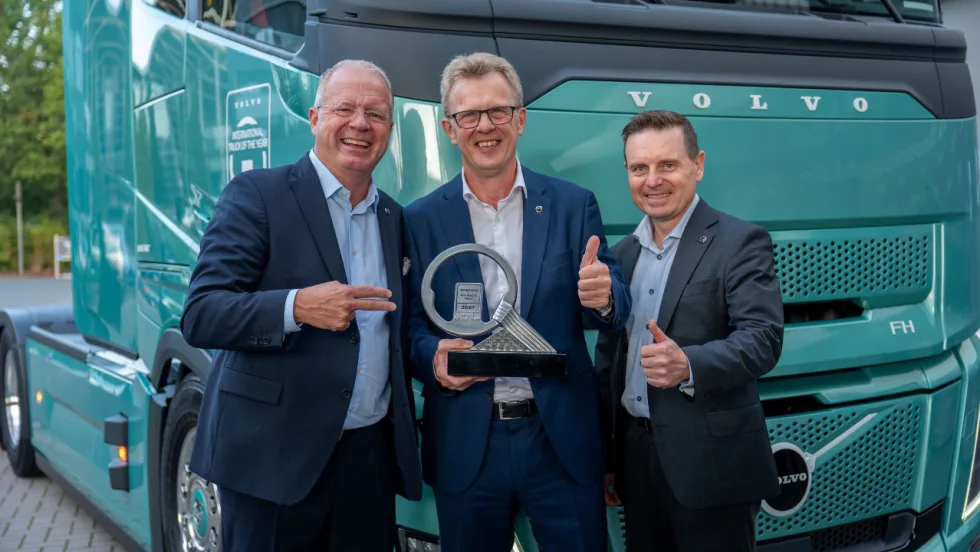
Volvo Trucks Wins International Truck of the Year 2027 for its Global Electric Range
Volvo Trucks' global heavy-duty electric range has been named International Truck of the Year 2027. Since 2019, more than 7,000 electric Volvo trucks have driven more than 310 million miles worldwide.
Read More →


Fleet Forward Conference Introduces One-Day Passes for 2026
New one-day registration gives fleet professionals the flexibility to attend Tuesday, Wednesday, or Thursday, with passes available for $199 through Sept. 18.
Read More →
CALSTART Rebrands as Catalyst Mobility, Will Combine with Forth in 2027
CALSTART has rebranded as Catalyst Mobility and will combine with Forth at the start of 2027. The new organization said it is poised to become one of the world's largest, strongest, and most impactful clean transportation nonprofits.
Read More →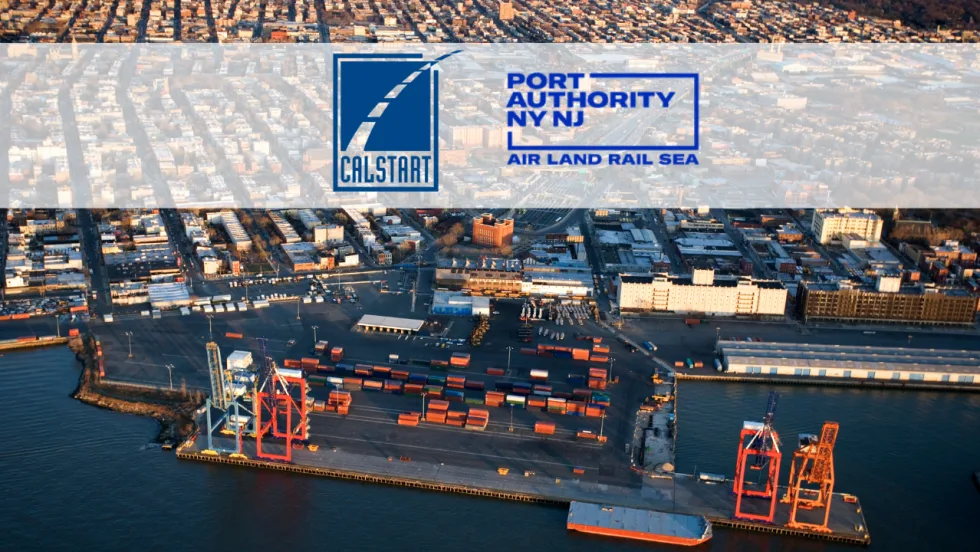
Electric Truck and Charging Programs to Boost Sustainability at NY & NJ Ports
Together, the Port Authority of New York and New Jersey and CALSTART will electrify drayage and terminal operations serving the East Coast’s busiest container port. A pair of incentive programs totaling $45 million has launched to accelerate adoption of zero-emission drayage trucks and terminal tractors.
Read More →
The Smart Way to Build a Mixed-Energy Fleet Isn’t About Picking a Side
Mixed-energy fleets aren’t about picking a winning fuel. Sarah Booth of WEX explains how vehicle data, duty cycles, charging strategy, and real-world costs can help fleets choose the right energy source for each job.
Read More →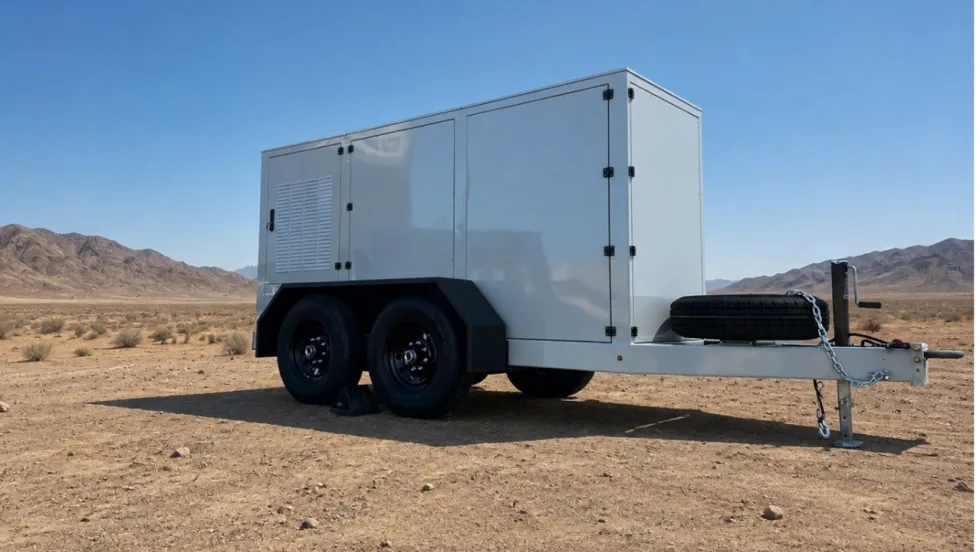
Xos Hub Surpasses One Gigawatt-Hour of Energy Delivered in the Field
A single Xos Hub has surpassed one gigawatt-hour of energy across more than 33,600 charging sessions in the field, demonstrating performance that supports Xos' expansion across new products and markets.
Read More →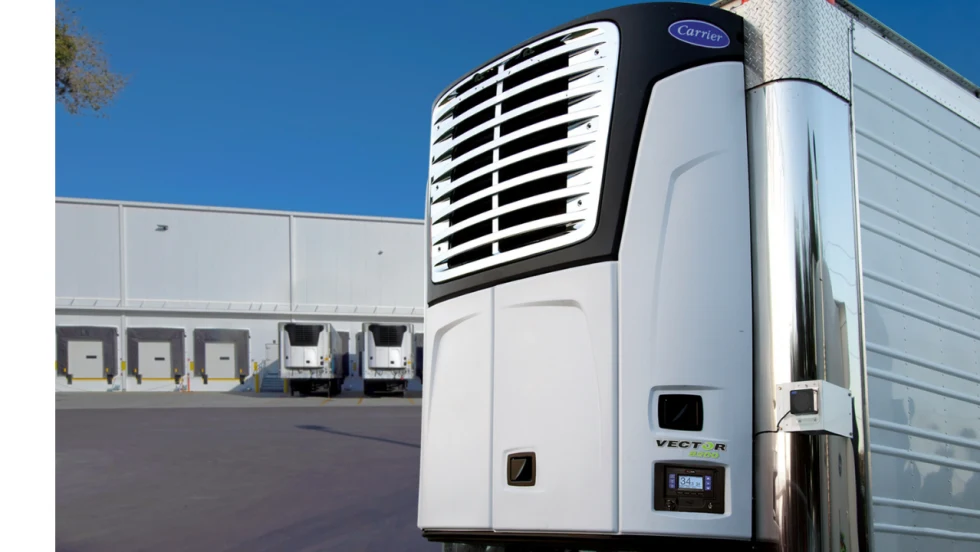
Carrier Transicold Launches All-Electric Vector 8200 TRU for Diesel-Free On-Site Cold Storage
Carrier Transicold’s first engineless multi-temperature TRU helps fresh- and frozen-food fleets add supplemental cold storage capacity during seasonal peaks.
Read More →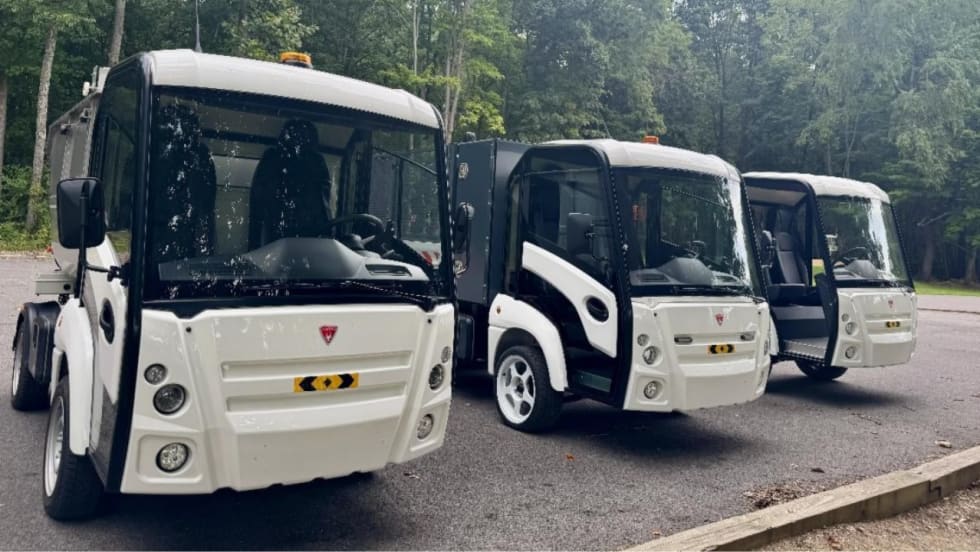
Narro Trucks Introduces Electric Utility Vehicle
Narro Trucks officially launched its operations on Aug. 20 and hosted a ride and drive to showcase its electric truck, which will be produced in Virginia.
Read More →