




The Data of Mobile Fueling and Digital Platforms Point to the Future of Fleet Management
New technology is giving time and money back while building more efficient fleets.
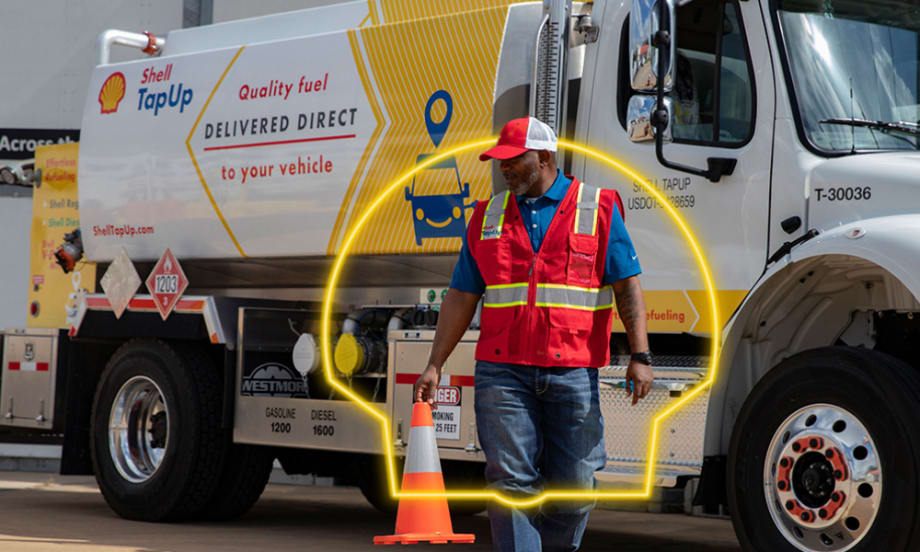
Digital platforms can transform how fleet managers and operators do business.
Photo: Shell
The days of using pen and paper to manage fleets are slowly disappearing — if you’re a fleet manager still manually tracking fuel, there is a better way.
As technology advances, fleet management services produce increasingly informative digital platforms, transforming how fleet managers and operators do business.
These platforms help track fuel consumption, analyze budgets, and can provide a clearer picture of driver and vehicle efficiency. And something any fleet leader likes to hear is that perhaps the greatest benefit is utilizing these tools can help save time and money.
Improving Fleet Efficiency With Mobile Fueling
Running an efficient fleet can be a constant challenge. Inflation, supply chain shortages, and higher labor costs still pose obstacles for fleets trying to accomplish strategic business goals. Often, reaching those goals depends on keeping the total cost of ownership down.
One segment of the fleet industry incorporating digital platforms is mobile fueling, a natural starting point for improving fleet efficiency.
This service delivers a variety of fuels including — gas, diesel, and renewable alternatives — and fills fleet vehicles during downtime at the customer’s location. There are other benefits to the service, including removing the inconvenience of reconciling receipts and reimbursements, while also saving time spent refueling and miles driven to refuel.
According to estimates based on telematics data analyzed by Geotab, a fleet of 100 vehicles could save up to 3,080 hours of fueling and 20,300 miles in fueling trips annually by switching to mobile refueling .
“The drivers can focus on their main task and not be worried about taking detours and spending 15 to 20 minutes fueling their vehicles every day,” said Subra Balakrishnan, Project Manager for Shell TapUp. “They just bring their vehicle to their lot, and we make sure their vehicles have a full tank before the next shift.”
With a digital platform, fleet managers can now access data that serves as another major benefit to mobile fueling services, arming them with information that can help boost fleet efficiency. Digital platforms help fleets shift away from pen and paper reporting to an online portal with an overview of their fleet’s fueling needs, accurate reporting, real-time updates, and user-friendly data analysis.
“The customer can log in to see any of their past fueling and avoid reconciling receipts that a typical manager regularly deals with from gas station fill ups,” said Josh Stollberg, Chief Technology Officer, Shell TapUp. “Digital platforms can handle much of that information for fleet customer.”
Data Insights for Fleet Managers
A closer look at the Fleet Services Tracker, the new digital platform being onboarded by mobile fueling services such as, Shell TapUp and Instafuel, includes many key features, including the fuel usage per vehicle, which is uploaded to the platform when mobile fueling drivers fill up fleet vehicles, equipment, and bulk tanks.
The system will also generate invoices that can be paid through the platform utilizing credit card, ACH, EFT, or fuel cards.
Some of the most useful data insights fleet managers and operators can view on Fleet Service Tracker include:
Total Fuel Spend – Budget forecast by tracking how much fuel is being purchased.
Total Fills – Monitor how many vehicles are being filled to build an efficient fueling schedule.
Fuel Usage – How much fuel is used by each vehicle in the fleet.
Invoices – Keep track of invoices in one easy-to-find location.
Vehicle Efficiency – Keep track of vehicle performance to maintain high fleet optimization and address driver behavior or maintenance issues.
ROI Calculator – Calculate how much a fleet saves in fuel and time.
Segmented Fleet View – Separate departments can track fuel spend for each part of the fleet.
With this information, fleets can use data to elevate their overall performance and save time that can be used for other value-added activities.
Going the Extra Mile
Additionally, many mobile fueling services will go the extra mile and provide fleet onboarding and ongoing customer service to ensure the mobile fueling process goes smoothly and answer any questions.
“Fuel tracking with the pen and paper method is less than accurate,” Stollberg said. “They are measuring the gallons they use manually, which can be error prone. Digital platforms in mobile fueling automate the process and reduce billing issues or errors.”
A mobile fueling service with a digital platform that simplifies sometimes overwhelming amounts of information, can give fleet owners and managers a way to improve their fleet operations by benefiting from the cost and time savings that comes from having fuel delivered and vehicles filled by a mobile fuel provider.
“The premise is that it’s a one-stop solution that’s automated from the customer’s perspective,” Stollberg said.
More Fuel

The Smart Way to Build a Mixed-Energy Fleet Isn’t About Picking a Side
Mixed-energy fleets aren’t about picking a winning fuel. Sarah Booth of WEX explains how vehicle data, duty cycles, charging strategy, and real-world costs can help fleets choose the right energy source for each job.
Read More →
Ignoring This Dashboard Warning Could Cost Your Fleet Thousands in Fuel
New research suggests neglected diesel aftertreatment systems could waste up to $30 in fuel per vehicle each day. Here's why vocational fleets should pay attention.
Read More →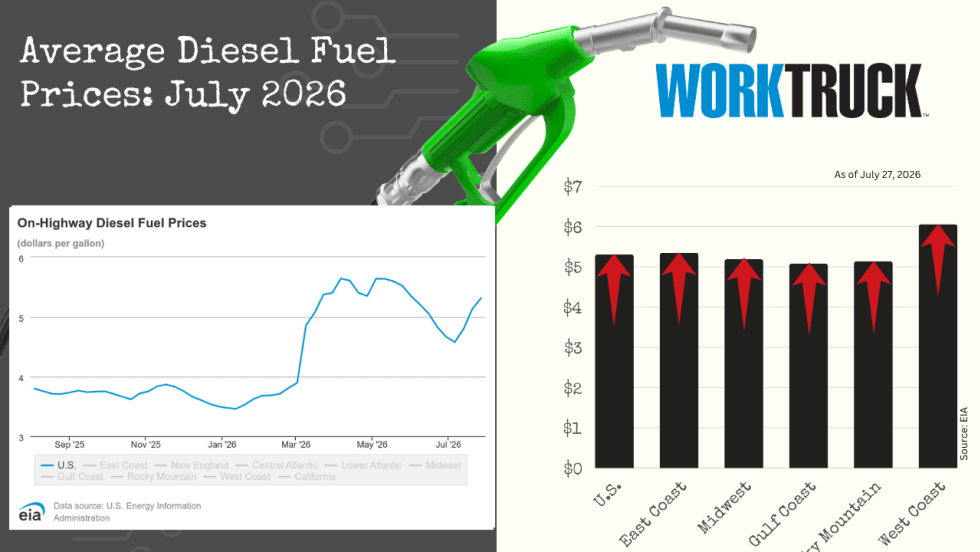
July Diesel Trends Update
The average price of a gallon of diesel increased again this week, and the EIA reported a new national average of $5.31 at the start of the week.
Read More →
WEX Brings Standard Fleet's Connected Vehicle Platform to Fleet Customers
This week’s product launch with Standard Fleet’s connected vehicle platform reflects WEX Venture Capital's strategy of turning startup innovation into customer solutions. Standard Fleet is now available to WEX fleet customers.
Read More →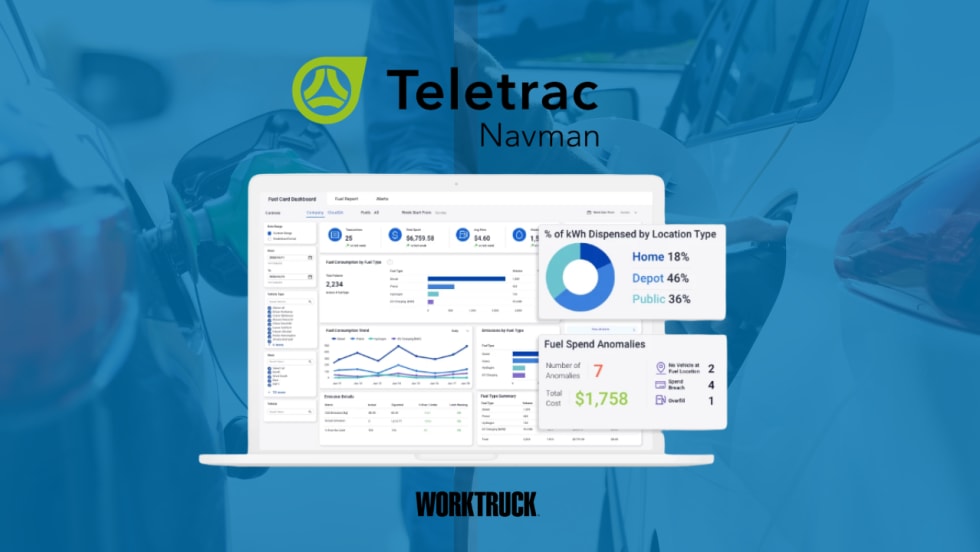
Teletrac Navman Adds Mixed-Energy Fleet Tools to TN360
The new Energy Hub combines fuel transactions, EV charging data, vehicle range, and energy costs in one dashboard for fleets operating multiple vehicle and energy types.
Read More →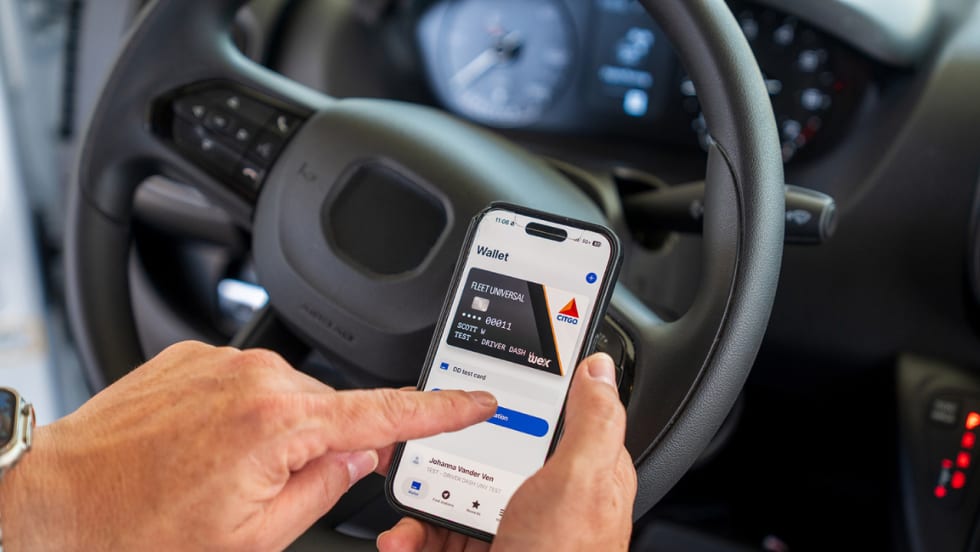
WEX DriverDash adds CITGO, Expands Nationwide Access for Fleets
The DriverDash mobile payment app, by WEX, has been integrated into the CITGO merchant network, which means WEX has expanded its U.S. station footprint with the addition of approximately 4,000 CITGO locations.
Read More →
Mixed Energy Fleet Tips for Balancing EVs, Gas and Diesel Vehicles
Mixed energy fleets are becoming the new normal. Learn how fleet managers are balancing EVs, gas and diesel vehicles while controlling costs and planning for the future.
Read More →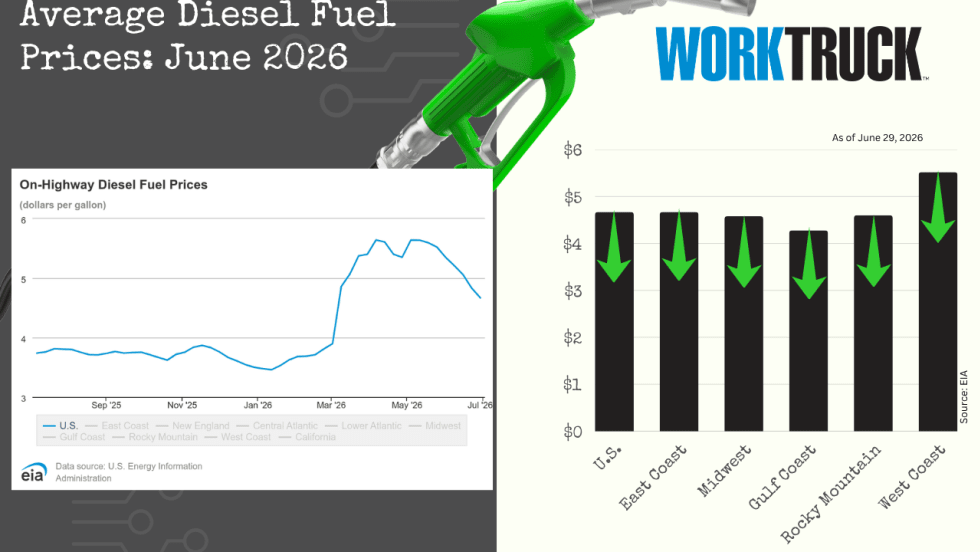
June Diesel Trends Update
The national average price of a gallon of diesel has dropped again, this week by more than 16 cents. All five regions reported lower average prices, ranging from almost 13 cents to more than 28 cents cheaper than a week ago.
Read More →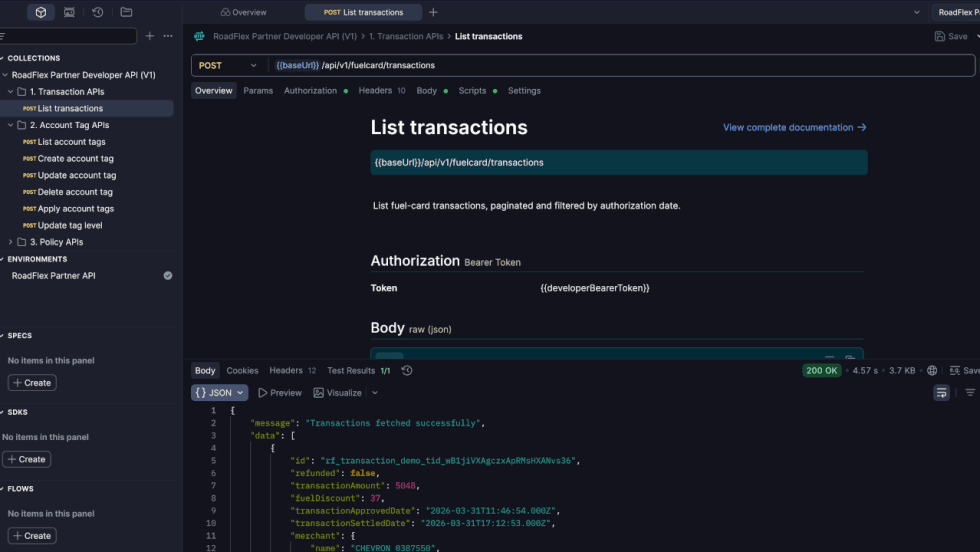
RoadFlex Launches RoadFlex Direct Open API Platform
RoadFlex Direct connects fuel cards, controls, and data to the telematics and fleet management systems fleets already run, from Geotab and Samsara to Fleetio and RTA, with no separate dashboard or double data entry.
Read More →
The Key to Fuel Efficiency Sits in the Cab
Learn how driver behavior, telematics, coaching, and fuel data can help fleets improve fuel efficiency, lower costs, and reduce emissions.
Read More →