




Strategic & Proactive: Using Data to Drive Fleet Efficiencies
The Crucial Role of Fleet Inspections
Regular fleet inspections, investing in tech, and developing safety policies are essential to identify potential issues early on and reduce the risk of accidents.
by Autumn Devine, GPS Insight
June 22, 2023
Road safety is important on and off the road.
Photo: Canva
4 min to read
When it comes to road safety, the focus is often on the behavior of drivers behind the wheel. However, fleet operators understand that preventive maintenance is crucial in ensuring safe operations.
Regular fleet inspections are essential to identify potential issues early on, reducing the risk of accidents, injuries, and costly repairs. Beyond safety, these inspections improve vehicle efficiency, resulting in fuel savings, reduced repair costs, and increased lifespan.
Moreover, fleet managers can demonstrate their commitment to safety and compliance by conducting regular inspections and maintaining detailed records, minimizing the risk of fines and legal issues.
Fleet inspections are not just a regulatory requirement but a critical aspect of effective fleet management. Failure to perform preventive maintenance tasks can lead to expensive breakdowns, driver downtime, and repeated repairs that drain profits.
By investing in proactive maintenance measures, fleet operators can reduce costs and mitigate safety risks associated with mechanical failures. Timely inspections and maintenance can prevent minor issues from escalating into major problems, saving organizations significant amounts of money and preventing disruptions to their operations.
Leveraging Preventive Maintenance Technology
Modern technology offers robust solutions for effective preventive maintenance. Advanced telematics systems and GPS tracking tools provide fleet managers with real-time vehicle data, informing them about their fleet's condition and potential maintenance needs.
Automating maintenance scheduling and alerts, these technologies help fleet operators stay on top of routine service tasks, such as:
Oil changes.
Inspections.
They also streamline record-keeping, ensuring accurate documentation of service history and associated costs.
Contributing to Sustainability
Fleet inspections and preventive maintenance contribute to sustainability efforts by ensuring vehicles are in optimal condition and minimizing emissions due to poorly maintained parts.
Regular inspections help fleet managers identify areas where vehicles can be optimized for fuel efficiency and reduced environmental impact. Additionally, fleet management solutions provide insights into reducing idle time, limiting carbon emissions, and aligning with sustainability goals.
By incorporating preventive maintenance practices, fleet operators can play their part in creating a greener and more sustainable transportation industry.
Building a Foundation for Safety
To establish a safety culture, fleet operators must develop comprehensive safety policies and provide ongoing driver training programs. Clear communication of expectations and regular education on safe driving practices help reinforce positive behaviors and minimize risks on the road. By prioritizing safety, fleet operators can create a responsible image and ensure the well-being of their drivers.
Distracted driving also poses a significant risk on the road. Fleet operators can combat this issue by implementing strict guidelines against mobile device use while driving and promoting hands-free communication tools.
Advanced technology solutions, such as driver monitoring systems and in-vehicle alerts, can also help detect and prevent distractions. By addressing distracted driving head-on, fleet operators contribute to a safer driving environment and reduce accidents caused by inattention.

Distracted and aggressive driving poses a significant risk on the road.
Photo: Canva
Aggressive driving behaviors, such as speeding and harsh braking, increase the risk of accidents. Fleet operators can use technology solutions like telematics systems to monitor driver behavior and identify instances of aggression.
This data enables fleet operators to provide feedback, coaching, and targeted driver training to promote safer driving practices. By addressing aggressive driving behaviors, fleet operators can reduce the likelihood of accidents and protect their drivers and others on the road.
Boosting Accident Prevention
Incorporating advanced safety technology can significantly enhance accident prevention efforts, this includes:
Vehicle telematics.
GPS tracking.
These tools provide valuable insights into driver behavior, enhance situational awareness, and identify potential risks on the road. By integrating these technologies into fleet operations, fleet operators can proactively manage driver behavior, optimize routing, and respond quickly to emergencies or incidents.

Incorporating advanced safety technology can enhance accident prevention efforts.
Photo: Canva
Monitoring and Continuous Improvement
Maintaining safe driving practices is ongoing, and fleet operators can rely on technology solutions to support their efforts. Real-time monitoring and reporting capabilities provided by telematics systems and GPS tracking allow fleet operators to track crucial safety metrics.
By analyzing this data, fleet operators can identify trends and areas for improvement, enabling them to implement targeted driver training programs. By addressing specific concerns, such as excessive speeding or harsh braking, fleet operators can continuously enhance safe driving practices and reduce the likelihood of accidents.
Fleet operators play a vital role in promoting safe driving practices and accident prevention. Fleet operators can empower their drivers and protect their assets by establishing a strong foundation rooted in safety, mitigating distracted and aggressive driving behaviors, leveraging safety technology, and monitoring performance.
The combination of effective strategies, ongoing education, and technology solutions enables fleet operators to maintain safe driving practices, reduce accidents on the road, and contribute to a safer driving environment for all.
Prioritizing Safety in the Fleet Industry
As an industry, it is our collective responsibility to prioritize safety, embrace innovation, and continuously strive for safer roads and a more secure future for all fleet drivers.
We can pave the way to a safer and more efficient transportation industry by empowering fleet operators with the right tools and strategies. Through a proactive approach to preventive maintenance and the integration of cutting-edge technologies, fleet operators can reduce accidents, safeguard their drivers' well-being, and protect their valuable assets.
Together, let us prioritize safety on the road and work towards creating a safer and more responsible fleet management industry.
Topics:Safety & Compliance
Subscribe to Our Newsletter
More Safety & Compliance
GeoFencing Adds to Your Truck Security Arsenal
Geofencing is a familiar fleet tool today, but its early adoption marked a major shift in vehicle tracking, route monitoring, and the debate over employee privacy.
Read More →
Recalls You Need to Know About in October 2026
In October 2026, what recalls might impact your fleet? Work Truck has the answers in this comprehensive overview of recent NHTSA recalls.
Read More →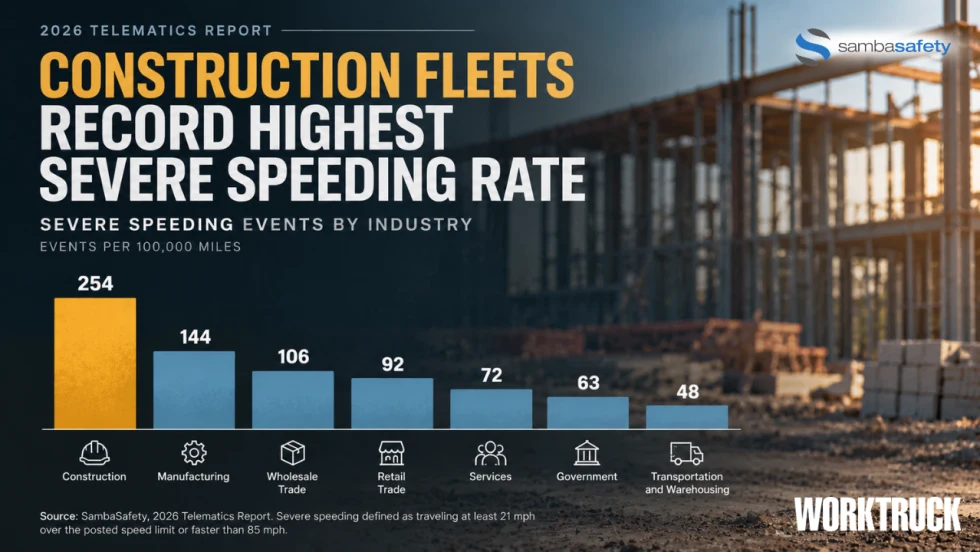
Construction Fleets Show Telematics Adoption Alone May Not Reduce Driving Risk
SambaSafety found construction fleets monitor roughly 92% of their vehicles but recorded the highest severe speeding rate among industries studied.
Read More →From Our Partners



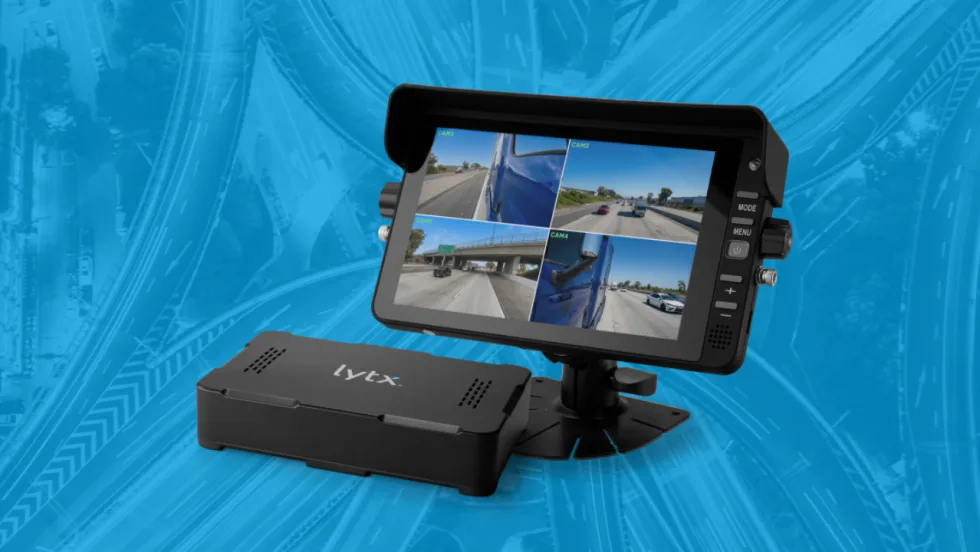
Lytx Launches 360 Hub Kit for Expanded Fleet Camera Visibility
Lytx’s new AI-ready gateway and HD auxiliary camera ecosystem, the Lytx 360 Hub Kit, extends visibility across side, rear, cargo, and blind-zone views to help fleets see more and respond faster.
Read More →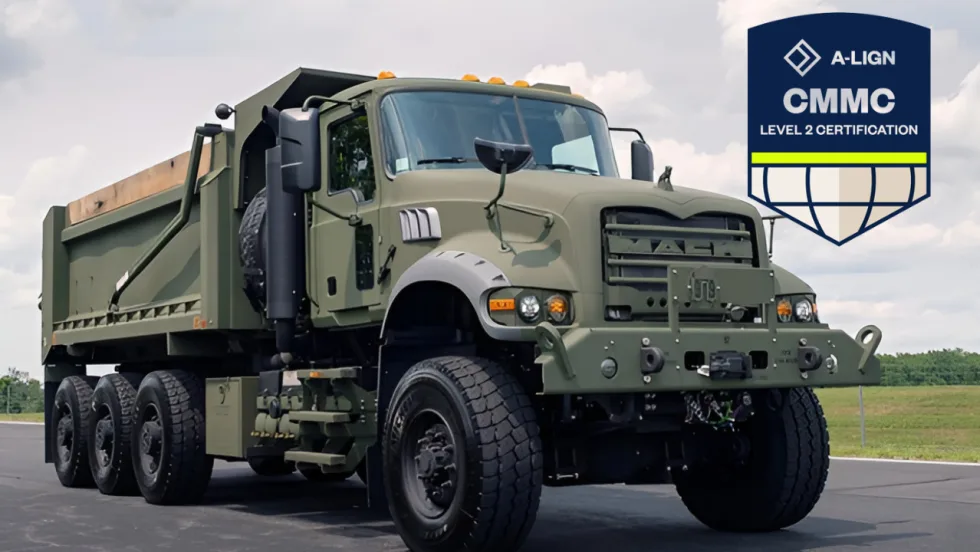
Mack Defense Achieves Cybersecurity Maturity Model Certification Level 2
After an assessment conducted by an authorized Certified Third-Party Assessment Organization (C3PAO), Mack Defense has achieved Cybersecurity Maturity Model Certification (CMMC) Level 2.
Read More →
When Work Trucks Under 26,001 Pounds Need IRP Registration
Think trucks under 26,001 pounds are automatically in the clear when it comes to IRP? Not always. Learn where lighter vehicles can still run into trip permit, apportioned registration, and IFTA compliance requirements when crossing state or provincial lines.
Read More →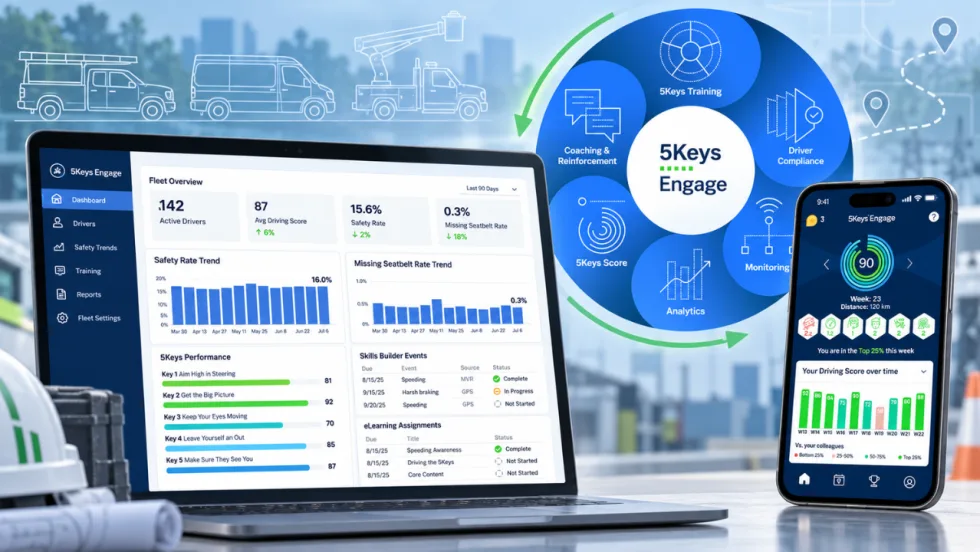
Smith System Wants Work Truck Fleets to Look Beyond the Driver Alert
Smith System’s new Driver Risk Management program is built to help mixed work truck fleets turn telematics alerts and observations into specific behaviors, coaching actions, and measurable follow-up.
Read More →
Volvo Trucks Releases New Safety Recommendations for Traveling with Pets
One of the most important recommendations for professional drivers traveling with pets is to ensure pets are properly restrained while the truck is moving. Other tips are available in the new guide from Volvo Trucks North America and Center for Pet Safety.
Read More →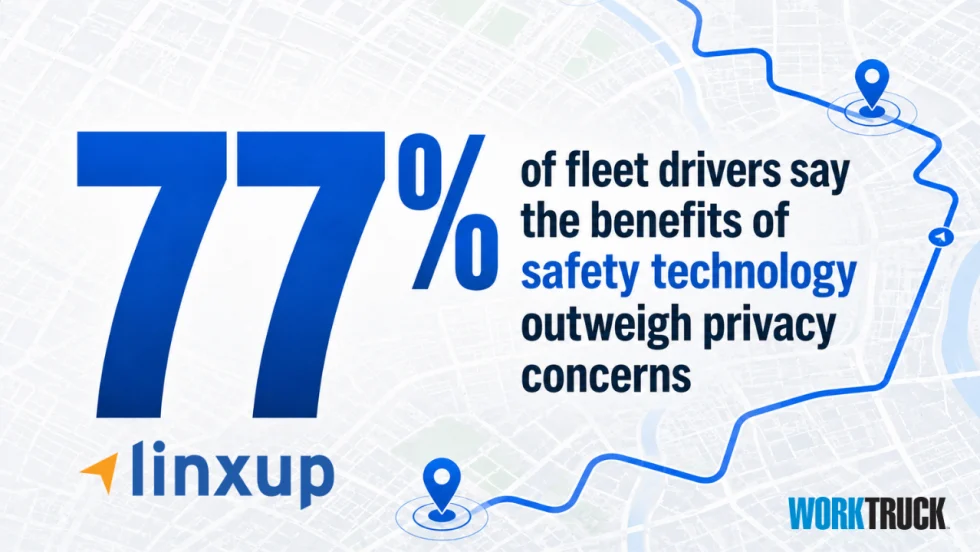
Are Work Truck Drivers Warming Up to Dash Cams and GPS Tracking?
A new survey finds field-service drivers may be more comfortable with dash cams and GPS tracking than fleet managers think, especially when the technology helps protect them after a crash.
Read More →
Recalls You Need to Know About in September 2026
If you have Altec, Chrysler, Ford, Heil, General Motors, International, Mack Trucks, Paccar, Rivian, Royal Truck, Toyota, US Truck Body, or Volvo Trucks vehicles in your fleet, you should check these important recalls issued by the National Highway Safety Administration.
Read More →