




The 6 Vehicle Tracking System Must-Have Features
There are six must-have features when it comes to vehicle tracking systems. Learn what they are, and how they can benefit your business.


A man looks at data from a vehicle tracking system.
Photo: Getty/Tinpixels
A car or truck tracking system allows organizations to quickly realize many bottom-line benefits, including increased productivity, improved safety, and reduced costs. Whether you're still considering GPS tracking software or looking to switch from your current provider, it's essential to find a provider that meets all of your feature requirements.
Not having the right features means you may be behind the curve and won't be able to compete in the long term.
What are the Must-Have Vehicle Tracking System Features?
You should consider these six must-have vehicle tracking features when you are evaluating different providers that will help you improve your business and your bottom line:
1. Real-Time Location Tracking
Location tracking is at the foundation of fleet management. It's where the phrase "dots-on-a-map" was born. Automobile GPS tracking solutions began with a need to know where fleet vehicles and assets were at all times for numerous reasons.
Awareness of where your drivers, vehicles, and equipment are at any given moment allows you to respond more rapidly to emergencies. It also enables you to make sure you send the right vehicles, people, and resources to the right places.
More simply, the number one reason companies need real-time location tracking is for an anti-theft system. Many businesses see an instant, massive return on investment (ROI) even in one instance of recovering a stolen vehicle or asset.
However, not all car and truck tracking software are actually "real-time" solutions. Some providers only offer periodic updates of their GPS tracking device. In short, they only send data every two minutes, three minutes, or even longer.
So, if it's vital to your business to have actual real-time data, then you need to ask providers how often their tracking device update. Finding this out is especially important in cases of anti-theft—seconds matter in scenarios of theft.
Some vehicle tracking providers even offer tiered options where they charge more for faster updates, much like a cell phone company charges more the more data you use.
2. Customizable Tracking Alerts
Fleet management customizable alerts are always at the top of the must-have vehicle tracking system features. Receiving real-time notifications regarding driving behavior to fleet and commercial vehicle diagnostics can open opportunities for reducing risk and improving efficiency, which goes right to the bottom line.
For example, real-time tracking alerts regarding wasted fuel because of poor driving habits or high idle times can reveal areas for improvement. These improvements go right to the bottom line when you can reduce fuel costs by even 5-10%.
Customizable alerts range from:
Odd-Hours Alerts: Alerts when vehicles and assets move during a specified time range, i.e., between 10:00 PM and 6:00 AM.
Long Idle Times: Alerts when vehicles are idling for a specified time range, i.e., longer than 10 minutes. You can send an additional message telling the driving to shut the vehicle off that time.
Speeding Alerts: Alerts when vehicles either travel over a specified speed (i.e., 75 mph) or the posted speed limit of a road. I.e., when they go at least 10 miles per hour (MPH) or more over the posted speed limit.
Vehicle Maintenance Due: Alerts when specified vehicle maintenance is due or coming due. These alerts can be anything from oil changes to tire rotations to vehicle inspections.
3. Vehicle Maintenance Scheduling
Fleet vehicles are the lifeblood of your operation, so keeping them up and running will always be a top priority. Truck or car tracking systems that can monitor their health will allow you to keep tabs on your vehicles and assets.
This functionality means spotting new maintenance issues, addressing them immediately, and ensuring that preventive maintenance is scheduled and completed on time. Vehicle downtime can severely impact your business if one or multiple vehicles are out of commission for long periods.
It's imperative to make sure that vehicles receive the service they need when they need it. Doing this prevents smaller issues becoming catastrophic ones and so that you're not performing repeating maintenance on neglected problems.
4. Route Optimization and Scheduling
Today's vehicle tracking systems relieve businesses of the headache and potential mishaps of scheduling drivers' routes with pencil and paper. Before implementing vehicle tracking technology, most companies have issues with overlapping routes, drivers taking a long way, or not sending the closest vehicle to the next job.
There can also be significant time wasted communicating with drivers by phone telling them their next stop or updates to their current route.
Vehicle tracking automated dispatch lets drivers know at the beginning of every day where they are going and the route they will take. Vehicle tracking systems arrange routes the most cost-effectively and accompanied by details like customer requests or unique delivery requirements. This feature can streamline communication, increase productivity, and help maintain a high level of customer service by improving arrival times.
Most companies using the technology also usually see more revenue to the bottom line because this functionality often translates to their drivers completing more jobs per day.
Route optimization is a natural outgrowth of vehicle tracking systems. It takes into account traffic patterns, accidents, road work, bridge heights, and other factors that impact routes.
As a result, you can improve response time, reduce mileage and fuel consumption, fit more jobs into a day, and improve customer service. Real-time data about current conditions gives you the ability to make quick, informed decisions that maintain efficiency and meets customer expectations.
5. Measuring Vehicle Utilization
Measuring commercial vehicle and fleet utilization is emerging as a crucial indicator of efficiency and total cost of ownership (TCO) for vehicles.
Knowing which vehicles and how often they are used — particularly in shared-services operations — is vital in measuring whether you have the right kind and the correct number of vehicles. Fleet tracking systems are the only way to measure this critical metric.
Trying to do so with an Excel spreadsheet will likely lead to perpetuating inefficiencies, which could increase budget outlays for vehicles not in use.
GPS tracking devices and related systems provide comprehensive utilization reports that give you all the necessary data to make informed decisions about your vehicles and assets. It might translate into a need for right-sizing your fleet, or simply improving your vehicle efficiency.
6. Driver Behavior Monitoring
One of the most challenging aspects of a mobile workforce to monitor and improve are its drivers. This difficulty is usually because of the "Big Brother" mentality that so many have. However, you can quickly dispell this notion.
Think of it like this - football coaches review the game film with players to improve their performance. Sales managers review calls with sales representatives to improve close rates. Managing drivers is no different, nor should they have any exception.
Monitoring and improving driving behavior is essential for your business to run at max efficiency and productivity. It's not a tool used to implicate them or watch their every move. It's a tool to improve their performance and grow your business.
Vehicle tracking systems provide visibility into a host of various driving behaviors. These insights include data from speeding, rapid acceleration, and harsh braking to their average time spent at jobsites. Reports can reveal the start and stop times of their days that can validate timecards or show padded hours and the reason you might see high labor costs. Utilizing reports and customizable alerts enables you to coach up your drivers to improve their performance proactively and hold them accountable.
Start the Process of Benefiting from a Vehicle Tracking System
These top six features of a GPS tracking system are just the tip of the iceberg when it comes to what this technology can do. There are other factors to consider, such as how easy-to-use the software is, whether or not the provider offers a mobile app, and how robust their geofence capabilities are. Integrating with other third-party business software can also be vital for operational efficiency.
The critical thing to remember is that the features you will require from such a system depends entirely on what business challenges you are looking to solve.
To begin your process of implementing a vehicle tracking software, speak with top fleet management providers regarding the features that can benefit you and receive pricing information.
Originally posted on Automotive Fleet
More Technology
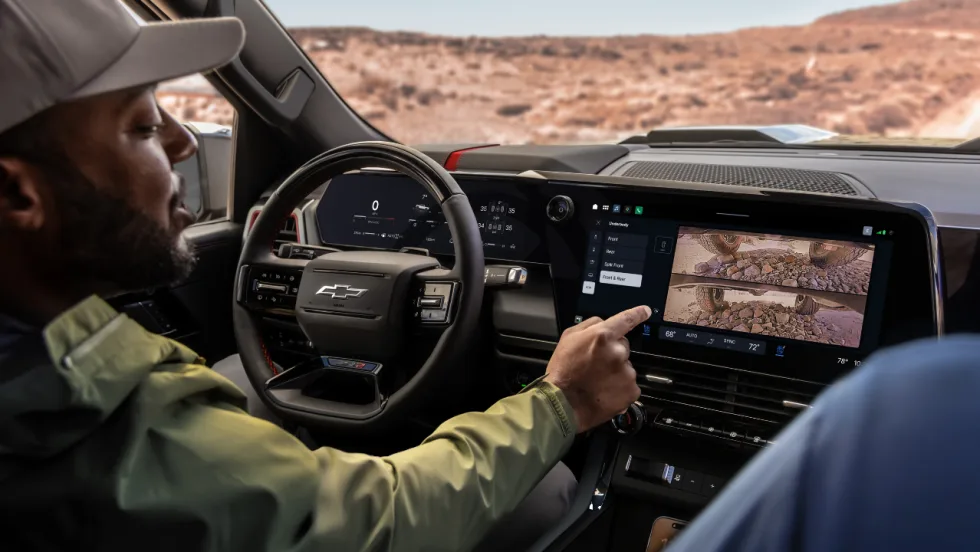
GM Brings New Truck Focused Interface to 2027 Silverado and Sierra
GM's new pickup interface puts trailering data, camera views, vehicle controls, and smartphone integration closer to the driver in the 2027 Silverado and Sierra.
Read More →
Samsara Driver Perks Expands Rewards Beyond the Long Haul Driver
Samsara’s new driver rewards program was built with a broader professional driver in mind, including employees who split their day between driving, job sites, service calls, and other work.
Read More →
AI Service Advisor Aims to Cut Fleet Repair Downtime
Fleetio said its AI Service Advisor can help fleets cut repair downtime by an average of 2.5 hours per repair while reducing manual maintenance work.
Read More →
Verra Mobility Launches AI-Driven Title & Registration Solution
Verra Mobility has launched a new AI-driven Title & Registration platform to help fleets move vehicles from acquisition to the road the same day while reducing compliance risk.
Read More →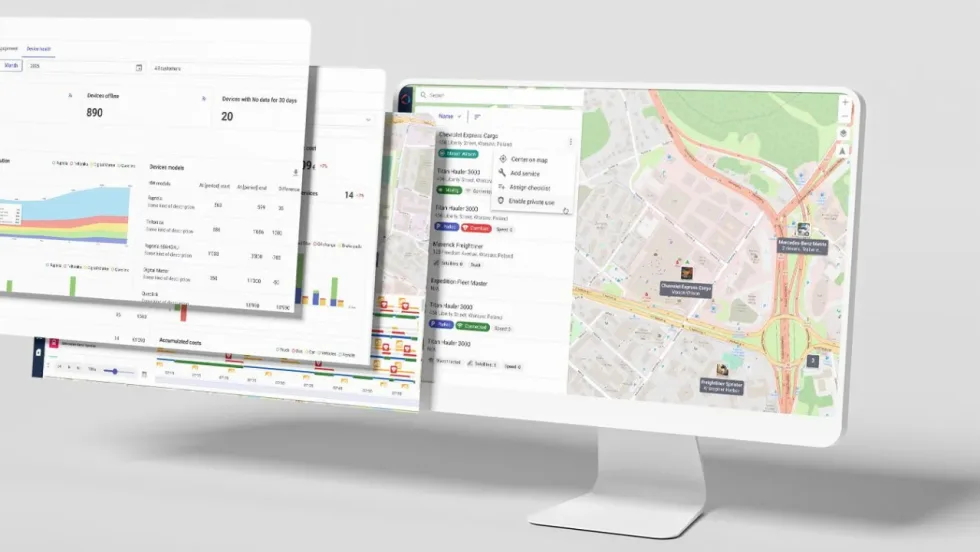
Wialon Unlocks OEM Data to Give Fleet Owners Data Ownership & Operational Clarity
Wialon has introduced hardware-free OEM integration as the EU Data Act accelerates the shift in vehicle data access across the fleet industry in many countries.
Read More →
Teletrac Navman Promotes New CEO from Within
Teletrac Navman’s next CEO, Ricardo Buranello, has served as the company’s chief financial and operating officer. He brings deep financial and operational expertise, a strong strategic orientation, and an intimate knowledge of the business to his new role.
Read More →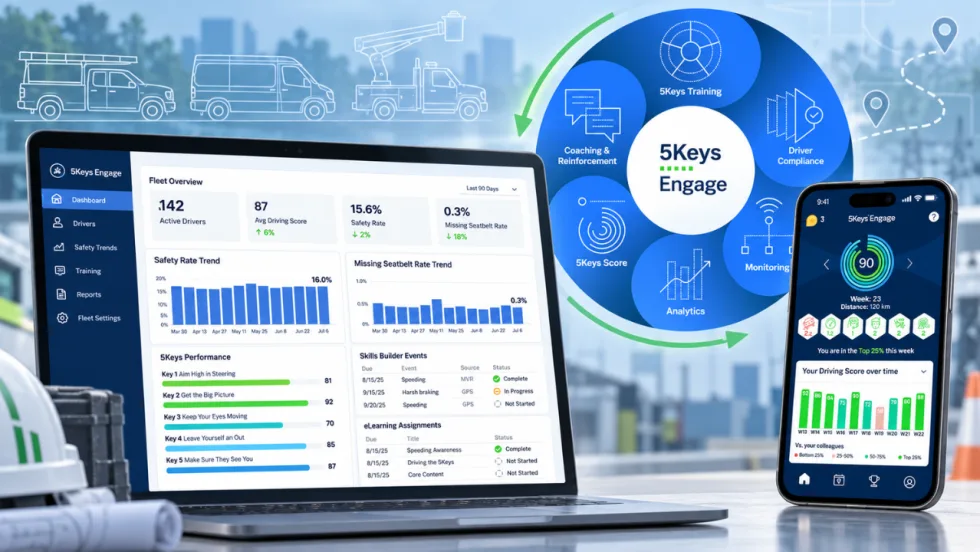
Smith System Wants Work Truck Fleets to Look Beyond the Driver Alert
Smith System’s new Driver Risk Management program is built to help mixed work truck fleets turn telematics alerts and observations into specific behaviors, coaching actions, and measurable follow-up.
Read More →
Ford Pro Software Updates: August 26
Check out the latest Ford Pro software updates, including Google Maps integration, Remote Vehicle Alarm integration, Motor Pool for easier management of shared pool vehicles, and more.
Read More →
Where AI Is Actually Saving Fleet Managers Time
AI is moving past the buzzword stage and into the daily fleet workflow. Fleetio’s Brianna Perry Lang breaks down where fleets are seeing real time savings, from maintenance and data entry to repair decisions, safety, and compliance
Read More →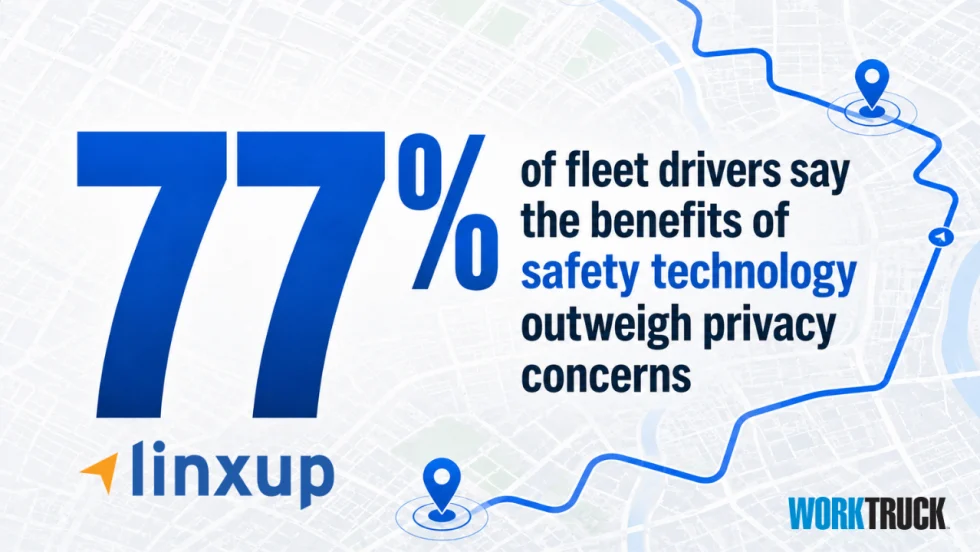
Are Work Truck Drivers Warming Up to Dash Cams and GPS Tracking?
A new survey finds field-service drivers may be more comfortable with dash cams and GPS tracking than fleet managers think, especially when the technology helps protect them after a crash.
Read More →