




Telematics Case Study: Monitoring Productivity
Lane Valente wanted to monitor productivity, including the time it took techs to arrive on the job and time to completion. The company also wanted to monitor unauthorized use of vehicles and ensure the accurate billing of hours and payroll.
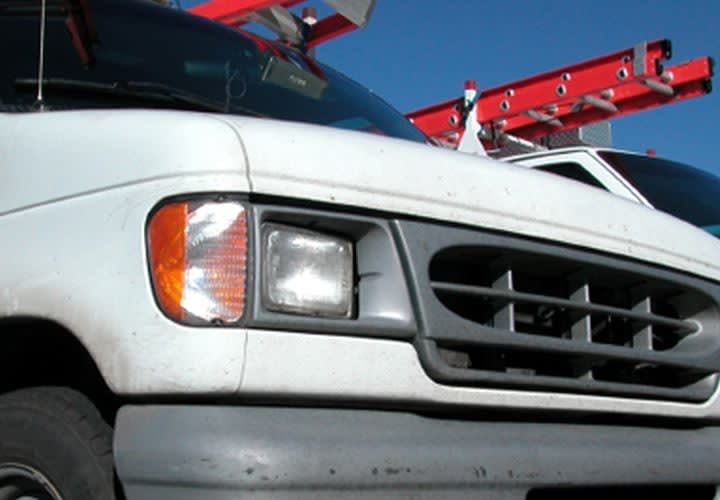
Photo via Lane Valente.
Photo via Lane Valente.
Founded in 1989 as a regional maintenance service provider, Lane Valente Industries has grown every year by offering the most comprehensive and efficient solutions in retail. Today the company is a leading provider of facility maintenance, project management, and energy services.
Lane Valente caters to high-volume remodels, sending skilled technicians in a company vehicle to provide facilities solutions for plumbing, electrical, HVAC, retail lighting, and refrigeration maintenance.
The Fleet: Lane Valente operates a fleet of 172 units, including vans and bucket trucks.
The Challenge: With a continually expanding fleet, Lane Valente wanted to monitor productivity, including the time it took techs to arrive on the job and time to completion. The company also wanted to monitor unauthorized use of vehicles and ensure the accurate billing of hours and payroll.
The Solution: To address these challenges, Lane Valente turned to a cloud-computing platform that offers visibility into day-to-day fleet operations so it can identify, manage, and improve areas such as driver safety, customer service, back-office administration, fuel use, and fleet efficiency.
The Results: "Since implementing our solution, the fleet has improved driver safety by monitoring mobile worker status and reducing unsafe driving maneuvers," said Michael Moran, field quality control officer and fleet manager at Lane Valente. "We've also expanded business intelligence by enabling data-driven decisions, strengthened compliance, and increased customer satisfaction. In addition, using telematics has increased workflow productivity, reduced fuel costs, and improved asset utilization."
Lane Valente also uses telematics to monitor drivers' locations so the company knows immediately who to send for emergency calls, as well as ensure techs service customers fully. Using a field service solution, Lane Valente can evaluate the effectiveness of work by analyzing fuel usage, number of hours on the job, scheduling and dispatch time, as well as other metrics.
Telematics have also helped the company track stolen vehicles. Lane Valente had four trucks taken, but with GPS connected, the vehicle can be located within minutes or hours of when it was reported missing.
Lane Valente also uses telematics to monitor unauthorized use. Each morning, Moran receives an exception report via e-mail showing all vehicles that were used during off hours. He then checks this report against the dispatch report to confirm that the use was warranted.
"At first, drivers thought the GPS system was a way for us to check up on them, but after time they saw it has helped them," Moran said. "No more questions about what time they got to the job and how could it take so long to get to the site." He added that this information is monitored daily to ensure an accurate payroll and client services.
Originally posted on Automotive Fleet
More Technology
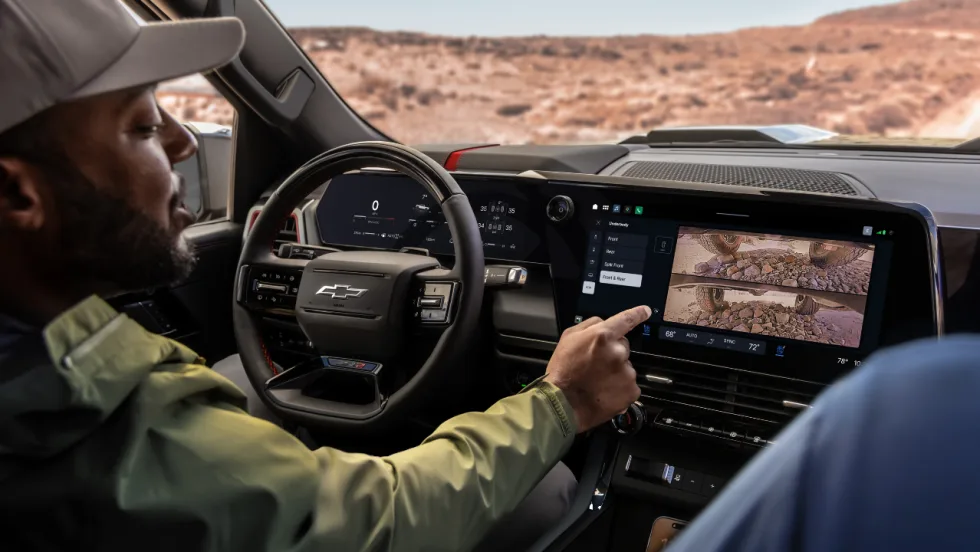
GM Brings New Truck Focused Interface to 2027 Silverado and Sierra
GM's new pickup interface puts trailering data, camera views, vehicle controls, and smartphone integration closer to the driver in the 2027 Silverado and Sierra.
Read More →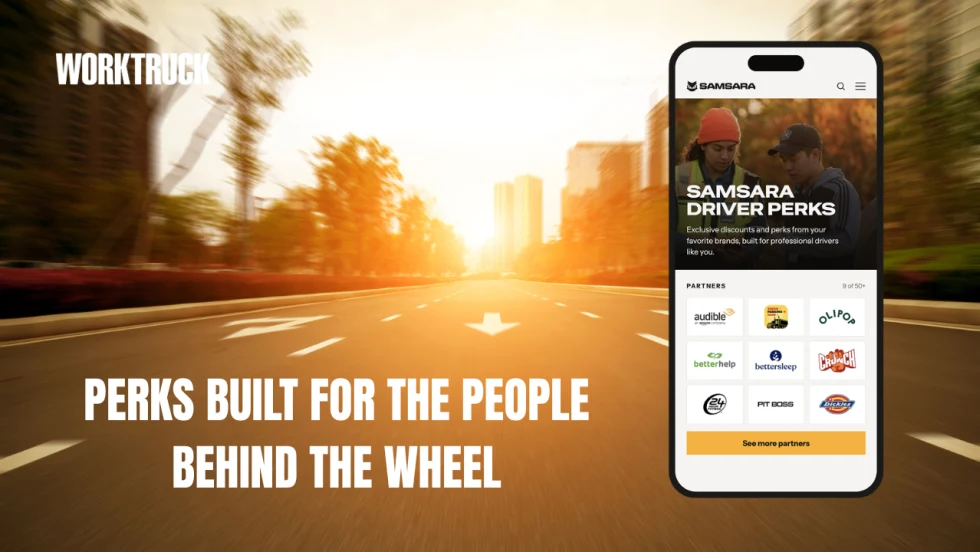
Samsara Driver Perks Expands Rewards Beyond the Long Haul Driver
Samsara’s new driver rewards program was built with a broader professional driver in mind, including employees who split their day between driving, job sites, service calls, and other work.
Read More →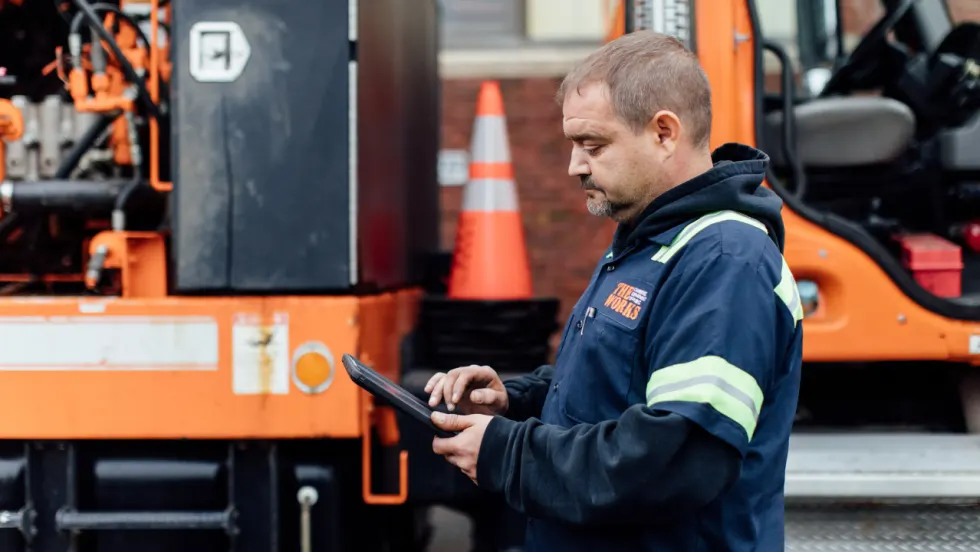
AI Service Advisor Aims to Cut Fleet Repair Downtime
Fleetio said its AI Service Advisor can help fleets cut repair downtime by an average of 2.5 hours per repair while reducing manual maintenance work.
Read More →
Verra Mobility Launches AI-Driven Title & Registration Solution
Verra Mobility has launched a new AI-driven Title & Registration platform to help fleets move vehicles from acquisition to the road the same day while reducing compliance risk.
Read More →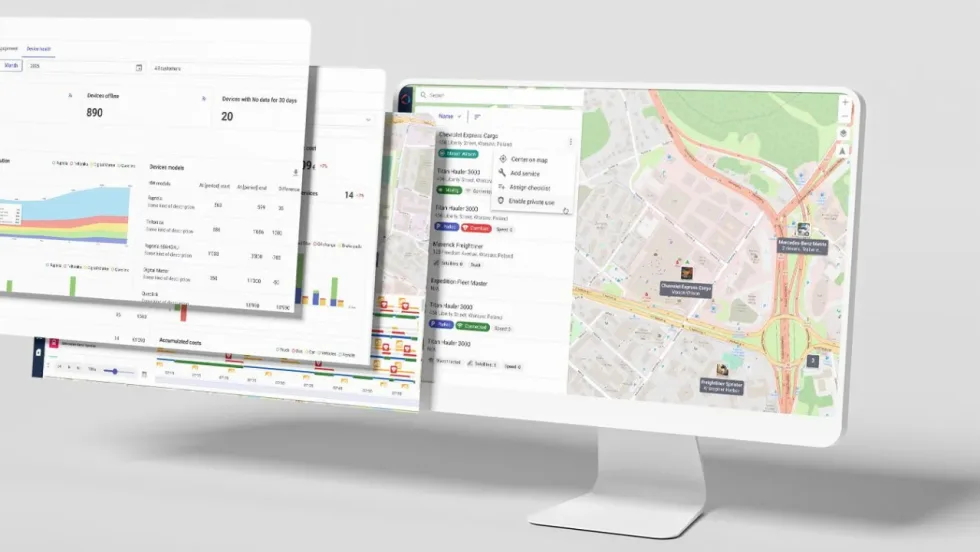
Wialon Unlocks OEM Data to Give Fleet Owners Data Ownership & Operational Clarity
Wialon has introduced hardware-free OEM integration as the EU Data Act accelerates the shift in vehicle data access across the fleet industry in many countries.
Read More →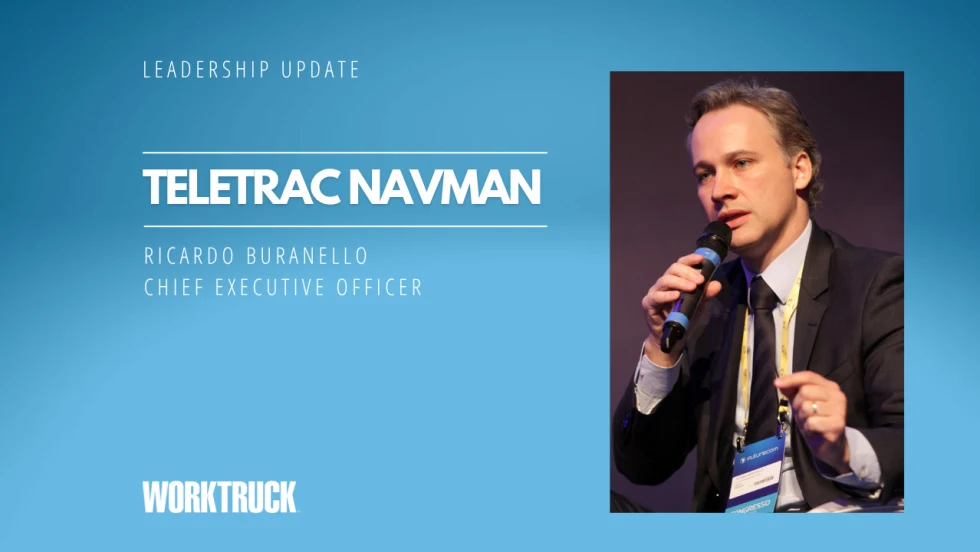
Teletrac Navman Promotes New CEO from Within
Teletrac Navman’s next CEO, Ricardo Buranello, has served as the company’s chief financial and operating officer. He brings deep financial and operational expertise, a strong strategic orientation, and an intimate knowledge of the business to his new role.
Read More →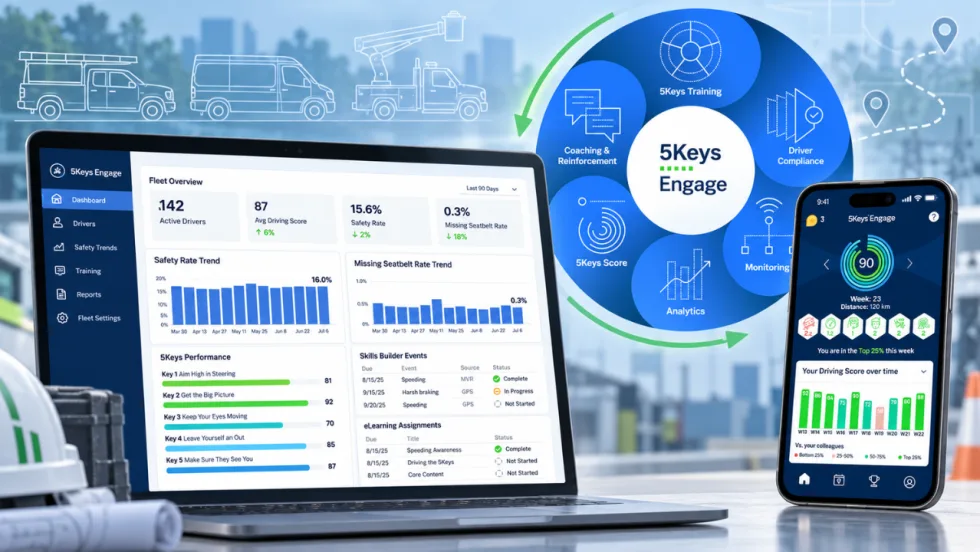
Smith System Wants Work Truck Fleets to Look Beyond the Driver Alert
Smith System’s new Driver Risk Management program is built to help mixed work truck fleets turn telematics alerts and observations into specific behaviors, coaching actions, and measurable follow-up.
Read More →
Ford Pro Software Updates: August 26
Check out the latest Ford Pro software updates, including Google Maps integration, Remote Vehicle Alarm integration, Motor Pool for easier management of shared pool vehicles, and more.
Read More →
Where AI Is Actually Saving Fleet Managers Time
AI is moving past the buzzword stage and into the daily fleet workflow. Fleetio’s Brianna Perry Lang breaks down where fleets are seeing real time savings, from maintenance and data entry to repair decisions, safety, and compliance
Read More →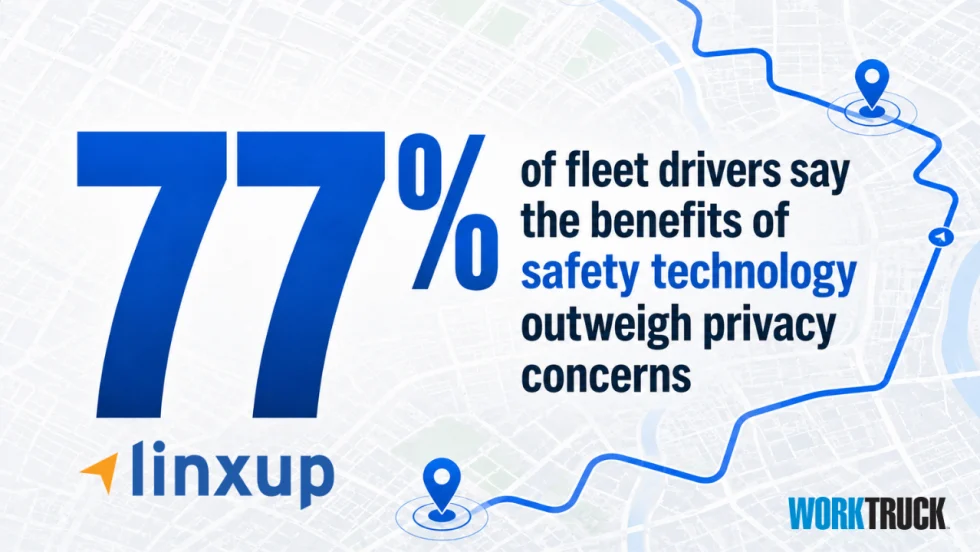
Are Work Truck Drivers Warming Up to Dash Cams and GPS Tracking?
A new survey finds field-service drivers may be more comfortable with dash cams and GPS tracking than fleet managers think, especially when the technology helps protect them after a crash.
Read More →