





Check out a Photo Gallery of Booster in action with Traffic Management Inc.
Stay Fueled Up & On the Road with Booster
Mobile gas delivery is now popping up in cities across the U.S., and one company is leading the way when it comes to fueling fleets.
May 13, 2019
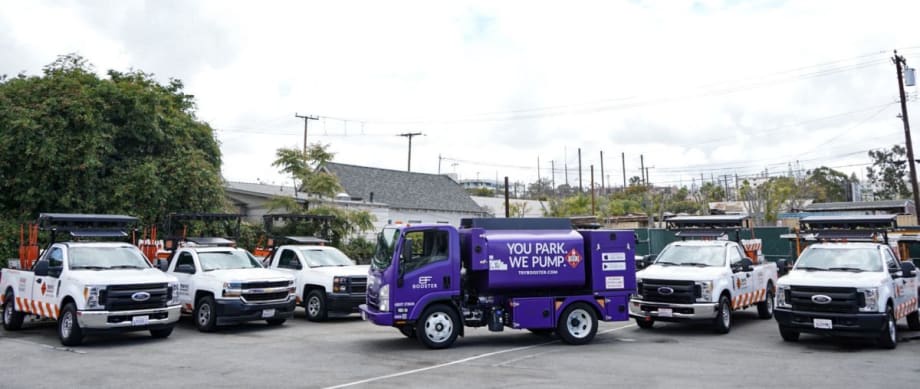
Booster's proprietary purple tanker and technology offers same-day mobile fuel delivery and holds up to 1,200 gallons of fuel. A bulkhead splits the tank in two, which allows the truck to delivery both gasoline or diesel at the same time.
Photo courtesy of Booster Fuels
4 min to read
Mobile gas delivery is now popping up in cities across the U.S., and one company is leading the way when it comes to fueling fleets.
According to a survey of more than 500 fleet managers on their gas station experiences, it costs an extra $15 and 20 minutes to send just one fleet vehicle to the gas station to fill up. The simple math tells you this adds up, and that is without any of the additional issues with fraud that may arise.
Booster Fuels currently works with more than 300 fleets in 20 cities in California and Texas, with plans to expand significantly this year. The company’s proprietary purple tanker and technology offer same-day mobile fuel delivery and holds up to 1,200 gallons of fuel. A bulkhead splits the tank in two, which allows the truck to delivery both gasoline or diesel at the same time.
“While all fleets can benefit from utilizing Booster fuel delivery, mixed fleets that utilize both gasoline and diesel as well as small- to mid-sized fleets will benefit the most from this service,” explained David Espinoza, director of Fleet & Equipment for Booster. “Businesses with 10-75 trucks have been historically underserved with no easy fueling solution available. Their yards were too small for big, traditional fuel tankers to fit, so they were fueling at gas stations. Our tankers are small and agile enough to fit anywhere.”
The Purple Truck
The truck is on an Isuzu chassis and features a blend of hardware, software, and AI/machine learning.
“Not only does the Booster truck have the turning radius of a small car, allowing us to service historically underserved smaller fleets and yards, but Booster tankers are also fully carbon offset, leaving zero footprint,” Espinoza said. “The trucks are clean air idle certified and exceed all DOT, EPA, and air quality requirements for the safe transport, storage, and dispensing of fuel.”
The tanker’s meters meet the advanced certification requirements of the NIST to guarantee the safety and accurate dispensing of fuel volumes.
Booster’s state-of-the-art, distinctive purple mini-tanker features:
10-micron filter to provide the cleanest possible gas which comes straight from the refinery with no water particles and has never been in an underground tank.
A TCS 3000 meter for the most accurate dispensing of fuel.
Adherence to the highest requirements for NFPA 30A, FMSCA, International Fire Code, and more.
Nimble and tight turning radius to maneuver in crowded fleet yards.
Lightweight, so it does not damage yard infrastructure.
Connected to the cloud for constant communication and information sharing.
Fuel is dispensed via an Eco Nozzle that shuts off the fuel flow before the spout is out of the tank and each tanker is equipped with a 50-foot hose to reach difficult vehicles.
How it Works
Booster brings the fuel station directly to America’s fleets. Here’s how it works:
A fleet manager sets their own fuel delivery schedule.
Booster shows up, and its purple mini-tankers provide diesel, gasoline, or both fuels for your fleet and equipment.
Drivers can then hit the road uninterrupted.
“Booster is reinventing the way fleets get gas. Every vehicle we service saves about $1,500 on fuel and operations cost per year. And, because we’re with their fleet every day, we’re like an additional set of eyes and ears,” Espinoza added. “We take all that vehicle information, combine it with our technology and good old-fashioned personal service to deliver fleet health and saving reports.”
“We have built the most advanced gas delivery vehicle on the planet with the cleanest, highest-quality fuel. And, we help fleets stay green and more environmentally friendly by delivering gas directly to vehicles. This decreases gas transfers by 50%; lowers vapor emissions; and unlike gas stations, we don’t have underground fuel storage tanks that seep into the ground causing environmental issues that last for decades and beyond. Additionally, we cut congestion & CO₂ by getting fleets off the road during rush hour because they don’t have to go to the gas station,” Espinoza concluded.
Traffic Management Inc. Turns to Booster
Traffic Management Inc. (TMI), has a fleet of 1,600 rolling assets which includes an equal split of trailers and vehicles. Of the 800 vehicles, about 95% are light-duty trucks.
“TMI began a partnership with Booster because of a shared vision: add efficiencies to the fleet fueling process, limit the fleet’s carbon footprint as much as possible, and leverage the technologies of a connected fleet to increase the efficacy of the program,” said Zach Lewis, director of Internal Operations for TMI.
Booster currently services all the gasoline-powered vehicles in 10 of TMI’s branches.
“Booster’s operation team arrives at a TMI branch during trough points of the daily operational cycle. This increases TMI’s ability to serve our customers during peak times and perform at a higher operational tempo. As Booster continues to add to their available areas of service, TMI will bring our remaining 17 branches into the program,” Lewis said.
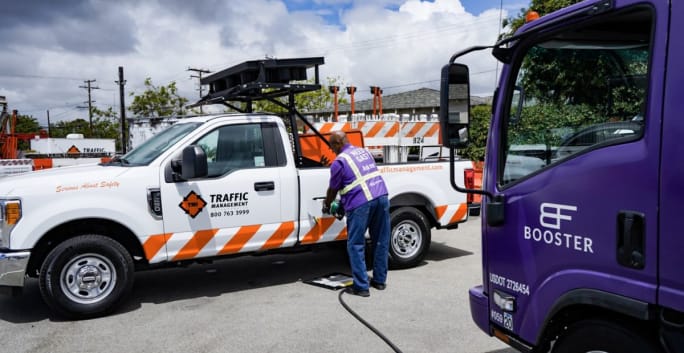
Traffic Management Inc., operates approximately 800 vehicles and utilizes Booster at 10 of its branches.
Photo courtesy of Booster Fuels
Overall, Lewis noted that Booster had enabled TMI to serve its customers better and removed an inefficient portion from the company traffic controller’s daily job duties; all while saving money.
“Booster has provided TMI with a service that has generated a positive return throughout our organization. Their transparency and performance make them a valued partner for TMI,” Lewis concluded.
Subscribe to Our Newsletter
More Fuel

The Smart Way to Build a Mixed-Energy Fleet Isn’t About Picking a Side
Mixed-energy fleets aren’t about picking a winning fuel. Sarah Booth of WEX explains how vehicle data, duty cycles, charging strategy, and real-world costs can help fleets choose the right energy source for each job.
Read More →
Ignoring This Dashboard Warning Could Cost Your Fleet Thousands in Fuel
New research suggests neglected diesel aftertreatment systems could waste up to $30 in fuel per vehicle each day. Here's why vocational fleets should pay attention.
Read More →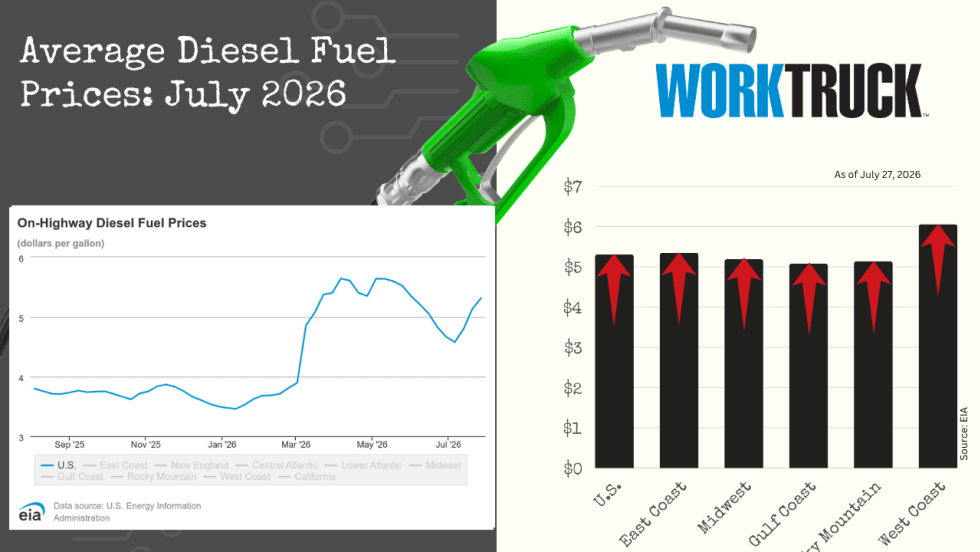
July Diesel Trends Update
The average price of a gallon of diesel increased again this week, and the EIA reported a new national average of $5.31 at the start of the week.
Read More →
WEX Brings Standard Fleet's Connected Vehicle Platform to Fleet Customers
This week’s product launch with Standard Fleet’s connected vehicle platform reflects WEX Venture Capital's strategy of turning startup innovation into customer solutions. Standard Fleet is now available to WEX fleet customers.
Read More →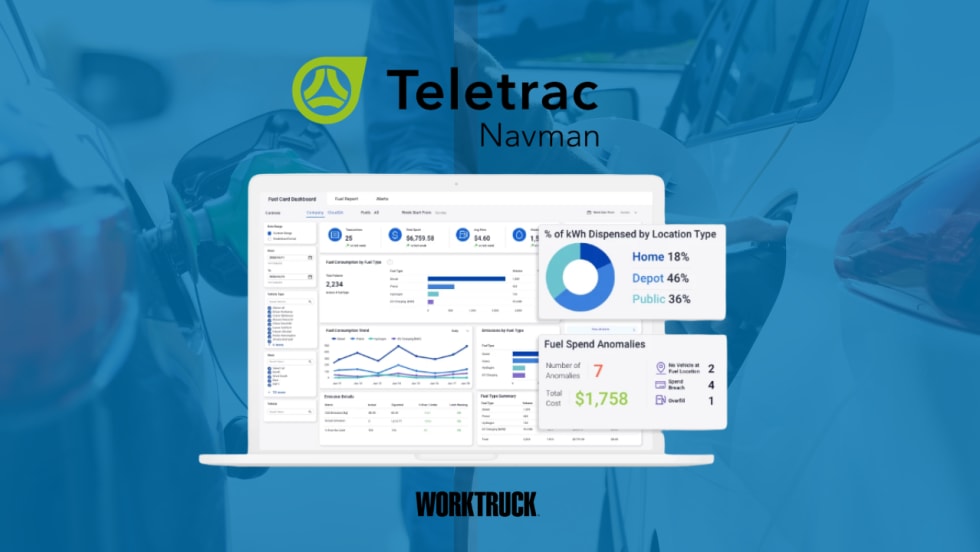
Teletrac Navman Adds Mixed-Energy Fleet Tools to TN360
The new Energy Hub combines fuel transactions, EV charging data, vehicle range, and energy costs in one dashboard for fleets operating multiple vehicle and energy types.
Read More →
WEX DriverDash adds CITGO, Expands Nationwide Access for Fleets
The DriverDash mobile payment app, by WEX, has been integrated into the CITGO merchant network, which means WEX has expanded its U.S. station footprint with the addition of approximately 4,000 CITGO locations.
Read More →
Mixed Energy Fleet Tips for Balancing EVs, Gas and Diesel Vehicles
Mixed energy fleets are becoming the new normal. Learn how fleet managers are balancing EVs, gas and diesel vehicles while controlling costs and planning for the future.
Read More →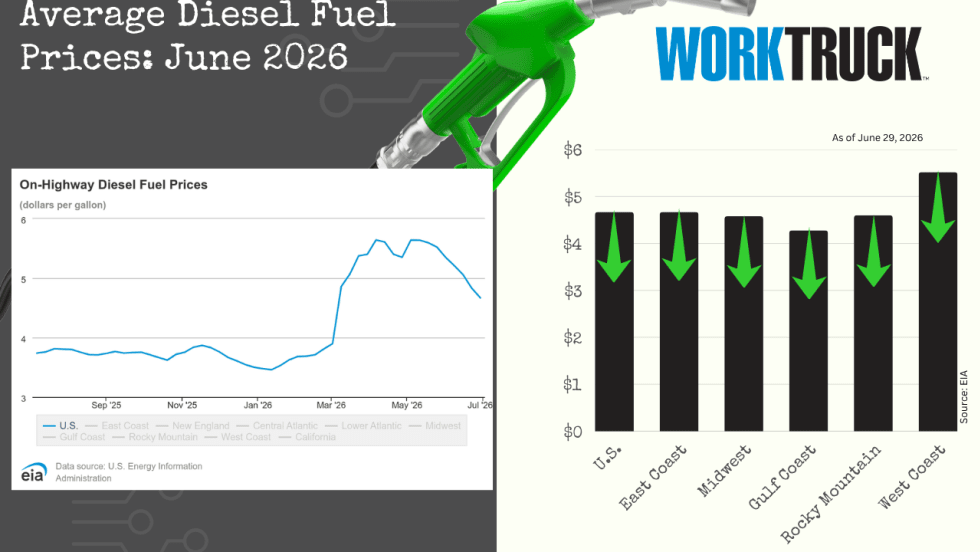
June Diesel Trends Update
The national average price of a gallon of diesel has dropped again, this week by more than 16 cents. All five regions reported lower average prices, ranging from almost 13 cents to more than 28 cents cheaper than a week ago.
Read More →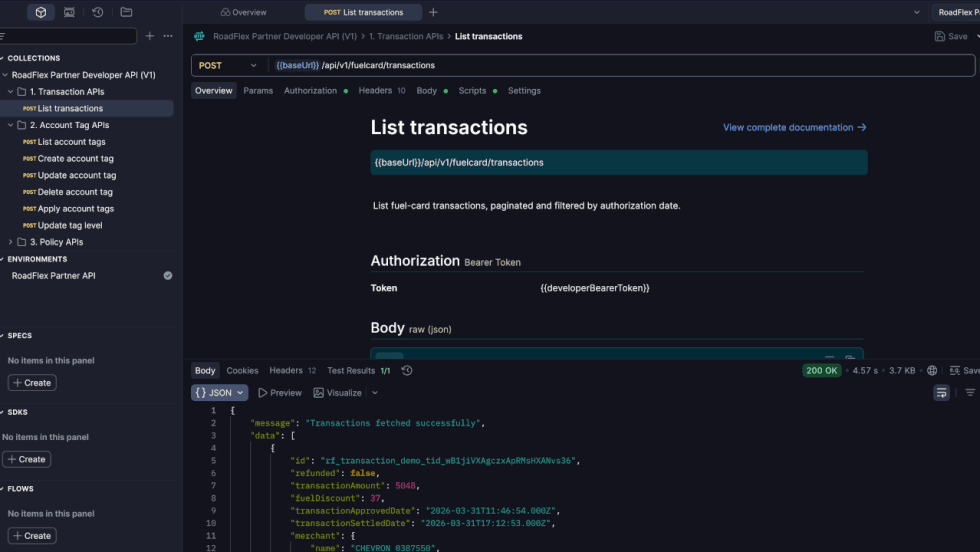
RoadFlex Launches RoadFlex Direct Open API Platform
RoadFlex Direct connects fuel cards, controls, and data to the telematics and fleet management systems fleets already run, from Geotab and Samsara to Fleetio and RTA, with no separate dashboard or double data entry.
Read More →
The Key to Fuel Efficiency Sits in the Cab
Learn how driver behavior, telematics, coaching, and fuel data can help fleets improve fuel efficiency, lower costs, and reduce emissions.
Read More →