




Related: Petro-Canada Lubricant Line Approved for Cummins Natural Gas Engines
Selecting the Right Oil for Mixed-Fuel Fleets
Managing a mixed fuel fleet presents unique challenges that need innovative solutions. One area that is particularly affected is maintenance, especially when it comes to engine oil.
by Ron LeBlanc Sr.
June 26, 2019
Before selecting an engine oil for a mixed fleet, it is important to consider their vital role and how they impact the overall performance of the vehicle.
Photo: Getty Images
4 min to read
Many fleet owners and operators are turning to natural gas vehicles as stringent emissions guidelines and incentives drive the industry to seek alternative fuels. With increasing numbers of fleets looking into alternative fuels, there has been an upturn in mixed fleet operations that include diesel, gasoline and natural gas engines.
Managing a mixed fuel fleet presents unique challenges that need innovative solutions. One area that is particularly affected is maintenance, especially when it comes to engine oil. The variation in fuel type makes the process more complex for mechanics, and typically means they must carry and stock a variety of oils and other maintenance essentials to cater to each type of engine.
Not only does this add to the cost of maintaining the vehicles, but it also means that additional storage space is required to house the oils safely and securely based on their manufacturer’s advice.
Taking up valuable shop space and requiring more time and money to manage another lubricant in a time of economic pressure, the increase of oil products in the shop can also make the maintenance process more prone to costly mistakes, such as using the wrong oil in an engine or run the risk of running out of oil. This directly impacts the company’s bottom line by taking the vehicle off the road and increasing its time in the shop. The very two things that fleet owners want to avoid.
The Role of Lubricants
Before selecting an engine oil for a mixed fleet, it is important to consider their vital role and how they impact the overall performance of the vehicle.
Heavy-duty engine lubricants help minimize frictional losses between moving components within the engine and reduce viscous drag. The API CK-4 and FA-4 categories, which were launched in December 2016, were designed to offer these benefits alongside a robust and improved resistance to oxidation, enhanced aeration control and greater shear stability.
Combined, these vital qualities allow engines to run more efficiently and use less fuel (specifically when using FA-4 oils) while offering protection to the essential components of the engine.
Steps for Engine Oil Selection
When selecting an engine oil, it is important to consider several key factors:
The Original Equipment Manufacturer (OEM) vehicle manual recommendation.
The conditions that your fleet operate in.
Benefits of synthetic vs non-synthetic oils.
OEM approval requirements.
For mixed fleet owners and operators, finding an engine oil that has the correct OEM approvals and meets the warranty requirements for all the fleet vehicles would be a cost effective solution and would help optimize vehicle maintenance.
A Forward-Thinking Solution
To meet the unique challenges that operating a mixed fleet presents, lubricant manufacturers continue to develop innovative new lubricants, such as Petro-Canada Lubricants’ DURONGEO Long Drain (LD) 15W-40 and 10W-30.
These new product lines can deliver superior engine protection for mixed fleets with compressed natural gas/liquefied natural gas, diesel and gasoline engines. For these applications, it is important to check the product’s OEM approvals and licenses to ensure compliance with each vehicles’ OEM manual recommendations, as otherwise any warranty could be invalidated.
Not only offering a "one-size-fits-all" engine oil for mixed fleet operations, the latest lubricants can also provide added potential fuel economy benefits and the ability to extend oil drain intervals. Extending oil drain intervals and maximizing the time that trucks can stay on road enhances the efficiency of the fleet and can result in significant cost savings.
For fleet owners looking to extend their oil drain intervals, it’s vital that this is done in partnership with lubricant experts and used oil analysis testing to ensure that doing it does not compromise engine protection or performance. This helps ensure the smooth running of a fleet and, crucially, protects the bottom line of the business. (Note: Extending drain intervals should always be undertaken in conjunction with an oil analysis program.)
Operating a mixed fleet can offer incentivized benefits for fleet owners and operators but can also present maintenance challenges. OEM approved "one-size-fits-all" engine oil solutions can address both issues by securing cost and maintenance efficiencies and performance benefits.
About the Author: Ron LeBlanc Sr. is the senior technical advisor for Petro-Canada Lubricants.
Subscribe to Our Newsletter
More Fuel

The Smart Way to Build a Mixed-Energy Fleet Isn’t About Picking a Side
Mixed-energy fleets aren’t about picking a winning fuel. Sarah Booth of WEX explains how vehicle data, duty cycles, charging strategy, and real-world costs can help fleets choose the right energy source for each job.
Read More →
Ignoring This Dashboard Warning Could Cost Your Fleet Thousands in Fuel
New research suggests neglected diesel aftertreatment systems could waste up to $30 in fuel per vehicle each day. Here's why vocational fleets should pay attention.
Read More →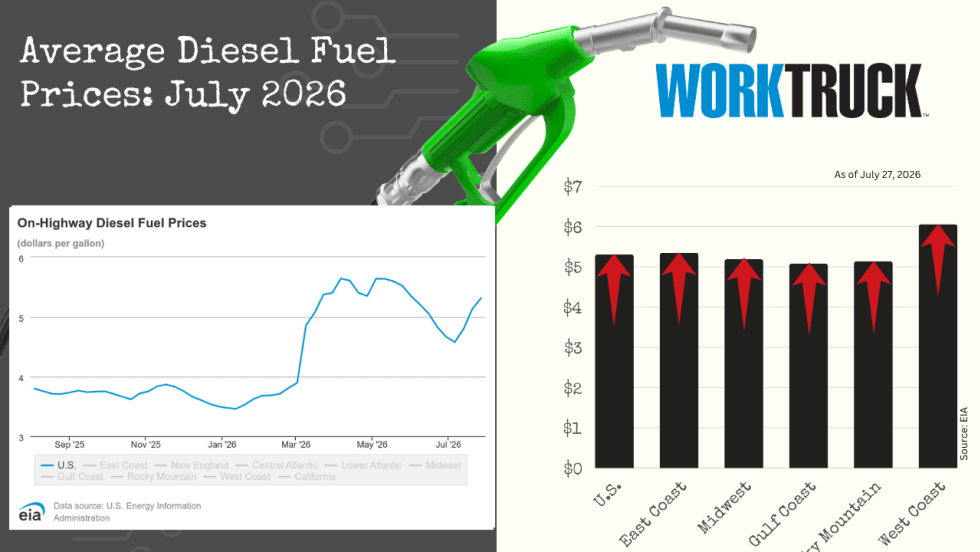
July Diesel Trends Update
The average price of a gallon of diesel increased again this week, and the EIA reported a new national average of $5.31 at the start of the week.
Read More →
WEX Brings Standard Fleet's Connected Vehicle Platform to Fleet Customers
This week’s product launch with Standard Fleet’s connected vehicle platform reflects WEX Venture Capital's strategy of turning startup innovation into customer solutions. Standard Fleet is now available to WEX fleet customers.
Read More →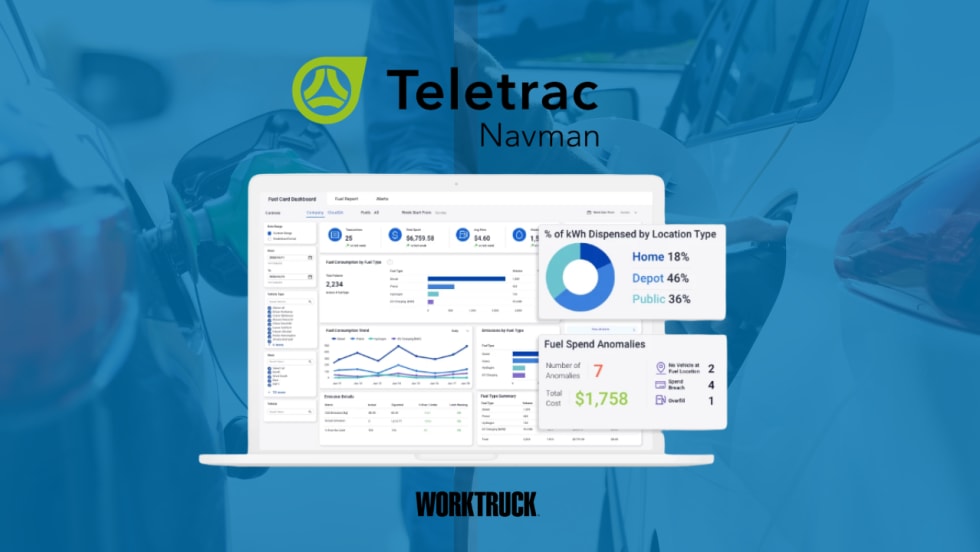
Teletrac Navman Adds Mixed-Energy Fleet Tools to TN360
The new Energy Hub combines fuel transactions, EV charging data, vehicle range, and energy costs in one dashboard for fleets operating multiple vehicle and energy types.
Read More →
WEX DriverDash adds CITGO, Expands Nationwide Access for Fleets
The DriverDash mobile payment app, by WEX, has been integrated into the CITGO merchant network, which means WEX has expanded its U.S. station footprint with the addition of approximately 4,000 CITGO locations.
Read More →
Mixed Energy Fleet Tips for Balancing EVs, Gas and Diesel Vehicles
Mixed energy fleets are becoming the new normal. Learn how fleet managers are balancing EVs, gas and diesel vehicles while controlling costs and planning for the future.
Read More →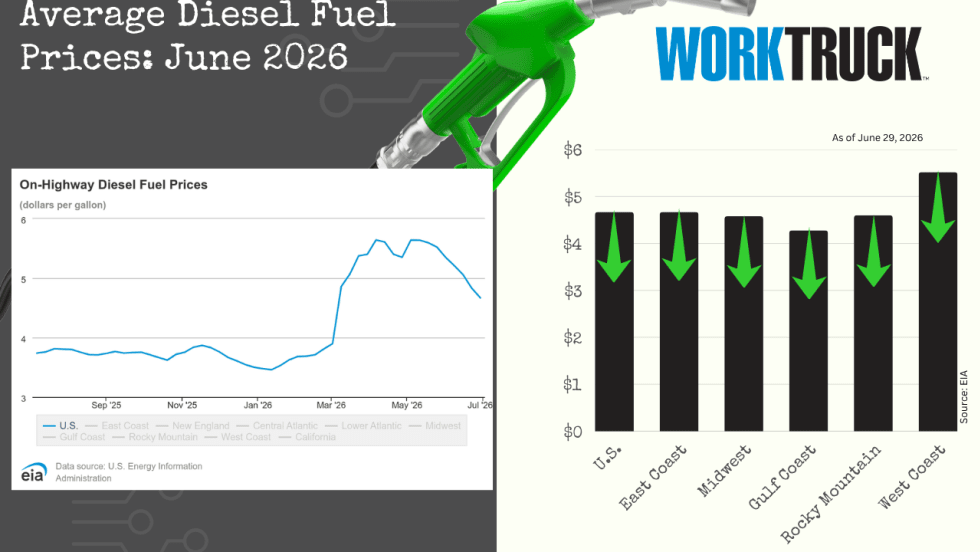
June Diesel Trends Update
The national average price of a gallon of diesel has dropped again, this week by more than 16 cents. All five regions reported lower average prices, ranging from almost 13 cents to more than 28 cents cheaper than a week ago.
Read More →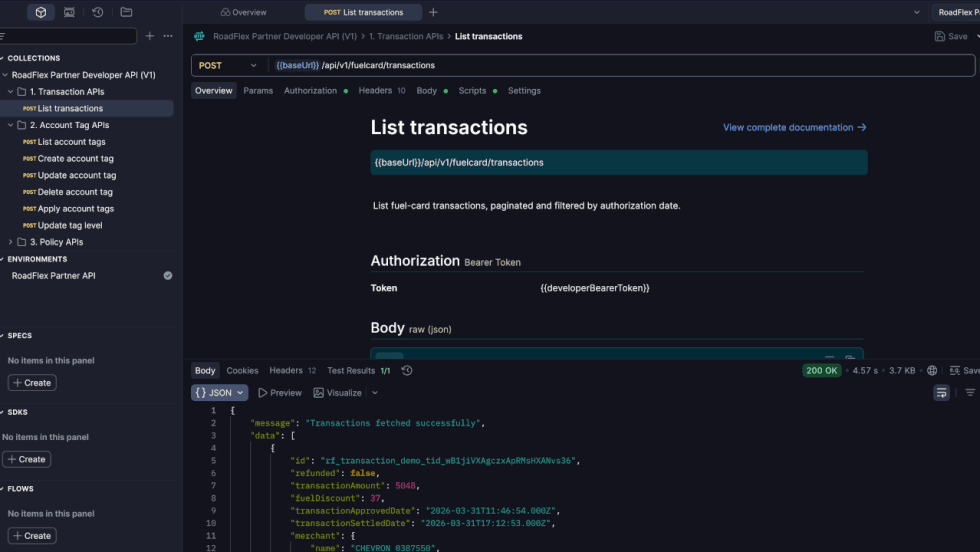
RoadFlex Launches RoadFlex Direct Open API Platform
RoadFlex Direct connects fuel cards, controls, and data to the telematics and fleet management systems fleets already run, from Geotab and Samsara to Fleetio and RTA, with no separate dashboard or double data entry.
Read More →
The Key to Fuel Efficiency Sits in the Cab
Learn how driver behavior, telematics, coaching, and fuel data can help fleets improve fuel efficiency, lower costs, and reduce emissions.
Read More →