eCommerce spending is up and the need for delivery fleets is ramping up. A more efficient route results in fewer miles driven to get the deliveries accomplished.
by Steve Milroy, OnTerra Systems
May 4, 2021
Delivery route planners can generate the most efficient route in a few minutes. When office staff members optimize routes manually, it often takes several hours per day.
Photo: OnTerra Systems
7 min to read
Thanks to the COVID-19 pandemic, the demand for home delivery of consumer goods has increased exponentially - and this has put tremendous pressure on America’s delivery fleets and its drivers.
Ad Loading...
When you look at how much and how fast the pandemic has shifted the demand for home delivery of everything from prepared food & groceries to hard goods & clothing, the numbers are staggering.
Ad Loading...
DigitalCommerce360.com reports that worldwide e-commerce spending increased by 44% from 2019 to 2020.
IBM’s Retail Index reports that the pandemic accelerated the move from retail shopping to e-commerce by five years.
A 2020 Financial Services Rewards Network study found that 42% of restaurants shifted to some form of home delivery of food and alcohol to survive. Roughly 30% of those restaurant owners think home delivery is here to stay and will continue home delivery services.
The Adobe Digital Economy Index measured spending from March 2020 to February 2021. In January & February 2021, consumers have already spent $121 billion online – a number that has increased by 34% from 2020 e-commerce pandemic spending.
These statistics and trends bode well for any business operating a delivery fleet. However, with this explosive growth comes additional pressure to deliver more goods and services faster, retain delivery drivers, and take steps to ensure that home delivery contributes to the bottom line rather than causing a loss.
This is where affordable Delivery Route Planning Software steps in as a powerful, affordable way to handle more delivery volume & reduce the actual costs of home deliveries.
What Is Delivery Route Planning Software?
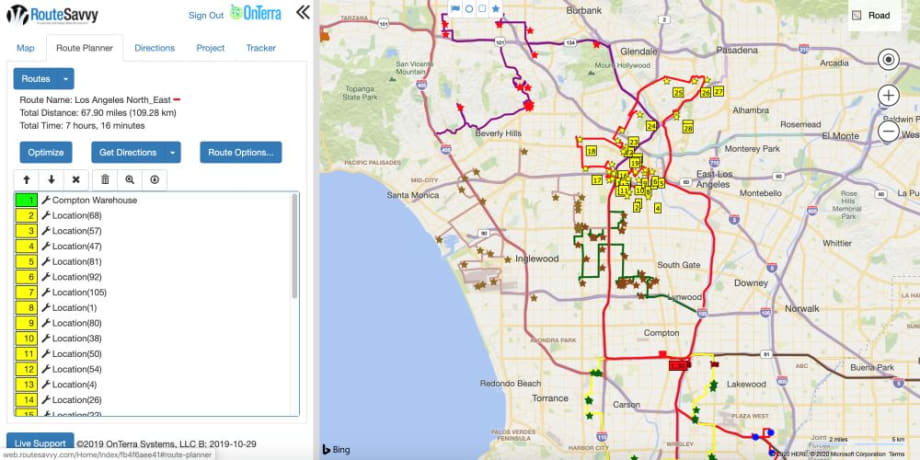
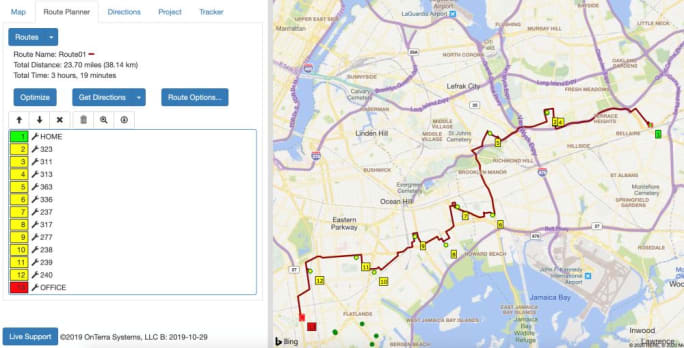
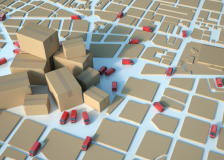
Delivery route planning software is tied to web-based mapping software such as Google Maps, Bing Maps, or HERE Maps. Once you upload or input the addresses of the day’s deliveries into the route planning software, the route planner automatically generates the most efficient sequence of planned delivery stops, i.e., a more efficient delivery route.
A more efficient route results in fewer miles driven to get the deliveries accomplished.
Ad Loading...
How Does Route Planning Software Help Meet Delivery Demand?
Significant benefits occur when you use a delivery route planner, including:
Saves Time for Office Staff – Delivery route planners can generate the most efficient route in a few minutes. When office staff members optimize routes manually, it often takes several hours per day.
Faster Deliveries & More Deliveries – When you drive fewer miles to get the day’s deliveries done, you get to those delivery locations faster. You also can shoehorn more deliveries into each day.
Reduces Fuel Costs – Since route planning software reduces miles driven, it also reduces fuel costs to run the fleet. The statistics have held steady for the past couple of decades: fuel costs are 60% of a fleet’s operating costs. When you can reduce the fleet fuel spend, it can have a significant positive effect in reducing fleet operating costs.
Reduces Labor Costs – More efficient routing means drivers have to spend less time behind the wheel each day. This typically helps reduce overtime labor costs because more deliveries can be completed in a traditional, eight-hour workday.
Reduces Carbon Emissions – For any business or non-profit on board with reducing carbon emissions in the fight against global warming & climate change, route planning software is one of the most affordable ways to reduce a fleet’s carbon emissions. (When you drive fewer miles, your fleet generates fewer carbon emissions.)
Increases Revenue – More efficient routing helps create opportunities to handle more deliveries per day & increase revenue.
How Does Delivery Route Planning Software Work?
Affordable delivery route planners keep the route optimization process simple and easy to deploy:
Step 1: Upload or input the addresses of the day’s deliveries.
Step 2: Click or tap the “Optimize” button.
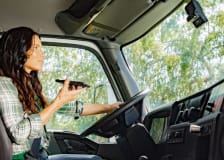
Step 3: Once the efficient route has been generated, it can be printed and/or exported to a driver’s smartphone or tablet & configured with turn-by-turn navigation.
More efficient routing means drivers have to spend less time behind the wheel each day. This typically helps reduce overtime labor costs because more deliveries can be completed in a traditional, eight-hour workday.
Photo: OnTerra Systems
Mitigating the Effects of Increased Demand for Home Deliveries
As fleets come under increased pressure because of skyrocketing demand for home deliveries, route planning software tools can help mitigate these pressures. Here’s how:
Ad Loading...
Reduced Delivery Costs: Using route planning software tools like RouteSavvy means you generate a more efficient route & reduce miles driven - which helps reduce the fleet fuel spend. This helps reduce the costs associated with home delivery. Several 2020 research studies actually found that some businesses LOST money when they turned to home delivery to survive the pandemic. Route planning software helps prevent this & makes home delivery financially feasible, even for small businesses.
Reduced Vehicle Wear-and-Tear: Delivery vehicles are taking a beating with the increased volume of home deliveries and more time on the road. When you reduce miles driven, you reduce vehicle wear-and-tear. This also reduces maintenance costs tied to mileage such as oil changes and tire replacement.
Reduced Risk & Accidents: When you’re on the road for fewer hours, the odds of getting into an accident are lessened. Plus, when drivers are listening to turn-by-turn navigation for the optimized route, there’s less distracted driving. Driver fatigue also is lessened when people spend less time behind the wheel to get the job done. The National Safety Council reports that drivers are three times more likely to get in a car crash when they are fatigued.
Retain Delivery Drivers: Anyone who’s been watching the trends over the years knows that there’s been a commercial driver shortage for the past decade. As of 2021, that’s still the case, which makes it even more important to retain your current team of delivery drivers. When a business deploys route planning software, it can contribute to a higher quality of life for commercial drivers, which helps retain those drivers. Delivery route planning software can help reduce the time commercial drivers spend behind the wheel, which is good for health, mental health & creating time for a personal life. Increased profitability from handling more deliveries per day also can be funneled into higher salaries, bonuses, and perks that help retain commercial drivers.
Recommended Costs & Buying Tips For Delivery Routing Software
Delivery routing software options are available at different price points – and the pricing models can be quite confusing. Here are some tips to make sure you’re not overspending for delivery routing software:
Ad Loading...
Tip 1: Invest in a flat fee routing software solution. The most affordable delivery route planning software pricing model is one flat fee for the year. However, some route planners charge by the vehicle. That means the cost of the software will increase as you add more vehicles and/or routes to your fleet. Read the fine print & make sure the route planner you’re considering is not going to increase the price as you add more vehicles to your fleet.
Tip 2: Compare a general monthly price. Some route planners cost a modest annual fee that can still be divided by 12 to help you understand the average monthly cost. Some route planners have pricing models that are so complicated that it’s hard to tell what you’d really be paying per month. Choose a route planner with a simple, straightforward & clear pricing model that you understand.
Tip 3: Compare the functionality you get at various price points of the software. Some route planners charge a subscription fee, and you get ALL the functionality of the route planner for that price. Other route planners have “starter” offerings with a low monthly price, but then you don’t get the full software capabilities, i.e., the “basic” version has limited functionality. Make sure you understand what functionality is available at the various price points.
At some point, the pandemic will be a distant memory. But the far-reaching changes brought about by the pandemic will be here for the long term. Most industry pundits reviewing the effects of the pandemic agree that consumers will demand even more home deliveries of the goods they purchase in years to come. As consumer demand for home deliveries continues to increase, fleet managers must deploy some form of delivery route planning software to mitigate the effects of intense demand for home delivery.
About the Author: Steve Milroy is the president of USA-based OnTerra Systems, the developers of RouteSavvy.com Delivery Route Planning Software. He can be reached at stevem@onterrasystems.com. This article was authored and edited according to WT editorial standards and style to provide useful information to our readers. Opinions expressed may not reflect that of WT.
HCSS has integrated with Verizon Connect to provide near real-time fleet insights so contractors can spend less time tracking assets and more time keeping projects on schedule.
Fuel fraud and theft remain significant challenges for commercial fleets, whether the problem involves third-party fraud or driver misuse. In this video, David Abraham of WEX explains how SecureFuel uses vehicle geolocation, telematics, transaction information, and AI to help fleet managers identify suspicious fuel purchases and make more informed decisions.
Motive's new AI Agents automate fleet safety, maintenance, compliance, and dispatch tasks. Here's how they work for smaller fleets, what managers control, and what early users are seeing.
The new Paccar Connect offers touchscreen displays, telematics capabilities, and an expanding app ecosystem to boost productivity and streamline driver workflows.
The partnership combines Holman's fleet management and upfitting capabilities with ISEE's autonomous driving technology to help businesses deploy and manage driverless yard trucks.
Rivian teams up with Sony Pictures for a Ghostbusters-inspired Halloween software update, complete with custom sounds, lighting effects, and a special Ecto-R1.
For service fleets, missing tools and equipment can lead to second trips, lost technician time, higher operating costs, and delayed jobs. Equipment tracking can help HVAC, plumbing, electrical, landscaping, and other service businesses improve visibility and reduce downtime.
Geofencing is a familiar fleet tool today, but its early adoption marked a major shift in vehicle tracking, route monitoring, and the debate over employee privacy.
Geotab's first U.S. supply chain report finds stable long-haul activity, stronger regional freight movement, tighter hub-and-spoke utilization, and more last-mile trips on shorter routes.