




RealTruck Prepares Fleets for the Spring Season
RealTruck breaks down the safety products it offers to keep trucks safe during the rainy conditions in the upcoming months.
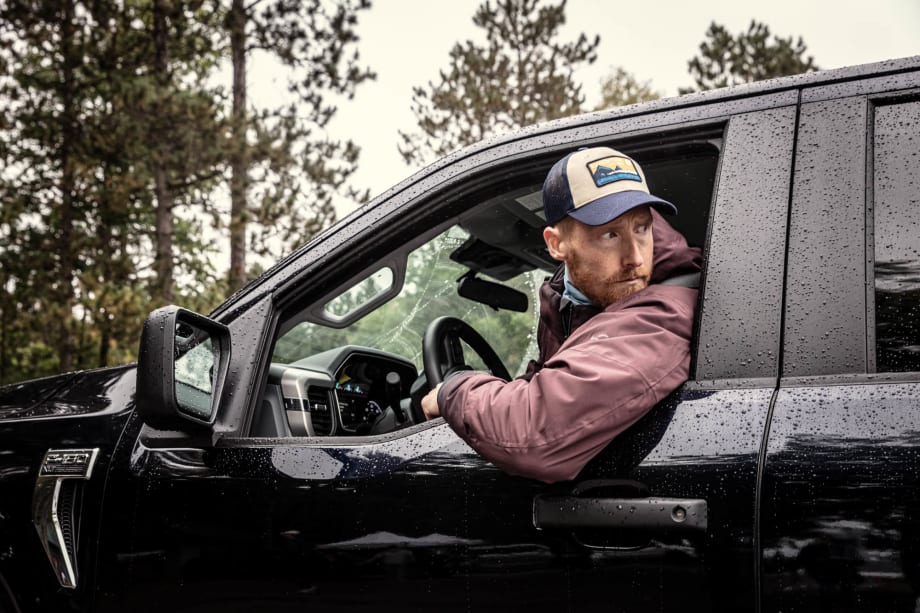
RealTruck says many people drive more carefully in the snow than rain, which means more accidents occur in rainy conditions.
Photo: RealTruck
As the middle of the spring season approaches and the rain continues to fall, it's important to drive with caution when heading out on the road.
Rain can cause a fleet’s truck to slide, increase breaking time, and greatly impair visibility, especially at night. According to a report conducted by the Federal Highway Administration (FHWA), wet pavement causes 75% of accidents, and rain causes 47% of accidents when it comes to inclement weather.
Furthermore, nearly 6,000 people are killed and more than 544,700 people are injured due to accidents on wet pavement. Spring also brings a lot of wind to many states, which can be hard to navigate if a fleet is towing anything large. There are driving tips and specific safety products to help keep a truck safe all spring long.
Treat Snow & Rain the Same
While driving the truck in the rain, act as cautiously as you would in the snow. Many people drive more carefully in the snow than rain, which means more accidents occur in rainy conditions.
At night, be extra cautious and, if you can’t see well enough, pull over until the rain lightens up or stops completely. There are some great lighting options to help a fleet in these conditions like the AVS Aeroskin Lightshield Pro. This product attaches to the front of the truck providing LED light on the road to help your visibility during moderate and heavy rain. The Lightshield Pro also converts from a running lamp to a display for both turn signals and hazard functions, allowing other drivers to see the truck.
Give Yourself Space & Keep Your Truck Bed Dry
Trucks often need more time to slow down and stop compared to cars, due to their weight. It’s critical to give the truck enough space while driving behind other cars and trucks on the road, particularly on freeways and highways when traveling at a faster speed. If a fleet encounters a situation on the road where the brakes need to be slammed, a fleet would want tires with traction and grip to bring the truck to a complete stop.
Nitto Ridge Grappler Tires perform in rainy conditions due to their tapered edges and shoulder lugs, which provide additional traction.
Additionally, it’s smart to have a tonneau cover on the truck bed while driving in the rain. Obviously, this will keep the truck’s gear dry and secure in case it needs to come to a quick stop or happen to swerve on the road. The Bak Revolver X4s is a truck bed cover for rainy and wet conditions because of its watertight seals. Keeping the truck bed covered and dry, it also reduces the weight in the vehicle.
Simple Upgrades Go a Long Way
As the weather gets warmer, it’s a great time to upgrade and care for the truck after the winter season. Small enhancements can help in all kinds of weather, but a couple that can aid in wet conditions during the spring are Ionic 3’’ Black Nerf Bars and Husky Liners Weatherbeater Floor Liners. The nerf bars have rubber gripping to make sure the driver doesn't slip getting in or out of the truck. Husky liners, on the other hand, will keep the truck’s interior clean and dry.
Clearly, there are small and large purchases that can help a driver stay safe in rainy spring conditions this season. For truck parts and accessories during every season visit here.
About the Author: Tony Ambroza, chief growth officer of Truck Hero. This article was authored and edited according to WT editorial standards and style. Opinions expressed may not reflect that of WT.
More Safety & Compliance
Navigating the Effects of Daylight Saving Time on Work Truck Fleets
Discover how daylight saving time impacts work truck fleets and get essential tips for fleet managers and drivers to navigate the "fall back" transition.
Read More →
How Halloween Changes the Job for Work Truck Drivers
Truck traffic doesn’t take the same Halloween break as other drivers. What fleet managers should know about timing, neighborhood stops, and braking data.
Read More →
Tips for Driving Safely on Halloween Night
This video features a reminder from the Connecticut Department of Transportation (DOT) and the Connecticut Police Chiefs Association, urging drivers to prioritize safety this Halloween.
Read More →From Our Partners



Re-rating Gross Vehicle Weight Ratings (GVWR): Why and How it's Done
Sometimes, it is not in a fleet’s best interests to have a vehicle at a given GVWR. Changing the GVWR to a special value can be done, but the process is complicated.
Read More →
When a Work Truck Gets Stolen, the Real Loss Is Time
A stolen work truck can take more than a vehicle off the road. From tools and access cards to crew downtime, here’s how fleets can prepare for theft before it disrupts the entire workday.
Read More →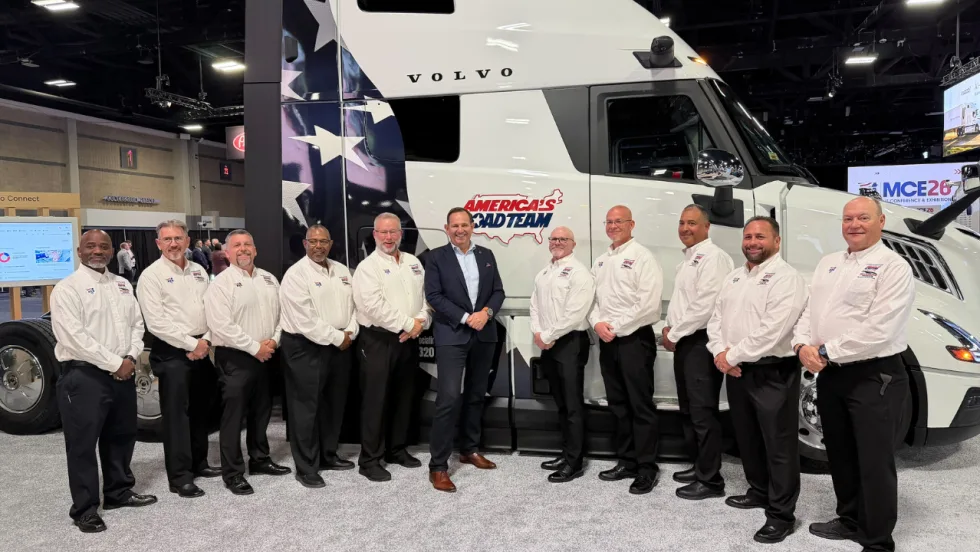
Volvo Trucks Marks 25 Years as Exclusive Sponsor of America's Road Team
Volvo Trucks North America will serve as the exclusive sponsor of the American Trucking Associations' America's Road Team, marking 25 years of Volvo sponsorship. The group of professional drivers promotes safety and the industry as they travel the country.
Read More →
Streamlight’s High-Output Scene Light Recognized with Occupational Safety Award
Streamlight’s Portable Scene Light III (PSL III) won the 2026 Occupational Health & Safety (OH&S) New Product of the Year Award in the Lighting category.
Read More →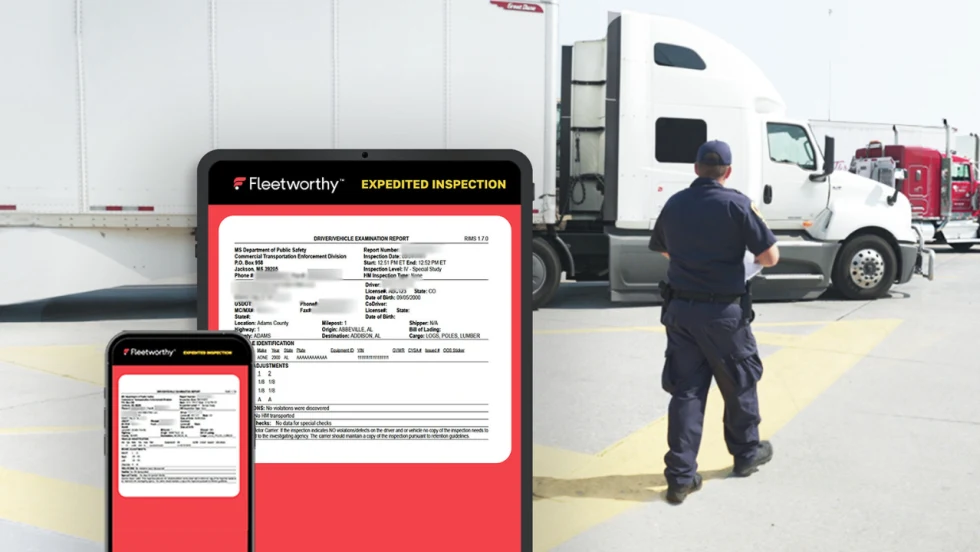
Fleetworthy Expands Expedited Inspection to 5 States
Following its industry-first launch in Nevada, Fleetworthy’s automated inspection technology is now live in California, Michigan, Vermont, and Maine.
Read More →
Crossing State Lines in a Light-Duty Work Truck? Check These Rules First
Crossing state lines in a lighter work truck? J.J. Keller's Kathy Close explains when IRP registration, trip permits, and towing rules come into play.
Read More →
Simple Tire Checks That Help Keep Your Business Fleet Moving
A survey found that nearly one in every 10 passenger vehicles has at least one bald tire. What's more, 27% -- more than one in four -- of vehicles are driven with one or more severely under-inflated tires.
Read More →