




Picking the Right Truck When Disaster Strikes
Discover how the right fleet vehicles can make all the difference in disaster response, ensuring your team is equipped to handle any challenge.
May 1, 2025

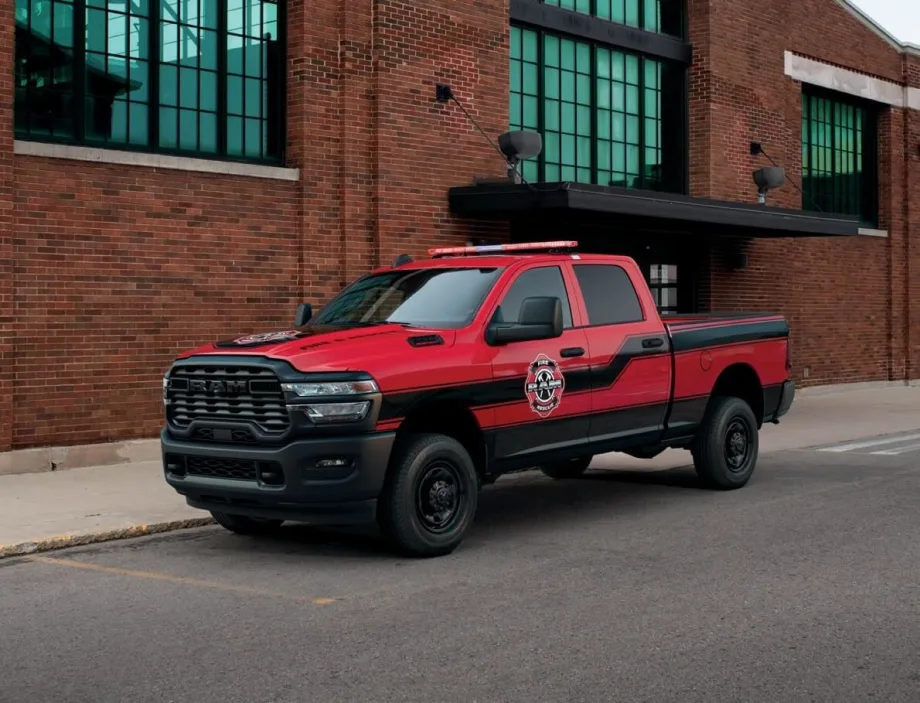
Selecting the best disaster response trucks helps fleets stay ready, safe, and efficient in any emergency.
Photo Credit: Stellantis
3 min to read
Whether it’s a hurricane, wildfire, flood, or something that came out of nowhere (because they always do), the moment disaster hits, your team’s mobility becomes mission critical. The trucks you pick before the storm can make or break your response in the aftermath.
From emergency supply drops to utility restoration or just navigating blocked terrain, not all vehicles are built for these moments, and that’s where Special Service Vehicles (SSVs) come into play. Think of them as purpose-built problem solvers with a utility belt.
One standout example? The heavy-duty Ram 2500/3500 SSV truck. Designed specifically with disaster recovery and emergency response in mind, this truck is ready to roll into high-stakes situations with the right mix of ruggedness and utility.
But before diving into specific models, let’s talk about the why and how of choosing the right vehicle when every second counts.
Why Vehicle Selection Matters in Disaster Response
Sure, every fleet vehicle plays a role. However, standard specs often fall short when conditions are unpredictable or downright hazardous. The goal isn’t just showing up; it’s showing up ready. You need something:
- Built to haul gear, tow loads, and power through debris.
- Equipped for extended idling and power needs.
- Able to support first responders, linemen, inspectors, and utility crews in high-demand situations.
The SSV Edge
Take the heavy-duty Ram 2500/3500 SSV truck: it’s not just a heavy-duty platform with off-road capability. It’s customizable for multiple agencies and emergency roles. Designed to meet the needs of police, fire, emergency management, and utility fleets, it offers:
- Enhanced electrical systems for radios, lights, and emergency upfits.
- Durable interiors for harsh use and easy clean-out.
- All-terrain handling for off-road or post-disaster access.
With disaster relief efforts, response times are everything,” said Ryan Austin, Stellantis Law Enforcement program manager. “Our mission is to get first responders and relief workers to the scene quickly and safely, no matter what obstacles are in the way. That’s why we design and build our heavy-duty Ram SSV trucks with capabilities that go above and beyond the smaller pickup trucks you see on the road daily. Our motto is ‘Built to Serve’ and no vehicle in our lineup lives up to this better than our Ram 2500/3500 SSV truck.”
Three Tips to Make the Right Call
Even if the SSV truck meets the requirements, here are some key considerations to keep in mind when evaluating vehicles for disaster readiness.
- Prioritize Power and Payload: Look beyond gross vehicle weight. Consider the towing capacity, off-road clearance, and the amount of gear it can haul. You may need to carry generators, tarps, medical kits, or even people.
- Consider Communication Needs: Can the truck support additional radios, satellite modems, or Wi-Fi hot spots? In a disaster zone, connectivity can’t be an afterthought.
- Plan for Upfits and Long-Term Durability: Pick platforms that play well with upfitters. Modularity saves time and money, whether it’s adding lighting, storage, or recovery gear. Bonus points if it’s designed for quick turnarounds between missions.
Subscribe to Our Newsletter
More Disaster Response
When Disaster Response Goes Mobile
Drones and robotic systems can give emergency teams a view of a disaster before crews ever reach the scene. But the real challenge is keeping those machines, vehicles, operators, and command centers connected when traditional infrastructure may already be compromised.
Read More →
Experts Forecast Broader Impact of Wildfires in 2026
This year’s wildfire season will likely be more intense than in 2025. The 2026 wildfire forecast from AccuWeather is for fewer fires, but even more acreage will be impacted this year.
Read More →
Farmers Insurance Backs Red Cross Disaster Response Efforts With $250,000 Commitment
Farmers Insurance joined the Red Cross Disaster Responder Program to help support emergency response and recovery during disasters nationwide.
Read More →
Severe Storms Are Reshaping Recovery Operations for Contractors and Work Truck Fleets
Hailstorms are creating costly new challenges for work truck fleets, from damaged onboard tech to longer recovery timelines and tactical storm planning.
Read More →
After the Storm Clears: Why Cargo Risk Spikes During Disaster Recovery
When the storm ends, cargo theft risk can spike. Here’s why the restart phase is the danger zone and what fleets can do to stay ahead.
Read More →
Your Suppliers Are Part of Your Disaster Plan
Your suppliers can make or break disaster response. Here’s how fleets can reduce vendor risk and keep critical parts flowing when storms hit.
Read More →
When the Process Breaks (Why Fleet Workflows Collapse During Disaster Response)
When disaster hits, fleet workflows don’t collapse all at once. They unravel quietly. Here’s where breakdowns start and how to build resilience before it’s too late.
Read More →
How Federal Disaster Declarations Work and Why Fleet Leaders Need to Know
How federal disaster declarations work and why fleet leaders should care about funding, reimbursements, infrastructure repairs, and recovery timelines.
Read More →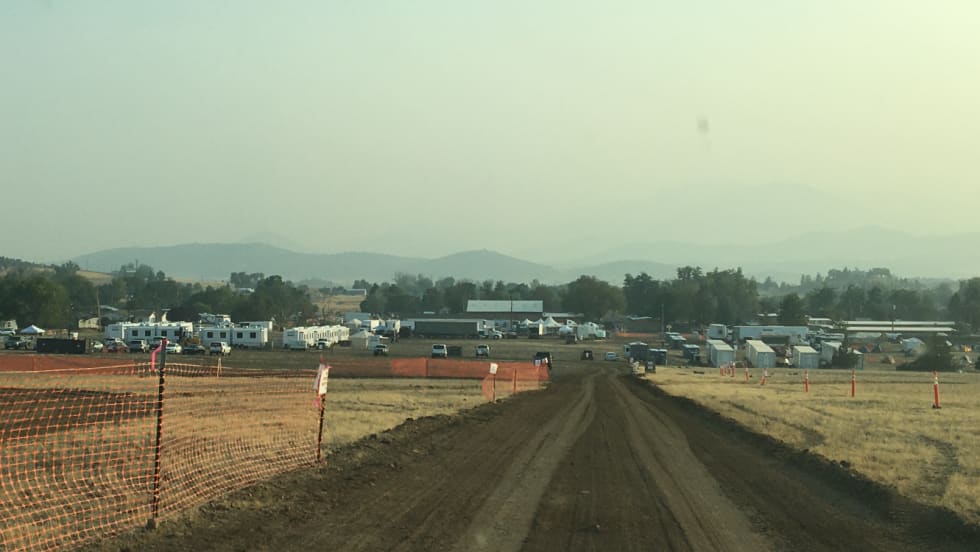
Disaster Readiness Is Not a Fleet Count, It’s a Stress Test of the Whole System
Fleet readiness isn’t about your vehicle count. It’s about condition, capacity, and whether your system can actually perform under stress.
Read More →
Disaster-Proofing Fleet Operations: How to Maintain Uptime When Conditions Are Anything but Normal
When disaster strikes, fleet uptime depends on prep, mobile maintenance, clear visibility, and disciplined execution before, during, and after the event.
Read More →