





Myth Busted: Debunking Common Geofencing Misconceptions for Fleet Managers
Navigating Efficiency: Geofencing Tech Transforms Fleet Operations
In the ever-evolving landscape of fleet management, geofencing technology emerges as a game-changer, empowering efficient and safer operations.
October 16, 2023
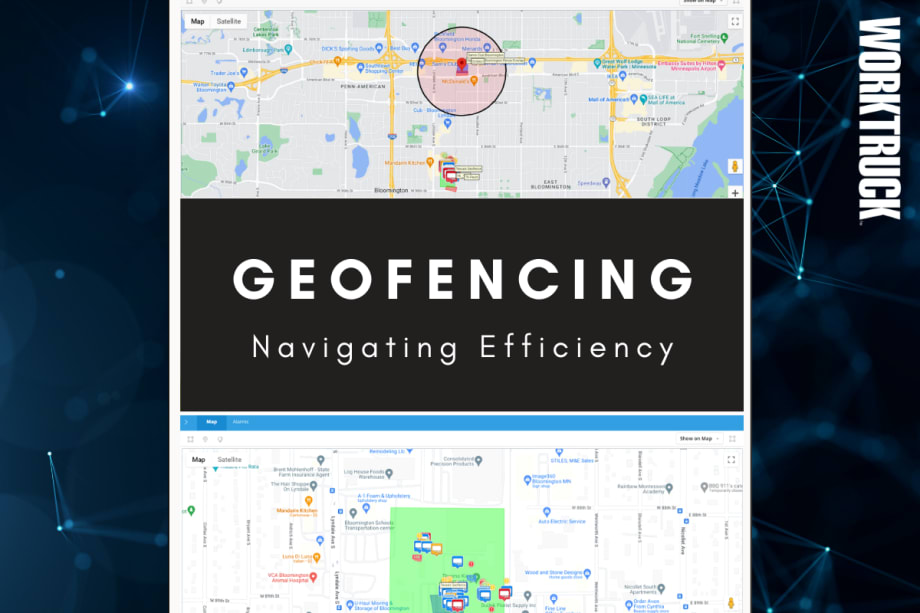
At its core, geofencing designates specific geographic areas of interest, triggering events such as notifications, automation, or setting changes to optimize fleet operations.
Photo: Thermo King/Work Truck
6 min to read
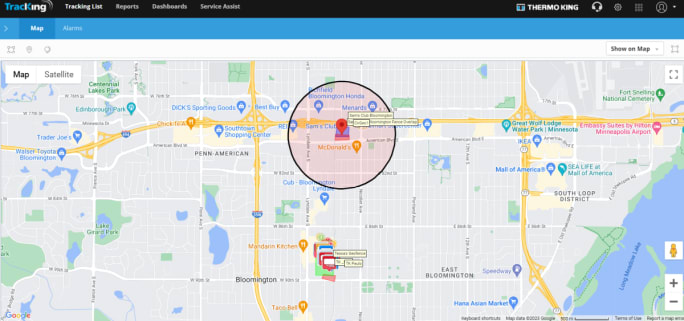
Thermo King’s geofencing capabilities are performed using GPS satellite sensors, onboard computers that constantly compare the location of vehicles with all the geofences configured by a fleet, and a cloud-based platform that triggers automation or notifications when units enter or exit a geofence.
Photo: Thermo King
In the dynamic world of fleet management, technology, like geofencing, plays a pivotal role in enhancing efficiency and safety. Geofencing is a location-based service that has gained popularity among fleet managers. At its core, geofencing designates specific geographic areas of interest, triggering events such as notifications, automation, or setting changes to optimize fleet operations.
“For example, a distribution center could geofence their yard to quickly perform yard checks. A fleet could notify a distribution center that their trailer is arriving shortly so that a load could be prepared for a rapid turnaround,” explained Steve Walters, product owner, telematics at Thermo King.
But today’s Geofencing technologies go far behind their initial capabilities. Thermo King has expanded its geofencing capabilities to enable more locations and more flexible boundaries for those locations.
“Larger fleets pick up and deliver to more locations, have more stops, and refuel at more locations. Because of this, they need to configure more locations. As fleets find more ways to use geofencing to improve their operations, they also need more sophisticated boundaries to act only on the assets in the specific geographic areas of interest,” Walters said.
Allowing for Detailed Zone Monitoring
One of the key enhancements is the increase in the number of trackable geofences.
“Larger fleets operate across more locations, so they must define more geofence locations. For example, they might set up geofences for all locations where they deliver products to notify the customer when the delivery arrives automatically. It also helps large fleets know where their vehicles are spending time, which can help uncover ways to be more efficient with delivery processes and costs,” Walters said.
This increased granularity in geofencing empowers fleet managers to gain valuable insights into vehicle locations, enabling more efficient delivery processes, reducing costs, and streamlining yard management.
“One case where this is useful is managing a yard. Customers need to know if a particular vehicle is back and ready for maintenance or a new load. Being able to include a more accurate representation of the shape of the yard allows the customer to be more efficient in getting the vehicle back on the road instead of losing time waiting or looking for a vehicle,” Walters said.
Setting Up the Right Geofence for Your Fleet
With the variety of fleet types and tracking needs, not every geofence option will work
In these cases, “property lines are less important than the proximity, so a geofence with a center point and a radius is better suited. An example would be a geofence for a recommended gas station, shop, or Thermo King dealer location,” said Adam Jaberi, strategic account digital sales manager for Thermo King.
Bulk geofencing is a significant time-saving addition as it allows fleets to import geofences from various sources or prepared files, eliminating the need for manual creation. This not only saves time but also ensures accuracy.
“Without bulk import capabilities, each geofence must be created on a map. Imagine manually finding every customer’s location on a map, drawing a border around that location, looking at the satellite imagery, and hoping that you recognize the right borders. This could take many hours if there are hundreds of locations. With bulk import, the geofences can be imported from other fleet systems, external sources, or a prepared file, saving time,” Walters said.
Improved Real-Time Monitoring & Geofencing Capabilities
With geofencing, fleets can improve efficiency with quick insight when a trailer has reached a location where action is needed. Geofencing empowers fleets with real-time insights, enabling quick action when trailers reach locations requiring attention.
“They can act or automate actions to reduce wait times. They can also more easily manage all vehicles at a particular location. For example, they can precool all the refrigeration units in their yard each morning for on-time loading. They can see what alarms have been issued for any unit in their yard so that they can prioritize which vehicles are ready to load and which need service. They can notify customers that their deliveries are arriving or have arrived,” said Dominic Hand, VP, IT & connected products for Thermo King.
With these improvements, fleets will have more control over precisely when they take action or notify their:
Drivers.
Distribution centers.
Customers.
Others.
“This will result in less waiting for drivers, improved productivity in distribution centers, and less downtime at service centers,” Jaberi said.
Thermo King’s geofencing capabilities are performed using GPS satellite sensors, onboard computers that constantly compare the location of vehicles with all the geofences configured by a fleet, and a cloud-based platform that triggers automation or notifications when units enter or exit a geofence.
“This platform can also be integrated with a fleet’s other systems to provide even more automation and coordination,” Walters said.
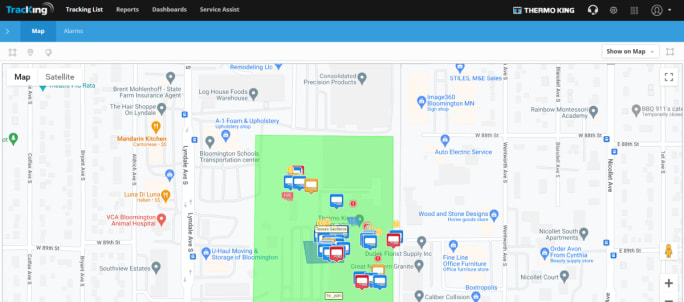
Thermo King has expanded its geofencing capabilities to enable more locations and more flexible boundaries for those locations.
Photo: Thermo King
Following the Trends
As fleet management technology evolves, trends or challenges often prompt new focus on enhancing capabilities.
“When freight rates are low, only the most efficient fleets are profitable enough to survive and thrive. When freight rates are high, efficiency enables fleets to maximize utilization of their drivers and assets to keep up with customer demand and thrive even more,” Hand shared. “Successful fleets are seeing that a relatively easy way to increase efficiency is to automate communications and other common activities so that their people can spend less time on routine activities and more time improving their operations.”
Geofencing gives fleets, which are constantly on the move, the ability to tie the location or destination of their assets to the actions that need to be performed next, reducing wait time and operating costs, increasing utilization of their assets, and making them more profitable.
“As fleets start to electrify their assets, this will become even more essential since efficiency will be the key to achieving sufficient range with electric vehicles,” Hand added.
But Wait, There’s More!
Today, there are additional use cases beyond the transport refrigeration space.
“For example, when a pick-up or delivery is made, fleets typically allow a certain amount of free time to load or unload freight. That time can often vary depending on the customer or shipper/receiver. After the free time, trucking companies charge anywhere from $50-150 per hour of detention pay. Often, it is difficult for a trucking company to prove they have arrived on time and are actively waiting to be loaded or unloaded. Our telematics geofences can serve as virtual in and out times for shippers and receivers,” Jaberi added.
Driving Thoughts
Geofencing is revolutionizing fleet management by providing precise location tracking and automation. Fleet managers can leverage this technology to optimize delivery processes, save time with bulk geofencing, and enhance real-time monitoring.
Moreover, geofencing aligns with evolving trends in fleet management, particularly as fleets transition to electric vehicles where efficiency is paramount. Beyond its primary use in refrigeration, geofencing offers valuable applications, helping fleets track pick-up and delivery times and improve overall documentation.
It's a technology that empowers fleet managers to streamline operations, reduce costs, and enhance safety, making it an invaluable asset in the dynamic world of fleet management.
Subscribe to Our Newsletter
More Technology
GM Brings New Truck Focused Interface to 2027 Silverado and Sierra
GM's new pickup interface puts trailering data, camera views, vehicle controls, and smartphone integration closer to the driver in the 2027 Silverado and Sierra.
Read More →
Samsara Driver Perks Expands Rewards Beyond the Long Haul Driver
Samsara’s new driver rewards program was built with a broader professional driver in mind, including employees who split their day between driving, job sites, service calls, and other work.
Read More →
AI Service Advisor Aims to Cut Fleet Repair Downtime
Fleetio said its AI Service Advisor can help fleets cut repair downtime by an average of 2.5 hours per repair while reducing manual maintenance work.
Read More →
Verra Mobility Launches AI-Driven Title & Registration Solution
Verra Mobility has launched a new AI-driven Title & Registration platform to help fleets move vehicles from acquisition to the road the same day while reducing compliance risk.
Read More →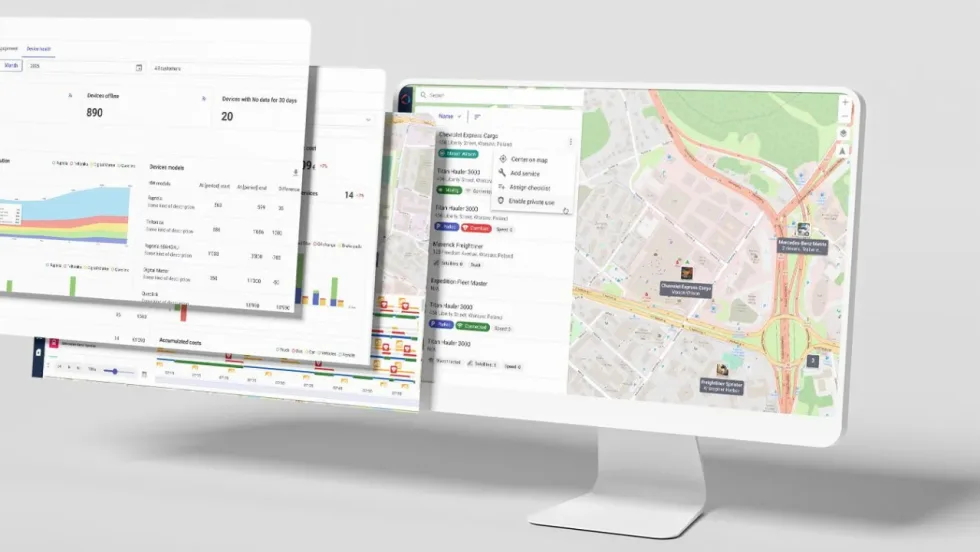
Wialon Unlocks OEM Data to Give Fleet Owners Data Ownership & Operational Clarity
Wialon has introduced hardware-free OEM integration as the EU Data Act accelerates the shift in vehicle data access across the fleet industry in many countries.
Read More →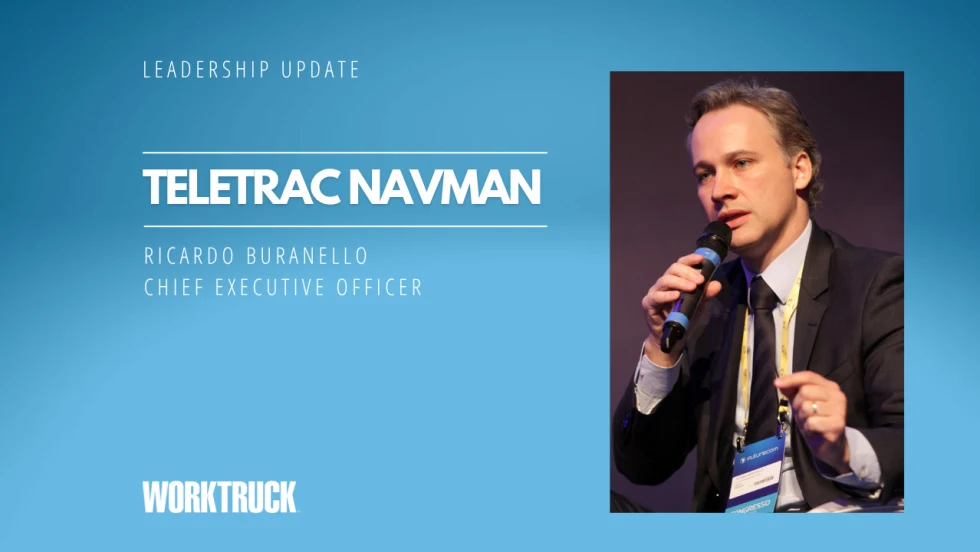
Teletrac Navman Promotes New CEO from Within
Teletrac Navman’s next CEO, Ricardo Buranello, has served as the company’s chief financial and operating officer. He brings deep financial and operational expertise, a strong strategic orientation, and an intimate knowledge of the business to his new role.
Read More →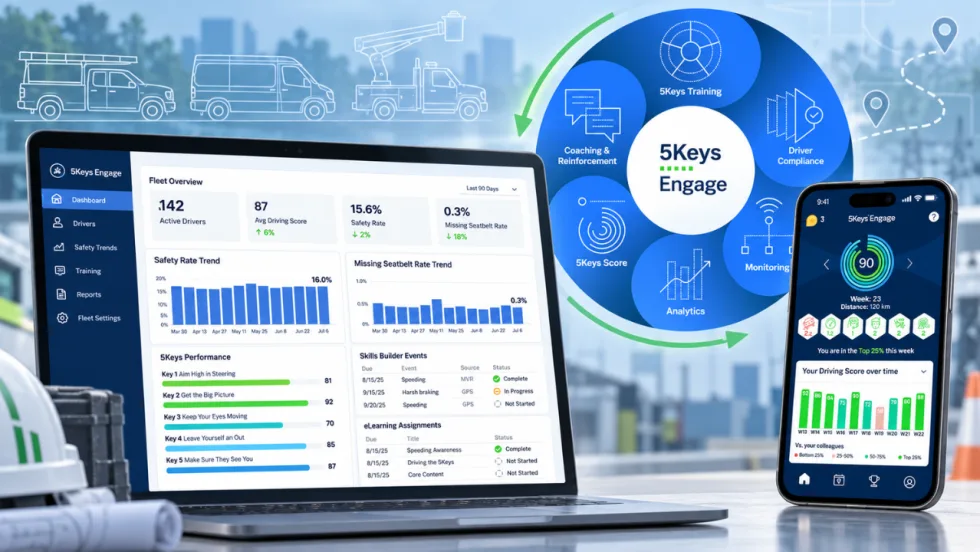
Smith System Wants Work Truck Fleets to Look Beyond the Driver Alert
Smith System’s new Driver Risk Management program is built to help mixed work truck fleets turn telematics alerts and observations into specific behaviors, coaching actions, and measurable follow-up.
Read More →
Ford Pro Software Updates: August 26
Check out the latest Ford Pro software updates, including Google Maps integration, Remote Vehicle Alarm integration, Motor Pool for easier management of shared pool vehicles, and more.
Read More →
Where AI Is Actually Saving Fleet Managers Time
AI is moving past the buzzword stage and into the daily fleet workflow. Fleetio’s Brianna Perry Lang breaks down where fleets are seeing real time savings, from maintenance and data entry to repair decisions, safety, and compliance
Read More →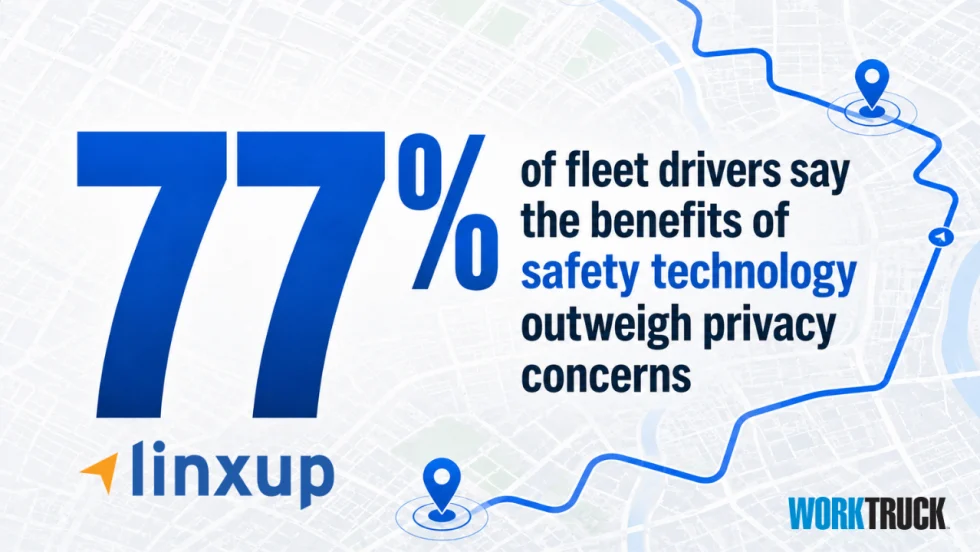
Are Work Truck Drivers Warming Up to Dash Cams and GPS Tracking?
A new survey finds field-service drivers may be more comfortable with dash cams and GPS tracking than fleet managers think, especially when the technology helps protect them after a crash.
Read More →